The Dental Filling Types: Amalgam vs. Composite vs. Glass Ionomer

Dental fillings remain one of the most reliable and time-tested solutions for repairing teeth damaged by decay. When a cavity forms, the affected structure must be cleaned and restored so the tooth can continue performing its essential roles of chewing, speaking, and supporting facial appearance. Choosing the correct filling material is not a one-size-fits-all decision. Three primary options dominate modern practice: amalgam, composite, and glass ionomer. Each material brings distinct strengths, limitations, and ideal applications. Understanding these differences empowers patients to partner with their dental team and select the restoration that best matches their clinical needs, lifestyle, and long-term goals.
Get Expert Filling Advice – Call for Consultation
This comprehensive guide examines the composition, performance, and practical uses of these three materials. It also addresses common concerns, outlines the placement process, and offers clear guidance for making an informed choice. Throughout, the focus remains on evidence-based information delivered in a reassuring, professional manner so readers feel confident about the path to a healthy, functional smile.
Why Dental Fillings Matter
Tooth decay begins when acids produced by bacteria dissolve the hard outer enamel and progress into the softer dentin beneath. Left untreated, the process can reach the pulp, causing pain, infection, or even tooth loss. A properly placed filling seals the cleaned cavity, restores structural integrity, and prevents further bacterial invasion. Modern materials have advanced far beyond the earliest restorations, offering improved aesthetics, biocompatibility, and durability. Still, no single material excels in every clinical situation. Location of the cavity, patient age, bite forces, aesthetic priorities, and fluoride needs all influence the recommendation.
Patients often arrive with questions about metal versus tooth-colored options, longevity, and safety. Addressing these concerns openly builds trust and leads to better outcomes. The following sections provide a clear, detailed comparison so that every reader can approach the consultation prepared and reassured.
Amalgam Fillings: Proven Strength and Longevity
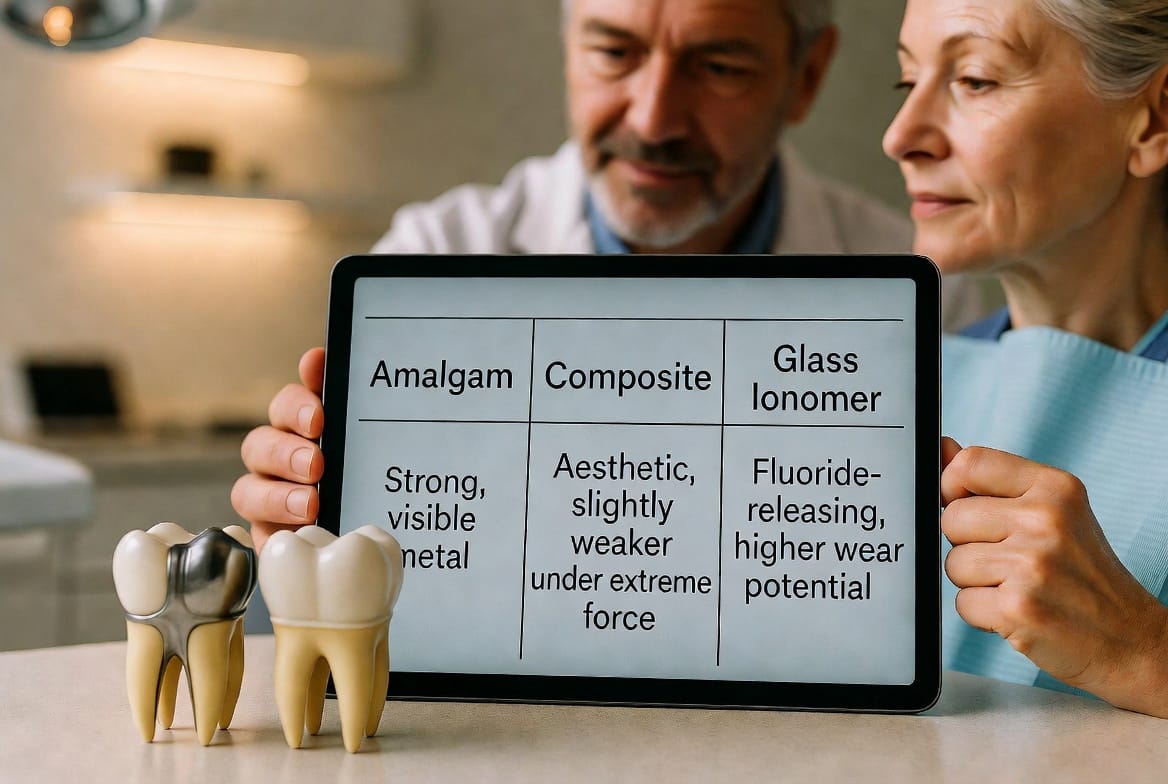
Amalgam has served dentistry for more than a century and continues to deliver exceptional performance in high-stress areas of the mouth. This material is a carefully engineered mixture of liquid mercury combined with a powdered alloy of silver, tin, copper, and sometimes other metals. Once mixed, it forms a workable paste that hardens into a durable, load-bearing restoration.
Key Characteristics of Amalgam
- Exceptional durability under heavy chewing forces
- Metallic silver-gray color that remains visible
- Resistance to wear and fracture over many years
- Relatively simple and cost-effective placement technique
Because of its strength, amalgam is frequently chosen for molars and premolars where biting pressure is greatest. It performs reliably in large cavities and in situations where isolation from saliva is difficult. Clinical experience shows that well-placed amalgam restorations often last ten to fifteen years or longer when oral hygiene remains strong and regular check-ups occur.
Patients sometimes express concern about the mercury content. Contemporary dental amalgam is formulated and handled under strict safety protocols. Once set, the material is stable, and extensive research supports its continued safe use for appropriate cases. Dental professionals monitor placement techniques carefully and discuss any individual sensitivities during the consultation. For many adults with significant posterior decay, amalgam remains a dependable, time-tested choice that prioritizes function over appearance.
Ideal Applications for Amalgam
- Large cavities in back teeth
- Patients who grind or clench
- Situations requiring maximum fracture resistance
- Cases where moisture control during placement is challenging
After placement, patients may notice temporary sensitivity to temperature, which usually resolves within a few days to weeks as the tooth adapts. Proper oral hygiene and avoidance of extremely hard foods in the first twenty-four hours support optimal results.
Composite Fillings: Natural Appearance and Versatile Bonding
Composite resin represents the aesthetic standard for most visible restorations. These tooth-colored materials consist of a resin matrix reinforced with finely ground glass or ceramic particles. The dentist carefully matches the shade to the surrounding tooth structure, then places the material in layers that are hardened with a specialized curing light. The result is a restoration that blends seamlessly with natural enamel.
Advantages and Considerations
Composite bonds directly to the tooth, which means less healthy structure needs to be removed compared with traditional amalgam preparations. This conservative approach preserves more of the original tooth and strengthens the remaining walls. The material also allows for beautiful results in front teeth and in any area where appearance matters.
However, composite is generally less wear-resistant than amalgam under extreme forces. Over time, the material can experience slight shrinkage during curing or surface wear from abrasive foods and aggressive brushing. Longevity typically ranges from five to ten years, depending on the size of the restoration, location in the mouth, and the patient’s habits. High-quality composites used today have improved significantly, and careful technique by an experienced clinician maximizes their performance.
Ideal Applications for Composite
- Cavities in front teeth or visible surfaces
- Small to moderate cavities in any location
- Patients prioritizing a natural-looking smile
- Situations where minimal tooth reduction is preferred
Placement requires excellent moisture control because the bonding process is sensitive to saliva or blood. When conditions are ideal, composite delivers both function and beauty. Patients appreciate that the restoration does not darken or stain easily when daily cleaning and professional maintenance are maintained.
Glass Ionomer Fillings: Fluoride Release and Gentle Care
Glass ionomer occupies a unique niche among restorative materials. It is created from a powder of finely ground glass mixed with a polyacrylic acid liquid. The resulting cement forms a chemical bond with both enamel and dentin and, most importantly, releases fluoride ions over time. This continuous fluoride delivery helps protect the surrounding tooth structure against future decay—an especially valuable feature for children and for patients at elevated risk of new cavities.
Distinctive Benefits
Glass ionomer is less demanding of perfect moisture control than composite and is therefore useful in situations where isolation is difficult. It is also kinder to the pulp in deep cavities because it generates minimal heat during setting and can be placed with less aggressive preparation. The material is available in tooth-colored shades, although its translucency and polishability do not match the highest-quality composites.
Wear resistance is lower than both amalgam and composite, so glass ionomer is generally reserved for non-load-bearing areas or temporary-to-intermediate restorations. In pediatric dentistry it shines: primary teeth that will eventually exfoliate benefit from the fluoride boost and the gentle handling the material allows. In adult patients, glass ionomer often serves as a base or liner beneath other materials or as a restoration in root surfaces near the gum line where decay is common in older adults.
Ideal Applications for Glass Ionomer
- Cavities in children’s primary teeth
- Root-surface decay in adults
- Situations requiring fluoride protection
- Temporary restorations or bases under permanent fillings
- Patients with high caries risk
Because the material continues to release fluoride, it contributes actively to the long-term health of the tooth rather than simply occupying space. Regular dental visits allow the clinician to monitor wear and replace the restoration when necessary.
Side-by-Side Comparison of the Three Materials
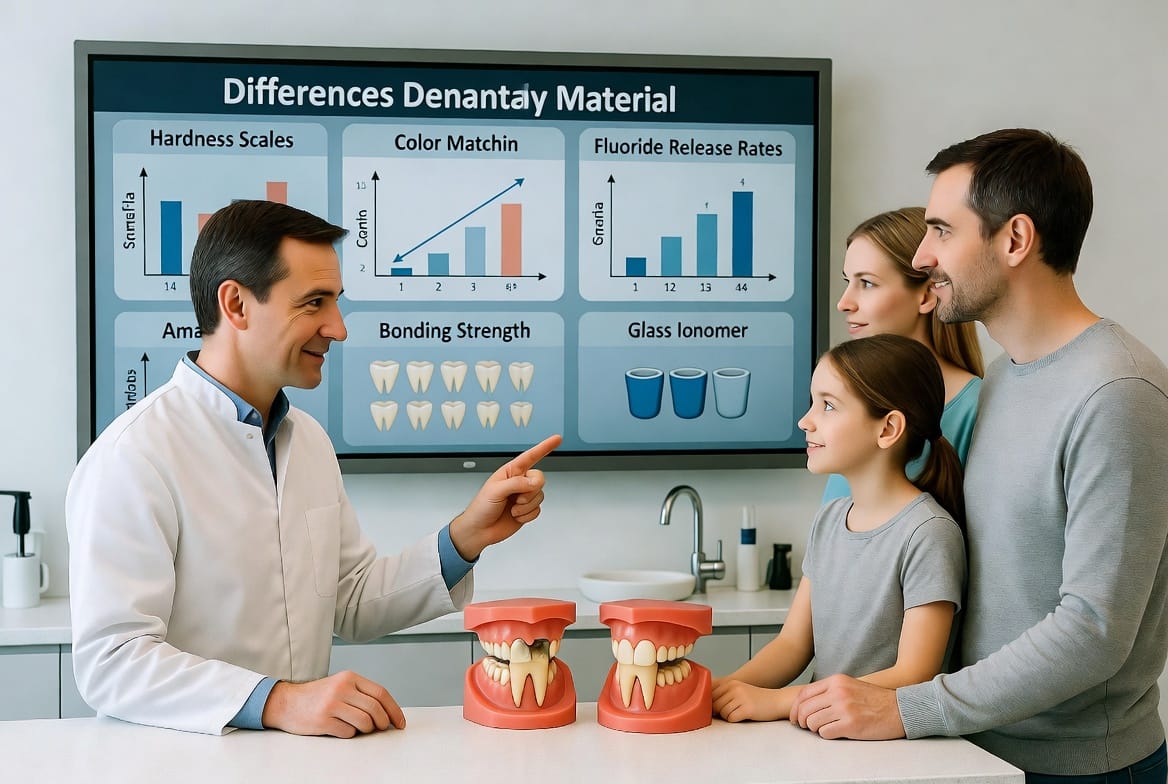
Selecting the right filling requires balancing several clinical factors. The following overview summarizes the most important differences so patients can discuss options knowledgeably.
- Durability and Strength
Amalgam leads in resistance to fracture and heavy chewing forces. Composite offers good strength for most everyday use but may require replacement sooner in high-stress areas. Glass ionomer provides the least wear resistance and is best reserved for lower-load locations. - Aesthetics
Composite delivers the most natural appearance and can be polished to a lifelike shine. Glass ionomer is tooth-colored yet more opaque. Amalgam remains clearly metallic and is therefore avoided in highly visible zones. - Fluoride Benefit
Only glass ionomer releases fluoride ions that strengthen adjacent tooth structure and help prevent secondary decay. Neither amalgam nor composite offers this chemical protection. - Technique Sensitivity
Composite demands precise moisture control and layering skill. Amalgam is more forgiving of mild contamination. Glass ionomer falls between the two and bonds chemically even in slightly moist environments. - Longevity Expectations
Properly maintained amalgam restorations frequently last a decade or more. Composite typically serves five to ten years. Glass ionomer may need earlier attention, especially in areas of heavy wear.
Factors That Influence the Final Recommendation
Every mouth is unique. A skilled clinician evaluates the size and location of the cavity, the patient’s age and medical history, aesthetic expectations, bite relationship, and risk of future decay. Cost considerations and insurance coverage may also play a role, although the primary goal remains the health and longevity of the tooth.
Children often benefit from glass ionomer because of the fluoride release and the gentle nature of the material. Adults seeking invisible restorations in the smile zone typically prefer composite. Patients with large posterior cavities and heavy occlusal forces may still receive amalgam for its proven resilience. In many cases a combination approach is used—glass ionomer as a base for its protective qualities, followed by a composite or amalgam surface layer.
Open conversation during the examination allows the dental team to explain the rationale behind each suggestion. Patients are encouraged to ask questions about longevity, maintenance, and any personal preferences. This collaborative process reduces anxiety and increases satisfaction with the final result.
The Placement Process: What to Expect
Regardless of material, the clinical steps follow a similar sequence designed for comfort and precision. Local anesthesia ensures the area is completely numb. The decayed tissue is carefully removed with rotary instruments or hand tools, and the cavity is shaped to retain the chosen filling. Isolation with a rubber dam or cotton rolls keeps the field clean and dry when required.
For amalgam, the material is mixed, condensed into the preparation, and carved to restore proper anatomy and bite. Composite is placed in incremental layers, each cured with light, then contoured and polished. Glass ionomer is mixed to a creamy consistency, adapted into the cavity, and allowed to set chemically; a protective coating may be applied afterward.
Most appointments last between thirty and sixty minutes depending on the size and number of restorations. Mild sensitivity or a slightly high bite can occur afterward and is usually resolved with a brief adjustment visit if needed. Patients leave with clear after-care instructions: avoid extremely hard or sticky foods for the first day, maintain gentle brushing and flossing, and return for routine examinations so the restoration can be monitored.
Long-Term Care and Maintenance
A filling is only as successful as the daily habits that protect it. Consistent brushing with fluoride toothpaste, daily interdental cleaning, and a diet limited in frequent sugar exposure all extend the life of any restoration. Professional cleanings and examinations every six months allow early detection of wear, marginal breakdown, or new decay so that small problems can be addressed before they become larger ones.
Patients who grind their teeth may benefit from a night guard to reduce excessive forces on both natural teeth and restorations. Those with a history of frequent cavities may receive additional fluoride treatments or dietary counseling. With attentive care, modern fillings provide reliable service for many years and help preserve the natural dentition far into the future.
Addressing Common Concerns with Confidence
Some individuals worry that any filling will eventually fail or that certain materials carry unacceptable risks. While no restoration lasts forever, contemporary materials and techniques have dramatically improved outcomes. Mercury in amalgam is tightly bound once the material sets, and regulatory bodies continue to affirm its safety for appropriate patients. Composite and glass ionomer contain no mercury and offer excellent biocompatibility for the vast majority of people.
Sensitivity after placement is typically temporary and diminishes as the tooth recovers. Allergic reactions are rare but can be discussed and tested if a history of material sensitivity exists. The dental team’s role is to present accurate information, weigh the benefits against any individual concerns, and arrive at a plan that feels right for the patient.
Making the Choice That Fits Your Needs
The decision among amalgam, composite, and glass ionomer ultimately rests on a careful balance of strength, appearance, protective benefits, and clinical circumstances. No material is universally superior; each excels in specific situations. By understanding the unique properties outlined above, patients become active partners in their care rather than passive recipients of recommendations.
A thorough examination, clear explanation of findings, and discussion of personal priorities lead to the most successful result. Whether the priority is maximum durability in a back molar, an invisible restoration in the smile zone, or fluoride protection for a child’s developing teeth, an appropriate material exists.
Choose the right filling for your needs. A knowledgeable dental professional will evaluate your individual situation, answer every question, and help restore your smile with confidence and lasting quality. Healthy teeth support overall well-being, and the right restoration is a meaningful step toward that goal.
Find Your Perfect Filling Type – Call Now!