The Gutter Ice Dam Melting: Safe Methods for Winter
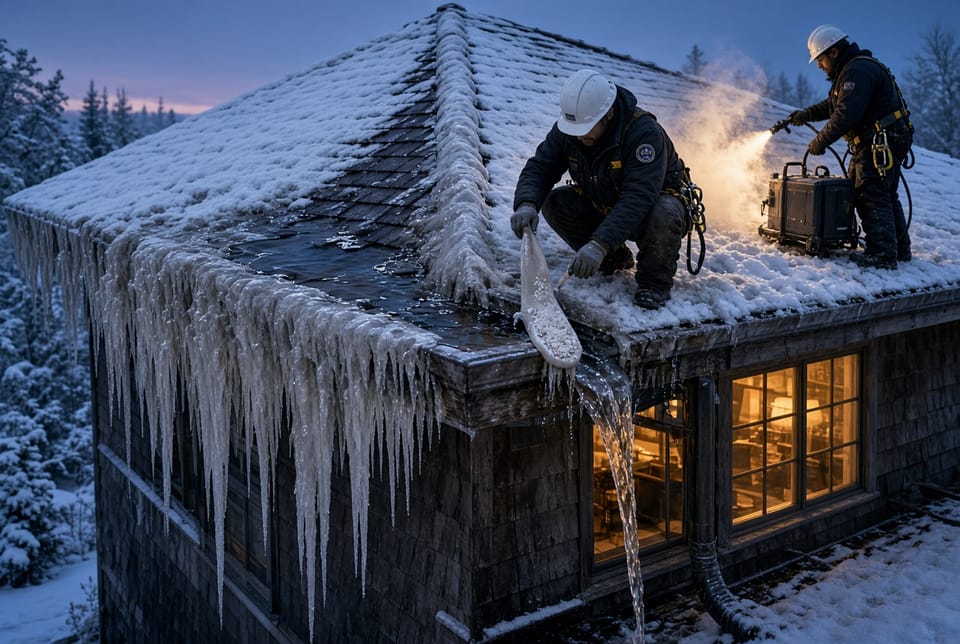
Winter does not always announce itself with a clean blanket of snow. Sometimes it announces itself with a ridge of ice that forms at the edge of the roof, locks water in the gutter, and quietly turns a normal freeze into a leak, stain, or structural risk. That ridge is an ice dam. The goal of this guide is simple and practical: explain how to melt gutter ice dams safely, which methods belong in a careful winter toolkit, which tactics cause more harm than they prevent, and how to reduce the chance the same dam returns after the next storm.
Protect Your Gutters This Winter – Call Today
This is not a race. Ice dams reward patience, the right heat source, and respect for shingles, flashing, fascia, and the people standing on slippery ground below. When in doubt, remove ice dams safely—and if the dam is already large, already leaking, or already hanging over a walkway, call for winter service at (866) 332-0659.
What an Ice Dam Really Is
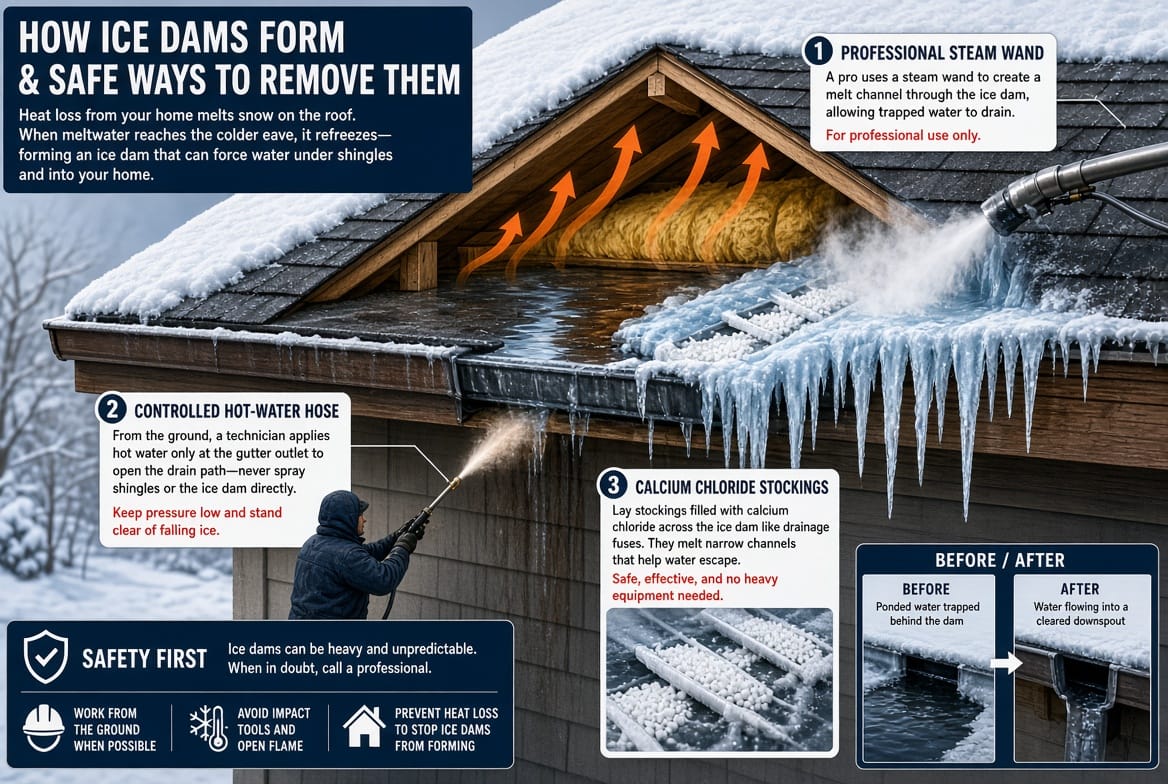
An ice dam is not “just extra ice in the gutter.” It is a freeze-thaw trap. Heat escaping from the living space or attic warms the upper roof deck. Snow on that warmer field melts. Meltwater runs downhill under the remaining snowpack until it reaches the colder eave and gutter, where the roof overhang is not heated by indoor air. There the water refreezes. Layer after layer, that freeze builds a barrier. New meltwater then ponds behind the barrier, works under shingles, soaks underlayment, stains ceilings, and can overflow the gutter in sheets of ice.
Gutters make the problem more visible and, in many homes, more stubborn. A loaded gutter holds water and slush at the exact cold edge where dams love to form. Frozen downspouts stop drainage. Ice expands. Fasteners strain. The fascia board stays wet. None of this means panic. It means the dam should be treated as a drainage problem first and a chiseling problem never.
Why “Safe” Matters More Than “Fast”
Homeowners often want the ice gone before the next overnight freeze. That urgency is understandable. It is also the moment when risky shortcuts appear: a hammer, a roof rake used like a pick, rock salt dumped in a metal gutter, or a pressure washer aimed at brittle shingles. Those moves can crack granules, lift tabs, puncture membranes, split wood, or send a slab of ice onto a person or vehicle.
Safe gutter ice dam melting has three rules:
- Open a drainage path so trapped water can leave.
- Use heat or melt agents that do not tear the roof system.
- Keep people off unstable ice and keep runoff from turning the walkway into a rink.
If those rules are followed, the dam does not have to vanish in one dramatic afternoon. It has to stop holding water.
How to Tell You Are Dealing With a Dam, Not Ordinary Roof Ice
Ordinary roof ice can look alarming and still be relatively harmless if water is draining. An ice dam usually shows a pattern:
- A thick ridge at the eave or inside the gutter line, often thicker than the ice higher on the slope.
- Icicles that keep growing even when the storm has passed.
- Water stains on interior ceilings near exterior walls, especially after sun or a mild day.
- Overflow at the gutter while snow remains on the upper roof.
- A downspout that is solid while the gutter trough is full.
Those signs mean meltwater is being held. The next step is method, not muscle.
Safe Method 1: Professional Steam
Steam is the method most roof and winter-service crews prefer on finished roofs because it melts ice with heat and moisture control, not impact. A steam machine feeds a wand or hose that delivers high-temperature vapor. The technician works from a stable position—often the ground, a secured ladder, or a carefully chosen roof point—and melts a channel through the dam so ponded water can escape into the gutter and downspout.
Steam is effective because ice does not have to be shattered. It is converted back to water in place. That matters on asphalt shingles, metal roofs, and older flashing, where a chisel can do permanent cosmetic and waterproofing damage in seconds.
Used correctly, steam also lets the technician choose the path: first a relief channel at the lowest point, then widening, then clearing the gutter trough and the top of the downspout. The work looks slow from the street. That slowness is the point. Sudden collapse of a heavy ice shelf is a safety hazard. Controlled melting is a service method, not a spectacle.
Homeowners should treat steam as a professional tool in most cases. The equipment is specialized, the roof is slick, and the operator must watch for hidden electrical lines, fragile skylights, and weak decking. If a dam is already leaking indoors, steam is often the fastest safe way to stop the backup without opening the roof.
Safe Method 2: Hot Water From a Hose — With Strict Limits
A hot-water hose can melt a channel when the dam is modest, access is good from the ground, and temperatures are not instantly refreezing every drop. The idea is the same as steam on a smaller scale: create an escape route, do not blast the entire roof.
Use this method only with discipline:
- Work from a stable, salted or sanded surface, never from an icy deck you just created.
- Start at the lowest edge of the dam or the gutter outlet, not at the peak.
- Aim for a narrow channel, not a flood across the whole eave.
- Keep water moving into the downspout or away from foundations and walkways.
- Stop if water is sheet-freezing behind you faster than you can drain it.
Hot water is not a pressure-washer substitute. High force drives water under shingles and into seams. Gentle heat and gravity are the tools. On a very cold night, hose water can also create a new glaze on steps and driveways. If that risk is high, this is the wrong day for a DIY hose and the right day for a crew with steam and site control.
A hose can help on a low ranch eave you can reach safely. It is a poor choice on a two-story ice shelf hanging over an entrance.
Safe Method 3: Calcium Chloride in Pantyhose
The calcium chloride in pantyhose method is a classic, low-impact way to cut drainage slots through a dam when you cannot or should not get on the roof. Calcium chloride generates heat as it dissolves and is generally more effective in deep cold than ordinary rock salt. The pantyhose (or a similar mesh stocking) is simply a container that holds the pellets in a line so they sit on the ice instead of scattering into landscaping.
The method works like this in principle: fill the stocking, tie it, and lay it across the dam and toward the gutter or eave edge so melting creates a groove. Water follows the groove, pressure behind the dam drops, and overflow risk falls. Several stockings can be placed a few feet apart if the dam is long.
Handle this method as chemistry, not as a dump-and-hope trick:
- Use calcium chloride, not random driveway blends full of additives you cannot identify.
- Keep pellets off fresh concrete, ornamental plants, and bare metal as much as possible.
- Do not pack melt chemicals into a gutter the way you would pack a snowblower chute. The goal is a channel, not a chemical bath for every fastener.
- Wear gloves. Keep pets and children away from treated ice and runoff.
- Follow up by clearing the opened path so slush does not refreeze into a new plug.
This approach will not always erase a massive dam in an hour. It will often relieve the ponding that causes interior drips, which is the urgent problem.
What to Avoid: The Damage List
Knowing the safe methods is only half the winter skill. The other half is refusing the tactics that look decisive and then show up later as a roofing invoice.
Do Not Chisel, Chop, or Chip the Dam
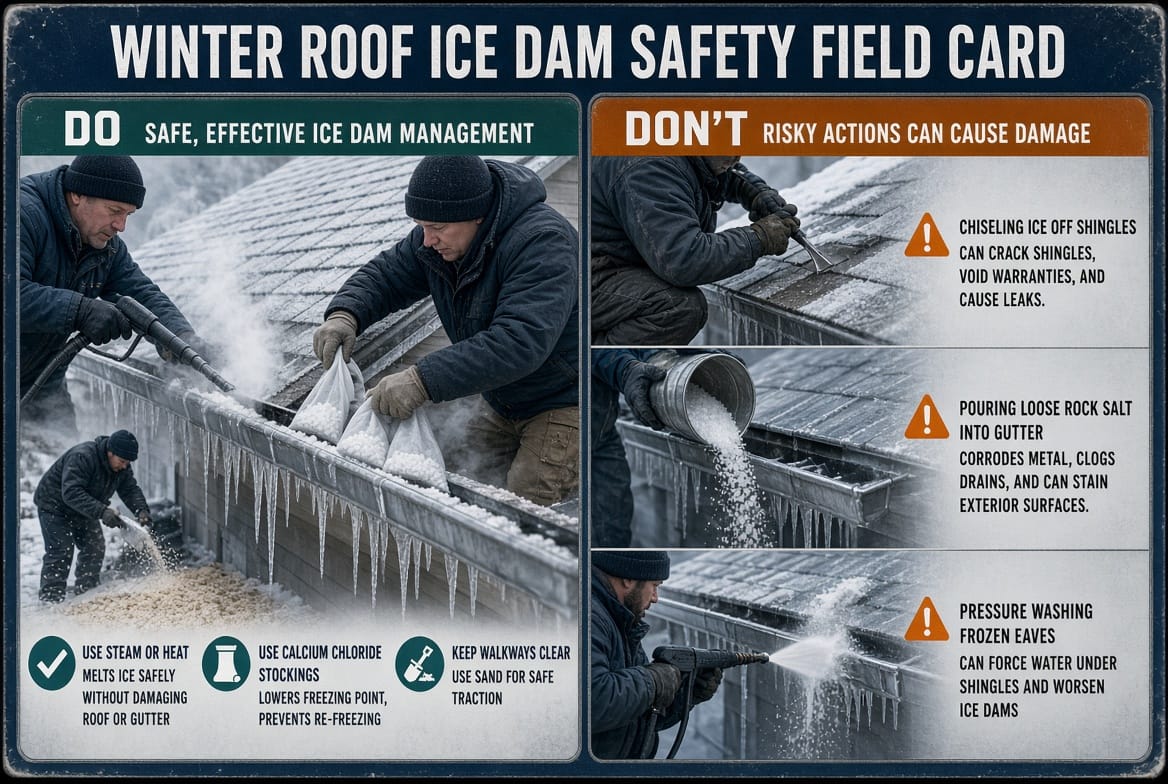
Chiseling is the most common expensive mistake. Ice bonds to shingles and metal. A hatchet, ice pick, shovel corner, or screwdriver does not “pop the dam off.” It gouges granules, slices tabs, bends standing seams, and can crack the gutter bead. Even a small puncture at the eave becomes a leak path the next time snow melts. If you can hear a sharp impact, you are no longer melting. You are demolishing.
Do Not Treat the Roof Like a Sidewalk Full of Salt
Salt on a roof or in a finished gutter is a blunt instrument. Sodium chloride is slower in deep cold, can corrode metal, and leaves residue that tracks onto plants and concrete. Dumping bags of salt into a trough also does not create a designed channel; it creates a corrosive slush that sits against nails and hangers. If a melt agent is used at all, calcium chloride in a contained stocking is the more controlled option—and even that is a temporary relief tool, not a weekly roof diet.
Do Not Use a Pressure Washer
A pressure washer combines water volume with force. On winter shingles that force finds every lifted edge. Water driven upslope can soak the deck, wet the insulation, and freeze overnight in places you cannot see. Pressure washers also kick ice chunks unpredictably. There is no responsible version of “just a light pass” on a frozen eave. Leave the washer in the garage until spring cleaning.
Other Tactics That Belong on the Don’t List
- Standing on the dam or walking the icy eave to “inspect it up close.”
- Open flame, heat guns pressed against shingles, or improvised torches.
- Roof rakes used as chopping tools instead of as gentle snow-removal tools higher on the slope.
- Blocking the downspout on purpose “so heat stays in the gutter.” Trapped water is the enemy.
Avoiding these mistakes is not timid. It is how the roof survives the rest of winter.
A Practical Order of Operations
When a dam appears, work in sequence rather than attacking the most visible ice first.
- Protect people and property. Close off the drip line. Move cars. Put down sand, not a glossy water film, on walkways.
- Look for interior water. A ceiling stain means the dam is already winning and professional help should move up the list.
- Clear the outlet if you can do it from the ground. A frozen downspout turns every melt method into a bathtub.
- Open one channel. Steam, limited hot water, or calcium-chloride stockings—choose based on access and temperature.
- Let water leave. Watch the path. Confirm the gutter can discharge.
- Stop when the ponding stops. You do not need a perfectly dry, ice-free eave on day one. You need drainage.
- Plan prevention before the next storm, not during it.
This order keeps the work aligned with physics. Ice dams are gravity plus temperature. Your methods should serve both.
Long-Term Prevention: Make the Roof Colder Where Snow Should Stay Frozen
Melting a dam is incident response. Prevention is building science. The most reliable long-term strategy is to keep the roof deck cold and even so snow does not melt high and refreeze at the gutter.
Insulation and Air Sealing
Warm air leaking into the attic is the hidden engine of many dams. Recessed lights, attic hatches, bath fans, plumbing stacks, and partition walls can all bleed heat. Sealing those leaks and bringing attic insulation to a continuous, adequate level reduces the melt-refreeze cycle. The eave stays closer to outdoor temperature. Snow stays snow longer. Water is not manufactured on the upper slope.
Ventilation That Actually Moves Air
Insulation without airflow can still trap heat against the sheathing. Soffit intake and ridge or high exhaust only work if baffles keep insulation from choking the eave vents. A balanced attic is a cold attic in winter, and a cold attic is one of the best ice-dam defenses a house can have.
Gutter and Downspout Readiness
Gutters do not cause every dam, but a clogged system makes every dam worse. Before hard winter:
- Remove leaves and shingle grit so water has a path.
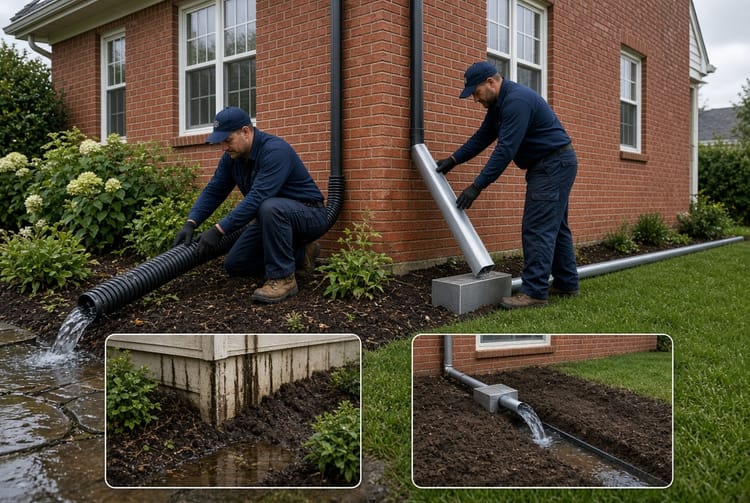
- Confirm downspouts discharge away from foundations.
- Repair separated joints and hanging sections that sag and hold slush.
- Keep the first few feet of discharge free of ice mounds that back water up.
A clean gutter will not repeal the laws of heat loss. It will stop the gutter from becoming a storage tray for freeze.
Snow Management Higher on the Roof
Where snow loads are deep and access is safe from the ground, a roof rake can remove snow on the lower slope before it becomes meltwater. The rake is for snow, not for chopping ice at the dam line. Leave a buffer so the rake does not scrape shingles. On steep or high roofs, raking is a professional task.
Heat Cables as a Targeted Tool, Not a Cure-All
Electric heat cables can maintain a zigzag melt path at problem eaves and into downspouts. They are useful on chronic spots: north-facing valleys, shallow slopes, or additions with poor attic access. They are not a substitute for insulation. Used alone on a hot attic, cables can become an expensive way to melt water that should never have formed.
Design Details That Quietly Help
Ice and water shield at the eave, sound flashing, and a drip edge that throws water into the gutter instead of behind it will not stop a dam from forming, but they reduce the chance that a short dam becomes an interior flood. Prevention is layered: heat control first, water-shedding second, melting tools last.
When Safe DIY Ends and Winter Service Begins
There is a point where the reassuring homeowner method becomes an unsafe project. Call for help when:
- The dam hangs over an entrance, play area, or parked car.
- Water is already inside the house.
- The roof is steep, high, covered in ice glaze, or fitted with fragile coverings.
- The downspout is a solid core and the trough is overflowing.
- You would need to climb onto frozen shingles to place melt socks or aim water.
- Yesterday’s channel refroze into a thicker shelf.
A trained winter crew brings steam, fall protection, and a plan for runoff. That combination is what “safe” looks like when the ice is no longer a thin crust.
Remove ice dams safely. If the dam is growing, leaking, or blocking the gutter line, call for winter service at (866) 332-0659. A short, controlled melt today is cheaper than a stained ceiling, a split gutter, or a shingle field that was chopped in frustration.
Reassurance Without Wishful Thinking
Ice dams feel like a verdict on the house. They are usually a seasonal conversation between heat, snow, and the cold eave. Most dams can be relieved without violence to the roof. Steam opens a path. A cautious hose can help on small, reachable clogs. Calcium chloride in pantyhose can cut channels when you stay on the ground and contain the product. Chisels, loose salt dumps, and pressure washers belong off the list because they trade a visible chunk of ice for hidden damage.
After the channel is open, turn the same attention to the attic, the vents, and the gutter path. That is how winter stops repeating the same emergency. Until then, treat every dam as water that needs an exit—not as ice that needs a fight.
Get Professional Winter Gutter Help – Call Now