The Gutter Downspout Extensions: Rigid vs. Flexible Options
When heavy rain pounds your roof, your gutter system works hard to channel water away from your home. But without proper downspout extensions, that water can pool dangerously close to your foundation, leading to costly issues like basement flooding, soil erosion, and structural damage.
Choose the Right Downspout Extension – Call Now for Expert Help
Downspout extensions are essential upgrades that direct rainwater farther from your house. Today, homeowners face a key choice: rigid extensions or flexible extensions. Both solve the same problem but in different ways. This comprehensive guide compares the two, helping you select the best option for your property.
Rigid extensions offer strength and permanence. Flexible extensions provide adaptability and ease. Understanding their differences ensures you make a confident, informed decision that safeguards your investment.
Why Downspout Extensions Matter for Home Protection
Water management is critical for any home. Without extensions, downspouts often release water just a few feet from the foundation. Over time, this saturation weakens soil support, invites mold, and increases repair expenses.
Key risks of inadequate extensions include:
- Foundation cracks from repeated water pressure
- Basement leaks and moisture intrusion
- Landscape damage and uneven yard settling
- Higher insurance claims related to water damage
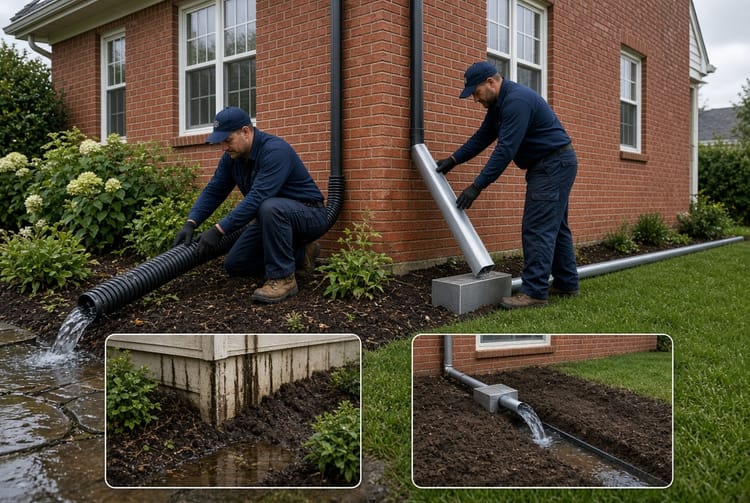
Proper downspout extensions mitigate these risks by carrying water at least 5–10 feet away, ideally into absorbent garden areas or drainage systems. Choosing between rigid and flexible types depends on your yard layout, climate, and long-term maintenance preferences.
Understanding Rigid Downspout Extensions
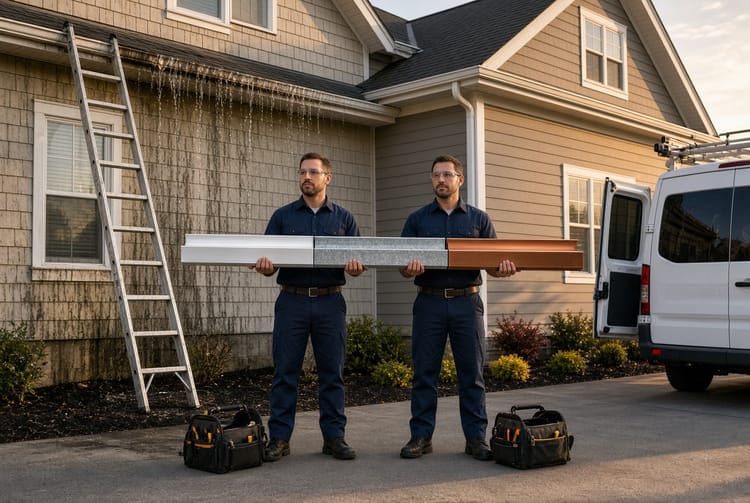
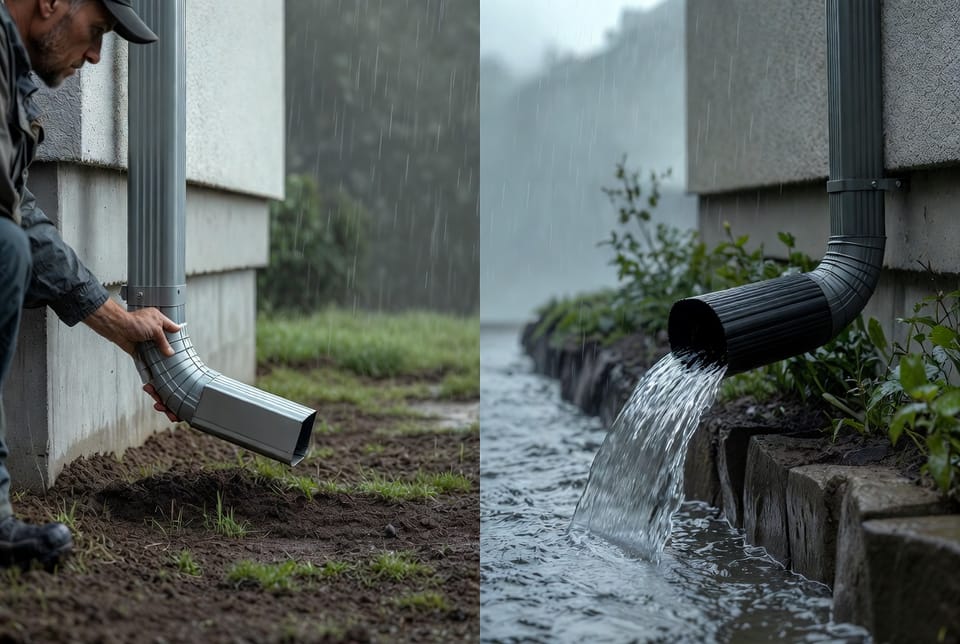
Rigid downspout extensions are solid, fixed-length pipes typically made from metal (aluminum, galvanized steel, or copper) or PVC plastic. They attach securely to your existing downspout and maintain a consistent shape and direction.
These extensions excel in durability. Metal versions resist impacts from lawn equipment, while PVC offers lightweight corrosion resistance. Installation usually involves simple connectors, screws, or crimping tools for a permanent setup.
Benefits of Rigid Extensions
- Superior durability — Withstand weather extremes, foot traffic, and yard work without collapsing
- Clean, streamlined appearance — Blend seamlessly with home architecture
- Excellent long-term water flow — Maintain consistent drainage even during heavy storms
- Low maintenance — Rarely need adjustment once installed correctly
Rigid options shine in areas with heavy rainfall, frozen winters, or formal landscaping where a fixed solution fits the aesthetic.
Common Applications for Rigid Extensions
- Homes with sloped yards needing precise water direction
- Properties in high-wind or hail-prone regions
- Permanent installations where aesthetics matter
- Commercial or multi-family buildings requiring robust solutions
Homeowners often pair rigid extensions with splash blocks or underground drain connections for maximum effectiveness.
Exploring Flexible Downspout Extensions
Flexible downspout extensions use roll-out designs, accordion-style vinyl, or expandable tubing. They stretch from a compact stored position to extended lengths, often up to 12–25 feet or more.
Their biggest advantage is portability. You can easily move or roll them up when mowing the lawn, hosting events, or adjusting landscaping. Vinyl and fabric-reinforced materials offer good flexibility without sacrificing basic functionality.
Benefits of Flexible Extensions
- Easy repositioning — Ideal for frequently changing yard uses
- Quick installation — Often slides on with no tools required
- Affordable entry point — Budget-friendly for temporary or seasonal needs
- Space-saving storage — Rolls up neatly when not in use
Flexible extensions work well in dynamic environments but require more frequent checks for kinks or wear.
Common Applications for Flexible Extensions
- Rental properties or homes with active outdoor spaces
- Gardens or flower beds where extension placement shifts seasonally
- DIY homeowners seeking simple, no-permanent-commitment solutions
- Areas with minimal foot traffic where occasional movement is practical
Head-to-Head Comparison: Rigid vs. Flexible
Both types effectively divert water, but they differ significantly in performance, longevity, and suitability.
Durability and Longevity
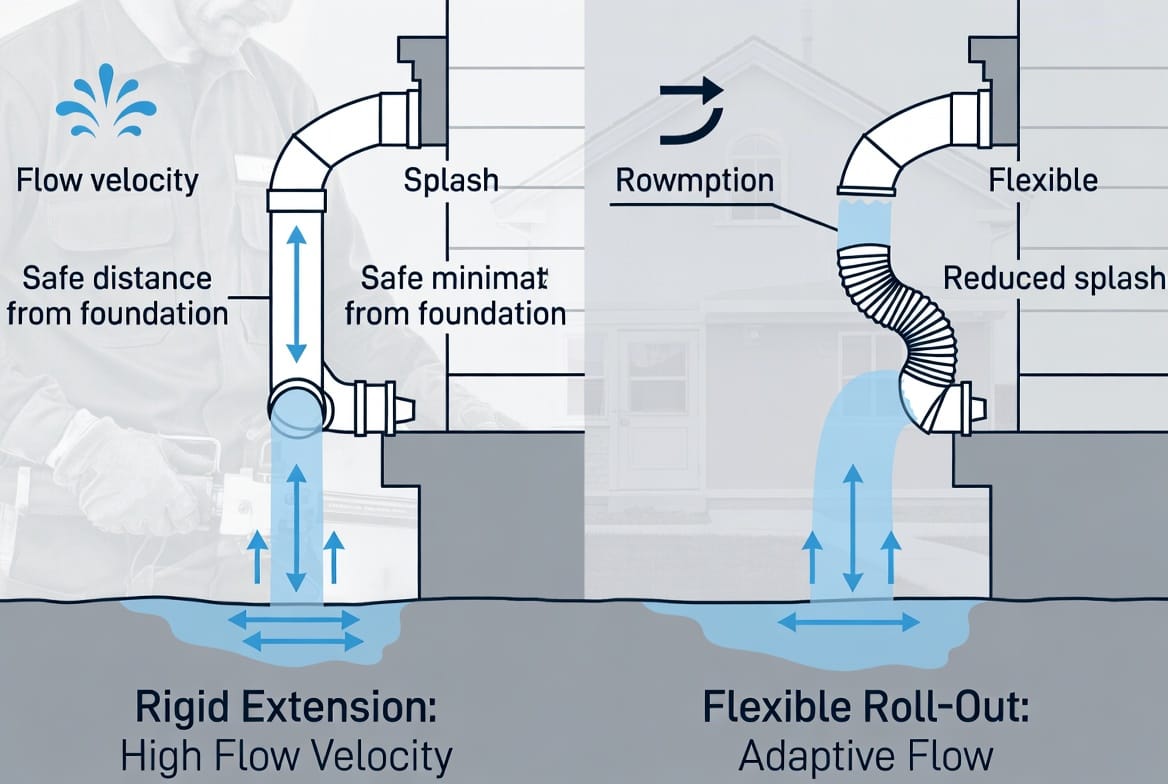
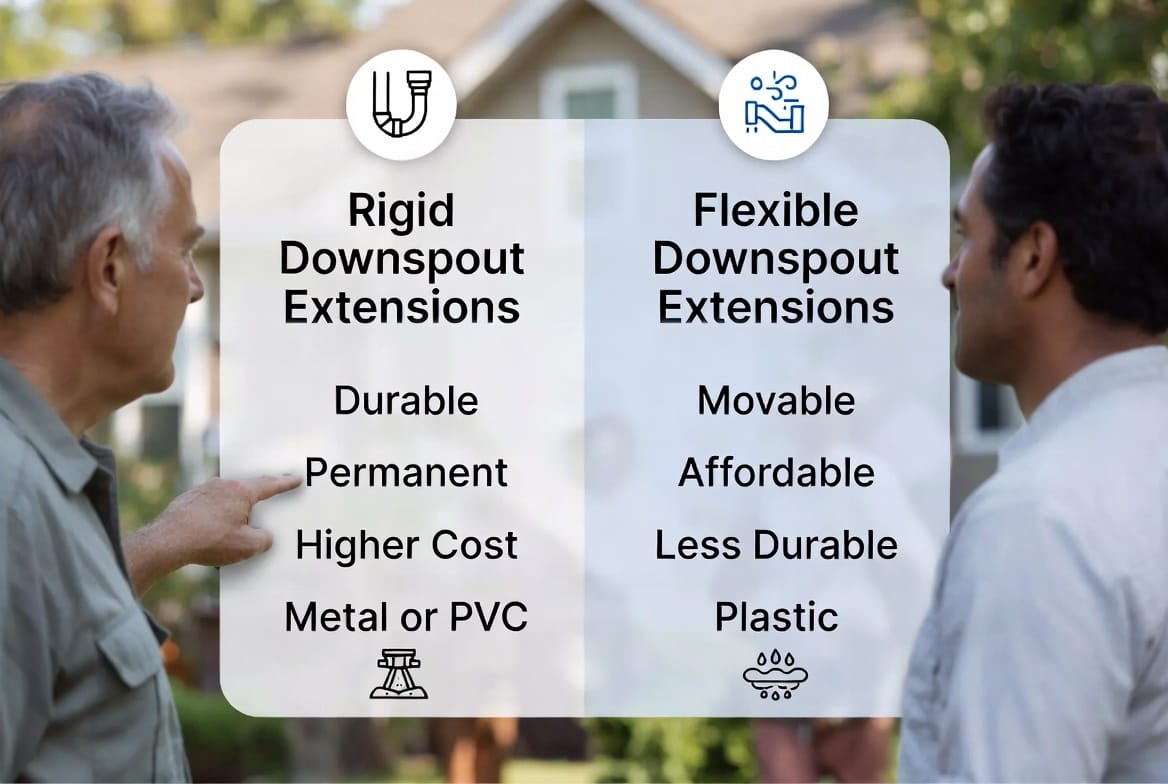
Rigid extensions generally last 10–20+ years with minimal degradation. Metal resists punctures; quality PVC withstands UV exposure when properly rated.
Flexible extensions typically serve 3–8 years before material fatigue, cracking, or seam separation appears, especially in sun-heavy climates.
Installation and Maintenance
Rigid setups may need basic tools and occasional cleaning but stay put. Flexible ones install in minutes and move easily but can kink, clog with debris, or shift during storms, requiring more hands-on attention.
Cost Considerations
- Rigid: Higher upfront cost but better long-term value due to durability
- Flexible: Lower initial investment, suitable for testing solutions before committing
Factors to Consider When Choosing Your Extension
Evaluate these elements before purchasing:
- Local climate — Harsh winters favor rigid for freeze resistance
- Yard usage — High activity levels suit flexible mobility
- Aesthetic preferences — Rigid offers a polished, integrated look
- Budget and timeline — Balance immediate needs with long-term savings
- Foundation vulnerability — Severe drainage issues warrant the most durable rigid solutions
Consulting a professional ensures the chosen extension matches your specific home and soil conditions.
Installation Tips for Optimal Performance
Proper installation maximizes effectiveness for either type:
- Position the outlet on permeable soil or away from concrete slabs
- Secure connections tightly to prevent leaks at joints
- Bury the end slightly or use a splash block for erosion control
- Maintain a slight downward slope for smooth flow
- Inspect after major storms for any shifts or damage
For rigid installations, ensure proper sealing. With flexible, avoid sharp bends that restrict flow.
Maintenance Best Practices
Regular care extends the life of your gutter downspout extensions:
- Clear debris from gutters and extensions seasonally
- Check for proper alignment and secure attachments
- Hose out flexible tubes to prevent clogs
- Inspect rigid pipes for dents or corrosion
- Adjust flexible extensions as needed for lawn care
These simple steps keep water moving safely away from your home year-round.
Real-World Performance Insights
In practice, many homeowners start with flexible extensions for quick relief and later upgrade to rigid for permanence. Others in stable landscapes install rigid systems immediately for peace of mind.
Rigid extensions deliver reliable protection in demanding conditions. Flexible extensions offer convenient versatility where adaptability matters most. The right choice depends on balancing your property's unique demands.
Protecting Your Foundation Starts with Smart Choices
Effective water diversion is one of the smartest, most cost-effective ways to maintain your home’s structural integrity. Whether you select durable rigid downspout extensions for long-term strength or convenient flexible options for easy movement, taking action prevents expensive future repairs.
Extend water far from your foundation today. Professional downspout solutions ensure reliable performance tailored to your needs.
Call our experts for personalized recommendations, quality products, and expert installation that gives you confidence during every rainstorm.
Your home deserves the best protection. Make the smart choice with the right gutter downspout extension — rigid or flexible — and enjoy drier, safer living for years to come.
Protect Your Foundation Today – Call Now