The Gutter Downspout Elbow Replacement: Fixing Damaged Corners
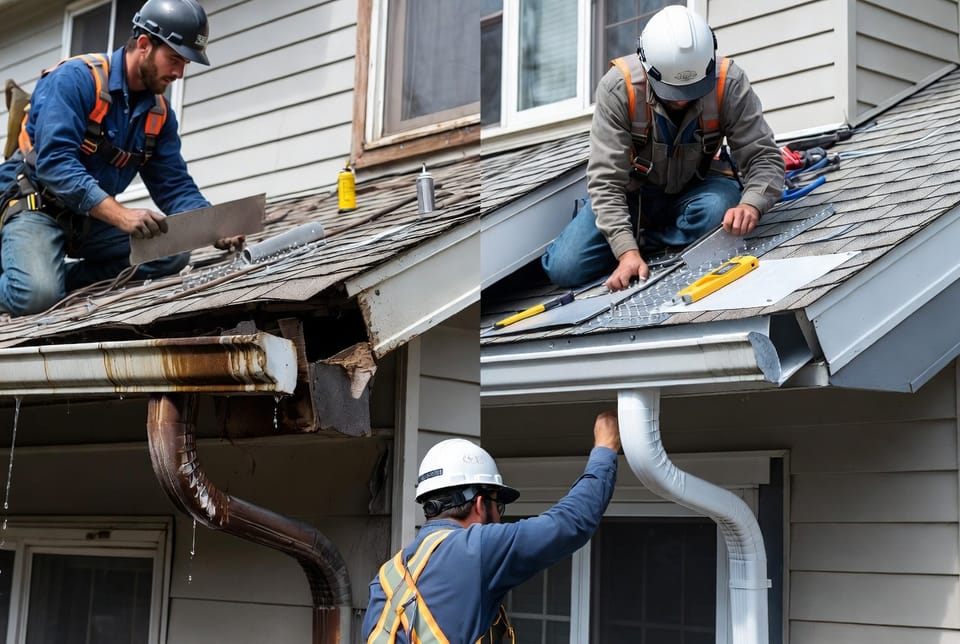
A well-functioning gutter system is one of the most important defenses a home has against water damage. At the heart of that system are the downspout elbows—the critical bends that guide rainwater safely away from the foundation, landscaping, and siding. When these elbows become damaged, the entire drainage path can fail. The good news is that downspout elbow replacement is a straightforward, highly effective repair that restores proper water flow and prevents costly problems. This guide explains exactly how elbows get damaged, how to recognize the warning signs, and the precise steps professionals use to replace them correctly.
Fix Damaged Downspout Elbows Today – Call Now!
Why Downspout Elbows Matter
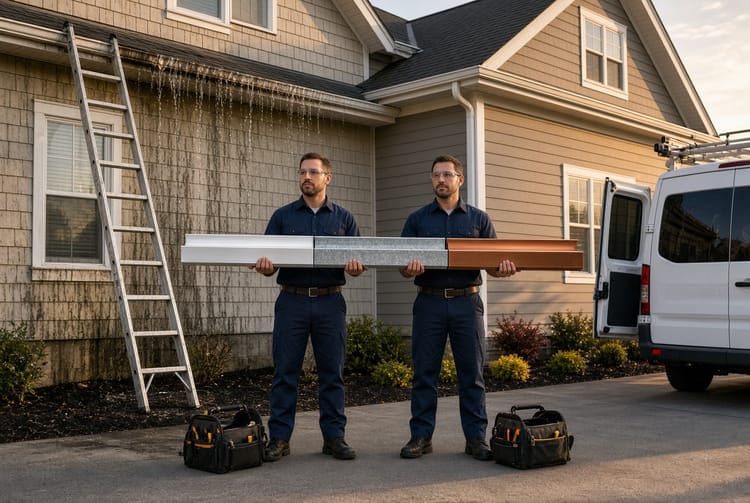
Downspout elbows, sometimes called gutter elbows or downspout bends, change the direction of water as it travels from the horizontal gutter trough into the vertical downspout and finally out onto the ground or into a drainage system. Most residential systems use 2-inch by 3-inch or 3-inch by 4-inch rectangular elbows, or round elbows in certain designs. These components must remain perfectly sealed and free of dents or cracks. When they are compromised, water can escape at the corner, pool against the foundation, or splash against the house walls.
Replacing a damaged elbow is far more economical than repairing foundation cracks, eroded soil, or rotting fascia later. Homeowners who address the issue promptly enjoy peace of mind knowing their property is protected through every heavy rain or winter freeze.
How Downspout Elbows Become Damaged
Several common forces slowly or suddenly destroy the integrity of these bends.
Ice expansion is one of the most frequent culprits in colder climates. When water freezes inside a partially blocked elbow, it expands with tremendous force, cracking seams or pushing joints apart. Repeated freeze-thaw cycles weaken the metal until leaks appear.
Falling branches and debris from storms deliver direct impact. A heavy limb striking a corner can crush or puncture the thin aluminum or steel of the elbow, creating immediate dents and holes.
Physical impact from ladders, landscaping equipment, or even children playing near the house can bend or knock an elbow out of alignment. Over time, vibration from wind or thermal expansion and contraction loosens fasteners, allowing the joint to separate.
Corrosion and rust develop when protective coatings wear away. Moisture trapped against the metal, especially in coastal or high-humidity areas, accelerates deterioration until the elbow develops pinhole leaks or complete section failure.
Understanding these causes helps homeowners stay vigilant and schedule timely gutter repair before minor damage becomes a major issue.
Clear Signs That an Elbow Needs Replacement
Recognizing problems early is the key to avoiding expensive secondary damage. Watch for these unmistakable indicators:
- Visible leaks at the corner joint during or after rainfall
- Dents, creases, or crushed sections that restrict water flow
- Rust streaks, holes, or peeling paint on the metal surface
- Improper water flow such as water spraying sideways, overflowing the elbow, or dripping straight down the wall
- Gaps or separation between the elbow and the connecting downspout or gutter outlet
- Water staining on the foundation, siding, or nearby landscaping that appears only near the corner
Any one of these signs is sufficient reason to inspect the elbow closely. Multiple signs almost always mean full replacement is the most reliable solution.
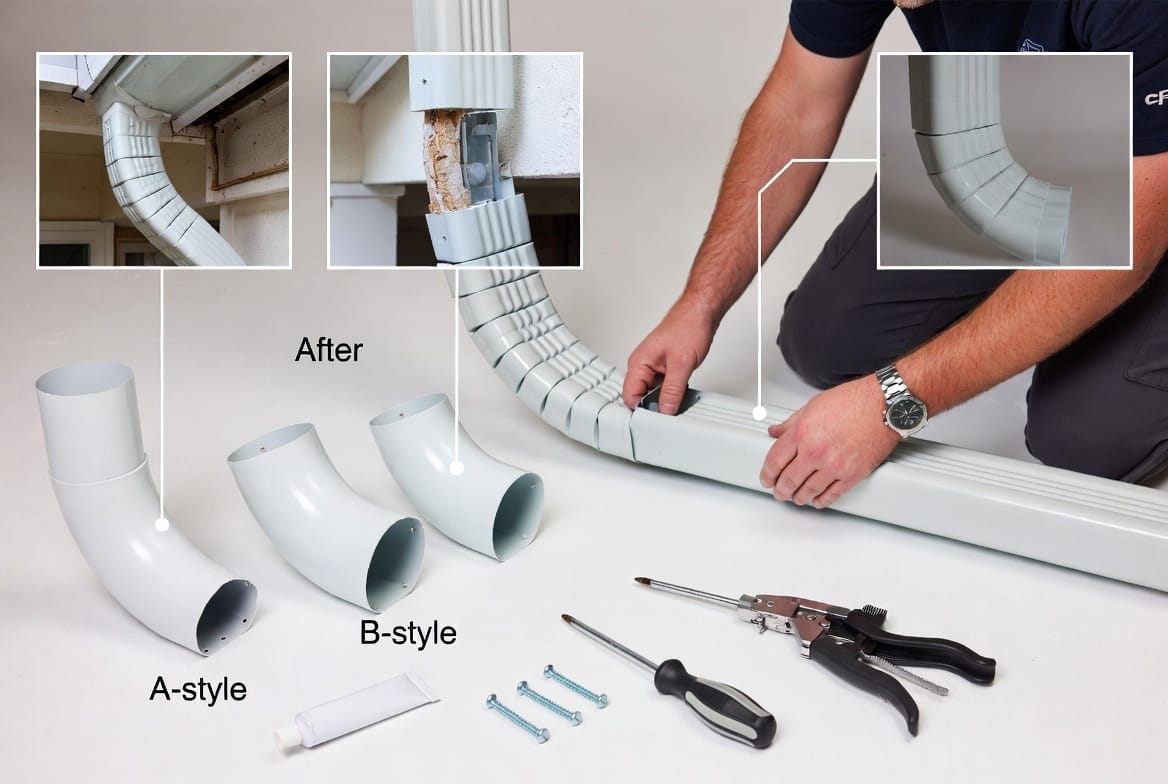
Step-by-Step Professional Replacement Process
When a damaged elbow is identified, trained technicians follow a proven sequence that guarantees a secure, leak-free result.
1. Safety and Preparation
The work area is cleared of obstacles. Ladders are properly secured, and personal protective equipment is worn. The existing water flow path is examined to confirm the exact elbow size and style needed for a perfect match.
2. Removing the Damaged Elbow
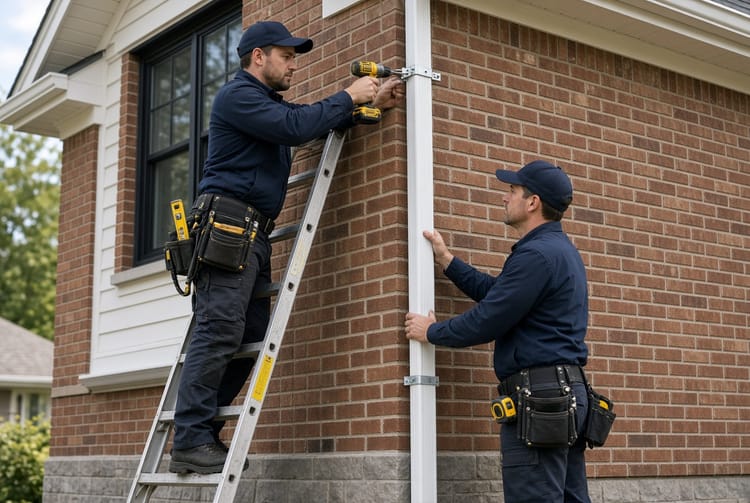
Fasteners—whether screws, rivets, or pop-rivets—are carefully drilled out or unscrewed. The old elbow is gently twisted and pulled free. Any remaining sealant or debris is cleaned from the connecting ends of the downspout and gutter outlet so the new piece seats cleanly.
3. Selecting and Fitting the New Elbow
A matching replacement elbow of the same material (usually aluminum or galvanized steel) and gauge is chosen. The technician dry-fits the new elbow, adjusting the angle if an adjustable style is used, until the alignment is perfect and water will travel smoothly without restriction.
4. Securing the Connection
Once the fit is confirmed, the elbow is fastened using stainless-steel screws or rivets for maximum strength and corrosion resistance. High-quality exterior-grade sealant is applied along every seam to create a permanent waterproof barrier. Excess sealant is smoothed for a clean professional appearance.
5. Final Testing and Cleanup
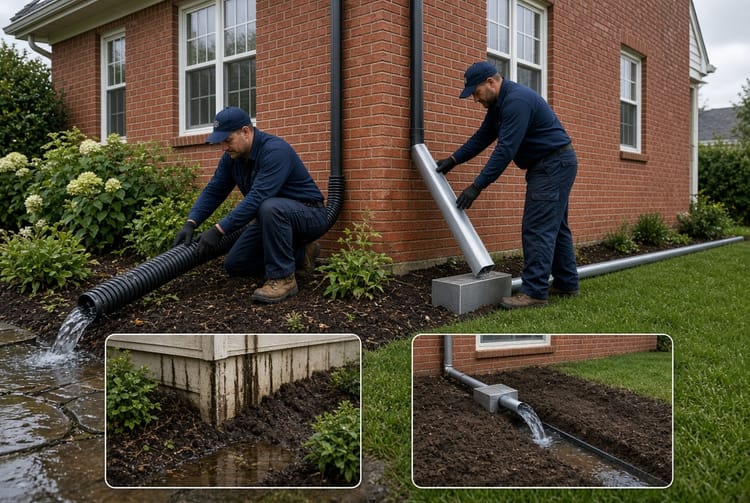
A controlled water test is performed to verify that water flows freely through the new elbow and exits exactly where intended. The surrounding area is cleaned, and the homeowner is shown the completed work.
This methodical approach typically takes less than an hour for a single elbow yet delivers decades of reliable performance when done correctly.
Materials and Tools Used for Lasting Results
Professional downspout elbow replacement relies on durable materials chosen specifically for outdoor exposure:
- Heavy-gauge aluminum or steel elbows that match the existing system
- Stainless-steel or coated fasteners that resist rust
- Flexible yet tough exterior sealants rated for temperature extremes
- Precision cutting tools and measuring equipment for exact fits
Using inferior materials or improper fasteners is one of the most common reasons DIY repairs fail within a season or two. Professional-grade components eliminate that risk.
Benefits of Prompt Elbow Replacement
Addressing a damaged elbow quickly produces immediate and long-term advantages:
- Restores full water-carrying capacity of the downspout system
- Prevents foundation erosion and basement moisture problems
- Stops water from staining or rotting siding and fascia
- Protects landscaping and walkways from constant saturation
- Extends the overall lifespan of the entire gutter system
- Maintains the home’s curb appeal and structural integrity
Homeowners who act at the first sign of trouble avoid the far higher cost of foundation repair, mold remediation, or complete gutter replacement later.
Common Mistakes to Avoid
Even well-intentioned homeowners sometimes create new problems while attempting a repair. Avoid these pitfalls:
- Using the wrong size or style of elbow, which restricts flow or creates new leak points
- Relying solely on sealant without mechanical fasteners
- Failing to clean old debris and corrosion before installing the new piece
- Installing an elbow at an incorrect angle that forces water against the house
- Overlooking upstream clogs that caused the original damage
Professional technicians eliminate these errors through experience and the right equipment.
When to Call for Expert Help
While a single accessible elbow may appear simple, many situations require professional skill:
- Multi-story homes where ladder work becomes hazardous
- Elbows that are tightly integrated with custom miters or decorative elements
- Systems that also show signs of broader deterioration
- Homeowners who prefer a warranty-backed, permanent solution
A quick phone call brings trained specialists who arrive with the exact parts and tools needed for a same-day repair in most cases.
Maintaining Your Downspout Elbows After Replacement
Once the new elbow is in place, a few simple habits keep it performing at its best:
- Clean gutters and downspouts at least twice a year to prevent debris buildup
- Inspect corners after major storms for new impact damage
- Ensure downspout extensions carry water at least four to six feet from the foundation
- Schedule an annual professional inspection to catch emerging issues early
These practices multiply the value of the recent replacement and keep the entire drainage system operating efficiently for years.
The Cost of Waiting Versus Acting Now
Leaving a damaged elbow unrepaired invites progressive harm. Water that escapes at the corner can undermine soil support, create ice dams in winter, or saturate wall cavities. The eventual repair bill for those secondary problems often exceeds the modest cost of timely elbow replacement by a wide margin. Acting promptly is both the smartest and the most economical decision.
Final Thoughts and Next Steps
Damaged downspout elbows are a common yet completely solvable problem. By recognizing the causes, watching for the clear warning signs, and following a precise replacement process, homeowners can eliminate leaks, protect their foundation, and restore reliable water management around their property. The repair itself is quick, the materials are durable, and the results are immediately noticeable.
Replace damaged downspout elbows before the next heavy rain turns a small issue into a larger one. Professional gutter repair specialists are ready to help with fast, high-quality service that includes exact matching parts, secure fastening, and thorough testing.
A single conversation can schedule a convenient appointment and return your drainage system to peak condition. Protect your home the smart way—address the damaged corners today and enjoy lasting peace of mind through every season.
Professional Elbow Replacement – Call Today!