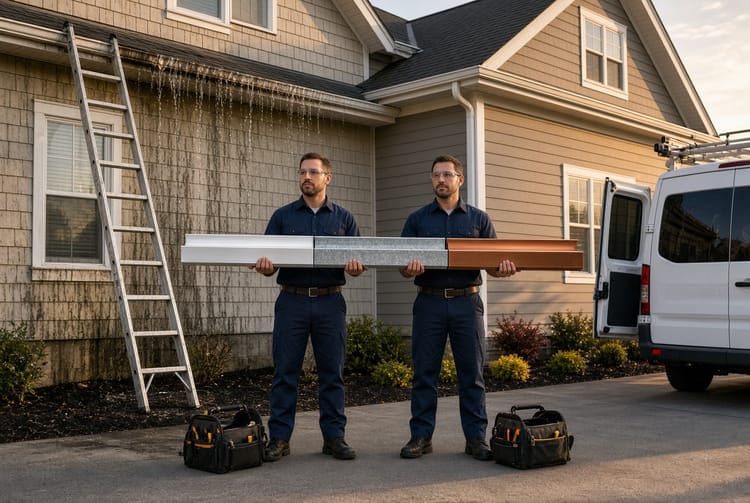
The Gutter Downspout Drain: Extending Water Away from Foundation
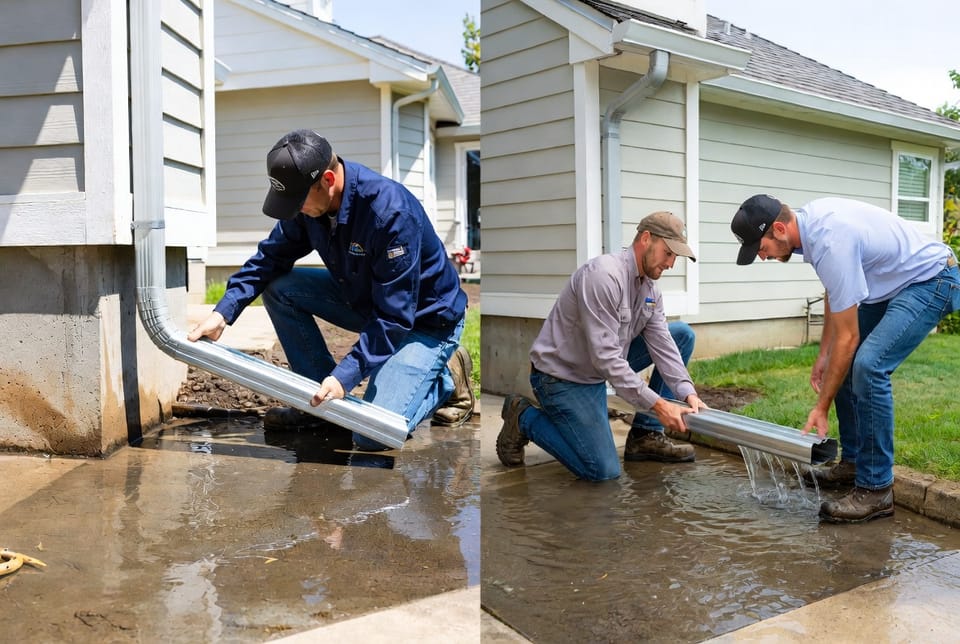
A properly functioning gutter downspout drain is one of the most critical yet often overlooked elements of home protection. When rainwater is collected by your gutters, the real work begins at the downspout. If that water is not directed far enough away from the house, it can quietly undermine the very foundation that supports everything you own. Extending the water at least 5 to 10 feet from the foundation is not a minor upgrade—it is an essential safeguard against costly structural damage.
Protect Your Foundation Today – Call Now!
In this comprehensive guide you will discover exactly why downspout drainage matters, how far the water must travel, the most effective extension options available, and the clear warning signs that your current system is failing. Every recommendation is practical, proven, and designed to give homeowners lasting peace of mind.
Why Downspout Drainage Matters: Preventing Foundation Damage
Rainwater is powerful. A single inch of rain falling on a 1,000-square-foot roof can produce more than 600 gallons of water. Your gutters collect that volume, but if the downspouts dump it right beside the foundation, the soil becomes saturated. Saturated soil expands, exerts hydrostatic pressure against foundation walls, and eventually causes cracks, settling, and even basement flooding.
Foundation damage rarely happens overnight. It develops gradually as repeated cycles of wetting and drying weaken the soil support. Once the foundation begins to shift, repairs can reach tens of thousands of dollars. Proper downspout drainage interrupts this cycle by moving water far enough away that the soil near the house remains stable and dry.
Beyond the foundation itself, uncontrolled water can:
- Erode landscaping and create muddy pathways
- Promote mold growth in crawl spaces and basements
- Attract insects that thrive in damp environments
- Reduce the lifespan of siding, exterior paint, and wooden structures
Homeowners who invest in reliable gutter downspout drain solutions protect both their property value and their family’s comfort. The investment is modest compared with the cost of foundation repair, and the results are immediate and lasting.
How Far Should Water Be Extended from the Foundation?
Industry professionals and building codes consistently recommend directing water at least 5 to 10 feet away from the foundation. Five feet is the absolute minimum for most soils; ten feet or more is ideal, especially on properties with clay soil or poor natural drainage.
Why this distance? Water that lands closer than five feet can still migrate back toward the foundation through capillary action or surface slope. Extending the flow farther allows the water to disperse into the lawn or garden where it can be absorbed without harming the house. On sloping lots the distance may need to be increased further downhill so gravity continues to move water away rather than toward the structure.
When planning the extension, consider:
- The natural grade of the property
- Existing landscaping and hardscape features
- Local rainfall intensity and soil type
- Any underground utilities that must be avoided
A well-designed system looks clean, functions quietly, and requires almost no maintenance once installed. The goal is simple: every drop of water that leaves the downspout should travel a safe distance before it touches the ground near the house.
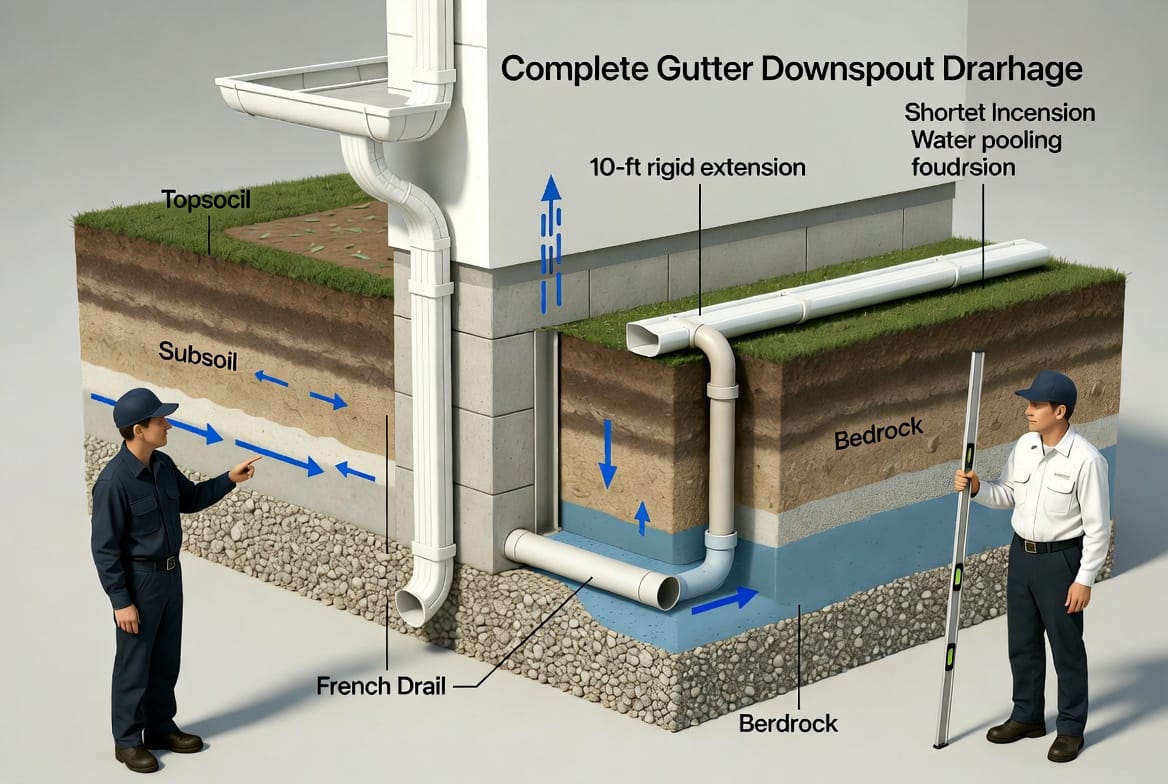
Proven Options for Extending Downspout Drains
Homeowners have several reliable methods for achieving the required distance. Each option offers distinct advantages depending on budget, aesthetics, and site conditions.
Rigid Downspout Extensions
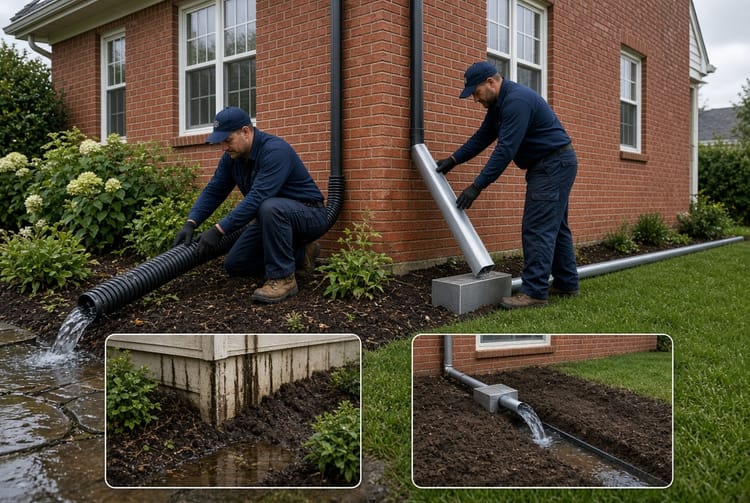
Rigid extensions are among the most popular and durable solutions. These are typically made of aluminum, vinyl, or heavy-duty plastic and attach directly to the existing downspout. They can be run along the ground or slightly buried for a neater appearance.
Key benefits of rigid extensions include:
- Precise control over water direction
- Resistance to crushing from foot traffic or lawn equipment
- Easy seasonal removal if desired
- Compatibility with most standard downspout sizes
Installation is straightforward for professionals. The extension is secured with brackets or stakes so it remains stable during heavy storms. Many systems include hinged or telescoping designs that allow the extension to fold up against the house when not in use, preserving curb appeal.
French Drains
For properties that require a completely invisible solution or that experience very high water volumes, a French drain is an excellent choice. This system consists of a perforated pipe surrounded by gravel and landscape fabric, buried in a shallow trench that slopes away from the foundation.
Advantages of French drains:
- Water is carried underground, leaving the surface clean
- Handles large volumes without surface erosion
- Can be connected to multiple downspouts
- Doubles as a landscape drainage solution for low spots
A properly installed French drain directs water 10, 20, or even 50 feet away and discharges it into a safe area such as a dry well, storm sewer, or lower elevation on the property. Because the system is buried, it requires professional design and installation to ensure correct slope and filter protection against clogging.
Splash Blocks and Surface Diversion
Splash blocks remain a simple and cost-effective starting point. These pre-formed concrete, plastic, or rubber pads sit at the base of the downspout and create a short channel that moves water a few feet outward. While splash blocks alone rarely achieve the full 5-to-10-foot distance, they can be combined with longer surface channels or flexible tubing to meet the requirement.
When used correctly, splash blocks:
- Prevent soil erosion directly beneath the downspout
- Provide an immediate visual indicator of water flow
- Require minimal maintenance
- Serve as a temporary or supplemental solution
For maximum effectiveness, many homeowners upgrade from basic splash blocks to longer rigid or flexible extensions that continue the water journey farther from the house.
Choosing the right combination depends on your specific property. A professional assessment evaluates soil type, slope, rainfall patterns, and aesthetic preferences to recommend the optimal system.
Recognizing the Warning Signs of Inadequate Drainage
Even the best gutters fail if the downspouts do not move water far enough away. Homeowners should watch for these clear indicators that the current gutter downspout drain system needs improvement:
- Persistent water pooling near the foundation after rain
- Visible foundation cracks that appear or widen over time
- A damp basement or musty odor in lower levels
- Soft or sinking soil around the perimeter of the house
- Mulch or landscaping material washed away from flower beds
- Exterior walls showing water stains or efflorescence
Addressing these signs early prevents minor issues from becoming major structural problems. Regular visual inspections after storms, combined with professional gutter cleaning and adjustment, keep the system performing at its best.
The Professional Advantage: Lasting Protection and Peace of Mind
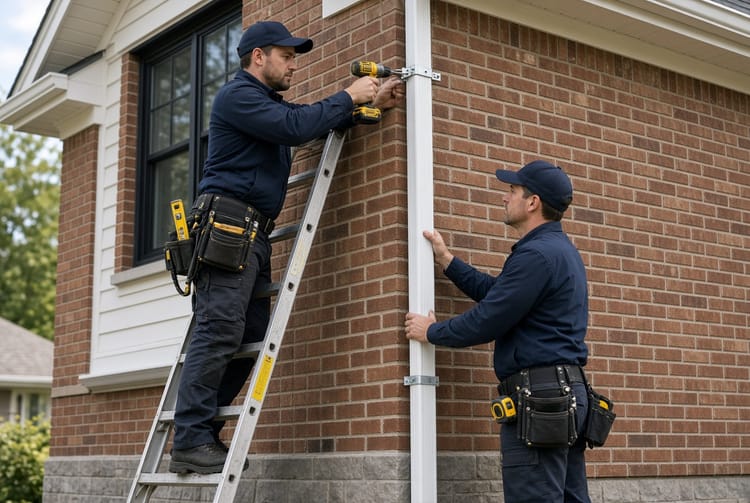
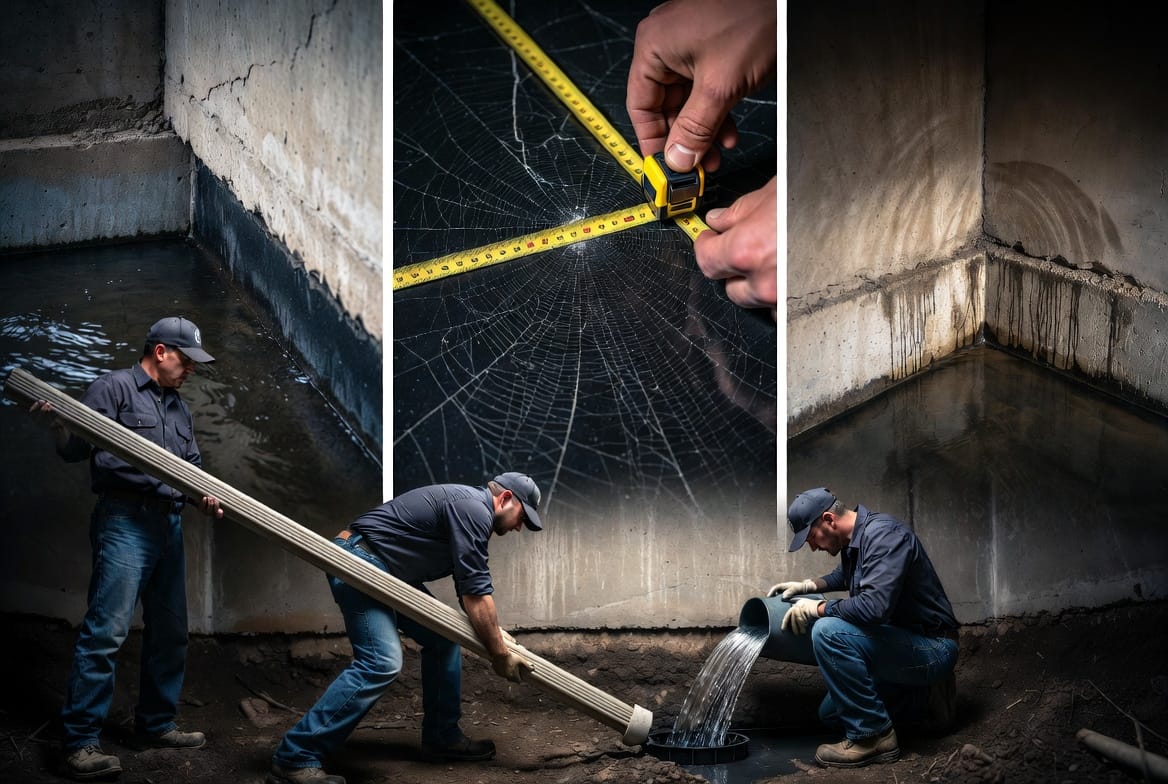
While some homeowners attempt do-it-yourself extensions, professional installation delivers superior results. Trained technicians understand local soil conditions, building codes, and the precise slope needed for reliable water flow. They use high-quality materials that resist UV degradation, freezing, and impact. Most importantly, they ensure every downspout is extended the correct distance and that the entire system works together as a cohesive unit.
A complete professional service typically includes:
- Thorough inspection of existing gutters and downspouts
- Cleaning and sealing of all joints
- Precise measurement and installation of extensions or underground drains
- Final testing with water to confirm proper flow
- Recommendations for ongoing maintenance
The result is a quiet, invisible defense that protects the foundation every time it rains. Homeowners gain confidence knowing their most valuable asset is safeguarded against one of the most common causes of structural damage.
Seasonal Considerations and Ongoing Care
Downspout drainage systems perform best when they receive modest seasonal attention. In autumn, clear leaves and debris that can block extensions. Before winter, ensure flexible sections are secured so they do not freeze in awkward positions. In spring, verify that ground-level outlets remain free of soil buildup. These simple steps, combined with an annual professional inspection, keep the system operating at peak efficiency for decades.
Properties in regions with heavy snowfall or intense summer storms may benefit from larger-capacity extensions or additional underground capacity. Climate-specific adjustments are another reason professional guidance proves valuable.
Long-Term Value of Proper Downspout Drainage
Beyond immediate protection, a well-designed gutter downspout drain system enhances property value. Real-estate professionals and home inspectors recognize proper drainage as a mark of a well-maintained home. Buyers appreciate the reduced risk of future foundation issues, and sellers can confidently present documentation of professional installation.
Insurance companies may also view improved drainage favorably, as it lowers the likelihood of water-related claims. In some cases, documented upgrades contribute to more favorable policy terms.
The environmental benefit is equally important. By directing water into the landscape rather than allowing it to overwhelm local storm systems, homeowners support healthier soil and reduce runoff pollution.
Taking Action Today
Foundation damage caused by poor downspout drainage is entirely preventable. The solution is straightforward: collect the water in clean, properly pitched gutters, then extend it at least 5 to 10 feet from the foundation using rigid extensions, French drains, splash blocks, or a combination of these methods. When installed correctly, the system works silently and reliably for years.
Do not wait for the first crack to appear or for water to seep into the basement. Proactive protection is always less expensive and less stressful than reactive repair.
Protect your foundation with proper drainage. Experienced technicians are ready to evaluate your property, recommend the ideal extension solution, and install a system that keeps water safely away from your home. Secure your foundation, preserve your investment, and enjoy the lasting confidence that comes with expert protection.
Stop Foundation Damage – Call for Gutter Drainage Help