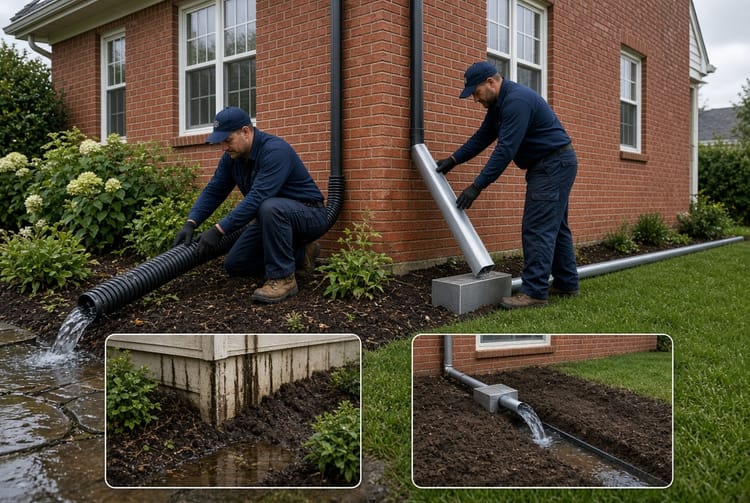
The Gutter Downspout Debris Filter: Catching Leaves Before the Pipe
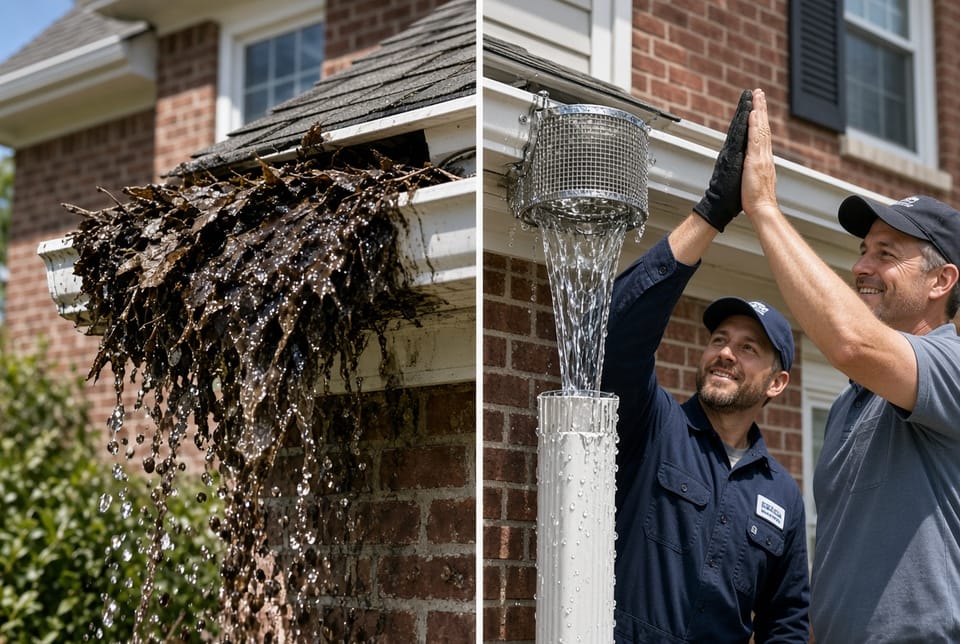
Homeowners across the country know the frustration of standing outside after a heavy rainstorm and watching water pour over the edges of their gutters instead of flowing neatly through the downspouts. That overflow is rarely caused by the gutters themselves. More often, the real culprit is a single choke point: the connection where the gutter meets the downspout. Leaves, pine needles, seed pods, and roof grit collect right there, forming a dense plug that stops water in its tracks.
Get Your Debris Filter Installed – Call Now!
The gutter downspout debris filter was designed specifically to stop that problem at its source. Inserted directly at the gutter outlet, this compact yet highly effective device catches debris before it can travel down the pipe. It is an affordable, practical alternative to expensive full-length gutter guard systems, delivering targeted protection exactly where it is needed most.
Understanding the Critical Role of the Downspout Outlet
Every gutter system has one or more outlets—openings that drop water into the vertical downspout. These openings are usually three or four inches wide and sit at the lowest point of each gutter run. Gravity pulls everything toward them: rainwater, of course, but also every leaf that lands on the roof. Over weeks and months, that debris packs tightly against the outlet, creating a dam.
Once the dam forms, water has nowhere to go except over the gutter edge. The result is foundation erosion, basement seepage, stained siding, and ice dams in winter. Traditional solutions often involve climbing ladders multiple times a year to scoop out the mess or investing in continuous gutter guards that cover the entire length of the gutter. While full guards can work, they are costly, sometimes difficult to install, and not always necessary if the only real trouble spot is the outlet itself.
That is precisely where the downspout debris filter shines. It is a purpose-built insert that seats securely inside or just above the outlet opening. Water passes freely through a fine yet durable mesh or perforated surface, while leaves and larger particles are held back for easy removal.
How the Downspout Debris Filter Actually Works
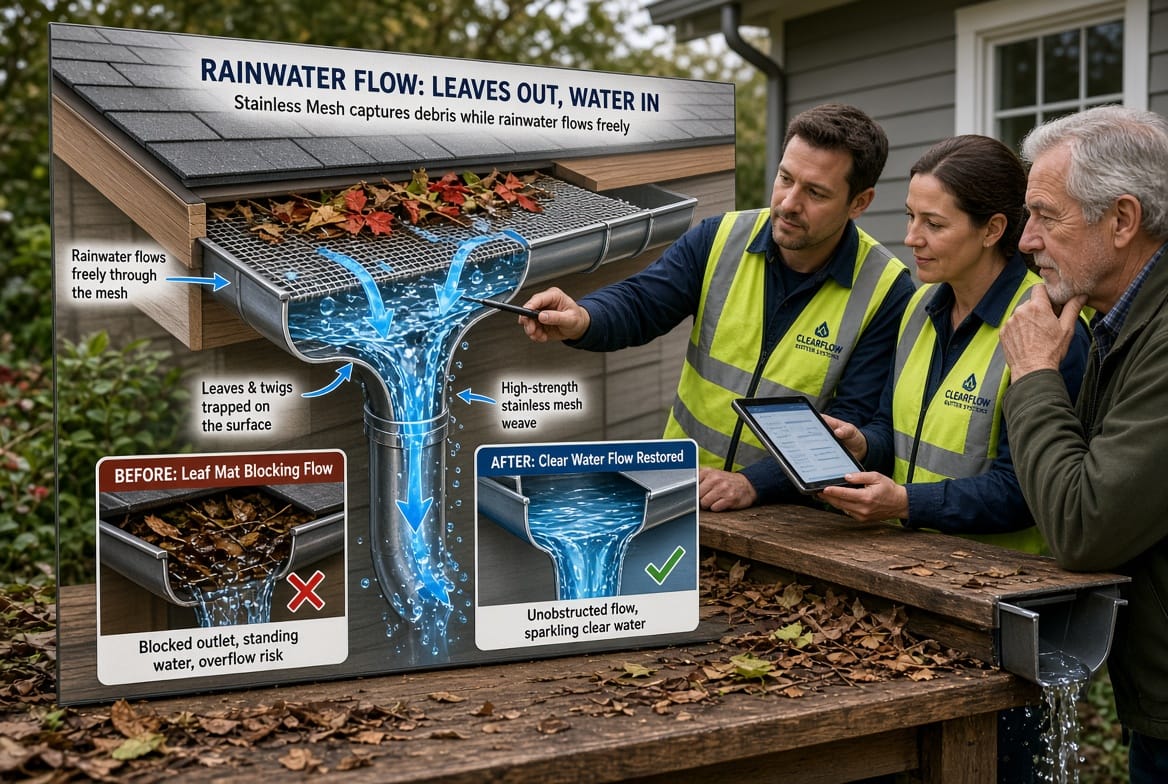
The engineering behind a quality downspout debris filter is elegantly simple. The unit consists of a rigid frame—usually made of UV-resistant polymer or corrosion-proof metal—fitted with a carefully sized screening surface. When installed, the filter sits flush with the gutter floor so that water must pass through it to reach the downspout.
As rain falls, leaves and twigs float or are carried by the current toward the outlet. They meet the filter surface and stop. Water, being far smaller in particle size, continues downward without restriction. The captured debris remains on the upstream side of the filter, where it can be lifted out by hand or rinsed away with a garden hose.
Because the filter occupies only the outlet area, it does not interfere with the normal flow capacity of the rest of the gutter. During moderate to heavy rain, water still moves efficiently along the entire run and exits cleanly. The result is a system that stays functional longer between cleanings and eliminates the most common cause of downspout clogs.
Why Choose a Filter Over Full Gutter Guards?
Full gutter guard systems cover every linear foot of gutter with screens, brushes, or solid covers. They can be excellent for homes surrounded by dense tree cover, but they come with higher material and labor costs. Installation often requires professional crews, specialized tools, and sometimes modifications to the existing gutter profile.
A downspout debris filter, by contrast, is a focused solution. It addresses the exact location where clogs form most frequently. Because only a few filters are needed—one for each downspout—the total investment remains modest. Most homeowners can install the units themselves in under an hour using basic hand tools. No specialized training or heavy equipment is required.
This targeted approach also means less material is used, which keeps the product lightweight and easy to handle. If a filter ever needs replacement, the cost is a fraction of what a full guard section would require. For many properties, especially those with moderate leaf loads or open roof lines, the downspout filter delivers 80–90 percent of the clog-prevention benefit at a fraction of the price.
Key Advantages That Make Filters a Smart Investment
Homeowners who switch to downspout debris filters consistently report three primary benefits:
- Affordable protection – A complete set for an average home costs far less than continuous gutter guards.
- Easy installation – Most designs snap or screw into place without altering the existing gutter system.
- Reliable clog prevention – By stopping debris at the outlet, the filter keeps the entire downspout clear and functional.
Additional advantages include reduced ladder time, lower risk of foundation damage, and the ability to inspect and clean the filter from ground level or a short step ladder in many cases. The units are designed to withstand years of weather exposure, freezing temperatures, and UV radiation without degrading.
Step-by-Step Installation for Lasting Results
Installing a downspout debris filter is straightforward when you follow a few proven steps. First, clear any existing debris from the gutter outlet so the filter seats properly. Measure the opening to confirm you have the correct size unit—most filters are manufactured for standard 2-by-3-inch or 3-by-4-inch rectangular outlets, as well as round downspouts.
Next, position the filter so its screening surface faces upstream, allowing water to flow through while debris is retained. Some models use a friction-fit design that expands gently against the gutter walls; others include small stainless screws or clips for extra security. Once seated, test the fit by running a hose into the gutter and watching the water exit cleanly.
If your gutters have an existing leaf guard or screen over the top, simply leave a small access point above the filter so trapped material can still be removed. The entire process for a typical four-downspout home can be completed in a single afternoon.
Maintenance That Keeps Performance High
One of the strongest selling points of the downspout debris filter is how little ongoing care it requires. After major storms or during peak leaf season, a quick visual check is usually enough. If debris has accumulated on the screen, lift it out, shake it clean, or rinse it with a hose. Reinsert the filter and you are finished.
Unlike full gutter systems that may need professional cleaning or specialized tools, the filter can be maintained by almost any adult with minimal physical effort. This simplicity translates into lower long-term ownership costs and greater peace of mind.
Real-World Impact on Home Protection
Consider a typical two-story colonial with mature oak trees lining the street. Without outlet protection, the downspouts clog two or three times each fall, forcing the homeowner onto a tall ladder after every storm. Water repeatedly overflows onto the foundation, eventually creating a soft spot in the soil and a slow leak into the basement.
After installing downspout debris filters, the same home experiences zero downspout blockages for an entire season. Rainwater is directed cleanly away from the house, the basement stays dry, and the only maintenance required is a five-minute rinse of each filter once a month. The financial savings from avoided foundation repairs alone often exceed the cost of the filters within the first year.
Choosing the Right Filter for Your Home
Not all downspout debris filters are created equal. Look for models that feature a fine enough mesh to stop pine needles yet open enough to allow high-volume water flow. UV-stabilized materials prevent cracking in direct sun, while stainless or powder-coated metal components resist rust. Some advanced designs include a slight slope or self-cleaning geometry that helps debris shed more easily.
Compatibility with both aluminum and vinyl gutters is another important consideration. The best units adapt to slight variations in outlet size without requiring custom fabrication. When in doubt, measure your openings carefully and select a filter rated for your specific dimensions.
Common Myths and Clear Answers
A frequent misconception is that any screen placed at the outlet will restrict water flow during heavy rain. In reality, properly engineered filters are sized to handle the same volume of water that the downspout itself can carry. Another myth suggests that filters require constant cleaning. While periodic attention is wise, most users find that the units stay functional for weeks between inspections.
Some homeowners worry that filters will trap ice in winter. Quality designs actually reduce ice buildup by keeping the outlet clear of organic material that would otherwise freeze into solid plugs.
Expanding the System with Complementary Accessories
While the downspout debris filter solves the most critical clog point, pairing it with other simple accessories can create an even more robust system. Downspout extensions that carry water farther from the foundation, splash blocks that dissipate flow energy, and occasional gutter hangers that maintain proper slope all work together. The filter remains the heart of the strategy, however, because it protects the pathway that every other component depends upon.
Environmental and Lifestyle Benefits
Beyond protecting the structure of the house, a clog-free downspout system conserves water by directing it where it belongs—into the landscape rather than onto sidewalks or into the street. Clean gutters also reduce mosquito breeding sites that form in stagnant pools of trapped water. Homeowners gain more free time on weekends because they are no longer constantly clearing debris. The cumulative effect is a quieter, cleaner, and more enjoyable outdoor living space.
Long-Term Value and Peace of Mind
Investing in downspout debris filters is an investment in the longevity of the entire drainage system. By preventing the repeated stress of overflow and the physical strain of frequent ladder work, the filters pay for themselves many times over. They are especially valuable for older adults or anyone who prefers to minimize time spent on high ladders.
The reassurance that comes from knowing water will exit the gutters reliably—storm after storm—cannot be overstated. That confidence is what turns a simple accessory into an essential part of responsible homeownership.

Taking Action Today
The evidence is clear: the majority of downspout failures begin at the gutter outlet. A well-designed debris filter stops leaves and other material before they can enter the pipe, delivering reliable performance at a fraction of the cost of full gutter guard systems. Installation is quick, maintenance is minimal, and the protection it provides lasts for years.
Stop downspout clogs with filters. Protect your foundation, free up your weekends, and keep water flowing exactly where it belongs. Speak with a knowledgeable specialist who can help you select the right downspout debris filters for your home. One simple phone call is all it takes to put an end to overflow problems and start enjoying a cleaner, more efficient gutter system this season.
Easy Downspout Filter Solutions – Call Now!