The Gutter Downspout Adapter: Connecting Round to Rectangular
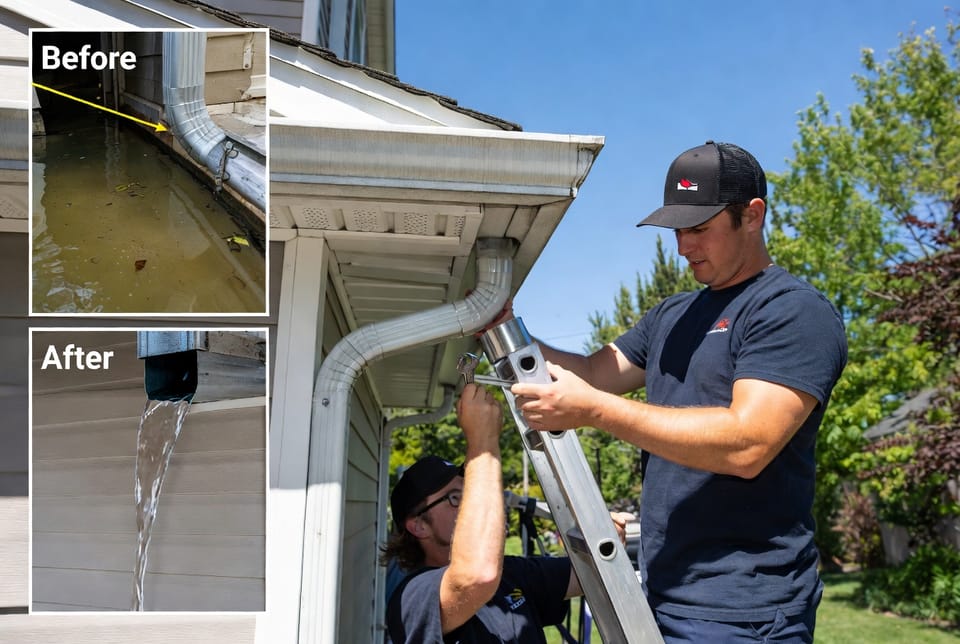
In effective residential drainage systems, every component must work in perfect harmony to protect your home from water damage. One of the most critical yet often overlooked pieces is the gutter downspout adapter. When your existing downspout system features mismatched shapes, the gutter downspout adapter becomes the reliable solution that keeps water flowing exactly where it belongs—away from your foundation, walls, and landscaping.
Get Your Round to Rectangular Adapter Installed – Call Now!
Homeowners frequently discover that older gutters use round downspouts while newer extensions or replacements come in rectangular profiles. Without the proper connector, you risk leaks, clogs, reduced efficiency, and costly repairs. This comprehensive guide explores everything you need to know about the gutter downspout adapter designed specifically for connecting round to rectangular sections. You’ll learn about downspout shapes, adapter types, proper sealing techniques, and why professional installation delivers peace of mind and long-term protection.
Rest assured, selecting and installing the right gutter downspout adapter is straightforward when you understand the fundamentals. With the correct approach, you eliminate water intrusion risks and maintain optimal gutter performance for years to come.
Understanding Downspout Shapes and Why Mismatches Occur
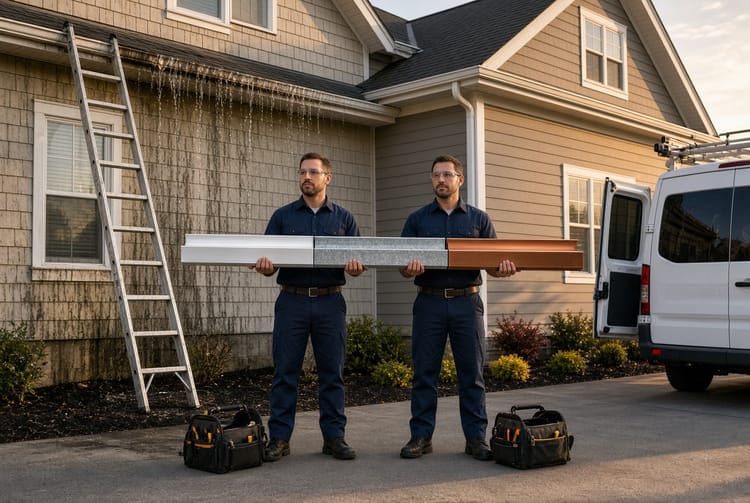
Downspouts come in three primary shapes, each with distinct advantages and installation considerations. Round downspouts are classic, smooth-walled tubes that promote excellent water flow and resist debris buildup. Their cylindrical design handles high-volume rainfall efficiently and offers a clean, traditional appearance on many homes.
Rectangular downspouts, by contrast, provide a modern, low-profile look that blends seamlessly with contemporary architecture. They offer greater structural strength against wind and impact while allowing easier attachment to siding or brick. However, their flat sides can sometimes create slight turbulence compared to round profiles.
Corrugated downspouts add another layer of versatility. These feature ribbed surfaces that increase rigidity and flexibility, making them ideal for areas prone to expansion and contraction from temperature changes. The corrugation also helps break up ice formation in colder climates.
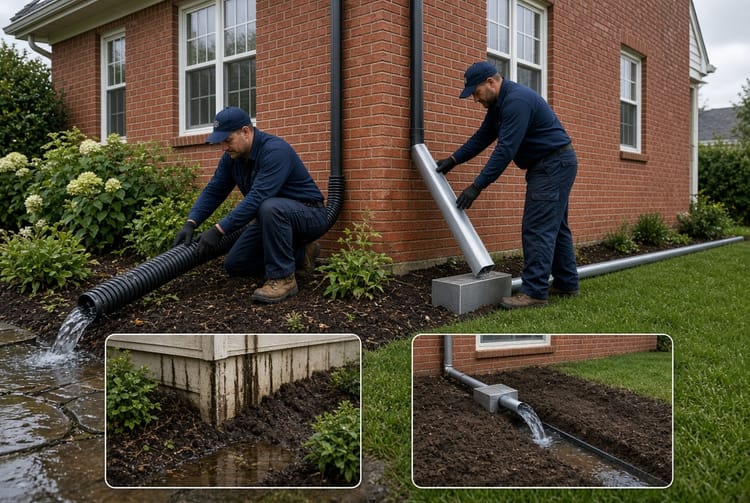
Mismatches happen for several common reasons: home additions, partial gutter replacements, or upgrades from one style to another. When a round downspout meets a rectangular extension, water pressure can force leaks at the joint if no adapter is used. Left unaddressed, these gaps lead to foundation erosion, siding rot, basement flooding, and even mold growth inside your walls. The gutter downspout adapter eliminates these vulnerabilities by creating a secure, watertight transition.
The Critical Role of the Gutter Downspout Adapter
The gutter downspout adapter is a precision-engineered connector that bridges incompatible shapes without compromising flow rate or structural integrity. Manufactured from durable aluminum, galvanized steel, or high-grade PVC, these adapters are built to withstand years of weather exposure while maintaining a professional finish.
By focusing on connecting round to rectangular, this specific adapter type addresses the most frequent mismatch homeowners encounter. It features a tapered or stepped design that fits snugly inside or outside the differing pipe ends, ensuring continuous water channeling. Proper use prevents the common leaks at transition points that plague DIY attempts and older installations.
Investing in the right gutter downspout adapter not only solves immediate connection problems but also protects your entire gutter investment. It maintains system efficiency, reduces maintenance frequency, and preserves your home’s curb appeal.
Types of Adapters for Connecting Mismatched Sections
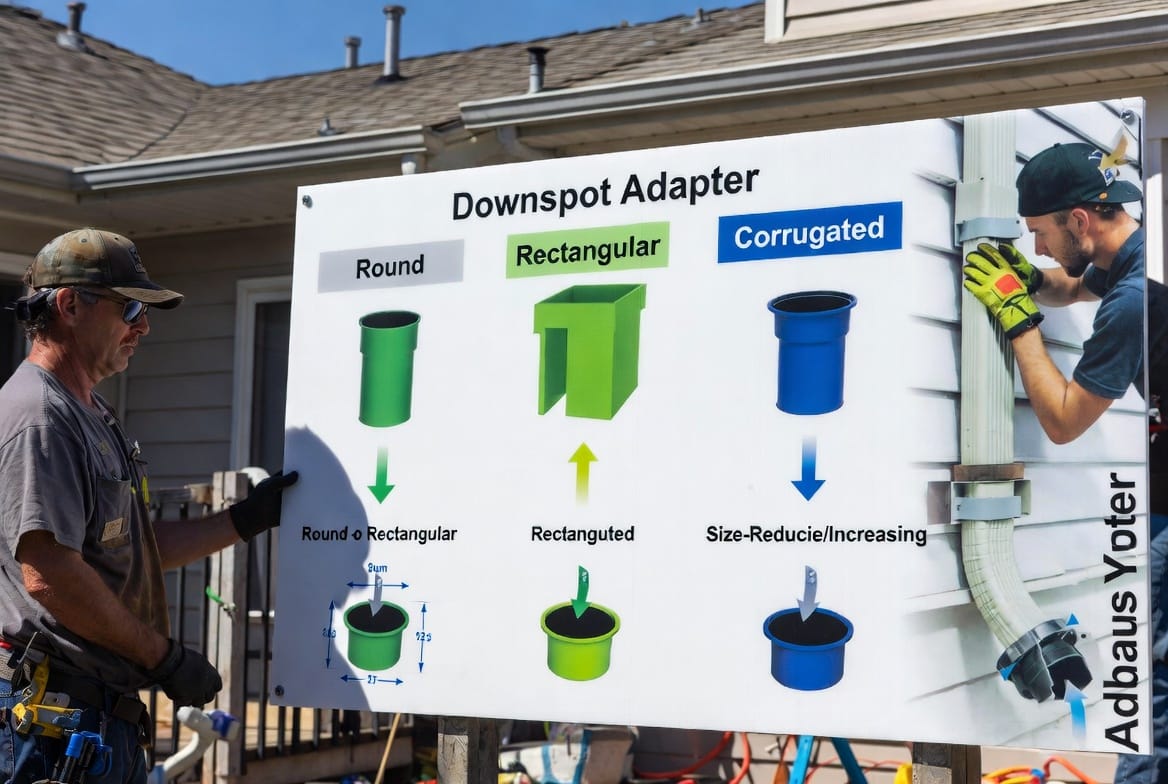
Several adapter variations exist to handle diverse gutter configurations. The primary round-to-rectangular downspout adapter is the star performer for most residential applications. It typically includes a round inlet that slides over or into the existing round pipe and a rectangular outlet that matches standard extension sizes.
Additional types include:
- Rectangular-to-corrugated adapters for homes transitioning between smooth rectangular sections and ribbed extensions
- Size-reducing adapters that step down from larger 3-inch round to smaller 2-inch rectangular pipes
- Size-increasing adapters that expand capacity where higher water volume is expected
- Universal multi-shape adapters offering flexible rubber or metal sleeves for quick field adjustments
Each style is engineered for specific flow requirements and installation preferences. Professional-grade gutter downspout adapters often incorporate built-in ridges or crimp points for secure fastening, eliminating the need for excessive sealants.
Choosing the Right Adapter and Materials
Material selection matters for longevity. Aluminum adapters resist corrosion and match most gutter colors. Galvanized steel offers superior strength for high-wind areas. PVC versions provide budget-friendly flexibility where appearance is less critical. Always verify the adapter’s exact dimensions against your existing round downspout (commonly 2" or 3" diameter) and rectangular extension (typically 2x3" or 3x4").
Compatibility ensures a perfect fit. Measure both the inner and outer diameters of each section before purchase. Quality gutter downspout adapters include pre-drilled holes or crimp zones for screws or pop rivets, creating mechanical strength that surpasses glue-alone connections.
Proper Sealing Techniques to Prevent Leaks
Sealing is the final and most important step in any gutter downspout adapter installation. Even the best connector can fail without proper waterproofing. Begin by cleaning both pipe ends thoroughly to remove dirt, old sealant, or oxidation.
Apply a generous bead of high-quality exterior-grade silicone or butyl rubber sealant around the adapter’s contact points. For metal-to-metal connections, use self-tapping screws or pop rivets at four points around the circumference, then cover each fastener with additional sealant. This dual mechanical-and-chemical approach creates a permanent, weatherproof bond.
In high-rainfall regions, consider adding a secondary exterior wrap of waterproof tape or a rubber boot for extra protection. These steps guarantee zero leaks at the transition and maintain full water-carrying capacity throughout the system.
Step-by-Step Professional Installation Guide
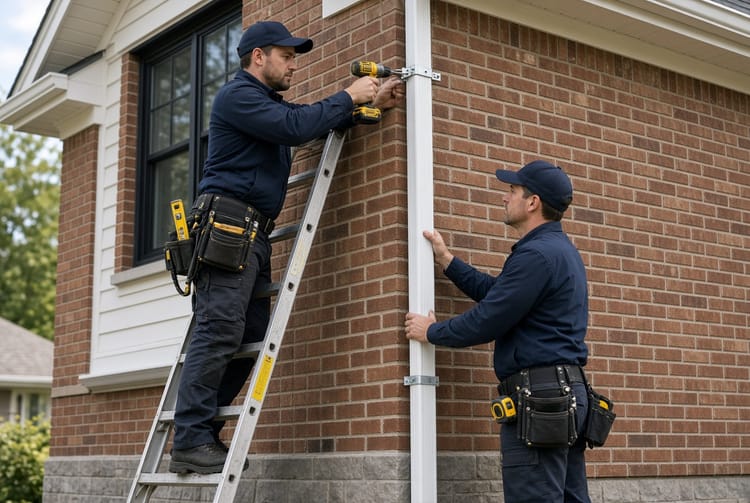
Installing a gutter downspout adapter follows a logical sequence that any careful homeowner can master, though professional service ensures flawless results.
- Safety First – Secure a stable ladder and wear gloves and eye protection.
- Measure and Cut – Trim the downspout ends squarely for clean contact.
- Dry-Fit the Adapter – Test the round-to-rectangular connection without sealant to confirm fit.
- Apply Sealant – Coat interior and exterior mating surfaces generously.
- Insert and Align – Slide the adapter into position, ensuring proper orientation for water flow.
- Secure Mechanically – Install screws or rivets evenly spaced around the joint.
- Final Seal – Cover all seams and fasteners with additional waterproofing.
- Test the System – Run water through the gutter to verify leak-free performance.
This methodical process eliminates guesswork and delivers professional-grade results every time.
Common Mistakes to Avoid
Many homeowners attempt adapter installation without proper preparation, leading to recurring leaks. Skipping the cleaning step, using incompatible materials, or relying solely on tape instead of mechanical fasteners are frequent errors. Over-tightening screws can crack PVC adapters, while under-sealing invites future failures.
By following manufacturer guidelines and using the correct gutter downspout adapter for your specific round-to-rectangular transition, you avoid these pitfalls entirely.
Long-Term Benefits of Proper Downspout Connections
A correctly installed gutter downspout adapter delivers multiple advantages: consistent water diversion, reduced maintenance calls, extended gutter lifespan, and enhanced property protection. Homeowners report fewer foundation cracks, drier basements, and healthier landscaping after upgrading mismatched sections.
The investment pays for itself quickly through prevented water damage and lower repair costs. Plus, a professionally connected system adds to your home’s overall value and curb appeal.
When Professional Expertise Makes All the Difference
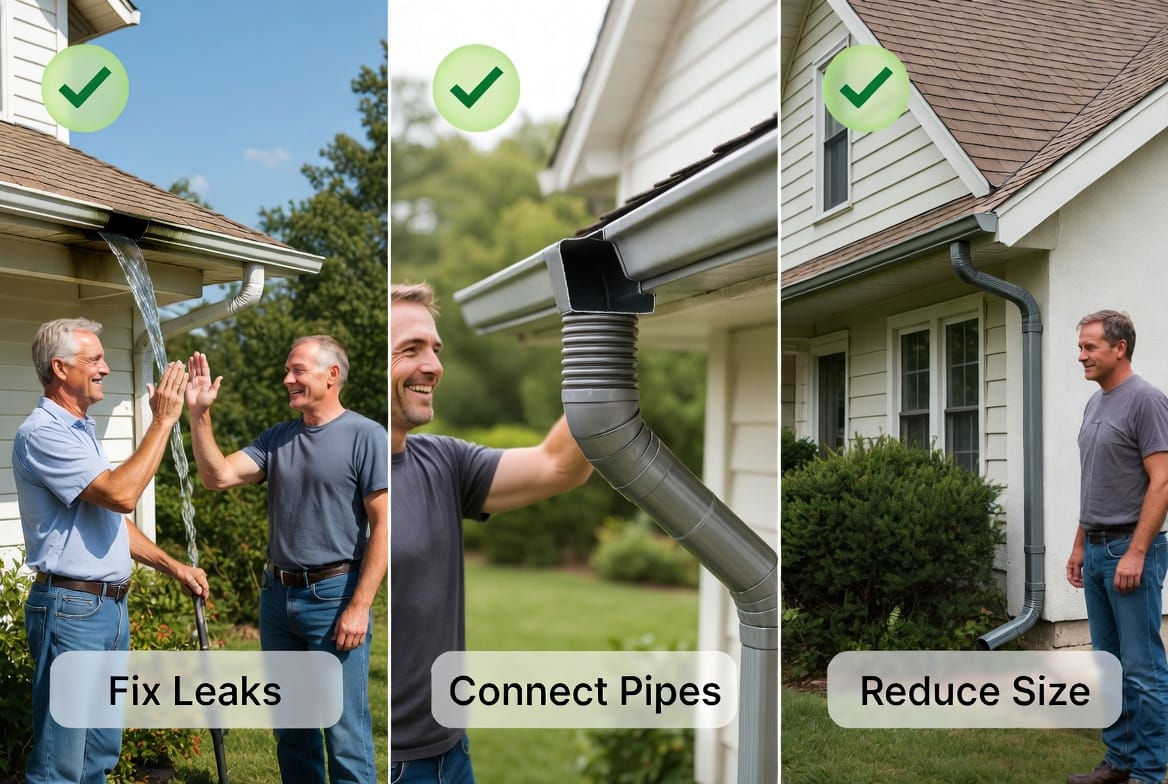
While DIY installation is possible, the precision required for perfect sealing and long-term performance often warrants calling experienced gutter specialists. Professionals arrive equipped with the exact gutter downspout adapter, proper tools, and years of field knowledge to handle any configuration quickly and correctly.
Connect Your Downspout Components Properly Today
Don’t let mismatched downspouts compromise your home’s protection. The gutter downspout adapter provides the simple, effective solution for connecting round to rectangular sections while preventing leaks and ensuring reliable drainage.
For expert gutter repair, precise adapter installation, and complete system evaluation, contact the professionals who specialize in lasting solutions.
Professional Downspout Adapter Installation – Call Today!