The Gum Line Cavity: Causes, Treatment, and Prevention
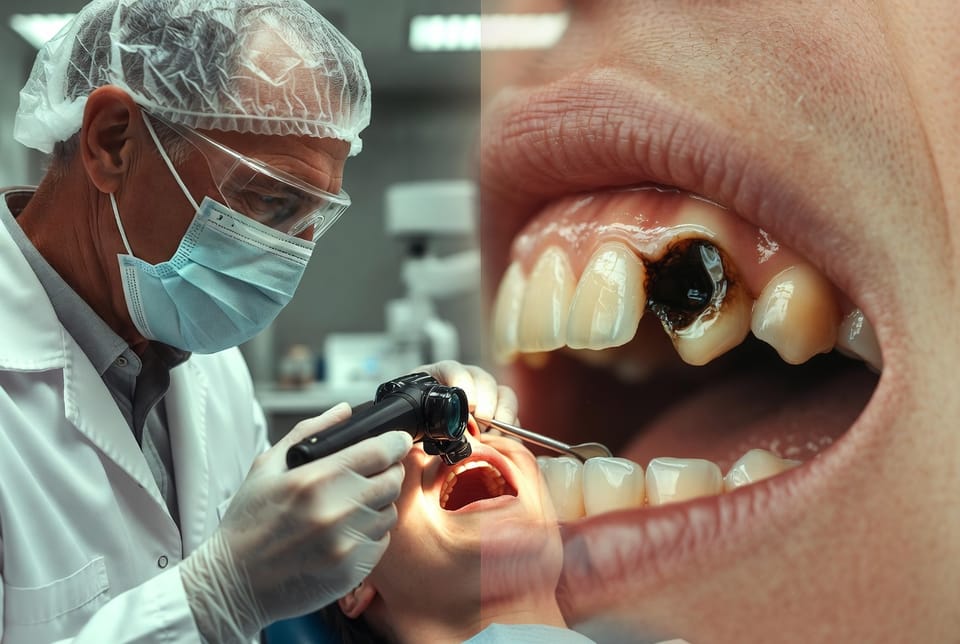
Discovering a cavity near the gum line can feel unsettling, yet understanding this specific type of decay empowers you to take confident steps toward lasting oral health. A gum line cavity, also known as a root surface cavity, forms where the tooth meets the soft tissue of the gums. Unlike typical cavities that attack the hard enamel on the chewing surfaces or between teeth, these lesions develop on the more vulnerable root area once it becomes exposed. This article explains exactly what gum line cavities are, why they appear, how modern dentistry treats them effectively, and the practical daily habits that keep them from forming in the first place. With clear knowledge and consistent care, most people can protect their smiles and avoid the discomfort these cavities may bring.
Call Now for Expert Root Surface Cavity Care
Understanding Gum Line (Root Surface) Cavities
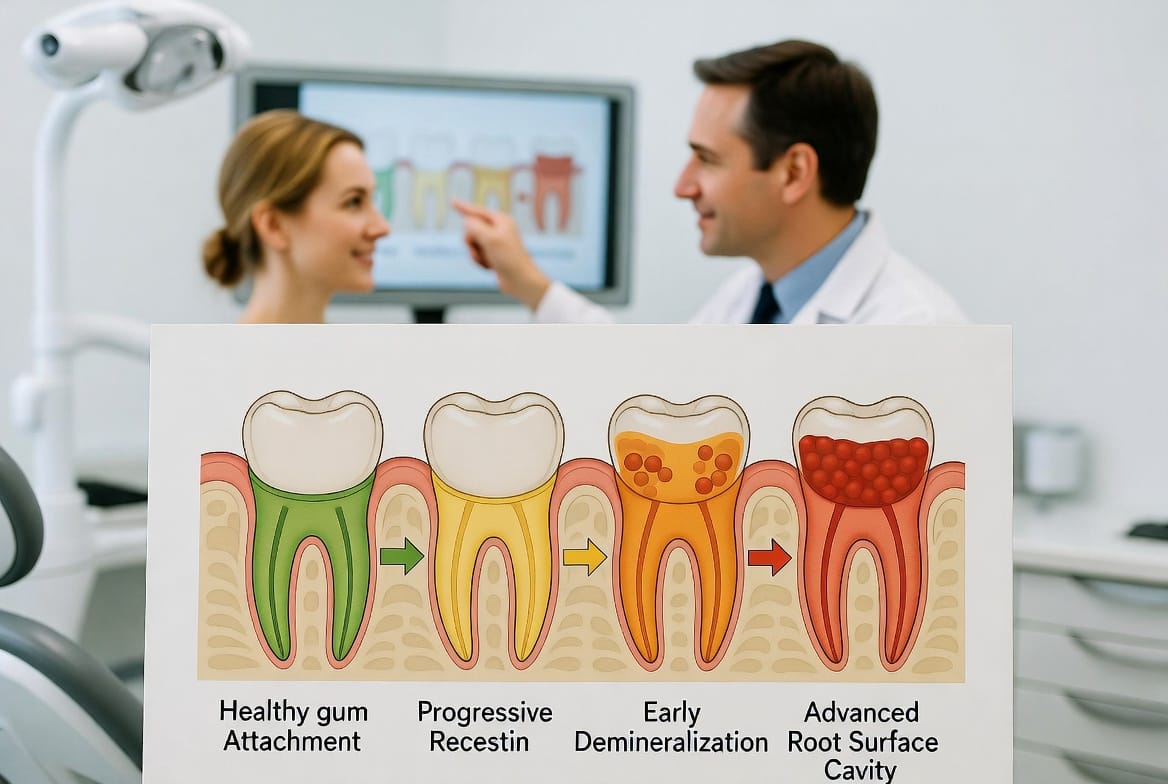
The portion of a tooth normally covered by healthy gums is protected by a thin layer of cementum rather than the thick enamel that shields the crown. When gums recede, this cementum and the underlying dentin become exposed to the oral environment. Bacteria in plaque then produce acids that dissolve the softer root surface far more quickly than enamel. The result is a gum line cavity—a progressive lesion that often appears as a brown or yellowish notch right at the margin where tooth and gum meet.
These cavities tend to form on the facial (cheek-side) or lingual (tongue-side) surfaces of the teeth, especially the premolars and canines, though any tooth can be affected. Because the root surface lacks the hardness of enamel, decay can advance rapidly toward the nerve if left untreated. Early detection is therefore essential. Many patients first notice sensitivity to cold, sweet foods, or even brushing along the gum line. Others discover the problem only during a routine professional examination when the dentist uses gentle exploration or digital imaging to reveal the lesion.
Root surface cavities are more common after age forty, when natural gum changes or previous periodontal treatment may have exposed the roots. Yet they can appear at any age if risk factors are present. The reassuring news is that modern dentistry offers reliable ways to stop the process, restore the damaged area, and strengthen the surrounding tooth structure so the problem does not return.
Primary Causes of Gum Line Cavities
Three interconnected factors create the ideal conditions for root surface cavities to develop. Recognizing each one allows you to address the underlying issues before decay begins.
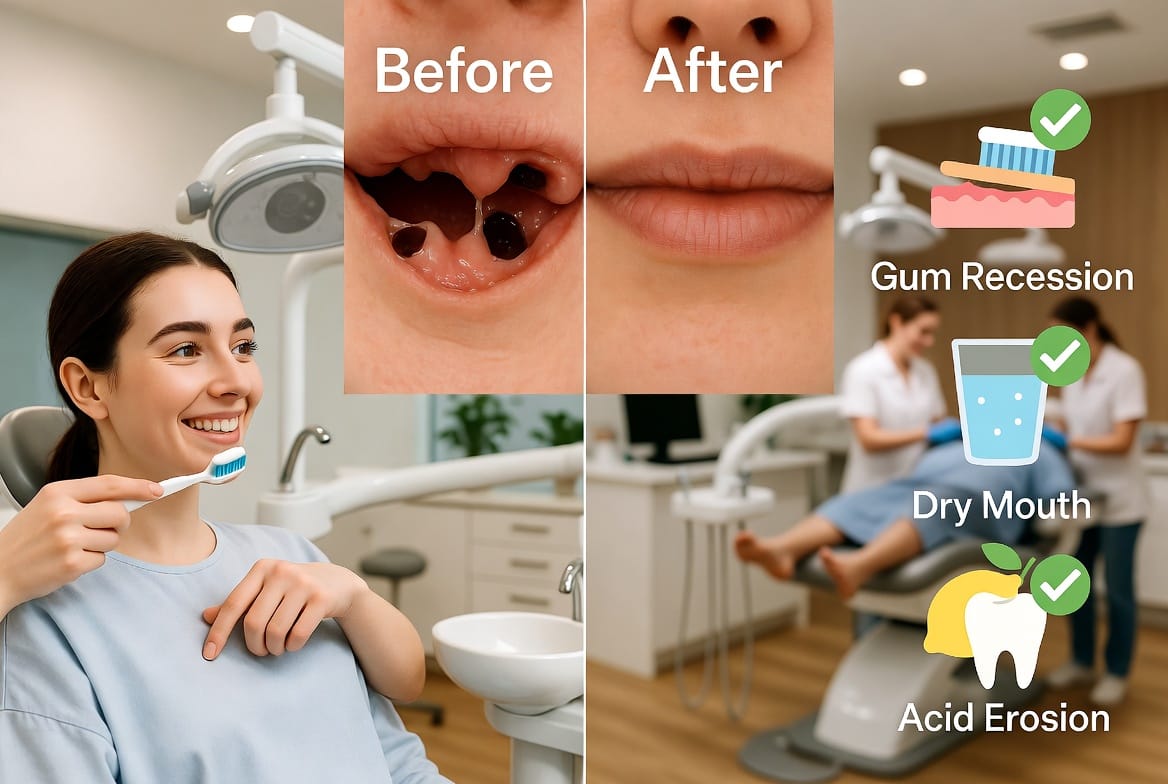
- Gum recession stands as the leading cause. When the gum tissue pulls away from the tooth—whether from aggressive brushing, periodontal disease, orthodontic movement, or simply the natural aging process—the root becomes exposed. Once uncovered, the softer cementum offers little resistance to bacterial acids. Even a few millimeters of recession can open the door to a cavity at the gum line. Patients who have undergone scaling and root planing or who have thin biotypes of gum tissue often notice this exposure more readily.
- Dry mouth, or xerostomia, dramatically increases risk. Saliva normally neutralizes acids, washes away food particles, and supplies essential minerals that help remineralize early damage. When saliva flow decreases—due to medications, medical conditions such as Sjögren’s syndrome, radiation therapy, or simply inadequate water intake—plaque acids remain in contact with the root surface for longer periods. The protective buffering effect disappears, and demineralization accelerates. Many commonly prescribed medicines list dry mouth as a side effect, making awareness especially important for older adults.
- Acid exposure completes the triad. Frequent consumption of acidic beverages (soda, citrus juices, sports drinks), reflux of stomach acid, or the acids produced by plaque bacteria all erode the already vulnerable root surface. Combined with recession and reduced saliva, these acids create a perfect storm for rapid cavity formation. Even healthy foods can contribute if they linger on the teeth without proper cleaning.
Additional contributing elements include poor oral hygiene that allows plaque to accumulate along the gum margin, a high-sugar diet that feeds acid-producing bacteria, and previous restorations with imperfect margins that trap debris. Understanding these causes transforms prevention from guesswork into a clear, actionable plan.
Effective Treatment Options for Gum Line Cavities
When a gum line cavity is diagnosed early, treatment is straightforward and comfortable. The primary approach is a carefully placed filling that restores the missing tooth structure and seals the root against further bacterial invasion. Because the cavity often sits close to the gum tissue, the dentist may gently retract the soft tissue or use specialized isolation techniques to keep the area dry and clean during the procedure. Tooth-colored composite resin is the material of choice for most cases; it bonds securely to the root surface, matches the natural shade of the tooth, and requires minimal removal of healthy structure.
In situations where the cavity has progressed deeper or the remaining tooth walls are thin, a crown may be recommended. A crown covers the entire visible portion of the tooth, providing strength and protection while completely encapsulating the restored root surface. Modern all-ceramic or porcelain-fused-to-zirconia crowns deliver both durability and an esthetic result that blends seamlessly with neighboring teeth. The process typically involves preparing the tooth, taking precise digital impressions, and placing a temporary crown until the permanent restoration is ready—usually within one to two weeks.
For very early lesions that have not yet formed a true cavity, professional fluoride varnish or silver diamine fluoride can halt progression and encourage remineralization. These non-invasive options are especially valuable for patients who prefer to delay drilling or who have multiple early spots. In rare advanced cases where the decay has reached the pulp, root canal therapy may be necessary before the final restoration is placed. Throughout every treatment, local anesthesia ensures complete comfort, and most patients return to normal activities the same day.
The goal of treatment is always twofold: eliminate the existing decay and reinforce the tooth so that future cavities are far less likely. After restoration, the dentist will review personalized home-care instructions and may recommend more frequent professional cleanings to monitor the gum line closely.
Proven Prevention Strategies That Protect the Gum Line
Preventing gum line cavities centers on daily habits that keep the root surface clean, strong, and well lubricated with saliva. Consistency matters more than perfection.
Begin with meticulous oral hygiene. Use a soft-bristled toothbrush held at a forty-five-degree angle toward the gum line and employ gentle circular motions rather than horizontal scrubbing that can worsen recession. Interdental brushes or floss designed for wider spaces clean effectively between teeth and under the gum margin. Electric toothbrushes with pressure sensors help many people maintain the ideal light touch.
Fluoride remains one of the most powerful protective agents available. Brush twice daily with a fluoride toothpaste containing at least 1,350 ppm fluoride. For higher-risk individuals, a prescription-strength fluoride gel or high-fluoride toothpaste used once daily under professional guidance can significantly harden the root surface. Professional fluoride applications during dental visits provide an extra reservoir of protection that lasts for months.
Combat dry mouth by sipping water throughout the day, chewing sugar-free gum containing xylitol, and discussing saliva substitutes or medication adjustments with your physician and dentist. A humidifier at night and avoiding alcohol-based mouth rinses also help maintain moisture.
Limit acidic and sugary snacks, especially between meals. When you do enjoy them, rinse with water afterward and wait at least thirty minutes before brushing so softened enamel or cementum can reharden. A balanced diet rich in calcium, phosphorus, and vitamin D supports overall tooth resilience.
Schedule professional examinations and cleanings every three to six months, depending on your individual risk. These visits allow early detection of recession or beginning demineralization long before a cavity forms. Your dental team can also apply protective sealants or remineralizing agents precisely where needed and polish away plaque that home care may miss.
Lifestyle adjustments such as quitting tobacco, managing reflux with medical guidance, and choosing orthodontic treatment that respects gum health further reduce risk. Together these measures create a robust defense that keeps the gum line strong and cavity-free for years to come.
Taking Control of Your Oral Health Today
Gum line cavities, while potentially progressive, respond exceptionally well to timely attention and consistent prevention. By understanding the role of gum recession, dry mouth, and acid exposure, choosing appropriate restorative care when needed, and adopting fluoride-rich, gentle hygiene habits, you can protect the vulnerable root surfaces that support your smile for a lifetime. Regular professional partnership multiplies the effectiveness of every home effort.
Protect Your Smile from Gum Line Decay – Call Today