The Glass Coverage: Understanding Windshield Repair and Replacement Benefits
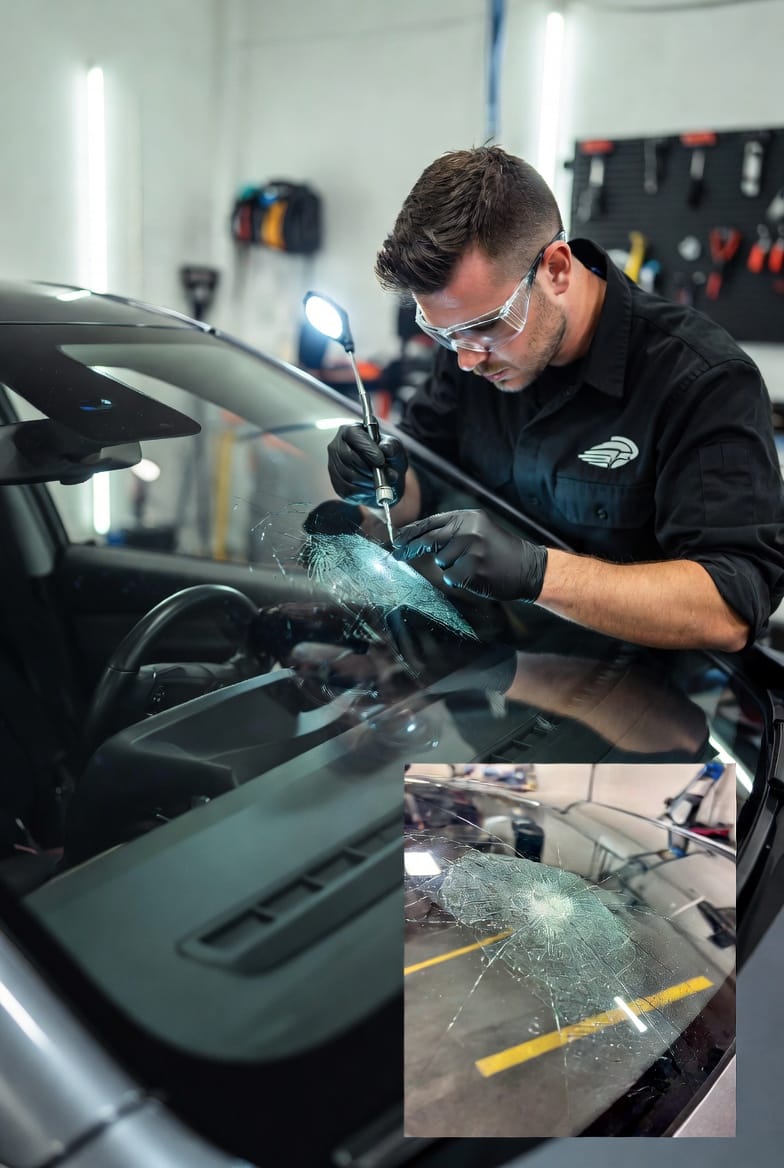
Driving along the open road, the last thing you expect is a sudden ping against your windshield from flying debris. Yet, it happens more often than most drivers realize. A small rock, piece of gravel, or even hail can create a chip or crack that compromises not only your visibility but also the structural integrity of your vehicle. This is where glass coverage in your auto insurance policy becomes an essential safeguard.
Protect Your Windshield – Call for Free Glass Coverage Review
As a common add-on or enhancement to comprehensive coverage, understanding windshield repair and replacement benefits can save you significant time, stress, and money. In this comprehensive guide, we’ll explore what comprehensive glass coverage entails, the critical differences between repair and replacement, whether separate coverage is necessary, and practical advice to help you make informed decisions about protecting your vehicle. Rest assured, having the right protection in place means you can handle these common incidents with confidence and minimal disruption.
What Is Comprehensive Glass Coverage?
Comprehensive glass coverage is a specialized component of your auto insurance that specifically addresses damage to your vehicle’s glass components, primarily the windshield, but often extending to side windows, rear windows, and mirrors. Unlike standard policies that may require you to meet a deductible before benefits apply, many glass coverage options are designed to minimize out-of-pocket expenses for these frequent issues.
This coverage falls under the broader comprehensive coverage umbrella, which protects against non-collision incidents such as theft, vandalism, weather events, and debris strikes. However, dedicated glass coverage often provides more targeted benefits tailored to the unique nature of auto glass damage. It recognizes that windshields are engineered safety features, not just aesthetic elements.
Why is this important? Windshields are more than just windows; they contribute to the vehicle’s structural strength, support airbags during deployment, and house advanced driver-assistance systems (ADAS) in modern cars. Ignoring even minor damage can lead to larger cracks, reduced visibility, and potential safety hazards that affect everyone on the road. With glass coverage, you gain peace of mind knowing that professional help is readily available when you need it most.
Many drivers overlook this add-on until damage occurs, but proactive inclusion ensures you’re prepared for everyday road hazards. Whether you commute daily in urban traffic or enjoy weekend getaways on highways, this coverage acts as a reliable safety net, allowing you to focus on the journey rather than worrying about unexpected repair costs.
Repair Versus Replacement: Knowing the Difference
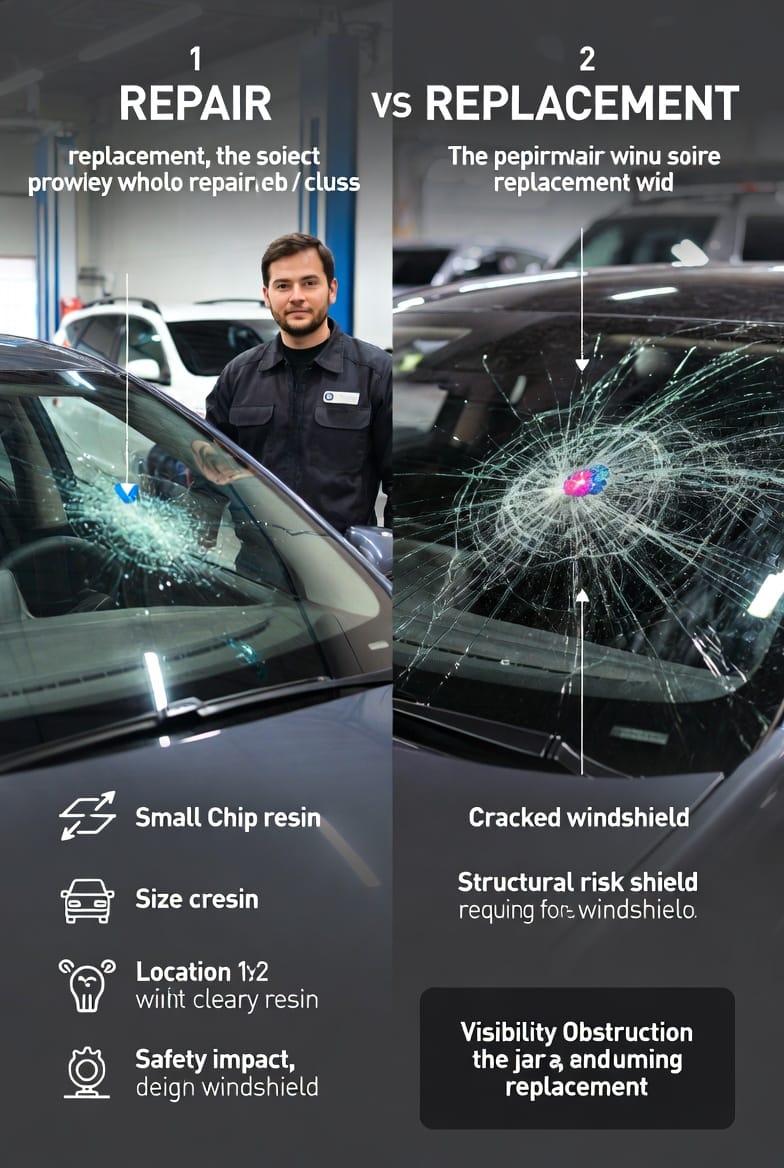
One of the most important distinctions in windshield repair insurance is understanding when a simple repair suffices versus when a full windshield replacement is required.
Windshield repair typically involves filling a small chip or crack with a special resin that bonds the glass and prevents further spreading. This process is quick, cost-effective, and often completed in under an hour, sometimes even at your location through mobile services. Technicians use specialized tools to inject the resin under pressure, curing it with UV light for a strong, nearly invisible seal.
- Repairable damage usually includes chips smaller than a quarter, bull’s-eye cracks, or star breaks that don’t obstruct the driver’s primary line of sight.
- The resin injection restores strength and clarity without the need for removing the entire glass.
- Benefits include preserving the original factory seal and avoiding unnecessary waste.
In contrast, windshield replacement is necessary for larger cracks, extensive spiderweb patterns, or damage in critical vision areas. This involves carefully removing the old windshield and installing a new one, ensuring proper sealing and alignment with the vehicle’s frame. The process demands precision to maintain structural integrity and compatibility with onboard technology.
Factors determining repair or replacement:
- Size and type of damage: Small chips favor repair; cracks longer than six inches often require replacement.
- Location: Damage in the driver’s direct view or near the edges may necessitate replacement for safety and legal compliance.
- Depth: If the damage penetrates through multiple layers of the laminated glass, replacement is usually advised.
- Vehicle age and type: Luxury or newer vehicles with complex sensor systems may have stricter requirements to ensure all systems function perfectly.
Choosing the correct option protects your safety and your wallet. A timely repair can often prevent the need for a more expensive replacement later, while proper replacement guarantees long-term durability.
The Benefits of Adding Glass Coverage to Your Policy
Opting for glass coverage offers numerous advantages that go beyond basic protection and deliver genuine value for today’s drivers.
- Reduced or waived deductibles: Many policies waive the deductible entirely for windshield repair, making minor fixes essentially free and encouraging quick action.
- Convenience: Partnered repair shops often handle claims directly, allowing you to avoid upfront payments and lengthy paperwork.
- Safety assurance: Prompt repairs maintain your windshield’s integrity and ensure ADAS features like lane departure warnings and automatic braking operate correctly.
- Cost savings: Without coverage, a replacement can cost hundreds or thousands of dollars depending on the vehicle make and model, plus potential towing or rental fees.
- Peace of mind: Knowing you’re protected against common road hazards lets you drive with confidence, especially during long trips or in unpredictable weather.
For families with children, daily commuters logging high mileage, and fleet operators managing multiple vehicles, this coverage provides reassurance that unexpected glass damage won’t disrupt your schedule or strain your budget. It also promotes environmental responsibility by favoring efficient repairs over full replacements when possible.
Do You Need Separate Glass Coverage?
A common question among policyholders is whether separate glass coverage is necessary or if your existing comprehensive coverage is sufficient. The answer depends on your insurer, state regulations, and the specific terms of your policy.
In some states, comprehensive coverage automatically includes glass damage but still applies your standard deductible. Full glass coverage or zero-deductible glass endorsements eliminate or reduce this cost barrier specifically for glass claims, offering a more driver-friendly experience.
Consider your situation carefully:
- Do you drive frequently on highways or in areas with heavy construction activity?
- Own a vehicle with expensive OEM glass or advanced technology features?
- Live in regions prone to hail, severe weather, or gravel roads?
If your answers lean toward yes, adding or enhancing glass coverage is often a smart, affordable investment. The additional premium is typically modest compared to the potential savings and convenience during a claim.
Many drivers discover the true value only after an incident, but reviewing options in advance prevents surprises. Consult your policy documents or speak with an insurance professional to review your specific terms. It’s always better to understand your benefits before an incident occurs, empowering you to make proactive choices that align with your driving habits and risk tolerance.
Key Factors Influencing Your Glass Coverage Experience
Several important elements affect how windshield repair and replacement benefits work in practice, and knowing them helps you maximize your protection.
Deductible considerations: Standard deductibles might apply to replacements, but repairs are frequently covered at no cost, removing financial barriers to immediate action.
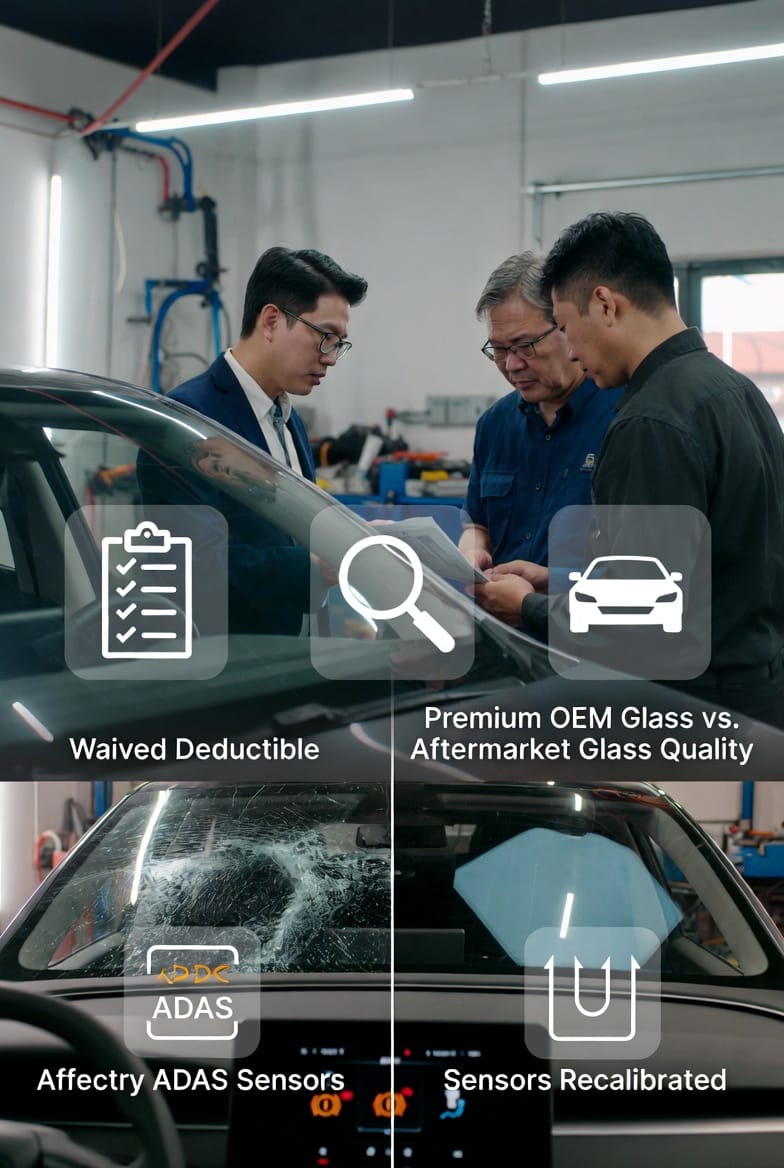
OEM versus aftermarket glass: Original Equipment Manufacturer (OEM) glass matches factory specifications perfectly, which is crucial for fit, tint, acoustic properties, and sensor compatibility. Aftermarket options can be more affordable but may vary in quality and longevity.
Calibration for modern vehicles: Today’s cars feature cameras, rain sensors, and lane-keeping systems integrated into the windshield. After windshield replacement, professional calibration is often required to ensure these systems operate safely and accurately – a service many glass coverage policies help facilitate without extra hassle.
Understanding these factors ensures you receive the highest quality service and maintain your vehicle’s full safety capabilities.
Understanding the Claims Process
Filing a claim under glass coverage is typically straightforward and customer-friendly, designed to get you back on the road quickly.
- Contact your insurer or approved repair provider promptly after noticing the damage.
- Provide details of the incident, photos if possible, and your policy information.
- Schedule a repair or replacement at a convenient time and location, often with mobile options available.
- Let the experts handle the rest while you relax, knowing the process is covered.
Many providers offer same-day or next-day service for repairs, minimizing downtime and keeping your daily routine intact. The entire experience is managed professionally, from initial assessment to final inspection, ensuring quality results every time.
Common Myths About Windshield Damage and Insurance
Myth 1: Small chips are harmless and can be ignored. Reality: They can spread quickly, especially with temperature changes or road vibrations, turning a minor issue into a major expense.
Myth 2: Insurance will always cover everything without cost. Reality: Review your policy for specifics on deductibles and coverage limits to avoid unexpected out-of-pocket costs.
Myth 3: All glass is the same. Reality: Quality, type, and proper calibration matter greatly for safety, performance, and long-term durability.
Being informed helps you avoid unnecessary expenses and risks while making the most of your glass coverage.
Tips for Preventing Windshield Damage
While glass coverage protects you when incidents occur, prevention remains equally important for maintaining your vehicle’s condition.
- Maintain safe following distances to reduce the chance of debris impact from other vehicles.
- Use quality wiper blades and washer fluid to avoid scratches that weaken the glass surface.
- Park in garages or shaded areas during storms to shield against hail and extreme weather.
- Have minor chips repaired immediately before they worsen due to environmental stress.
Regular inspections as part of your vehicle maintenance routine can catch issues early, extending the life of your windshield and supporting overall road safety.
Why Professional Service Matters
Attempting DIY repairs may seem tempting but often leads to suboptimal results or voided warranties. Certified technicians use industry-standard materials and techniques to ensure lasting repairs that meet or exceed safety standards.
In windshield replacement cases, proper installation is critical to prevent leaks, wind noise, and structural weaknesses. Professional service also includes post-installation checks and calibration, guaranteeing your vehicle performs as designed.
Real-World Scenarios: How Glass Coverage Helps
Consider a busy parent whose windshield sustains a chip during the morning school run – comprehensive glass coverage allows same-day mobile repair with no deductible, keeping the family schedule on track. Or picture a long-haul driver encountering hail damage far from home; full replacement including calibration ensures continued safe operation without financial burden.
These everyday examples illustrate how glass coverage delivers practical, reassuring support when it matters most, turning potential setbacks into manageable, covered events.
Why Professional Service Matters (Continued)
Beyond the immediate fix, professional handling ensures compliance with manufacturer specifications and local safety regulations. This attention to detail preserves resale value and maintains warranty coverage on your vehicle. Drivers who choose expert service consistently report higher satisfaction and fewer follow-up issues compared to those attempting shortcuts.
Future Trends in Auto Glass Technology
As vehicles evolve with more integrated technology, glass coverage continues to adapt. Newer windshields incorporate acoustic dampening layers, UV protection, and heads-up display compatibility. Coverage options increasingly include these advanced features, ensuring your policy stays relevant as automotive innovation progresses. Staying informed about these developments helps you select coverage that grows with your driving needs.
Final Thoughts and Next Steps
Knowing your glass coverage empowers you to handle windshield issues confidently and efficiently. Whether it’s a minor chip repair or a necessary replacement, the right auto insurance protection ensures your vehicle remains safe, reliable, and road-ready.
Don’t leave your protection to chance. Review your current policy today and explore options for comprehensive glass coverage.
Understand Your Auto Glass Benefits – Speak to Us Today