The Gas Shut-Off Valve: Location, Operation, and Safety for Homeowners
In today’s homes, natural gas powers everything from heating systems to cooking appliances, delivering convenience and efficiency every day. Yet with this reliable energy source comes the responsibility of emergency preparedness. Knowing exactly how to locate, operate, and safely manage your gas shut-off valve can prevent minor issues from becoming major disasters.
Secure Your Home’s Gas Safety – Call Now!
As trusted plumbing professionals, we emphasize that preparedness equals peace of mind. When you understand your home’s gas system, you gain confidence to act quickly and correctly—protecting your family, property, and community. This comprehensive guide walks you through every essential detail with clear steps, practical tips, and authoritative advice so you can stay in control during unexpected situations.
Why the Gas Shut-Off Valve Matters for Emergency Preparedness
Gas leaks pose serious risks including fire, explosion, or carbon monoxide exposure if not addressed promptly. The main gas shut-off valve serves as your home’s master control switch, allowing you to stop the flow of gas instantly when danger appears.
Rest assured, most homeowners never face a critical emergency—but those who do and know what to do avoid panic and costly damage. Familiarity with the valve turns fear into focused action. By learning its location and operation now, you eliminate hesitation later when seconds count.
Locating Your Main Gas Shut-Off Valve
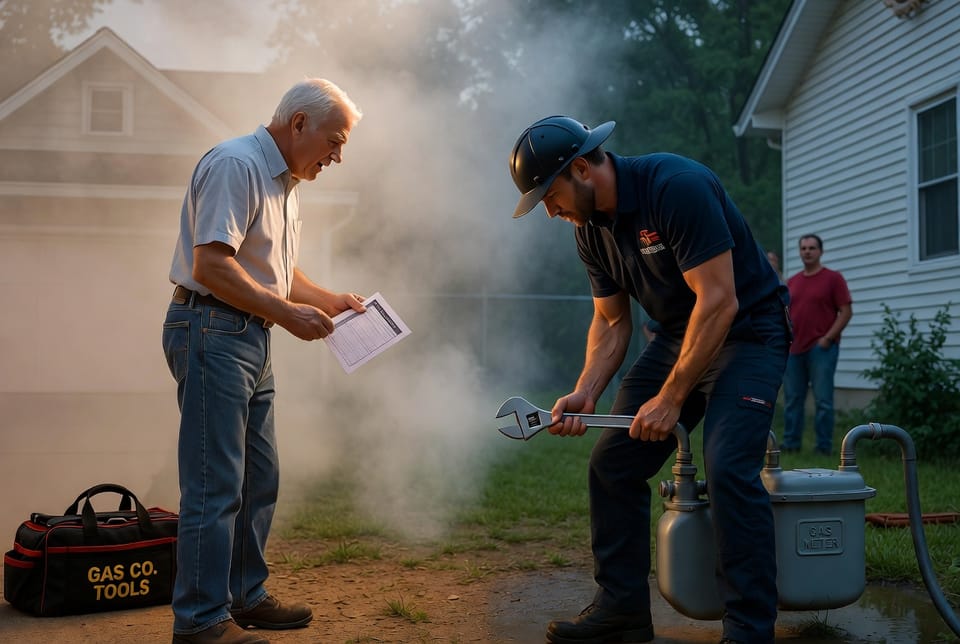
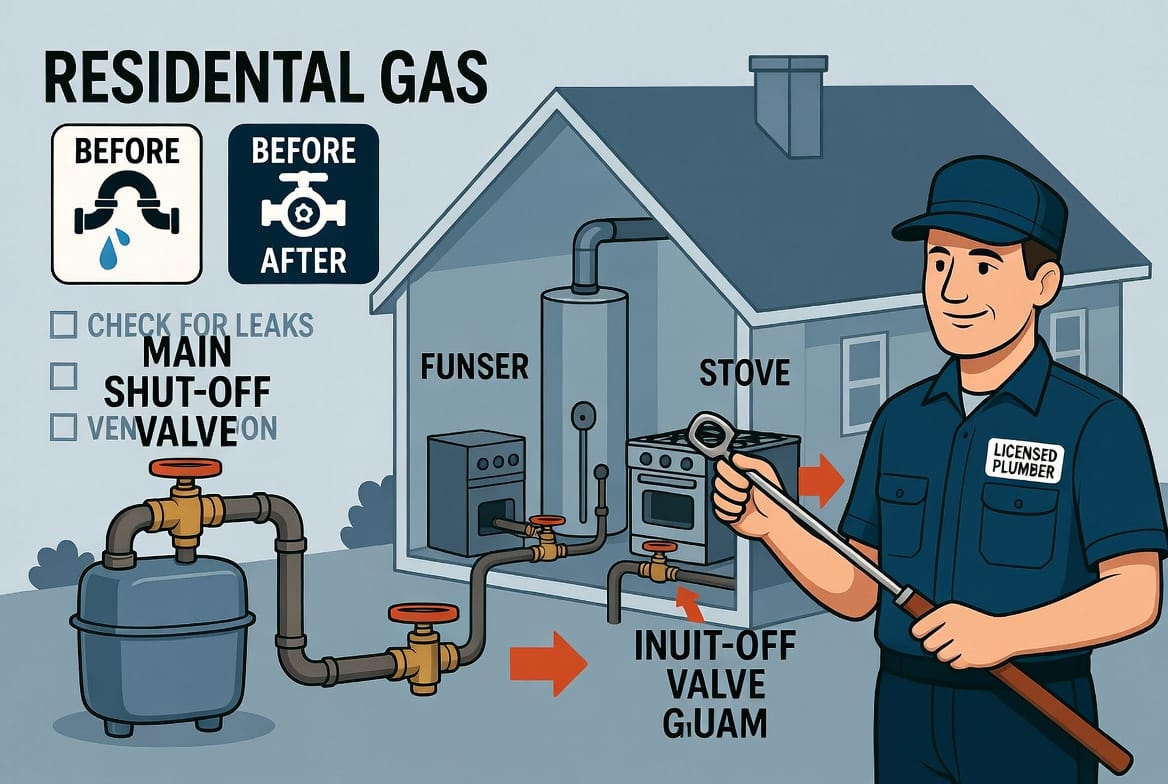
The main gas shut-off valve is almost always positioned outdoors for quick and safe access. Look for your gas meter—a rectangular metal box typically mounted on an exterior wall or near the foundation where the gas line enters your property.
In most single-family homes, the valve sits directly on the pipe coming out of the meter. It usually features a rectangular or lever-style handle that is easy to spot once you know what to search for. Some newer installations place it in a protective metal casing to shield it from weather.
For homes with multiple meters or complex layouts (such as townhouses or properties with underground lines), the valve may sit closer to the point where the service line enters the building. Take time today to walk your property and identify it. Mark its location on a home maintenance map or label the nearby pipe with weatherproof tape for instant recognition.
Pro tip: In colder climates, clear snow or debris around the meter regularly so the valve remains visible and accessible year-round. Apartments and multi-unit buildings often have a shared main valve near the building’s utility entrance—check with your property manager or building maintenance team to confirm exact placement.
Appliance-Specific Shut-Off Valves: Complete System Awareness
Beyond the main valve, individual appliances have their own dedicated shut-off valves for targeted control. These are typically located behind or beneath the appliance: under the kitchen stove, beside the water heater, or near the furnace or dryer.
Each features a small lever or knob similar to the main valve. Knowing both main and appliance locations gives you flexibility—shut off only the affected unit if safe, or isolate the entire house in a widespread emergency.
How to Operate the Gas Shut-Off Valve – Step-by-Step Instructions
Operating the valve is straightforward and requires no special skills beyond basic caution. Here is the exact procedure:
- Stay calm and assess the situation. Confirm the need by checking for signs of trouble before acting.
- Gather the right tool. Keep an adjustable wrench or pipe wrench stored near the meter in a clearly labeled waterproof container.
- Approach safely. Ensure the area around the meter is clear and you are wearing closed-toe shoes.
- Turn the valve. Grip the handle firmly and rotate it one quarter turn (90 degrees) until it sits perpendicular to the pipe. Most valves move clockwise to close.
- Verify shut-off. You should feel slight resistance at the stop point; never force the valve.
Once closed, the gas flow to your entire home stops immediately. This simple action can prevent escalation and buy precious time until professionals arrive.
When to Shut Off the Gas – Recognizing Emergency Signals
Act immediately in these situations:
- Strong odor of rotten eggs (the added safety scent in natural gas).
- Hissing or whistling sound near pipes or appliances.
- Visible damage to gas lines from storms, construction, or accidents.
- Earthquake, fire, or major structural event that could compromise lines.
- Sudden appliance malfunction accompanied by gas smell.
Bold reminder: If you only suspect a minor issue or smell a faint odor without other signs, contact your gas utility first rather than shutting off the supply yourself. Over-caution is always safer than under-reaction.
Essential Safety Procedures Following Shut-Off
After closing the valve:
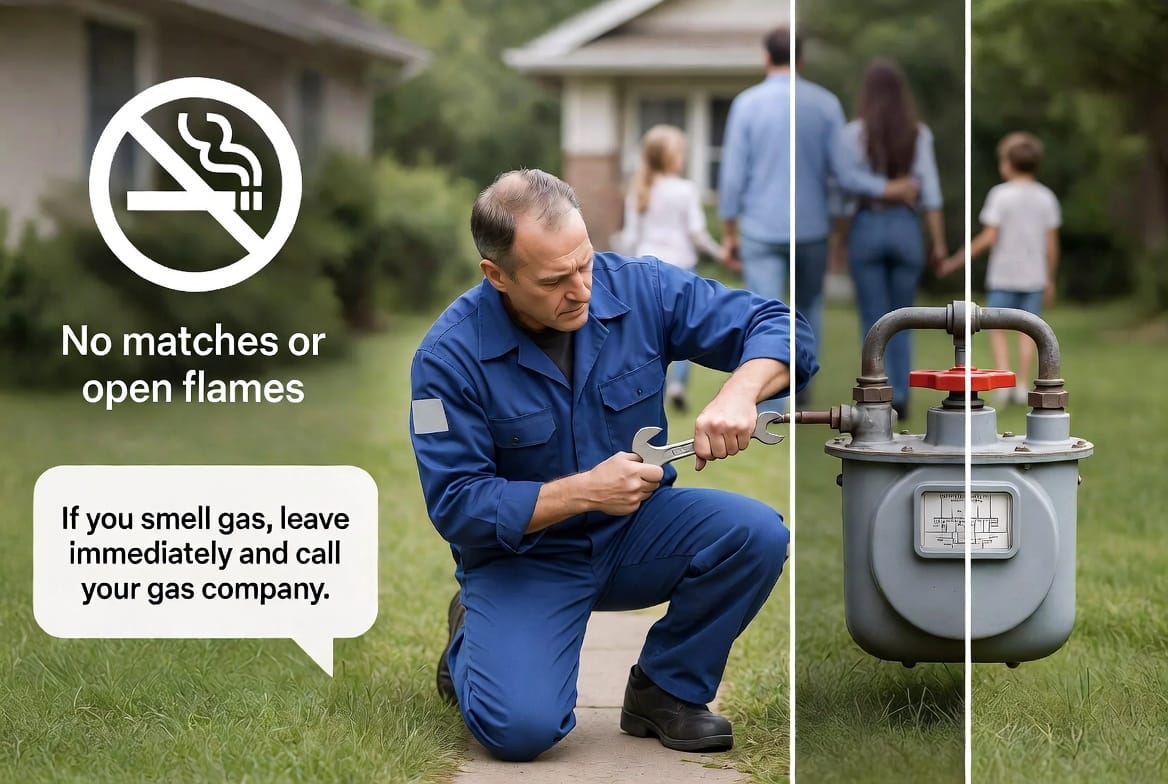
- Evacuate everyone from the home immediately, including pets.
- Avoid using any electrical switches, appliances, or open flames that could spark.
- Call your gas utility provider and a licensed plumber from a safe distance using a mobile phone.
- Do not attempt to turn the gas back on yourself—this requires professional testing for leaks and proper purging.
Only a qualified technician can inspect, repair, and safely restore service. Attempting to restart gas flow without certification risks reintroducing hazards.
Common Myths and Mistakes to Avoid
Many homeowners believe the valve is complicated or that they should never touch it. In reality, the design prioritizes simplicity for emergency use. Another myth is that shutting off gas damages appliances—it does not when performed correctly.
Avoid these errors: turning the valve only partially, using improper tools that could damage the pipe, or delaying action while searching for instructions online. Preparation eliminates these risks entirely.
Building Your Family Emergency Preparedness Plan
Incorporate the gas shut-off valve into your household safety plan. Conduct a family drill once per year, show every adult member the valve location, and keep a dedicated emergency kit containing the wrench, flashlight, and contact numbers.
Discuss scenarios such as nighttime gas odors or post-storm damage so everyone knows the evacuation route and who calls for help. This proactive approach transforms potential chaos into coordinated, confident action.
Maintaining Your Gas System for Long-Term Safety
While the valve itself requires no regular maintenance, schedule annual professional inspections of all gas lines and appliances. A licensed plumber can identify hidden wear, tighten connections, and ensure everything operates at peak safety.
During these visits, ask the technician to walk you through your specific system again—reinforcing knowledge and building lasting confidence.
Final Thoughts: Empowerment Through Knowledge
The gas shut-off valve is more than a simple metal component—it is your reliable safeguard in uncertain moments. By mastering its location, operation, and the proper safety sequence, you transform potential vulnerability into assured control.
Every homeowner benefits from this knowledge. Take five minutes today to locate your valve, store the proper wrench nearby, and review this guide with your family. Small preparation steps deliver enormous protection when it matters most.
Know your gas shut-off before an emergency strikes. For expert gas line questions, repairs, or professional inspections. Our licensed plumbers stand ready to support your home’s safety and your peace of mind—24/7 when you need us.
Protect Your Family from Gas Leaks – Call Now