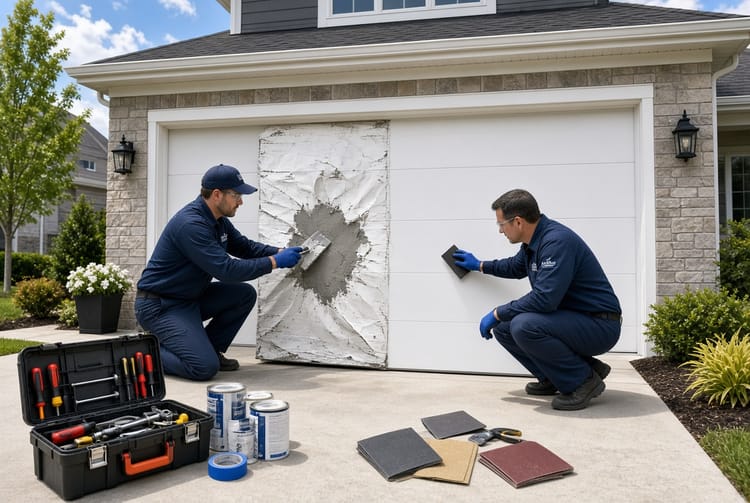
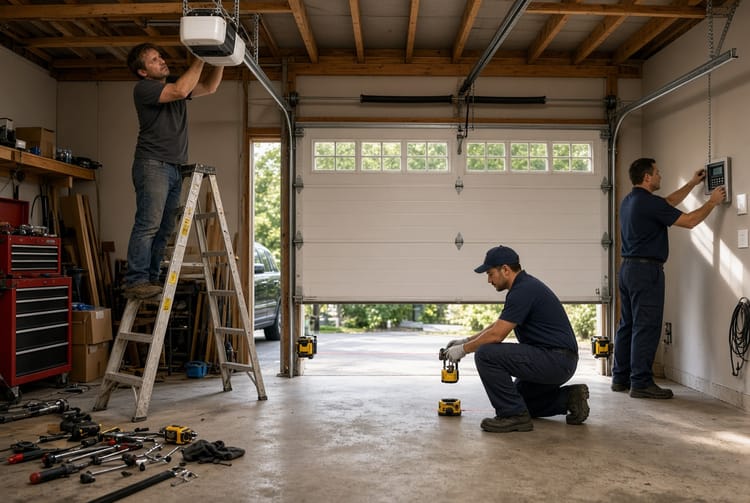
The Garage Door Track Cleaning: Removing Debris for Smooth Operation
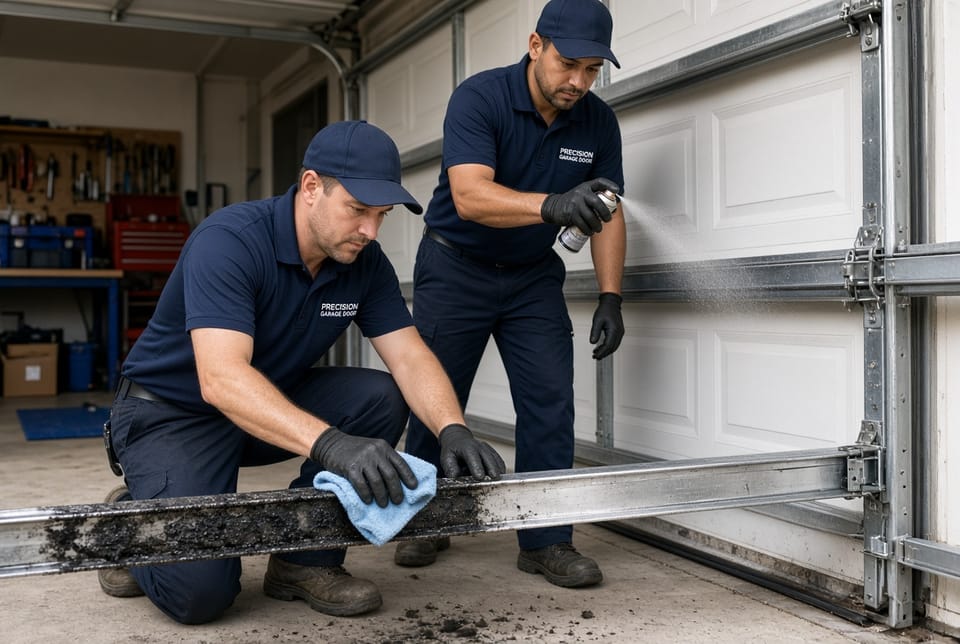
Garage doors are among the hardest-working components of any home. They open and close multiple times each day, supporting heavy panels while gliding along metal tracks that must remain free of obstacles. Over time, those tracks collect dust, grease, and debris that interfere with movement. When this buildup occurs, the door no longer travels smoothly. Instead, it becomes noisy, jerky, and strained. Regular garage door track cleaning is a straightforward maintenance task that prevents these problems and keeps the entire system operating reliably for years.
Remove Debris & Restore Quiet Door Movement – Call Now
This guide explains exactly why tracks become dirty, how to recognize the early signs of buildup, and the precise steps for cleaning and lubricating them. Following these practices protects the door, the opener, and the safety of everyone who uses the garage. Homeowners who stay consistent with track care enjoy quieter operation, reduced wear, and fewer unexpected repairs.
Why Garage Door Tracks Collect Dirt and Debris
Garage door tracks are open channels that run vertically and horizontally along the sides of the door opening. Because they are exposed, they naturally attract particles from the surrounding environment. Several common sources contribute to the accumulation.
Dust settles constantly from the air. In many homes the garage doubles as a workshop or storage area, so sawdust, drywall powder, or outdoor dirt enters whenever the door opens. Even in a clean garage, everyday air circulation deposits a fine layer on the metal surfaces.
Grease and oil residues come from the rollers and hinges themselves. Factory lubricants gradually migrate downward under the force of gravity and repeated motion. When combined with dust, these residues form a sticky film that traps additional particles.
Debris includes leaves, small twigs, packing materials, pet hair, and even fragments of old weather stripping. Wind carries outdoor materials inside, while items stored near the tracks can shed fibers or bits of cardboard. In coastal or industrial areas, salt or fine grit may also settle into the channels.
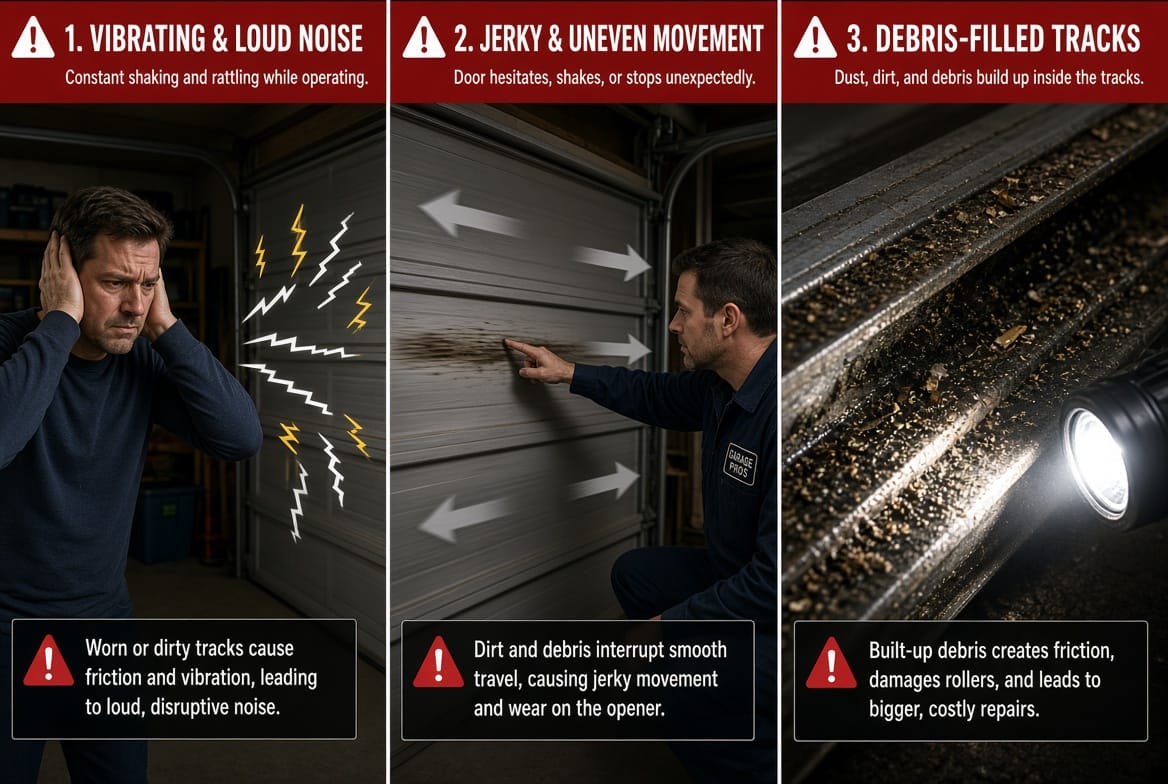
Once these materials mix, they create a grinding paste that increases friction. The rollers no longer roll freely; instead they drag. That extra resistance places stress on the opener motor, the springs, and the cables. Over months the problem compounds, turning a minor maintenance issue into a more expensive repair.
Understanding these sources makes prevention easier. Simple habits such as sweeping the garage floor regularly and keeping storage items away from the tracks reduce the rate of buildup. Still, some accumulation is inevitable, which is why scheduled cleaning remains essential.
Recognizing the Signs of Track Buildup
Early detection allows homeowners to address the issue before it escalates. Several clear indicators signal that debris removal is overdue.
- Noisy operation is often the first clue. A door that once opened with a soft hum now produces scraping, grinding, or squealing sounds. These noises occur when rollers push against hardened grime instead of gliding on clean metal.
- Jerky or uneven movement follows. The door may hesitate, stop briefly, then surge forward. This irregular motion is caused by rollers catching on clumps of debris and then breaking free.
- Visible debris appears as dark streaks, clumps, or a greasy film along the inside of the tracks. Shining a flashlight into the channels makes the buildup obvious.
- Increased effort from the opener shows up as slower travel speed or the motor working harder than usual. In severe cases the door may reverse mid-cycle because the sensors detect excessive resistance.
- Uneven panel alignment can develop when one side of the track is dirtier than the other, causing the door to tilt slightly during travel.
Ignoring these signs risks further damage. Continued operation under high friction wears the rollers flat, stretches the cables, and can even bend the tracks. Addressing the problem promptly restores smooth function and protects the larger system.
Preparing for Safe and Effective Track Cleaning
Before beginning any cleaning, safety comes first. Disconnect the garage door opener by pulling the emergency release cord so the door can be moved by hand. This prevents the motor from activating unexpectedly. Wear gloves to protect hands from grease and eye protection if dust is heavy. Have a stable step ladder ready for reaching the upper sections of the vertical tracks.
Gather a few basic supplies: clean microfiber rags, a soft brush or vacuum with a narrow nozzle, mild detergent mixed with warm water, and a high-quality garage door lubricant formulated for tracks and rollers. Avoid household oils or WD-40 style products; they attract more dirt over time. A dedicated silicone or lithium-based spray designed for garage doors provides lasting protection without residue.
Work on a day when the garage is free of traffic so the door can remain open or partially open as needed. Good lighting helps identify every trace of debris.
Step-by-Step Process for Cleaning Garage Door Tracks
The cleaning sequence is simple yet thorough. Following each stage carefully yields professional results.
Begin by inspecting the entire length of both tracks. Use a flashlight to locate heavy deposits. Vacuum loose dust and debris from the channels, paying special attention to the curves where the vertical tracks meet the horizontal ones. A soft brush helps dislodge particles stuck in corners.
Next, dampen a microfiber rag with the mild detergent solution. Wipe the inside surfaces of the tracks from top to bottom, removing grease and stuck-on grime. Change rags frequently so dirty residue is not redistributed. For stubborn spots, a plastic scraper or an old credit card can gently lift the material without scratching the metal. Never use metal tools that could gouge the track surface.
After the tracks are free of visible dirt, dry them completely with a clean cloth. Moisture left behind can cause rust, especially in humid climates. Once dry, the metal should look bright and smooth.
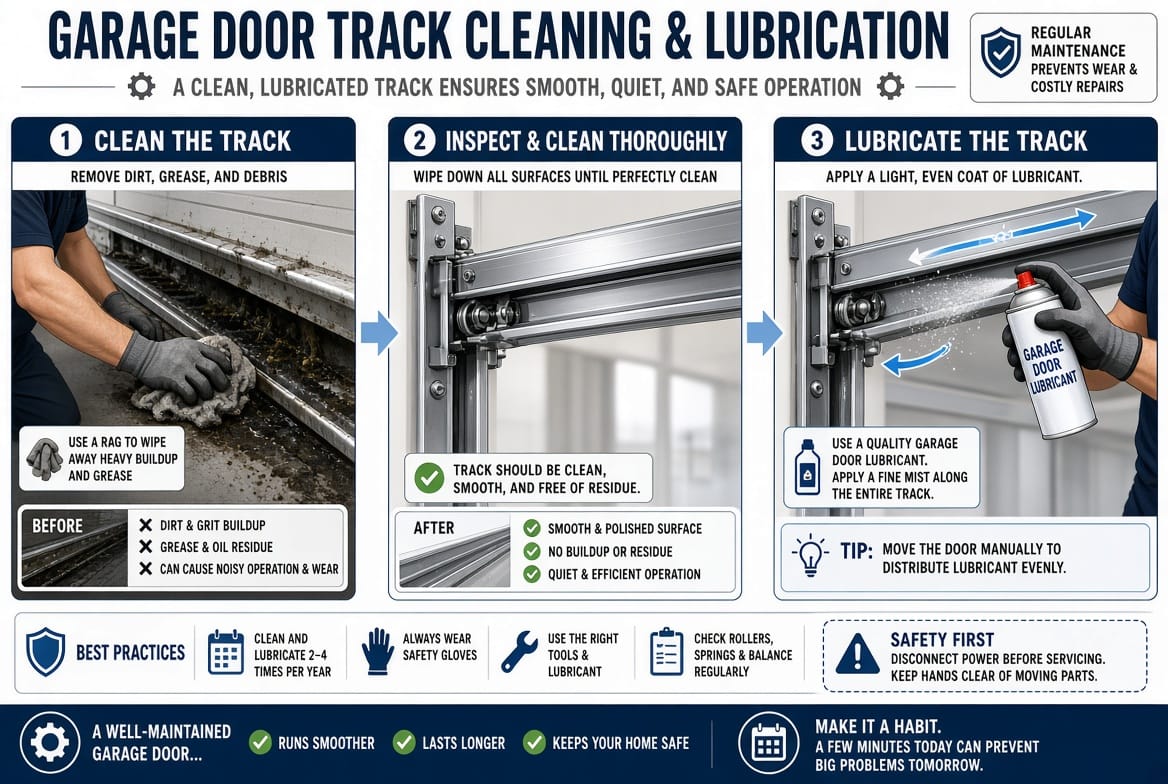
Apply lubricant sparingly along the inner surfaces where the rollers contact the metal. A light, even coat is sufficient; excess lubricant only collects more dust. Manually open and close the door several times to distribute the product evenly. Listen for the quiet, consistent sound that indicates success. If any residual noise remains, recheck for missed debris and repeat the wipe-down.
Finally, reconnect the opener and test the automatic cycle. The door should travel smoothly from fully closed to fully open without hesitation or unusual sounds. This complete process typically takes thirty to forty-five minutes and delivers immediate improvement.
The Importance of Proper Lubrication After Cleaning
Cleaning alone removes the friction source, but lubrication prevents rapid re-accumulation. Quality garage door lubricant creates a protective film that reduces metal-to-metal contact and repels dust. Apply it to the tracks, roller stems, and hinges. Avoid spraying the rollers themselves if they are nylon; focus on the metal shafts that turn inside them.
Reapply lubricant every six months or after any major cleaning. In dusty environments or coastal regions with salt air, more frequent application may be beneficial. Consistent lubrication extends the life of rollers, reduces strain on the opener, and keeps operation whisper-quiet.
Benefits of Maintaining Clean Garage Door Tracks
Homeowners who keep tracks free of debris enjoy multiple advantages. Smooth travel places less stress on every component, delaying the need for expensive part replacements. The opener motor runs cooler and lasts longer because it no longer fights excess resistance. Energy use drops slightly since the system operates more efficiently.
Noise reduction improves the comfort of living spaces adjacent to the garage. Family members and neighbors appreciate the quieter cycles. Safety also increases; a door that moves predictably is less likely to reverse unexpectedly or become stuck in a partially open position.
From a financial perspective, routine track cleaning costs almost nothing compared with emergency service calls. A few minutes of care every few months protects an investment that typically costs several thousand dollars to replace.
Common Mistakes to Avoid During Track Maintenance
Even well-intentioned efforts can cause problems if certain errors occur. Over-lubricating is a frequent mistake; excess product drips onto the floor and attracts dirt faster than untreated tracks. Using the wrong lubricant creates sticky residues that worsen friction.
Neglecting the upper horizontal tracks leaves debris in the area where rollers experience the greatest load. Failing to dry the tracks thoroughly invites corrosion. Attempting to clean while the opener remains engaged risks injury if the door moves unexpectedly.
Another error is ignoring related components. While focusing on tracks, check the rollers for flat spots or cracks and inspect the weather seals for wear. Addressing the entire system during each cleaning session maximizes results.
How Often Should Tracks Be Cleaned
Frequency depends on environment and usage. In a typical suburban home with moderate traffic, cleaning every four to six months keeps tracks in excellent condition. Homes near construction sites, dusty rural roads, or coastal areas benefit from quarterly attention. High-use commercial or multi-car households may need monthly inspections.
Seasonal changes also influence the schedule. After winter, salt and road grit often accumulate. Following a major home project that generates dust, an immediate cleaning restores performance. Establishing a simple calendar reminder ensures the task is never overlooked.
When Professional Assistance Becomes Necessary
Most track cleaning can be performed by homeowners, yet certain situations call for expert help. If the tracks appear bent, dented, or misaligned, specialized tools and knowledge are required to straighten them safely. Severely damaged rollers or cables should be replaced by trained technicians. Persistent noise after thorough cleaning may indicate deeper issues with springs or the opener mechanism.
Professional maintenance visits include a complete system inspection that goes beyond tracks. Springs are tested for proper tension, cables are examined for fraying, and safety sensors are calibrated. Scheduling annual professional service complements regular homeowner cleaning and provides peace of mind.
Preventive Habits That Minimize Future Buildup
Simple daily and weekly practices dramatically slow debris accumulation. Keep the garage floor swept so dust does not rise into the tracks. Store items at least eighteen inches away from the door path. Install a quality weather seal along the bottom of the door to reduce outdoor material entry.
Consider adding a small exhaust fan or dehumidifier if the garage tends to be damp or dusty. These devices improve air quality and reduce the particles that settle on metal surfaces. When washing vehicles inside the garage, rinse thoroughly so grit is not tracked onto the floor near the door.
Educating every family member about the importance of clear tracks encourages collective care. Children and guests quickly learn not to lean bicycles or tools against the rails.
The Long-Term Value of Consistent Track Care
Garage doors are designed to last fifteen to thirty years when properly maintained. Clean tracks form a foundational part of that longevity. By removing friction sources early, homeowners avoid cascading failures that shorten the life of expensive components. The door continues to operate smoothly, quietly, and safely season after season.
In addition to mechanical benefits, well-maintained tracks contribute to curb appeal and home value. Prospective buyers notice a door that moves effortlessly and without noise. Real estate professionals often highlight recent maintenance as a selling point.
The peace of mind that comes from reliable daily operation is equally important. Knowing the garage door will open and close without drama every morning and evening removes a common source of household frustration.
Expanding the Maintenance Routine Beyond Tracks
While tracks deserve focused attention, integrating their care into a broader garage door checklist multiplies the benefits. Quarterly inspection of rollers, hinges, and springs catches wear before it becomes critical. Annual testing of the auto-reverse safety feature ensures the door responds correctly to obstacles. Periodic tightening of hardware prevents vibration and noise.
Many homeowners create a simple one-page checklist that includes track cleaning, lubrication, visual inspection, and opener battery replacement for the remote controls. Completing the list takes less than an hour yet delivers comprehensive protection.
Environmental Factors That Accelerate Track Contamination
Certain climates and locations demand extra vigilance. Desert regions experience fine sand that infiltrates every crevice. Humid subtropical areas promote mold and sticky residue when grease mixes with moisture. Industrial neighborhoods introduce airborne pollutants that settle as a dark film.
In cold climates, ice and snow melt into the tracks and leave mineral deposits. Coastal homes face salt spray that accelerates corrosion once the protective lubricant wears thin. Recognizing local challenges allows homeowners to adjust cleaning frequency and product choice accordingly. Specialized lubricants formulated for extreme temperatures or high humidity provide additional defense.
Tools and Products That Deliver Superior Results
Investing in the right supplies elevates the outcome of every cleaning session. Microfiber rags trap particles more effectively than ordinary cloths. A dedicated track cleaning brush with soft bristles reaches into narrow channels without scratching. High-quality silicone spray or white lithium grease designed specifically for garage doors outperforms generic alternatives.
Some technicians recommend a mild citrus-based cleaner for dissolving heavy grease without harsh chemicals. Always rinse and dry thoroughly after using any cleaner. Storing supplies in a labeled bin near the garage makes the next maintenance session quick and convenient.
Educating the Household on Track Awareness
When every resident understands the importance of clean tracks, problems are spotted earlier. Teach family members to listen for changes in sound and to report any hesitation during operation. Post a small note near the opener remote as a gentle reminder of the last cleaning date and the next scheduled one.
Children can participate in simple tasks such as vacuuming loose debris from the lower tracks under supervision. Involving the household builds shared responsibility and reduces the chance that maintenance is postponed indefinitely.
Measuring Success After Cleaning
The clearest measure of success is sensory. The door should move with a consistent, quiet motion from start to finish. Visual inspection confirms that tracks shine without dark residue. The opener should complete its cycle without strain or mid-travel pauses. If any of these indicators remain imperfect, a second pass of cleaning or a professional evaluation may be warranted.
Documenting the condition with a quick photo before and after creates a useful reference for future sessions. Over time the photo record demonstrates the positive impact of consistent care.
Integrating Track Cleaning into Seasonal Home Maintenance
Pairing garage door track cleaning with other seasonal tasks ensures it is never forgotten. In spring, combine it with outdoor cleanup and HVAC filter changes. In fall, schedule it alongside leaf removal and weather stripping inspection. Linking the task to existing routines makes it automatic rather than optional.
Many homeowners add the activity to digital calendars with recurring reminders. A brief text alert every four months is enough to prompt action before buildup becomes noticeable.
The Role of Professional Service in Comprehensive Care
Even the most diligent homeowner benefits from periodic expert oversight. Certified technicians possess specialized tools for measuring track alignment, testing spring balance, and detecting early wear invisible to the untrained eye. Their experience allows them to recommend upgrades such as nylon rollers that operate more quietly or reinforced tracks for heavier doors.
A professional visit also provides an opportunity to discuss any unusual symptoms and receive tailored advice for the specific garage environment. Combining homeowner cleaning with annual professional service creates a powerful partnership that maximizes system lifespan.
Final Thoughts on Smooth Garage Door Performance
Clean tracks form the foundation of reliable garage door operation. By understanding how dust, grease, and debris accumulate, recognizing the early warning signs of noisy or jerky movement, and performing regular cleaning followed by proper lubrication, every homeowner can maintain a system that performs quietly and efficiently for decades. The process is straightforward, inexpensive, and highly effective.
Keep tracks clean for smooth operation. When professional assistance is preferred or when more complex issues arise. Expert technicians stand ready to restore optimal performance and provide the thorough care that keeps every garage door moving exactly as it should.
Call for Reliable Debris Removal from Garage Door Tracks