The Garage Door Track Alignment: Why Bent or Misaligned Tracks Cause Binding and Failure

Garage door track alignment is the silent foundation of every smooth, reliable garage door system. When tracks become bent or misaligned, everyday use turns into frustration, noise, and potential safety hazards. Homeowners often notice the problem only after door binding, grinding sounds, or an overworked opener begins to fail. The good news? This common mechanical issue is completely correctable when addressed by trained professionals who understand the precise geometry your door demands.
Restore Smooth Garage Door Operation – Call for Track Alignment!
In this in-depth guide, we explain exactly how misaligned garage door tracks develop, why they create binding and system strain, and why expert track alignment is the only reliable path back to quiet, effortless operation. You’ll also learn the warning signs, the risks of ignoring them, and simple maintenance steps that keep your tracks straight for years to come.
Understanding Your Garage Door Track System
Garage door tracks are the precision rails—vertical on the sides and horizontal along the ceiling—that guide the rollers attached to each door panel. These tracks must remain perfectly plumb, level, and parallel for the door to travel without resistance. Even a fraction of an inch of deviation can disrupt the entire balance.
The system works in harmony with springs, cables, and the opener motor. When track alignment is correct, the door glides effortlessly. When it isn’t, friction builds, components wear faster, and the opener works harder than it was designed to. Professional technicians see this issue daily because modern garage doors are heavier and more insulated, making proper alignment even more critical for safe, quiet performance.
Common Causes of Track Misalignment and Bending
Bent tracks and misaligned garage door tracks rarely happen overnight. They develop gradually from everyday stresses or sudden impacts:
- Vehicle collisions – Even a gentle bump from a car or truck can dent or bow the vertical track sections.
- House settling – Over time, foundation movement shifts walls and ceilings, pulling tracks out of plumb.
- Loose hardware – Vibration loosens bolts and brackets, allowing tracks to drift.
- Normal wear and tear – Years of roller friction slowly widen gaps and create subtle bends.
- Improper installation or previous repairs – DIY attempts often leave tracks slightly off, compounding problems later.
Each of these factors creates the same result: rollers no longer sit flush inside the track, causing door binding and uneven movement.
How Misaligned Tracks Lead to Binding, Noise, and Opener Failure
When tracks are bent or misaligned, the rollers bind against the metal edges. This binding forces the door to jerk, stall, or reverse unexpectedly. The opener motor compensates by drawing extra amperage, which overheats the unit and shortens its lifespan dramatically.
You’ll hear the difference immediately—grinding, squealing, or loud clunking as metal fights metal. Over weeks or months, the constant strain can snap cables, stretch springs, or cause the door to stop halfway, creating a dangerous half-open position that compromises home security and safety.
Left unaddressed, misaligned garage door tracks can lead to complete system failure. The cost of replacing an entire opener or door far exceeds the price of professional track alignment. That’s why early intervention is not just convenient—it’s the smartest investment in your garage door’s longevity.
Recognizing the Warning Signs of Track Problems
Catching misaligned tracks early prevents expensive repairs. Watch for these clear indicators:
- Jerky or uneven movement – The door hesitates, bounces, or travels at inconsistent speeds.
- Excessive noise – Grinding, squeaking, or banging sounds during operation.
- Door won’t close fully – It reverses or stops short of the floor.
- Visible gaps between rollers and track – Look for light shining through or obvious bowing.
- Opener struggles or hums loudly – The motor works overtime to compensate for resistance.
- Increased vibration or shaking – Felt throughout the door and frame.
If you notice any of these symptoms, schedule a professional inspection immediately. Delaying only accelerates wear on every connected component.
Why Professional Track Alignment Is the Smart Choice
Attempting to straighten bent tracks yourself might seem tempting, but the risks outweigh the savings. Tracks must be realigned with specialized tools to restore exact plumb, level, and spacing tolerances. Incorrect adjustments can create new binding points or weaken the entire system.
Professional garage door track alignment delivers several advantages:
- Precision equipment ensures measurements that meet manufacturer specifications.
- Safety protocols keep technicians and your family protected during the repair.
- Long-term durability because the fix addresses root causes rather than symptoms.
- Warranty protection on related components when work is performed by certified experts.
Our experienced teams restore track alignment quickly and permanently, giving you confidence that your door will operate smoothly for years ahead.
What to Expect During Professional Alignment Service
When you call for track alignment, the process is straightforward and efficient:
- Thorough visual and operational inspection of all tracks, rollers, and hardware.
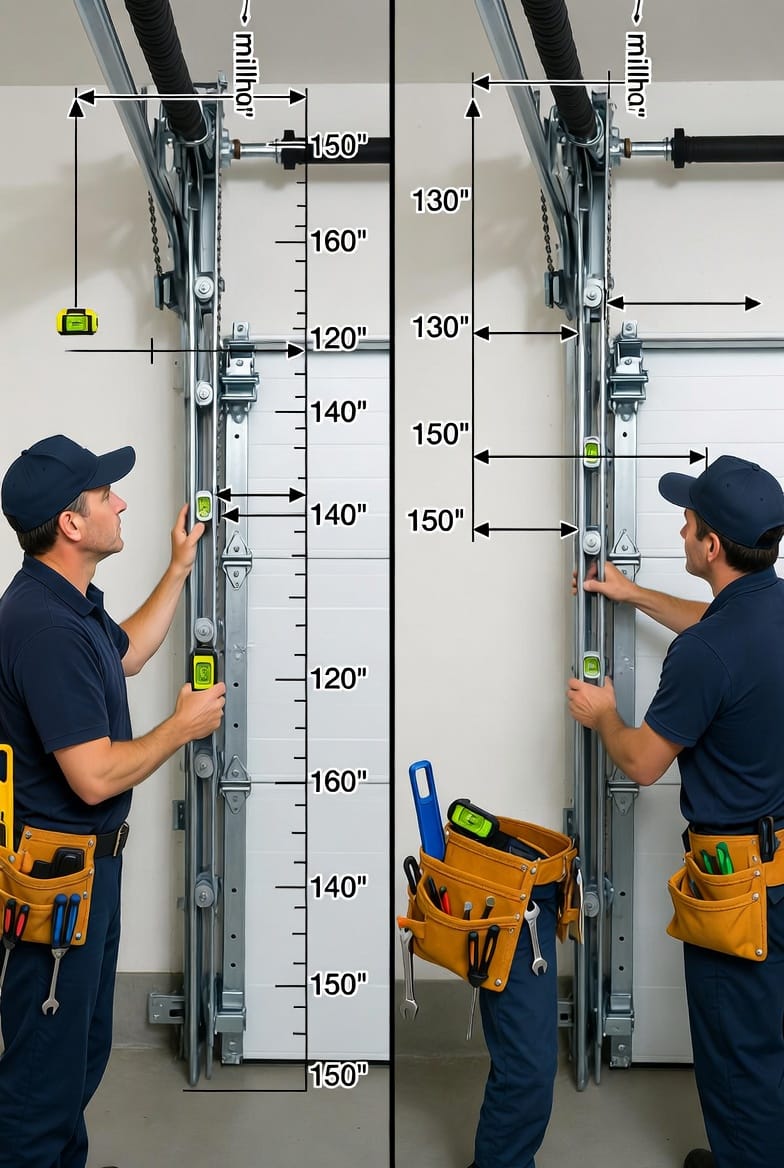
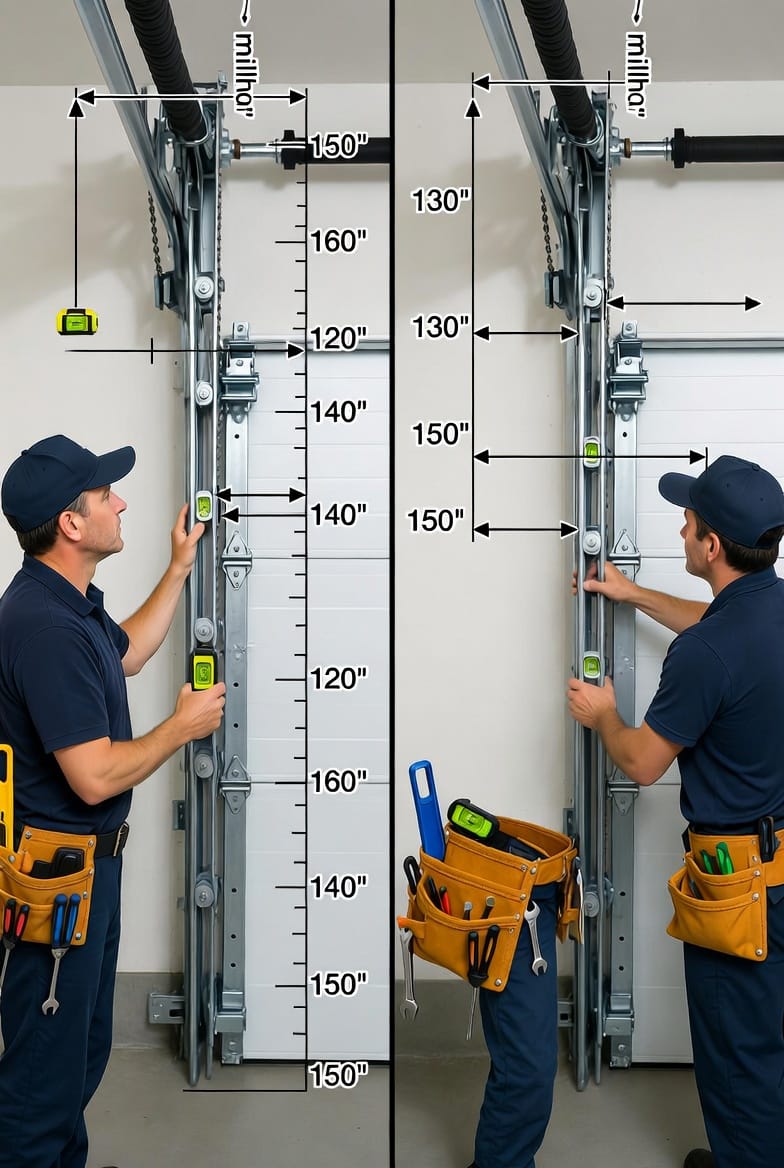
- Precise measurement of vertical plumb and horizontal level.
- Gentle correction of any bowing or misalignment using professional-grade tools.
- Tightening and replacement of any loose or worn brackets and fasteners.
- Final testing through multiple open/close cycles to confirm smooth, quiet operation.
- Lubrication of rollers and tracks for reduced friction.
- Safety check of all connected springs, cables, and the opener unit.
Most alignments are completed in under an hour, with minimal disruption to your day.
Preventing Future Track Issues and Maintenance Tips
Once your garage door track alignment is restored, simple habits keep it that way:
- Avoid forcing the door if it binds—call for service instead.
- Keep the area clear of parked vehicles and stored items that could strike the tracks.
- Schedule annual professional inspections to catch minor shifts early.
- Lubricate rollers and tracks twice per year with garage-door-specific spray.
- Check hardware tightness every six months.
- Monitor for new noises or changes in operation and address them promptly.
These steps dramatically reduce the chance of future bent tracks or misalignment.
Restoring Peace of Mind with Straight Tracks
Your garage door should work reliably every single time you need it—quietly, smoothly, and safely. Bent or misaligned tracks are a common but entirely fixable issue that, when ignored, leads to binding, noise, opener strain, and costly failures. Professional track alignment eliminates these problems at the source and protects your entire system.
Don’t wait for small issues to become major headaches. Smooth operation starts with straight tracks.
Smooth, Quiet Garage Door Starts Here – Call Today!