The Garage Door Opener Safety Beam: Troubleshooting Common Issues
Garage door safety beams are essential components that protect your family, pets, and property from potential accidents. These small but powerful sensors ensure your garage door opener stops or reverses if an obstruction is detected. When they malfunction, everyday convenience turns into frustration and safety risks.
Fix Your Garage Door Sensors Today – Call Now!
In this comprehensive guide, we'll explore garage door opener safety beam functionality, pinpoint common sensor problems, and provide step-by-step troubleshooting solutions. Whether you're a DIY enthusiast or simply want to understand your system better, these insights will help restore smooth, secure operation.
Safety always comes first — properly functioning sensors prevent serious injuries and costly repairs.
How Garage Door Safety Beams Work
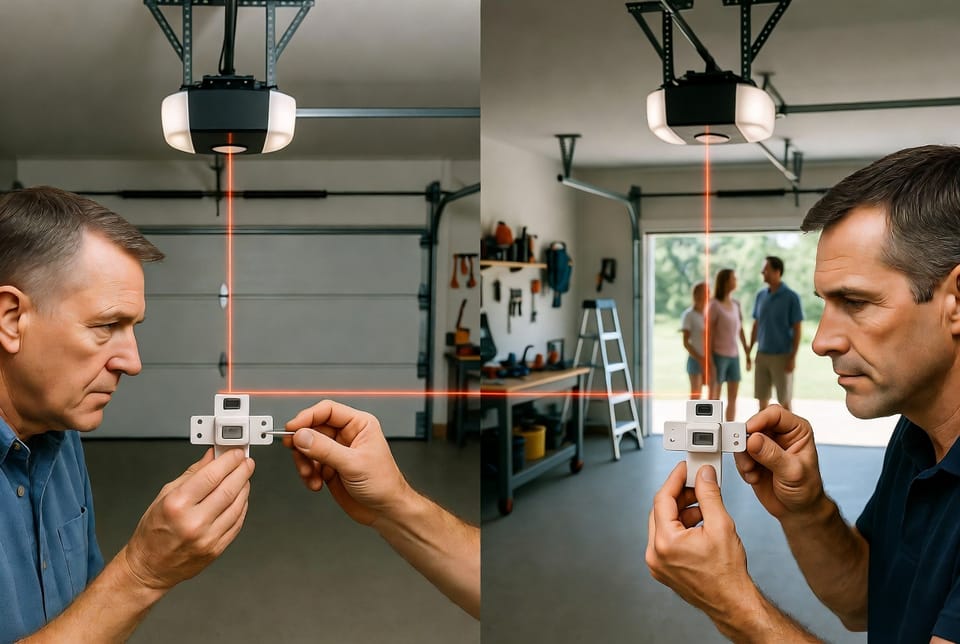
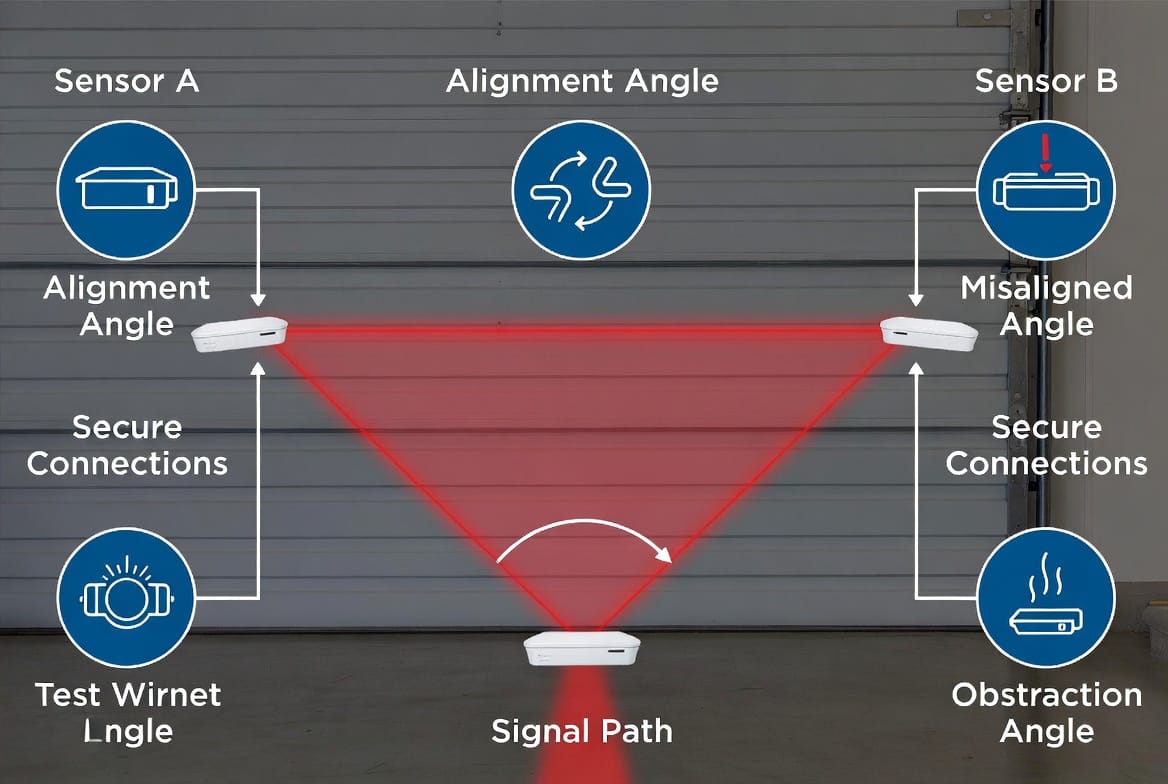
Safety beams, also known as photoelectric sensors or garage door opener sensors, operate using an invisible infrared beam. One sensor acts as the transmitter, sending the beam across the garage doorway to the receiver sensor on the opposite side.
When the beam remains uninterrupted, the door operates normally. If anything breaks the beam — a child, pet, vehicle, or object — the system immediately signals the opener to stop and reverse direction. This reverse mechanism is a critical safety feature mandated in most modern garage door systems.
The sensors are typically mounted 4 to 6 inches above the ground on both sides of the door track. They communicate with the opener's logic board through wiring, creating a reliable safety loop. Understanding this simple yet sophisticated system helps homeowners quickly identify when something goes wrong.
Key benefits of functioning safety beams:
- Prevents crushing injuries
- Protects valuable property inside the garage
- Complies with safety standards
- Reduces liability risks for homeowners
Common Issues with Garage Door Safety Beams
Most garage door sensor problems stem from a handful of preventable causes. Recognizing these early saves time and prevents escalation.
1. Misalignment of Sensors
The most frequent issue is misalignment. Even slight shifts from vibrations, accidental bumps, or seasonal changes can break the beam connection. When sensors are not perfectly facing each other, the opener may refuse to close or only work intermittently.
2. Dirty or Obstructed Lenses
Dust, spider webs, dirt, or moisture buildup on the sensor lenses blocks the infrared signal. This is especially common in garages exposed to vehicles, weather changes, or pests.
3. Damaged or Loose Wiring
Wires connecting sensors to the opener can fray, corrode, or come loose over time. Rodents, physical impact, or age-related wear commonly cause these issues.
4. Environmental Interference
Bright sunlight, extreme temperatures, or reflective surfaces can occasionally interfere with the infrared beam, though quality sensors are designed to minimize this.
5. Faulty Sensors or Opener Logic Board
In rare cases, the sensors themselves fail due to manufacturing defects or prolonged exposure to harsh conditions.
Bold warning: Ignoring sensor issues compromises your entire garage door system's safety. A non-responsive door increases accident risks significantly.
Step-by-Step Troubleshooting Guide
Follow these methods systematically. Most issues resolve with basic cleaning and alignment — no special tools required beyond a ladder, soft cloth, and screwdriver.
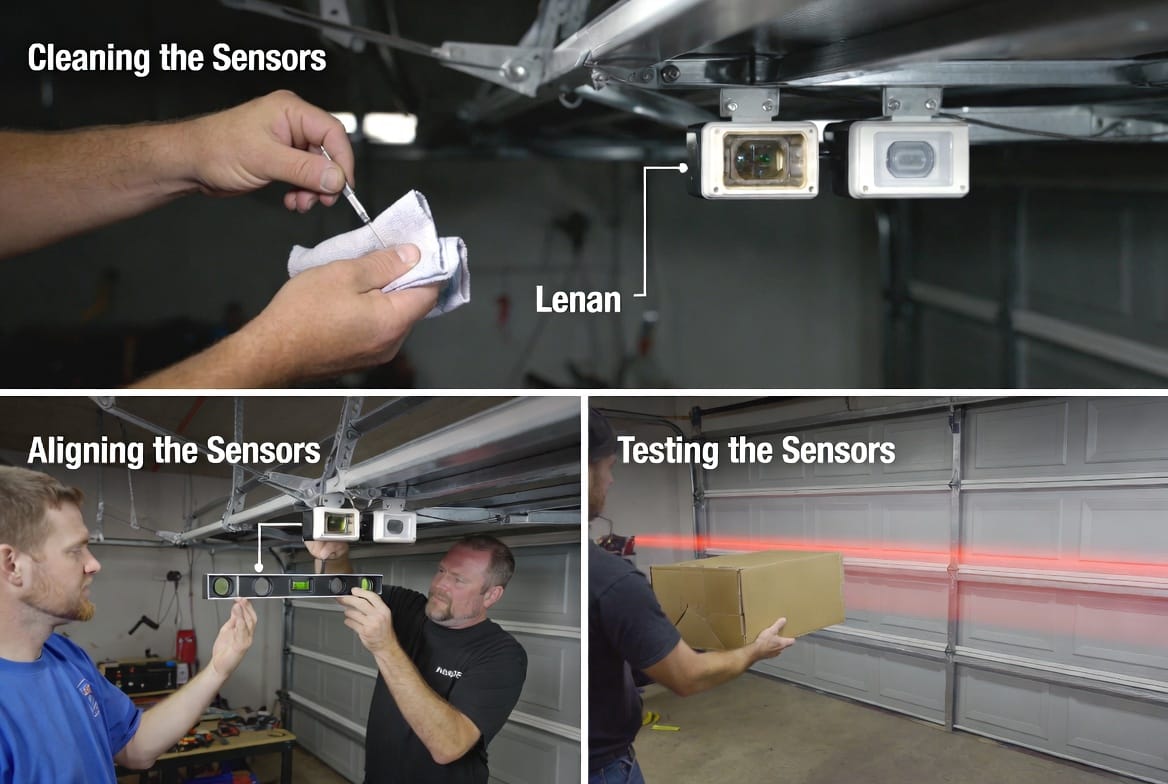
Cleaning the Safety Beam Sensors
Start with the simplest fix: cleaning the lenses.
- Power off the garage door opener at the wall switch for safety.
- Use a soft microfiber cloth slightly dampened with water or mild glass cleaner.
- Gently wipe both transmitter and receiver lenses, removing all dust, grime, and cobwebs.
- Dry thoroughly with a clean cloth to prevent moisture spots.
Pro tip: Clean sensors every 3-6 months as part of routine garage maintenance.
Aligning the Garage Door Sensors
Proper sensor alignment restores the beam connection quickly.
- Check the small LED lights on each sensor. A steady green or red light usually indicates good alignment; blinking or off lights signal problems.
- Loosen the mounting brackets slightly.
- Adjust each sensor until both face directly across from one another at the same height.
- Tighten brackets securely once alignment is achieved.
- Test by closing the door — the beam should remain unbroken.
Inspecting and Repairing Wiring
Examine wires running from sensors to the opener:
- Look for fraying, pinching, or loose connections.
- Secure any loose wires with clips or ties.
- Replace damaged sections with matching gauge wire if needed.
- Ensure connections at the opener logic board are tight.
Testing Sensor Functionality
Always verify repairs with proper testing:
- Place an object (like a cardboard box or broom handle) in the beam path while closing the door.
- The door should stop immediately and reverse upward.
- Repeat the test at different points along the doorway.
Reassuring note: These troubleshooting steps restore functionality for the vast majority of homeowners without professional intervention.
Advanced Troubleshooting and When to Seek Help
Some situations require deeper attention:
- Persistent blinking lights despite cleaning and alignment may indicate wiring faults or failing sensors.
- Intermittent operation in varying weather conditions often points to environmental sensitivity or component wear.
- Error codes on smart openers provide specific diagnostic clues.
Replace sensors if cleaning and alignment fail after thorough attempts. New safety beams are relatively inexpensive and straightforward to install.
Professional Service Advantages
Certified technicians bring:
- Specialized diagnostic tools
- Genuine replacement parts
- Comprehensive system inspection
- Long-term performance guarantees
Don't risk safety — expert help ensures lasting results.
Preventive Maintenance for Long-Term Reliability
Keep your garage door opener safety beam performing optimally:
- Schedule quarterly visual inspections
- Keep the garage floor clear around sensor areas
- Avoid hanging items that could interfere with the beam path
- Consider upgrading to modern sensors with better weather resistance
Consistent maintenance extends the life of your entire garage door system and maintains peak safety standards.
Understanding Safety Standards and Regulations
Modern garage doors must meet strict safety requirements, including functioning photoelectric sensors. Regular troubleshooting helps maintain compliance while protecting what matters most — your loved ones.
Conclusion: Prioritizing Garage Door Safety
The garage door opener safety beam plays a vital silent role in daily life. By understanding how these sensors work and addressing common issues promptly, you ensure reliable, safe operation for years to come.
Remember, a few minutes of maintenance prevents major headaches and potential hazards. Follow the troubleshooting steps outlined here, and your garage door will continue serving you safely and efficiently.
Get Professional Garage Door Sensor Repair – Call Now