The Garage Door Opener RPM Sensor: Why Your Door Reverses for No Reason
Modern garage door openers incorporate advanced safety technology designed to protect your family, vehicles, and property. Among these innovations, the RPM sensor stands as one of the most critical yet often misunderstood components. If your garage door suddenly reverses before fully closing, stops midway, or operates erratically, the RPM sensor is frequently the culprit.
Get Your Garage Door RPM Sensor Fixed Fast – Call Now!
We’ve helped thousands of homeowners resolve these frustrating issues. This comprehensive guide explains exactly what the RPM sensor does, why it matters, common failure signs, and how professional replacement restores smooth, reliable operation.
Understanding the Role of the RPM Sensor in Modern Garage Door Systems
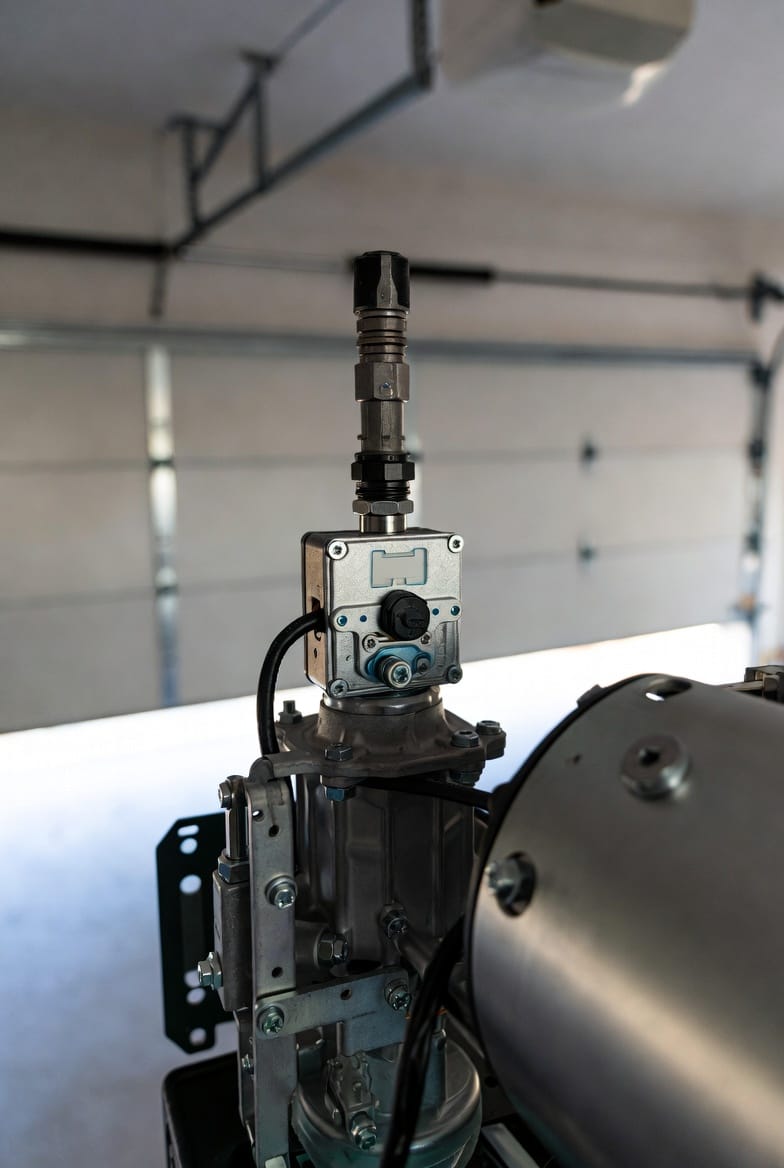
The RPM sensor (Revolutions Per Minute sensor) is a sophisticated electronic device that continuously monitors the rotational speed and direction of your garage door opener’s motor shaft. This real-time data allows the opener’s control board to make instant decisions about the door’s movement.
Key functions include:
- Speed monitoring to ensure consistent operation
- Direction verification to confirm the door is moving as commanded
- Obstacle detection support by identifying unexpected resistance or speed changes
- Safety compliance with current industry standards
Unlike older openers that relied solely on mechanical force or basic photo eyes, the RPM sensor adds an intelligent layer of protection. It acts as the system’s “nervous system,” feeding precise data to prevent accidents and equipment damage.
This technology has become standard in most residential openers manufactured after 2010, reflecting ongoing advancements in home safety.
Why Your Garage Door Might Reverse Unexpectedly
When the RPM sensor functions correctly, your garage door operates smoothly and predictably. However, sensor failure disrupts this balance, causing the opener to interpret normal operation as a potential hazard.
Common reasons for false reversals include:
- Dust and debris buildup on the sensor
- Wiring issues or loose connections
- Magnet misalignment (in magnetic RPM sensors)
- Motor wear affecting consistent shaft rotation
- Control board communication errors
The sensor’s primary job is safety. If it detects any anomaly in speed or direction, it triggers an immediate reversal or shutdown to prevent damage or injury. While this protects you, a failing sensor can turn a reliable system into a daily inconvenience.
Recognizing the Signs of RPM Sensor Failure
Identifying RPM sensor problems early can save you from costly repairs or complete opener replacement. Here are the most common symptoms:
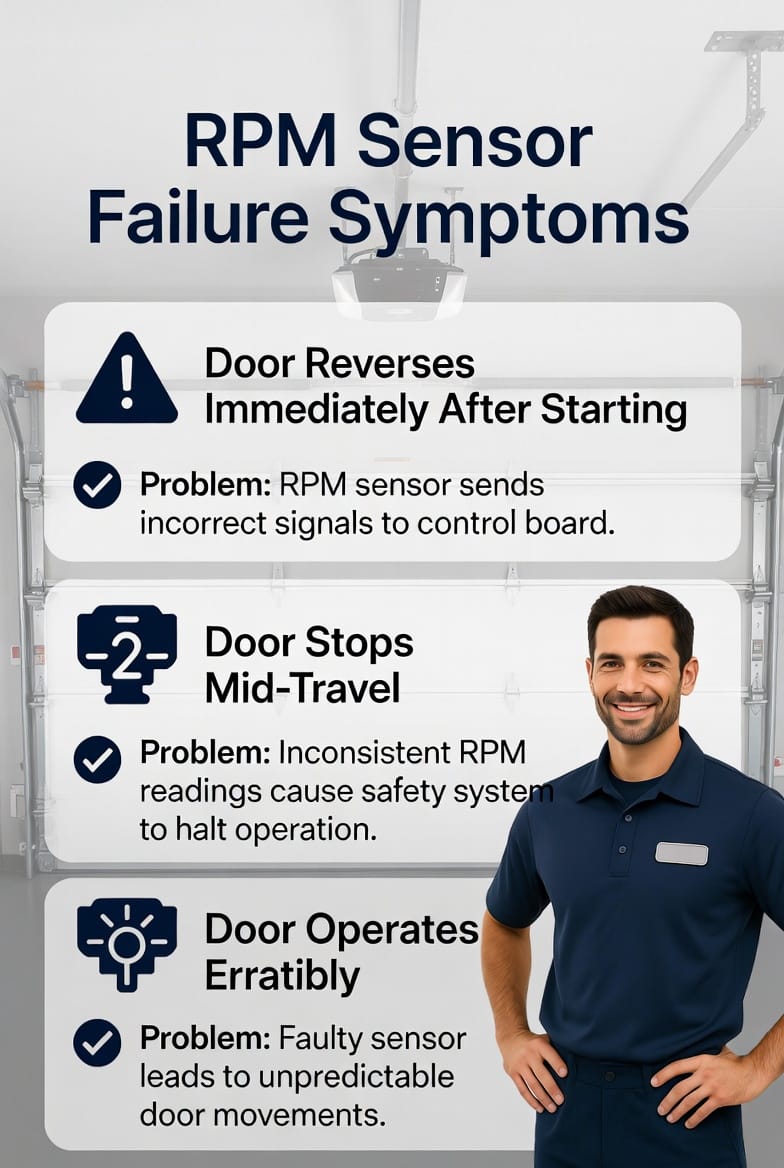
- Door reverses before closing – The opener starts down but immediately travels back up without touching anything
- Intermittent stopping during travel
- Erratic speed changes – The door moves too slowly or speeds up unexpectedly
- Unexplained clicking or beeping from the opener unit
- Complete failure to move in one direction while working in the other
Pro Tip: If your door operates normally when going up but struggles when closing, the RPM sensor is a prime suspect.
These issues often worsen gradually. What starts as occasional reversing can quickly become consistent failure, leaving your garage inaccessible.
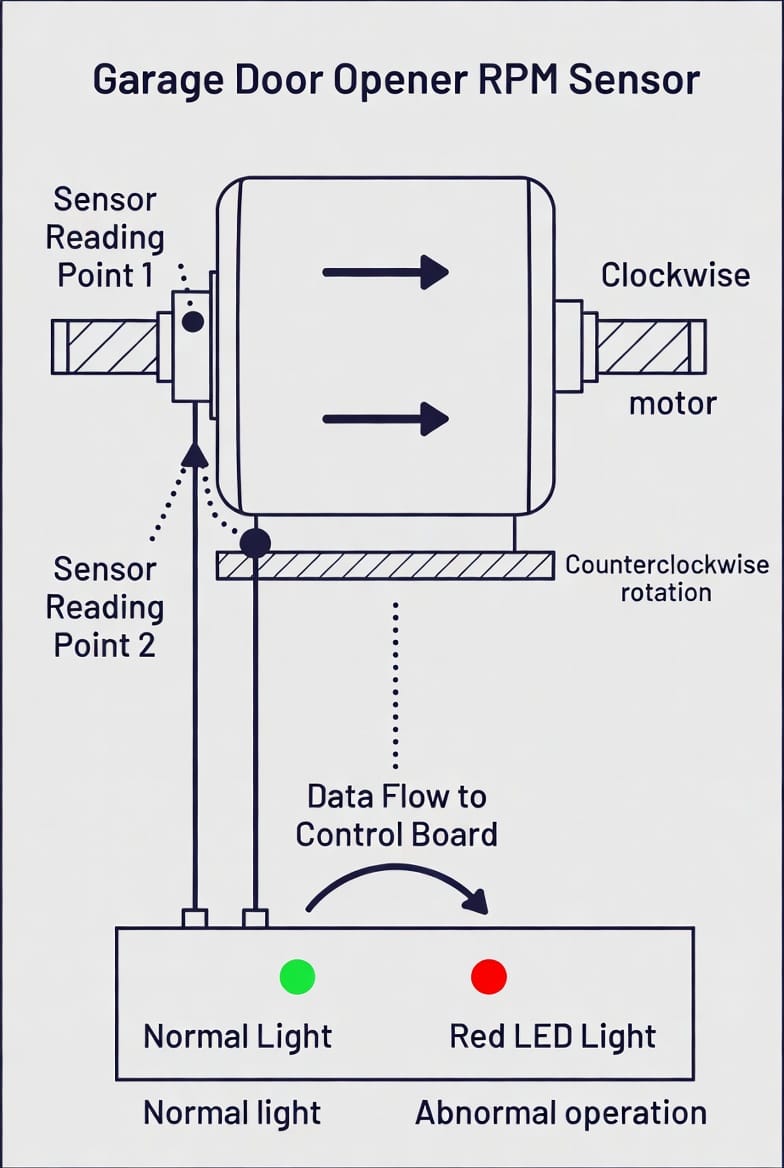
How the RPM Sensor Works: A Technical Overview
The RPM sensor typically uses either optical or magnetic technology to track the motor shaft’s movement. As the shaft rotates, the sensor counts revolutions per minute and reports this data to the opener’s logic board.
This information helps the system:
- Calculate proper door travel distance
- Detect blockages or binding
- Verify motor direction matches the remote command
- Adjust operation based on environmental factors
Modern sensors are remarkably precise, capable of detecting speed variations as small as a fraction of a second. This precision is what makes today’s garage door openers significantly safer than models from previous decades.
When everything works correctly, you enjoy quiet, efficient operation. When the sensor fails, the system defaults to protective mode – often resulting in those frustrating unexplained reversals.
The Safety Importance of a Properly Functioning RPM Sensor
Your garage door is the largest moving object in your home. A 400+ pound door moving at speed carries significant force. The RPM sensor, working alongside photo-eye sensors and auto-reverse mechanisms, forms multiple layers of protection.
This safety feature helps prevent:
- Property damage to vehicles or items in the garage
- Personal injury, especially to children or pets
- Motor burnout from continuous strain
- Chain or belt breakage
Homeowners who ignore RPM sensor issues often face escalating problems, including complete system failure. Addressing the issue promptly ensures continued peace of mind and maintains your opener’s warranty compliance.
Professional Diagnosis and Replacement Process
Replacing a faulty RPM sensor requires technical expertise and proper tools. While some DIY enthusiasts attempt fixes, professional service is strongly recommended for optimal results.
Our typical repair process includes:
- Comprehensive system diagnostic to confirm RPM sensor failure
- Motor shaft inspection for wear or damage
- Precise sensor alignment during installation
- Full operational testing after replacement
- Safety feature verification including photo eyes and force settings
High-quality replacement sensors ensure long-term reliability. We only use components designed specifically for your opener model to maintain performance standards.
Most RPM sensor replacements can be completed in a single service visit, restoring normal operation quickly.
Preventing Future RPM Sensor Problems
While sensor failure can occur unexpectedly, certain maintenance steps significantly extend component life:
- Schedule annual professional inspections
- Keep the garage environment clean and dry
- Avoid excessive force settings on your opener
- Address unusual noises or movements immediately
- Replace worn rollers, springs, and tracks promptly
Consistent maintenance not only protects the RPM sensor but improves overall system longevity.
When to Consider Full Opener Replacement
In some cases, RPM sensor failure indicates broader system aging. If your opener is over 10-15 years old, we may recommend evaluating a complete upgrade rather than individual component repair.
Modern openers offer:
- Battery backup during power outages
- Smartphone integration
- Enhanced encryption for security
- Quieter operation with belt drives
- Improved energy efficiency
Our team provides honest recommendations based on your specific situation and budget.
Restoring Reliable Garage Door Operation
Dealing with an unpredictable garage door is stressful. The good news is that RPM sensor issues are highly solvable with proper expertise. Our experienced technicians understand these systems thoroughly and deliver lasting solutions.
Don’t let unexplained reversals compromise your daily routine or safety. Professional diagnosis provides clarity and effective resolution.
Fix unexplained reversing today. We proudly serve homeowners with expert repairs, maintenance, and installations. Experience the confidence that comes with a properly functioning garage door system.
Restore Smooth Garage Door Operation – Call Now!