The Garage Door Opener Remote Range: Improving Signal Reception
Few household conveniences feel more essential than the simple press of a garage door opener remote. Yet when that button fails to respond from the driveway or street, the resulting frustration can disrupt daily routines and leave homeowners questioning the reliability of an otherwise dependable system. Weak remote range is a remarkably common issue, often stemming from everyday factors that gradually degrade signal reception. Understanding these elements and applying targeted improvements restores seamless operation, eliminates unnecessary stress, and extends the life of your equipment.
Improve Your Remote Range Today – Call Now!
This guide examines the primary influences on garage door opener remote range, including antenna position, environmental interference, and battery condition. It then outlines clear, practical steps to strengthen performance: straightening the antenna, replacing the battery, and relocating metal objects. Throughout, the focus remains on empowering you with reliable solutions while highlighting when professional support delivers the most efficient results.
Understanding the Common Frustration of Limited Remote Range
Imagine approaching your home after a long day, remote in hand, only to discover the garage door remains stubbornly closed until you move within a few feet of the unit. This scenario affects countless households and typically arises not from total system failure but from diminished signal reception. Modern garage door openers rely on radio frequency transmission between the remote and the motor unit’s receiver. When that communication weakens, the convenience of remote operation disappears.
The good news is that most range problems are correctable without full system replacement. By systematically addressing the factors that influence performance, homeowners regain the freedom to open and close the door from greater distances. Consistency in these adjustments also prevents recurring issues and maintains the security benefits of a properly functioning opener.
Key Factors Affecting Garage Door Opener Remote Range
Several interrelated elements determine how far your remote can successfully communicate with the opener. Recognizing each one allows precise troubleshooting and lasting improvement.
Antenna Position and Orientation
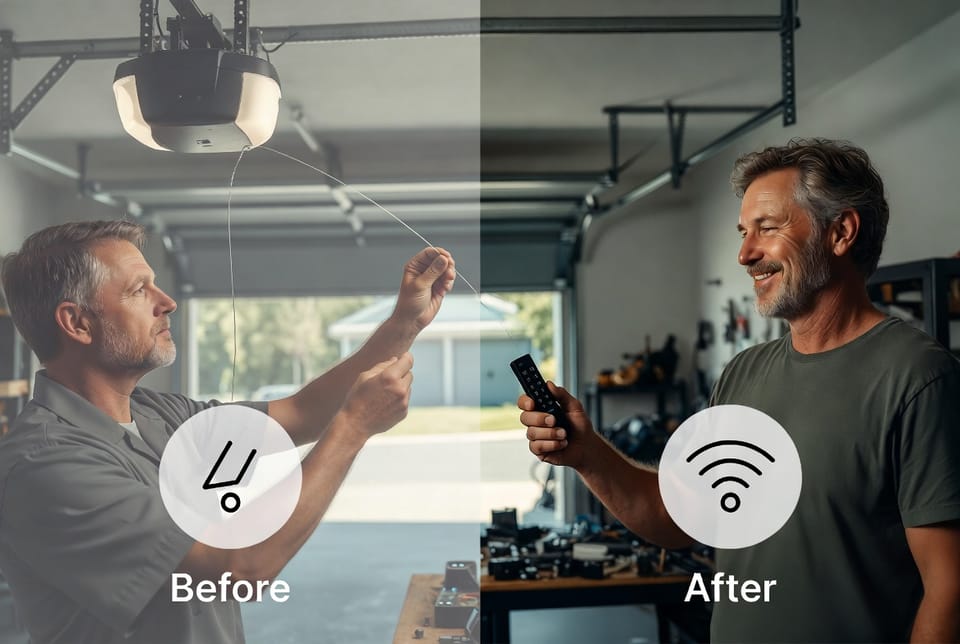
The antenna attached to the garage door opener motor unit serves as the primary receiver for the remote’s signal. In many models, this antenna is a thin wire extending from the unit. Over time, the antenna may become bent, coiled, or pressed against the ceiling or wall during installation or subsequent adjustments. Such positioning restricts its ability to capture signals effectively, dramatically shortening remote range.
Proper orientation—typically straight downward or at a slight angle—maximizes exposure to incoming radio waves. Even minor deviations can reduce reception by half or more, especially in larger garages or homes with thicker walls.
Battery Condition in the Remote
Every remote depends on a small battery to generate a sufficiently strong transmission. As the battery ages or depletes, signal strength declines gradually. Users often notice the remote working only at close range before it eventually stops functioning altogether. Temperature extremes, infrequent use, or simply the natural lifespan of the battery accelerate this process.
A weak battery does not always produce obvious warning signs such as dim indicator lights. Instead, the first symptom frequently appears as reduced signal reception, making regular battery checks an essential maintenance habit.
Environmental and Structural Interference
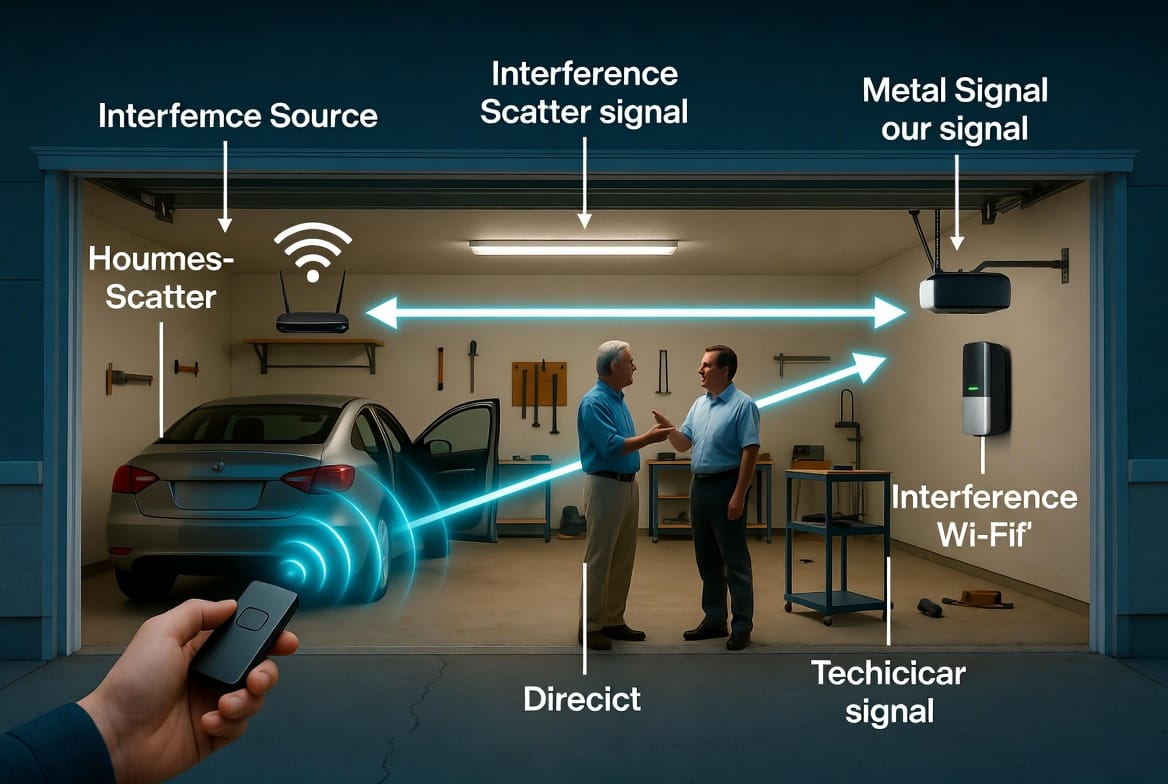
Radio signals travel through the air but encounter obstacles that absorb, reflect, or scatter them. Metal objects—vehicles parked nearby, steel shelving, tools, or even the garage door itself when partially closed—create significant barriers. Household electronics, Wi-Fi routers, fluorescent lighting, and neighboring wireless devices can introduce competing frequencies that further degrade performance.
Building materials also play a role. Concrete walls, metal siding, and dense insulation limit signal penetration more than wood or open space. Understanding these sources of interference helps homeowners rearrange the environment or adjust the opener for clearer pathways.
Practical Steps to Improve Signal Reception
Fortunately, restoring strong garage door opener remote range rarely requires specialized tools or extensive expertise. The following methods address the most frequent causes and deliver measurable results quickly.
Straighten and Optimize the Antenna
Begin by locating the antenna wire on the motor unit, usually hanging from the rear or side of the housing. Gently straighten any bends or coils so the wire hangs freely and points downward without touching other surfaces. Avoid forcing the wire into unnatural positions, as excessive stress can damage internal connections.
Once straightened, test the remote from progressively greater distances. Many homeowners experience an immediate expansion of remote range—sometimes doubling the previous effective distance. If the antenna appears damaged or missing, professional replacement ensures compatibility and optimal performance.
Replace the Remote Battery
Open the remote casing according to the manufacturer’s design (often a simple slide or screw mechanism) and remove the existing battery. Insert a fresh battery of the identical type and voltage, typically a 3-volt lithium or alkaline cell. Confirm proper polarity before closing the case.
After replacement, retest the remote. A new battery frequently restores full transmission power, allowing reliable operation from the street or across larger properties. Schedule battery changes every one to two years, or sooner if range begins to diminish, to maintain consistent signal reception.
Relocate Metal Objects and Reduce Interference
Survey the area surrounding the garage door opener and the typical path of the remote signal. Move metal storage racks, large tools, or parked vehicles away from the direct line between the driveway and the motor unit whenever possible. Position Wi-Fi routers and other electronics farther from the opener if they share the same wall or ceiling space.
In some cases, simply raising the opener’s mounting position or ensuring the antenna remains clear of metal tracks yields substantial improvement. These environmental adjustments complement the hardware fixes and create a more reliable operating environment long-term.
Additional Best Practices for Sustained Performance
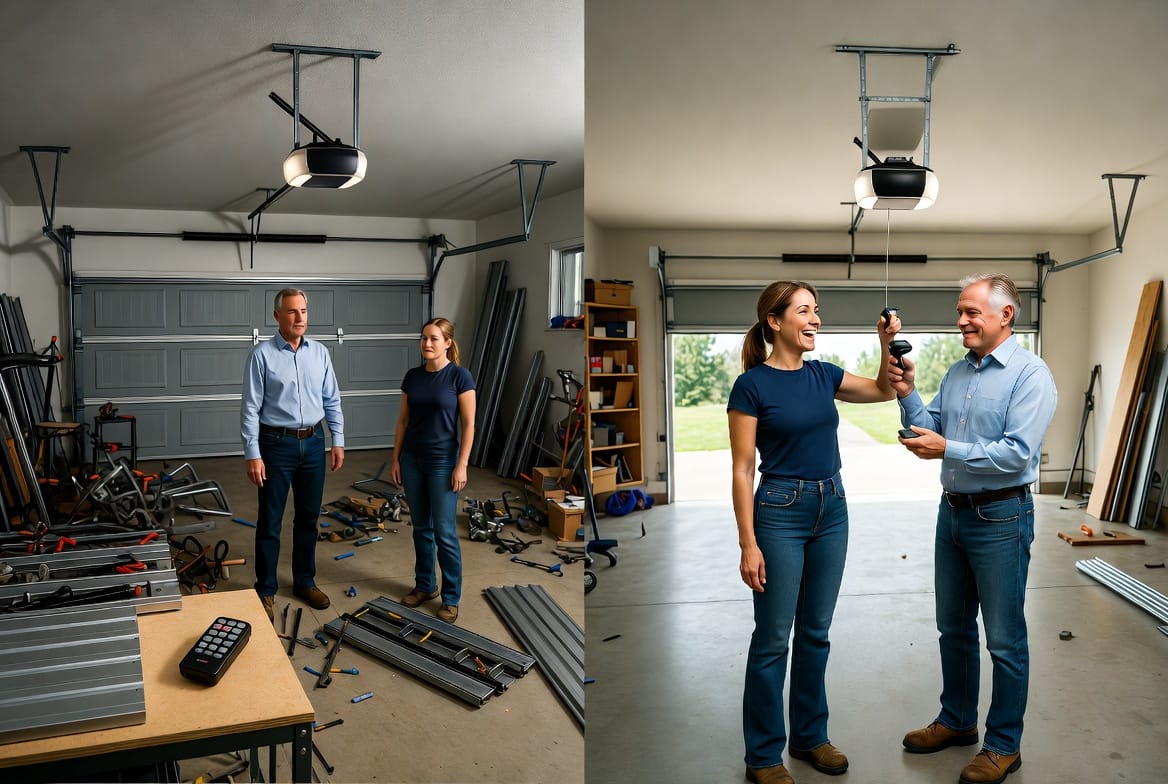
Beyond the core improvements, several habits further protect remote range and overall system health. Keep the remote clean and free of moisture, as dirt or corrosion on contacts can weaken transmission. Avoid storing the remote near strong magnets or extreme heat sources that accelerate battery drain.
Periodically inspect the opener’s safety sensors and track alignment, because mechanical strain sometimes indirectly affects electronic components. When multiple remotes serve the same opener, test each one individually; a single weak remote does not indicate a receiver problem.
For homes with particularly thick walls or extensive metal construction, consider compatible range-extending accessories designed specifically for the opener model. These devices amplify the signal without altering the core system and maintain manufacturer safety standards.
Recognizing When Professional Assistance Provides the Best Outcome
While the steps outlined above resolve the majority of range concerns, certain situations benefit from expert evaluation. Persistent issues after antenna adjustment, battery replacement, and interference reduction may point to a failing receiver board, outdated frequency compatibility, or wiring degradation within the motor unit.
Professional technicians possess diagnostic tools that measure exact signal strength and identify hidden sources of interference. They can also confirm that any modifications preserve the opener’s safety features, including auto-reverse mechanisms and sensor alignment. Scheduling service ensures the system operates at peak efficiency and complies with current safety codes.
Homeowners who value convenience and long-term reliability often find that a single service visit eliminates recurring frustration and restores full remote range more thoroughly than repeated DIY attempts.
The Lasting Benefits of Strong Signal Reception
Restoring robust garage door opener remote range delivers more than convenience. It enhances daily efficiency, supports secure entry and exit, and reduces wear on the motor unit by minimizing repeated close-range attempts. Consistent performance also contributes to peace of mind, knowing the system responds predictably regardless of weather or time of day.
By addressing antenna position, battery health, and environmental interference systematically, homeowners protect their investment and enjoy uninterrupted access for years. These straightforward improvements require minimal time yet produce substantial results, reinforcing the value of proactive maintenance.
Final Recommendations for Reliable Operation
Begin with the simplest actions—straightening the antenna and installing a fresh battery—then progress to clearing metal objects and testing from greater distances. Document the changes and note any remaining limitations. If range remains insufficient, professional diagnosis provides clarity and lasting solutions.
Maintaining awareness of the factors that influence signal reception empowers informed decisions and prevents minor issues from escalating. With these practices in place, the garage door opener remote once again functions as the effortless tool it was designed to be.
Get Stronger Signal Reception – Call Today!