The Garage Door Opener Photo-Eye: Cleaning and Testing for Safety
Garage door openers have become essential for modern homes, offering convenience and security with every open and close. Yet many homeowners overlook a critical safety component: the photo-eye sensors. These small but powerful devices prevent accidents by ensuring the door reverses if an obstruction is detected. Regular cleaning and testing of your garage door opener photo-eye sensors can save you from costly repairs, enhance safety, and provide peace of mind.
Ask About Economizer Retrofit Options – Call Today
In this comprehensive guide, we’ll explore how photo-eye sensors function, common warning signs of issues, detailed maintenance steps, and best practices for keeping them in top condition. Whether you’re a DIY enthusiast or prefer professional assistance, proper sensor care is a simple way to maintain your garage door system’s reliability.
How Garage Door Photo-Eye Sensors Work
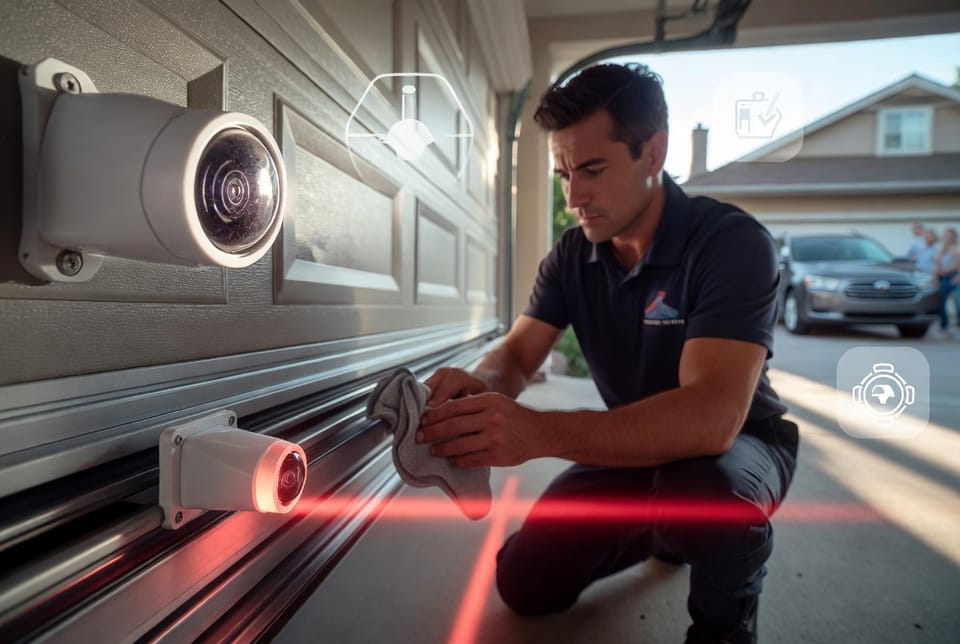
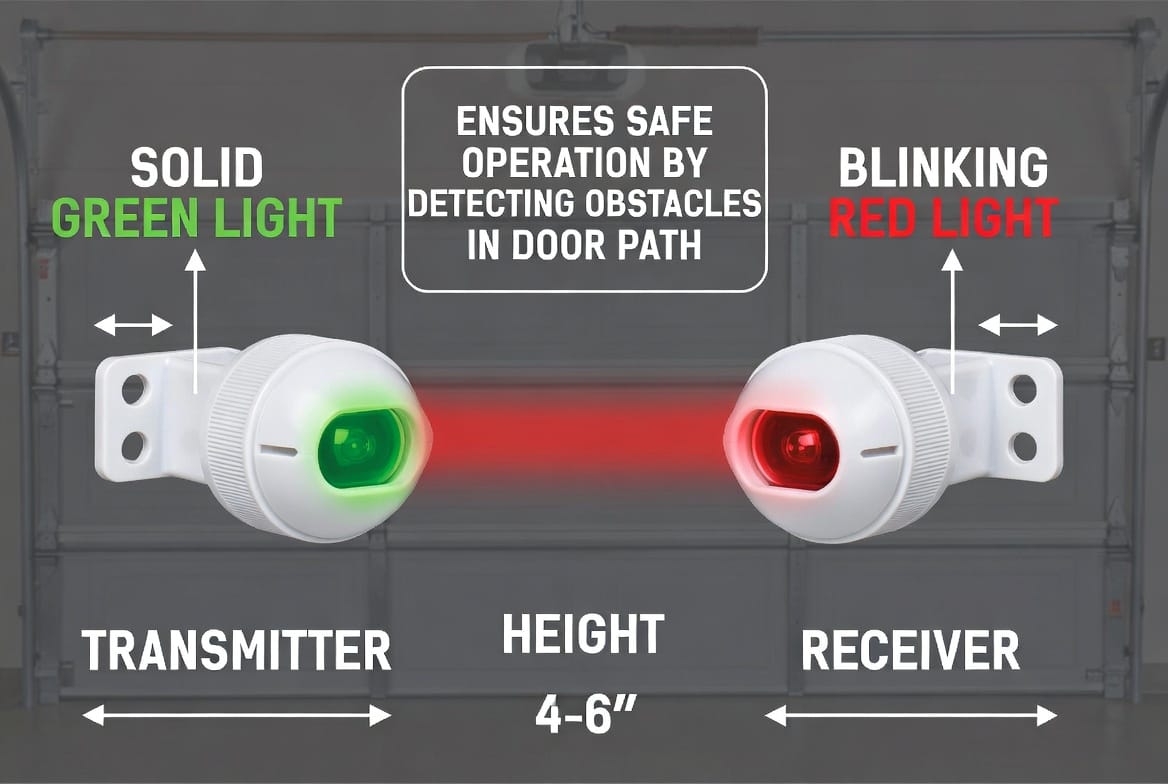
Photo-eye sensors, also known as safety sensors or photoelectric eyes, are mounted near the bottom of the garage door tracks — typically 4 to 6 inches off the ground — on opposite sides of the doorway. They work by emitting an invisible or visible infrared light beam across the opening.
When the beam remains unbroken, the door operates normally. If anything interrupts the beam — a child, pet, vehicle, or debris — the sensors signal the opener to immediately reverse direction, preventing injury or damage. This automatic reverse mechanism is a vital safety feature mandated by modern standards.
Key benefits of properly functioning photo-eyes include:
- Protection for family members and pets
- Prevention of property damage to vehicles or belongings
- Compliance with safety regulations
- Reduced wear on the garage door opener motor
Understanding this technology empowers homeowners to recognize when maintenance is needed before minor issues escalate.
Common Signs Your Photo-Eye Sensors Need Attention
Ignoring sensor problems can lead to frustrating malfunctions or, worse, safety risks. Watch for these telltale indicators:
- Blinking indicator lights: Most sensors have LED lights that should remain solid when aligned. Blinking usually signals misalignment or obstruction.
- Door refuses to close: The opener may reverse repeatedly or fail to descend fully.
- Intermittent operation: The door works inconsistently, especially on sunny days when external light interferes.
- Visible dirt or debris: Dust, spider webs, or condensation on the lenses.
- Error codes or unusual noises: Some openers display sensor-related alerts.
If you notice any of these issues, prompt action is essential. Dirty or misaligned sensors are among the most common causes of garage door problems, but they are also among the easiest to fix.
Early detection through regular visual checks keeps your system running smoothly and avoids unnecessary service calls.
Step-by-Step Guide to Cleaning Garage Door Photo-Eye Sensors
Cleaning your photo-eye sensors is a quick, low-cost task that delivers immediate results. Gather these simple supplies: microfiber cloth, mild glass cleaner or isopropyl alcohol solution, compressed air canister, and a step stool if needed.
- Safety first — Disconnect power to the garage door opener or switch it to manual mode to prevent accidental movement during maintenance.
- Inspect the sensors — Locate the units on both sides of the door. Wipe away loose dirt with a dry cloth.
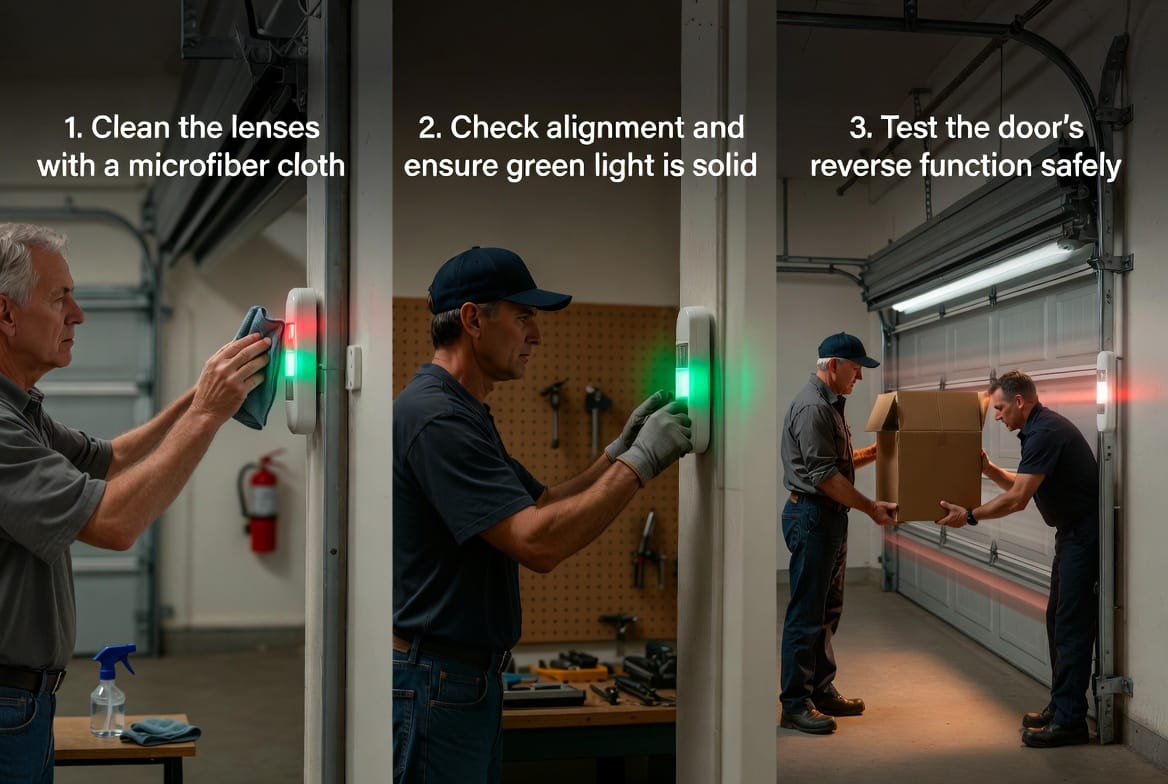
- Clean the lenses thoroughly — Spray cleaner onto the microfiber cloth (never directly on sensors) and gently wipe both the transmitter and receiver lenses until they are spotless. Remove any film, dust, or insect residue that could block the beam.
- Clear surrounding areas — Use compressed air to blow away cobwebs or debris from brackets and nearby tracks.
- Dry completely — Ensure no moisture remains, as it can cause fogging or electrical issues.
This process typically takes less than 10 minutes but can restore full functionality instantly.
Realigning Misaligned Photo-Eye Sensors
Cleaning alone may not suffice if brackets have shifted. Proper alignment ensures the beam connects perfectly:
- Loosen the mounting brackets slightly.
- Adjust each sensor so the beam hits the receiver directly (watch for solid lights instead of blinking).
- Tighten brackets securely while maintaining position.
- Test multiple times from different angles.
Sunlight or vibrations from passing traffic can gradually knock sensors out of alignment, making periodic checks important. Aim for the lenses to face each other squarely at the same height.
Testing Your Sensors After Maintenance
Never skip this crucial verification step. Perform these tests regularly:
- Beam test: Open and close the door while waving an object through the beam path. The door should reverse immediately.
- Force test: Place a small, soft obstruction (like a 2x4 board on its side) under the closing door. It must stop and reverse upon contact.
- Full cycle test: Run several complete open-close cycles to confirm consistent operation.
Consistent testing confirms that your safety reverse system is working as designed, protecting what matters most.
Advanced Troubleshooting and Maintenance Tips
For persistent issues:
- Check wiring connections for looseness or damage.
- Ensure sensors are mounted at the manufacturer-recommended height.
- Consider environmental factors like extreme temperatures or heavy dust in your area.
- Replace sensors if lenses are cracked or units show corrosion.
Seasonal maintenance — especially before winter or after stormy seasons — helps prevent unexpected failures. Creating a simple home maintenance checklist that includes photo-eye inspection ensures nothing is overlooked.
Bolded key safety reminder: Always prioritize safety. If your garage door still behaves erratically after cleaning and realignment, professional diagnosis is the smartest choice.
The Long-Term Benefits of Sensor Maintenance
Investing a few minutes monthly in garage door photo-eye care yields significant returns:
- Enhanced family safety and accident prevention
- Extended lifespan of your garage door opener
- Fewer emergency repair calls and lower costs
- Smoother daily operation and convenience
- Peace of mind knowing your system meets safety standards
Homeowners who maintain their sensors report greater reliability and confidence in their garage door systems year-round.
When to Call Professional Garage Door Technicians
While many sensor issues are DIY-friendly, complex problems involving wiring, programming, or full replacement require expert attention. Certified technicians bring specialized tools, genuine parts, and years of experience to ensure lasting repairs.
Don’t risk safety by attempting advanced fixes yourself. Professional service guarantees proper installation and testing.
Clean sensors prevent false reverses and keep your family safe. If you need reliable sensor service, adjustments, or a complete system check. Our team is ready to help restore your garage door’s safety and performance quickly and affordably.
Regular attention to your garage door opener photo-eye sensors transforms a potential hazard into a dependable safeguard. By following these guidelines, you protect your loved ones while enjoying hassle-free access to your garage every day. Implement these practices today and experience the difference that proactive maintenance makes.