The Garage Door Opener Emergency Release: When and How to Use It
In the hustle of daily life, your garage door serves as more than just an entryway—it's a critical component of home security, convenience, and safety. Yet, many homeowners remain unfamiliar with one of its most vital safety features: the garage door opener emergency release. This straightforward mechanism can become your lifeline during power outages, mechanical failures, or other unexpected events.
Get Professional Garage Door Repair & Maintenance – Call Now!
Understanding and confidently using this feature ensures you stay prepared, protected, and in control. In this comprehensive guide, we'll explore everything you need to know about the emergency release, empowering you with practical knowledge that prioritizes safety first.
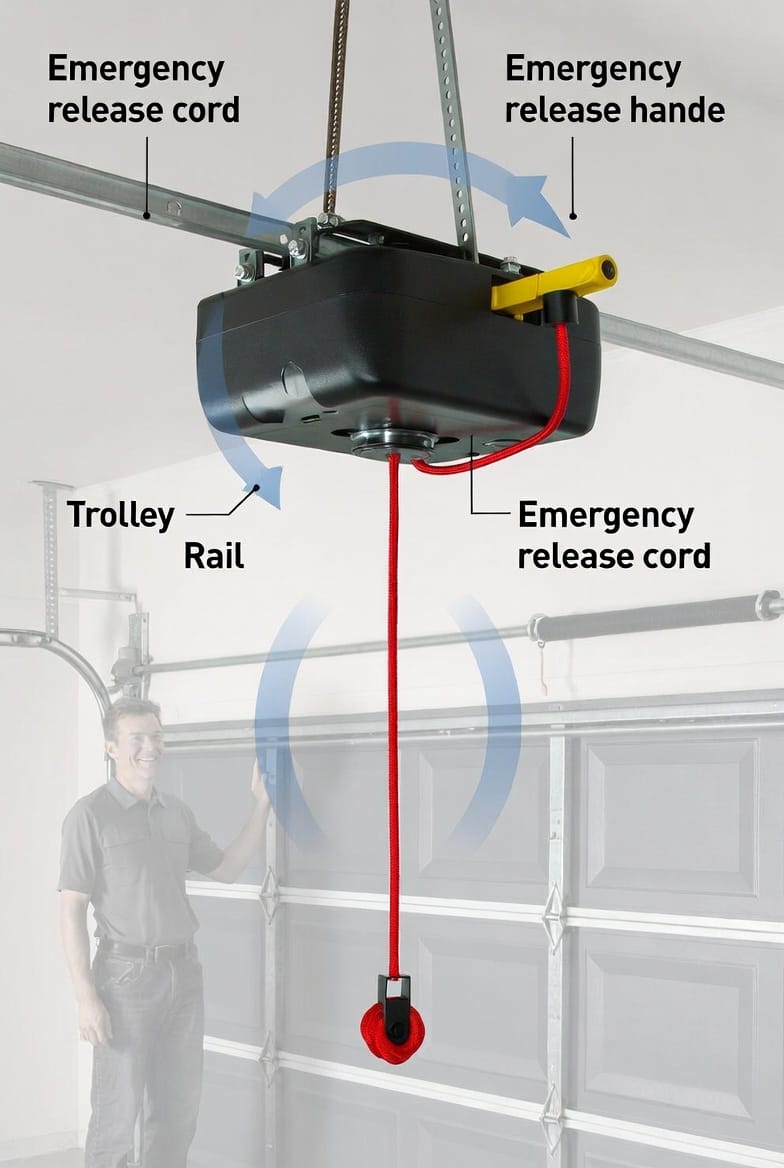
What Is the Garage Door Opener Emergency Release?
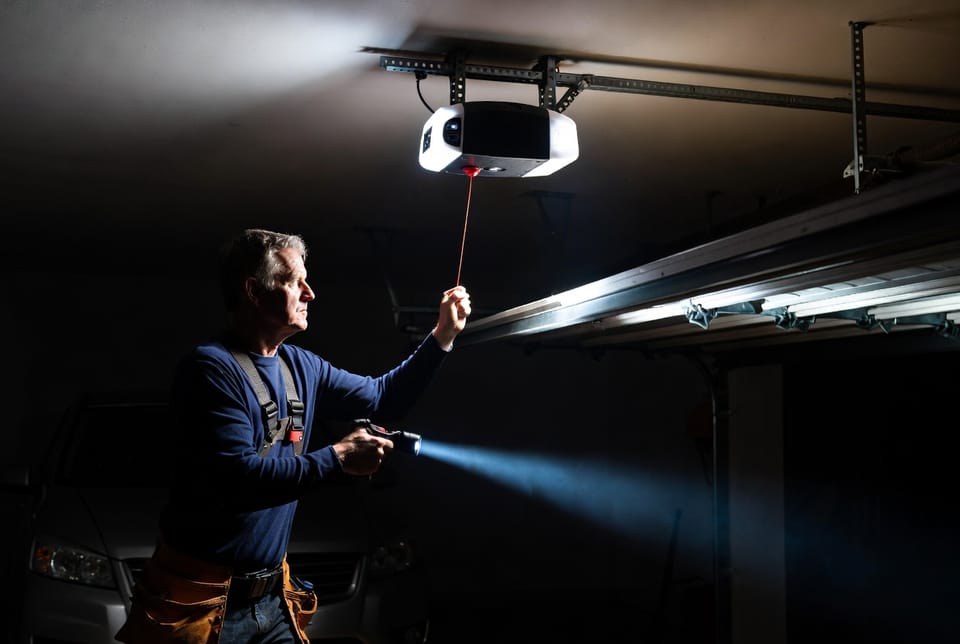
The emergency release is a built-in safety component on most automatic garage door openers. It consists of a red cord (often with a handle) connected to the opener's trolley or carriage system.
When activated, it disengages the opener from the garage door, allowing you to operate the door manually. This prevents the motorized system from fighting against your efforts during emergencies, reducing strain on the door, tracks, and springs.
Key benefits include:
- Immediate manual access when electricity is unavailable.
- Protection against opener malfunctions that could lock you in or out.
- Prevention of potential damage to the entire garage door system.
This feature reflects years of engineering focused on user safety and reliability. Manufacturers design it to be intuitive yet secure, ensuring it only activates when intentionally pulled.
When Should You Use the Emergency Release?
Knowing when to use the emergency release is just as important as knowing how. Here are the primary scenarios where this feature proves invaluable:
- Power Outages: During storms or grid failures, your opener loses power. The release lets you open and close the door by hand to secure your home and vehicles.
- Opener Failure: If the motor stops working due to wear, electrical issues, or sensor problems, manual operation keeps you moving.
- Emergency Evacuation: In situations like fire or medical emergencies, quick manual access can save precious time.
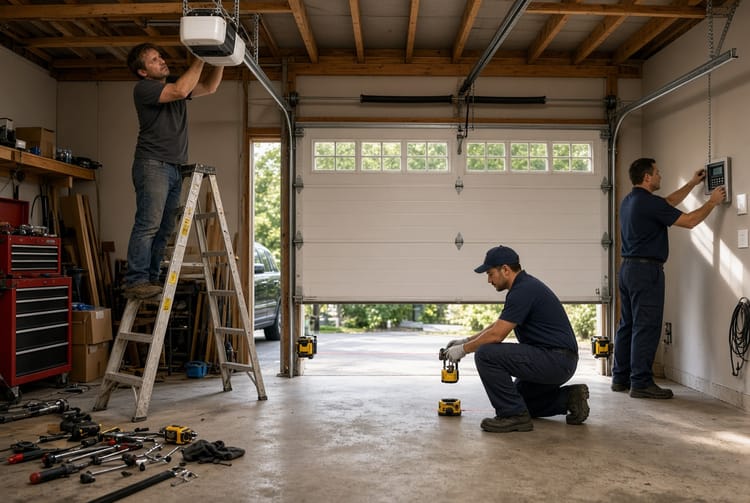
- Maintenance or Repairs: Professionals often use the release during servicing to safely work on the system without motor interference.
Important safety note: Only use the emergency release when the door is in a stable position. Never attempt manual operation if you suspect broken springs or damaged cables, as these pose serious injury risks.
Bold reminder: Regular inspections by qualified technicians help identify issues before they escalate into emergencies.
Step-by-Step: How to Safely Use the Emergency Release
Follow these clear steps for confident, risk-free operation:
- Locate the Release Cord: Stand inside the garage and find the red cord hanging from the opener unit (typically near the center of the door track).
- Pull the Cord Firmly: Give it a steady downward pull until you feel and hear the mechanism disengage. The door should now move freely.
- Manually Operate the Door: Lift or lower the door carefully using the handles or bottom edge. Use both hands for better control on heavier doors.
- Secure the Area: Once open or closed as needed, prop the door temporarily if required, but never leave it unattended in a partially open state.
Pro Tip: Practice this process during daylight with the power on (after disengaging) to build familiarity without pressure.
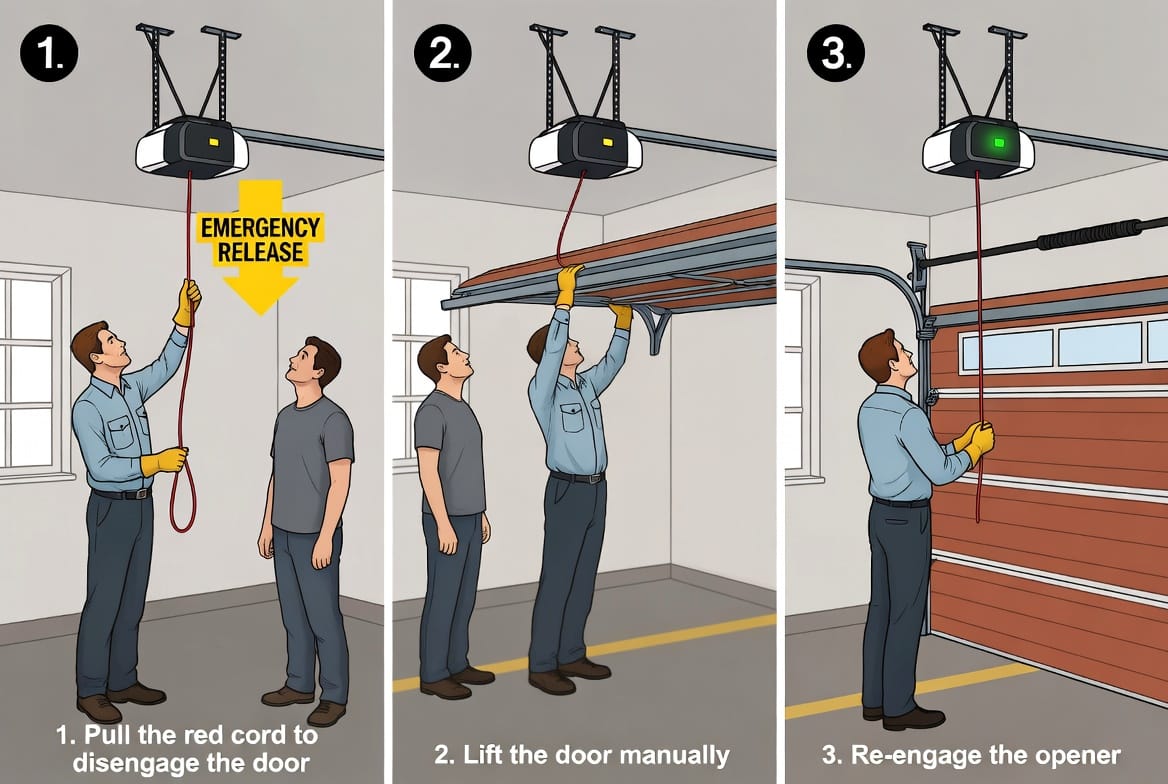
How to Safely Re-Engage the Opener After Use
Re-engaging the system correctly is crucial for restoring automatic functionality:
- Restore Power: Ensure electricity is back and the opener is plugged in or the circuit breaker is reset.
- Pull the Cord Toward the Opener: Gently tug the release cord back in the direction of the motor unit until it clicks or snaps into place.
- Test the Door: Use your remote or wall button to operate the door a few times. Listen for smooth movement and check that the safety sensors function properly.
- Monitor for Issues: If the door hesitates, makes unusual noises, or fails to reverse on obstruction, stop immediately and contact a professional.
Reassuring fact: Properly re-engaging the emergency release typically takes seconds and returns your system to full reliable operation.
Common Myths and Misconceptions About Emergency Releases
Many homeowners hesitate due to myths. Let's set the record straight:
- Myth: Pulling the cord will break my opener.
Reality: The mechanism is designed for repeated safe use. - Myth: Manual operation is too difficult.
Reality: Most modern doors balance well with torsion springs, making manual use manageable. - Myth: It's only for professionals.
Reality: Every homeowner should know this basic safety skill.
Understanding these truths builds confidence and preparedness.
Maintenance Tips to Keep Your Emergency Release Reliable
Proactive care ensures the feature works flawlessly when needed:
- Visual Inspections: Monthly, check the cord for fraying and the trolley for smooth movement.
- Lubrication: Apply garage door-specific lubricant to tracks, rollers, and hinges twice a year.
- Balance Testing: Disconnect the opener periodically and verify the door stays in place when partially open.
- Professional Servicing: Schedule annual tune-ups to address springs, cables, and sensors.
Bold emphasis: Neglecting maintenance increases the likelihood of needing the emergency release unexpectedly—and raises safety risks.
Safety Risks and How to Avoid Them
While the emergency release enhances safety, improper use can lead to challenges:
- Injury from Springs: Never adjust or touch tension springs yourself.
- Door Falling: Always maintain firm control during manual lifting.
- Pinch Points: Keep fingers and clothing clear of tracks and rollers.
- Child Safety: Teach family members proper use but restrict unsupervised access.
By following manufacturer guidelines and prioritizing caution, you minimize these risks significantly.
Why Every Homeowner Needs This Knowledge
Garage doors are among the largest moving parts in your home. The emergency release bridges the gap between automated convenience and manual reliability. Families across the country rely on this feature during hurricanes, winter storms, and everyday mishaps.
Investing time in learning it today protects your loved ones and property tomorrow. It's a small skill with potentially life-saving impact.
Troubleshooting Related Garage Door Issues
Sometimes the need for the release signals broader concerns:
- Opener Not Responding: Check power source, batteries in remotes, and sensors first.
- Noisy Operation: Indicates possible misalignment or worn parts.
- Door Reversing Unexpectedly: Often due to dirty or misaligned safety sensors.
If issues persist after using the release, professional diagnosis is the safest path forward.
Enhancing Your Garage Door System for Greater Peace of Mind
Consider upgrades like:
- Battery Backup Systems: Keep the opener functional during outages.
- Smart Monitors: Receive alerts about door status via app.
- Reinforced Springs: Improve balance for easier manual operation.
- Multiple Release Points: Some systems offer extended accessibility.
These enhancements complement the standard emergency release beautifully.
Seasonal Considerations for Emergency Release Readiness
Winter ice, summer heat, and spring rains each affect garage doors differently. Prepare accordingly with targeted checks before peak seasons.
Training Your Family on Safe Usage
Make it a family safety drill. Simple, age-appropriate instructions ensure everyone contributes to household security.
Integrating with Overall Home Safety Plans
Link your garage door knowledge to broader emergency preparedness, including evacuation routes and backup lighting.
In conclusion, mastering the garage door opener emergency release transforms a potential crisis into a manageable task. This essential safety feature embodies reliability and homeowner empowerment. Stay proactive, maintain your system diligently, and enjoy greater confidence every time you use your garage.
Don’t Wait for the Next Emergency – Call