The Garage Door Opener Belt Drive: Benefits and Maintenance
Homeowners everywhere know the daily convenience of an automatic garage door, yet few realize how dramatically the drive system affects everyday comfort, longevity, and peace of mind. Among the available options, the belt drive garage door opener stands out as a refined choice that prioritizes quiet operation and consistent performance. This comprehensive guide explores exactly what makes belt-drive technology different, why it delivers superior results, and how simple maintenance keeps it running flawlessly for years.
Upgrade to a Quiet Belt Drive Opener – Call Now!
Understanding Belt Drive Technology
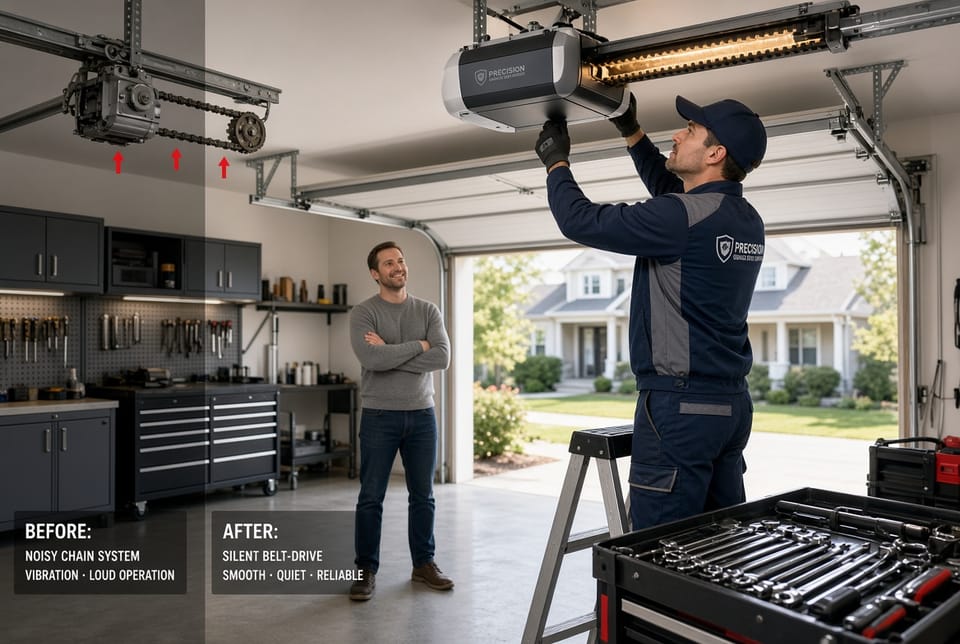
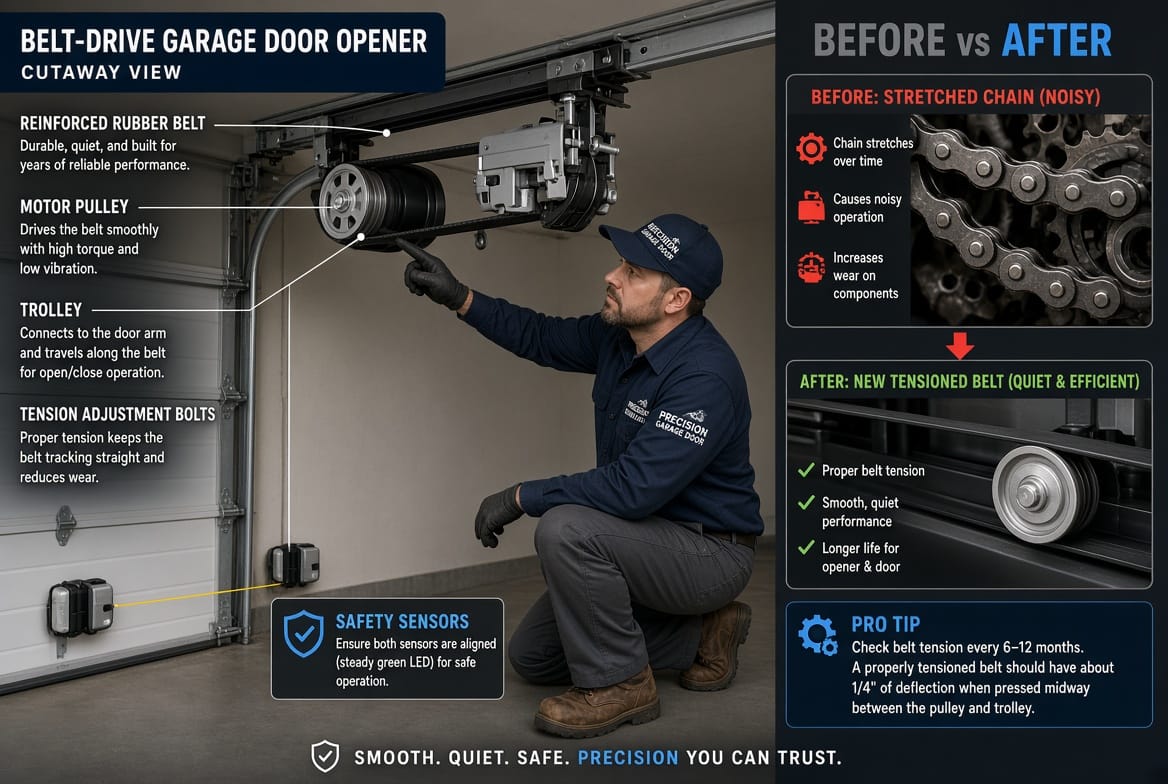
A belt drive garage door opener uses a reinforced rubber belt, often strengthened with steel or fiberglass cords, to move the door along its track. Unlike traditional chain drives that rely on metal links, the belt creates a continuous, flexible loop that transfers power from the motor to the trolley with minimal vibration. The result is a noticeably quieter and smoother cycle every time the door opens or closes.
This design sits between the budget-friendly chain drive and the ultra-premium screw drive. Belt systems typically cost a bit more upfront than chain models, yet the investment quickly pays off through reduced noise, less wear on components, and greater long-term reliability. Modern units incorporate advanced motors, soft-start and soft-stop features, and compatible smart-home connectivity, making the belt drive opener a future-ready upgrade for any residential garage.
Why Choose a Belt Drive Over Other Systems
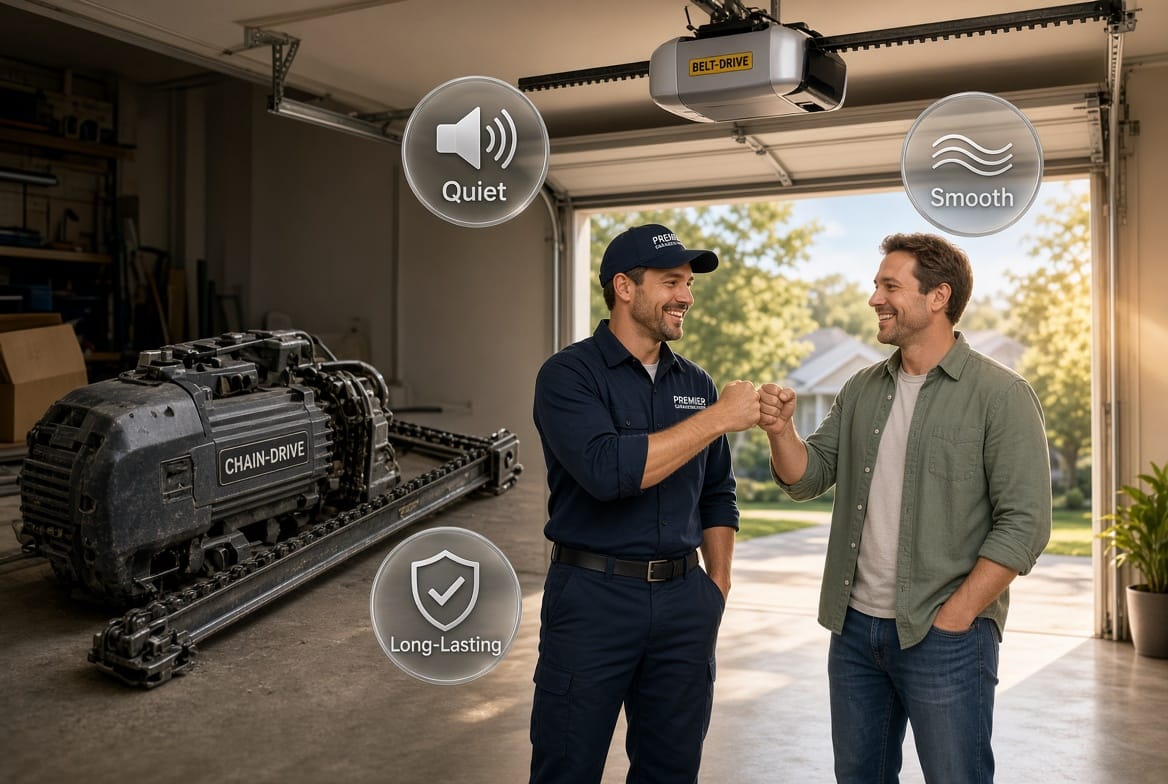
The most immediate advantage is quiet operation. Chain drives produce a distinctive metallic clatter that travels through walls and floors, disturbing households especially in attached garages or multi-story homes. Belt drives virtually eliminate that noise, generating only a soft hum. Families with young children, remote workers, or light sleepers immediately notice the difference.
Smooth motion ranks equally important. Because the belt flexes rather than rattles, the door travels with far less jerking or shaking. This gentle movement reduces stress on the door panels, rollers, and springs, extending the life of the entire system. Over thousands of cycles, that reduction in mechanical shock translates into fewer service calls and lower repair costs.
Durability further strengthens the case. High-quality belts resist stretching better than many expect and maintain consistent tension far longer than chains that gradually loosen. When properly maintained, a belt drive garage door opener routinely delivers ten to fifteen years of dependable service. The slightly higher purchase price is offset by these extended intervals between major interventions.
Key Benefits at a Glance
- Exceptionally quiet performance ideal for attached garages and noise-sensitive households
- Smoother door travel that protects panels, tracks, and hardware from excess vibration
- Long-lasting reliability with belts engineered to resist wear under normal residential use
- Reduced maintenance frequency compared with chain systems that require frequent lubrication and tension adjustments
- Compatible with modern safety sensors and smart controls for added convenience and security
These advantages combine to create an opener that feels premium every single day while remaining practical for everyday family life.
Essential Maintenance Practices
Even the best belt drive garage door opener benefits from routine care. Consistent attention prevents minor issues from becoming costly repairs and preserves the quiet, smooth operation that makes the system valuable.
Checking Belt Tension
Proper tension is critical. A belt that is too loose can slip on the pulley, causing the door to hesitate or reverse unexpectedly. A belt that is overly tight places unnecessary strain on the motor and bearings. Most manufacturers recommend inspecting tension every six months or after roughly 1,500 cycles.
To check: disconnect the opener, pull the emergency release, and manually move the door halfway open. The belt should feel firm yet still allow a slight amount of give when pressed midway between the motor and trolley. Adjustment usually involves turning a designated nut or bolt near the motor unit. Always consult the owner’s manual for the exact procedure for your model, and never force components.
Lubrication Guidelines
Unlike chain drives that demand frequent oiling, belt systems require far less lubrication. Focus on the rollers, hinges, and springs rather than the belt itself. Apply a silicone-based or lithium grease sparingly to metal-to-metal contact points twice a year. Avoid petroleum-based products that can attract dust or degrade rubber components. Wipe away excess to keep the track clean and free of debris.
Visual Inspections and Cleaning
Every few months, examine the entire belt for cracks, fraying, or glazing. Look closely at the connection points where the belt attaches to the trolley. Clear any accumulated dust, leaves, or spider webs from the rail and motor housing. A clean environment helps the sensors function accurately and prevents the motor from overheating.
Seasonal Adjustments
Temperature swings affect materials differently. In colder climates the belt may stiffen slightly; in extreme heat it can expand. After major seasonal changes, recheck tension and observe a full open-close cycle. Soft-start features on newer models help compensate for these variations, but a quick visual confirmation still adds peace of mind.
Recognizing Signs of Wear
Early detection keeps small problems from escalating. Watch for these common indicators that the belt or related components need attention:
- Squeaking or chirping sounds during operation often signal dry rollers or a belt beginning to slip. Address lubrication and tension promptly.
- Slipping or hesitation when the door starts or stops suggests the belt has stretched beyond optimal length or the pulley has worn.
- Visible cracks, fraying, or shiny glazed sections on the belt surface indicate material fatigue and warrant replacement.
- Uneven travel or sudden reverses may point to sensor misalignment caused by vibration, though the belt itself could also contribute.
- Increased motor strain evidenced by a hotter housing or longer cycle times signals that the drive system is working harder than designed.
Ignoring these warnings risks complete belt failure, leaving the door inoperable until a replacement is installed. Fortunately, most residential belts can be replaced by a qualified technician in under an hour when caught early.
Professional Versus DIY Care
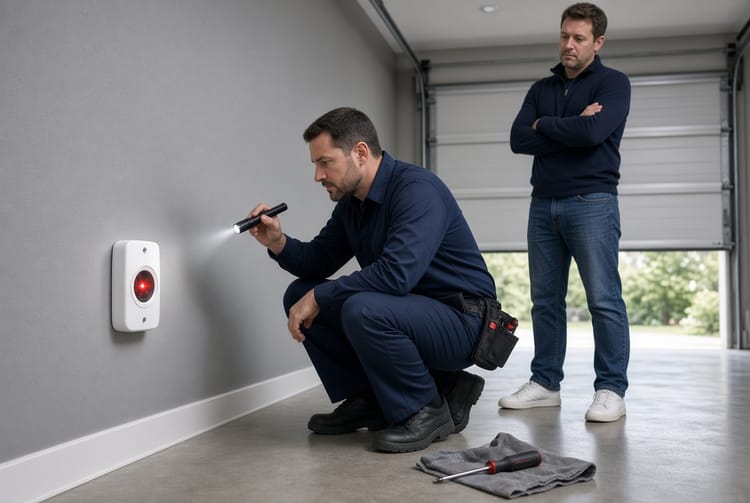
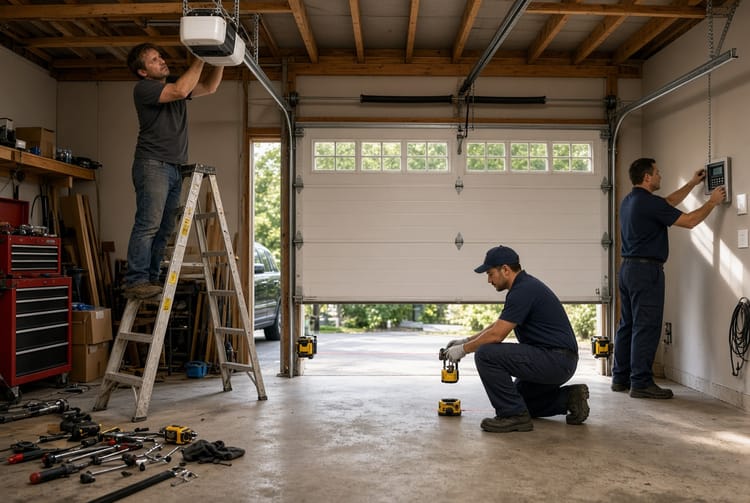
Many homeowners successfully handle basic tension checks and lubrication. However, belt replacement, motor diagnostics, and spring-related adjustments involve significant force and precise calibration. Safety sensors must remain correctly aligned to meet current residential codes. When in doubt, schedule a professional inspection. Certified technicians possess the specialized tools and experience to restore factory specifications while verifying every safety feature.
Regular professional tune-ups, ideally once a year, combine thorough cleaning, precise tensioning, sensor testing, and force-limit calibration. This proactive approach maximizes the lifespan of the belt drive garage door opener and maintains the quiet performance that justified the original investment.
Upgrading to a Belt Drive System
Homes still operating older chain-drive openers often experience the greatest improvement after switching. The transformation is immediate: the metallic racket disappears, vibration through the house diminishes, and the door glides with newfound elegance. Modern belt-drive units also integrate seamlessly with smartphone apps, battery backup systems, and video monitoring, adding layers of convenience and security that older openers simply cannot match.
When selecting a new unit, consider horsepower appropriate for the door’s weight and size, the quality of the belt material, and the length of the manufacturer’s warranty. Units featuring steel-reinforced belts and quiet DC motors currently represent the strongest combination of performance and longevity.
Long-Term Value and Peace of Mind
Choosing and maintaining a belt drive garage door opener delivers measurable daily benefits. Reduced noise improves household comfort. Smoother operation protects the door itself. Thoughtful maintenance extends service intervals and preserves warranty coverage. Together these factors create a reliable system that homeowners can trust for more than a decade.
The modest difference in initial cost compared with basic chain models is recovered through fewer repairs, lower energy use from efficient motors, and the intangible yet valuable experience of a quieter home. Families who upgrade consistently report that they wonder how they ever tolerated the old noise.
Final Recommendations
Inspect the belt and related hardware at least twice yearly. Keep rollers and hinges lubricated with the correct products. Address squeaks or slipping immediately rather than waiting for complete failure. When the time comes for replacement or a full system upgrade, select a quality belt-drive unit sized correctly for the door and installed by experienced professionals.
A well-maintained belt drive garage door opener provides years of silent, dependable service. The technology has matured into one of the most practical and refined choices available for residential use. By understanding its strengths and following straightforward maintenance steps, every homeowner can enjoy the full advantages of quieter mornings, smoother evenings, and lasting reliability.
Upgrade to a quiet belt drive opener today. Experience the difference that smooth, whisper-quiet operation brings to your home. Let trained technicians handle every detail from selection through final testing. Your garage door will thank you with years of trouble-free performance.
Call Now for Expert Belt Drive Opener Installation