The Garage Door Opener Battery Backup Size: How Long Will It Last?

When the power goes out, one of the most frustrating inconveniences for homeowners is a garage door that refuses to budge. Garage door opener battery backup systems provide essential peace of mind, keeping your home accessible and secure even during extended outages. But a common question arises: how long will that backup actually last? Understanding garage door opener battery backup size and runtime is crucial for making informed decisions about your home's safety and convenience.
Test Your Garage Battery Backup Today – Call Now!
In this comprehensive guide, we'll explore everything you need to know about these reliable systems. From typical runtimes to the key factors that influence performance, you'll gain clear insights to help you maintain optimal functionality. Whether you're dealing with frequent storms or simply want reliable backup power, this article will equip you with practical knowledge.
Garage door opener battery backups are designed to bridge the gap during electrical disruptions, allowing you to open and close your door multiple times without grid power. These systems vary in capacity, but most standard units offer substantial protection for everyday needs.
What Is a Garage Door Opener Battery Backup and Why Does Size Matter?
Battery backup units integrate directly with your existing garage door opener motor, providing emergency power through rechargeable batteries. The size of the backup refers to its power capacity—typically measured in amp-hours (Ah) or watt-hours (Wh)—which directly determines how long it can sustain operations.
Larger capacity batteries deliver longer runtimes but may require more space and higher upfront costs. Smaller units suffice for occasional use but might leave you short during prolonged blackouts. Choosing the right garage door opener battery backup size depends on your door type, local weather patterns, and daily usage habits.
These systems automatically switch to battery power when they detect an outage, ensuring seamless performance. Modern models feature smart monitoring that alerts you to low battery levels via lights or app notifications, adding an extra layer of reassurance.
Typical Runtime: What Can You Expect?
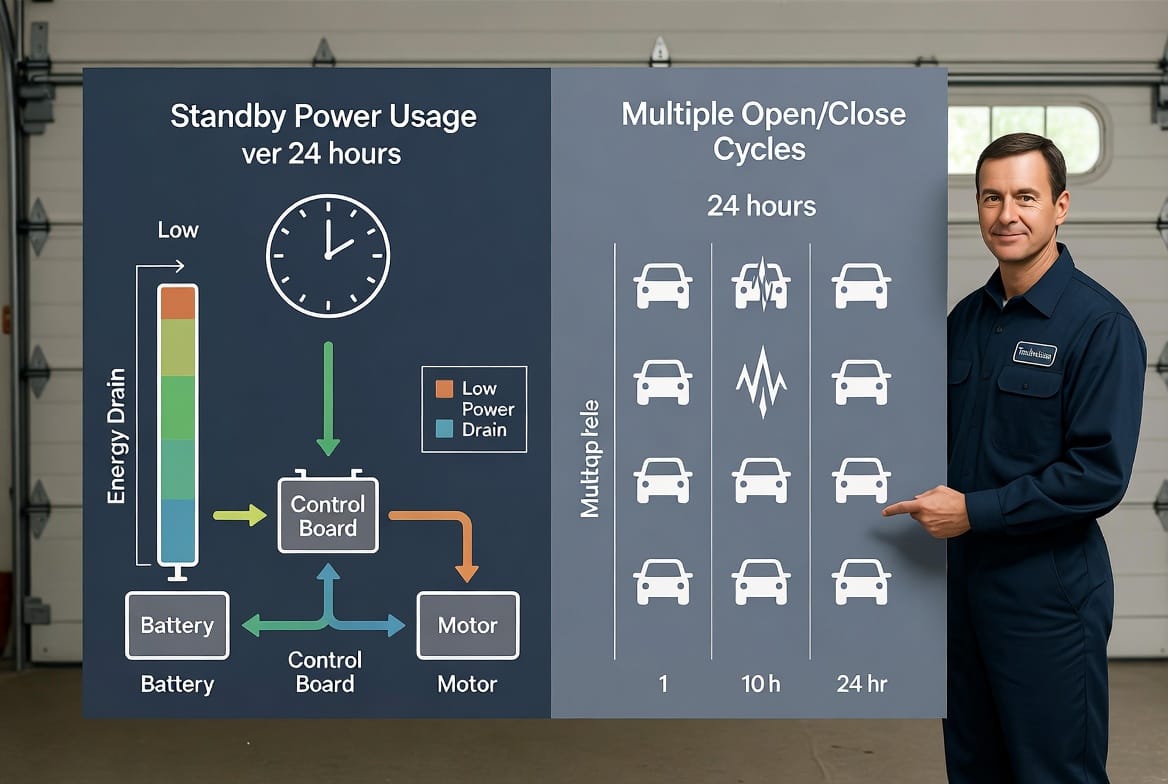
Most quality garage door opener battery backups provide approximately 24 hours of standby power combined with 10 to 20 open/close cycles. This specification covers typical residential scenarios where the door remains mostly closed during an outage.
- Standby mode: The opener maintains readiness for commands without significant drain. In this state, a well-maintained battery can last a full day or more.
- Active cycles: Each open or close operation consumes more energy. A standard single-car or double-car door might complete 10-20 full cycles before depletion.
These numbers represent conservative estimates under normal conditions. Actual performance often exceeds these figures with proper care, giving homeowners reliable access for emergencies, pet care, or retrieving vehicles.
For families in areas prone to severe weather, this runtime means you won't be stranded. You can safely enter or exit your garage multiple times while waiting for power restoration.
Key Factors Affecting Battery Backup Runtime
Several variables influence how long your garage door opener battery backup will last. Understanding these helps you maximize performance and avoid unexpected failures.
Door Weight and Balance
Heavier garage doors demand more power from the motor and battery. Well-balanced doors with proper springs require less energy per cycle, extending runtime significantly.
Regular maintenance of tracks, rollers, and springs keeps the system efficient and battery-friendly.
Temperature Extremes
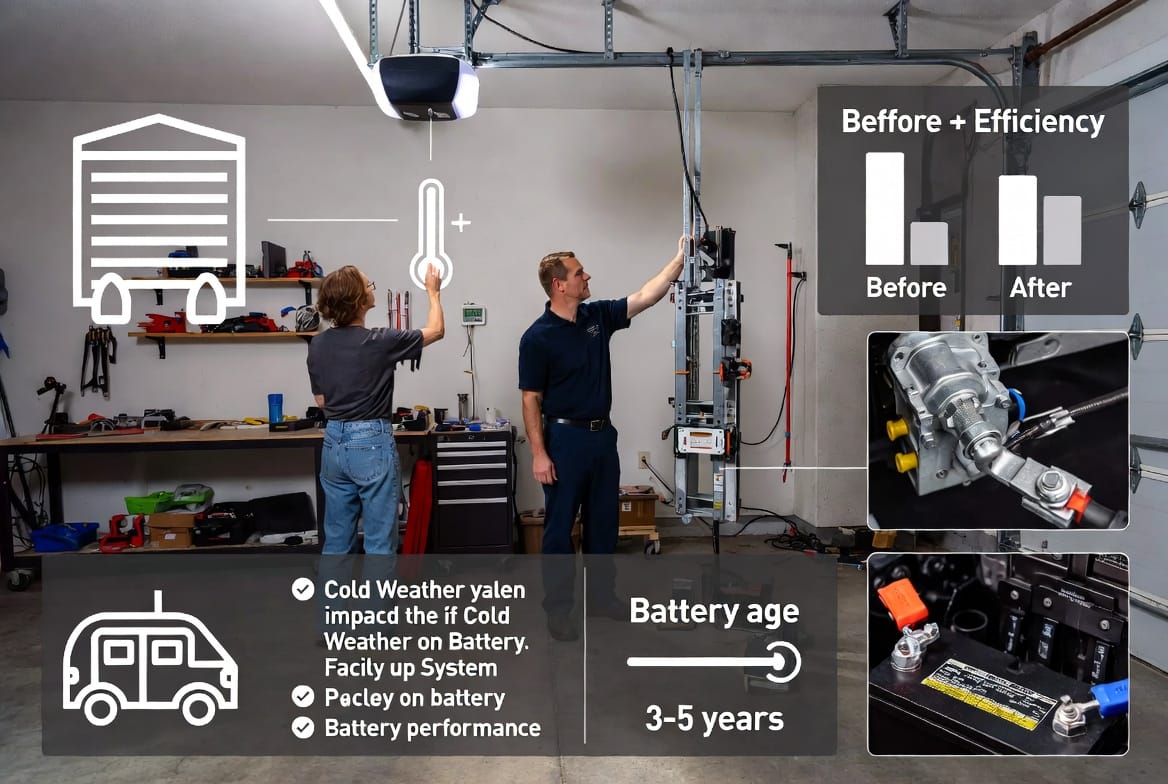
Cold weather dramatically reduces battery capacity. In freezing temperatures, chemical reactions slow down, potentially cutting available power by 20-50%.
Conversely, excessive heat can accelerate battery degradation over time. Installing your opener in a temperature-controlled garage environment helps maintain consistent performance.
Battery Age and Condition
Like any rechargeable battery, these units lose capacity over years of use. Most manufacturers recommend replacement every 3 to 5 years to ensure reliable emergency power.
Signs of aging include slower operation, dim indicator lights, or failure to hold a charge. Proactive replacement prevents inconvenient surprises.
Usage Frequency and Opener Efficiency
Frequent cycling drains the battery faster. Older openers may be less energy-efficient than newer models with brushless motors and advanced electronics.
Energy-efficient openers paired with robust battery backups deliver superior runtime and overall reliability.
How to Test Your Garage Door Opener Battery Backup
Testing your system regularly ensures it's ready when you need it most. Follow these straightforward steps for peace of mind:
- Simulate a power outage: Unplug the opener from the wall outlet and attempt several open/close cycles. Note how smoothly the door operates and count available cycles.
- Check indicator lights: Most units feature LED status lights showing charge level. A solid green light typically indicates full capacity.
- Listen for proper function: The motor should run quietly without straining during backup operation.
- Monitor charging time: After testing, plug the unit back in and verify it returns to full charge within the manufacturer's recommended timeframe.
Perform this test every few months, especially before storm seasons. Many professional services offer comprehensive battery testing and maintenance visits for thorough diagnostics.
Choosing the Right Battery Backup Size for Your Home
Selecting an appropriate garage door opener battery backup size involves assessing your specific needs:
- Standard residential doors: 12-18 Ah batteries usually provide ample runtime for most single and double-car setups.
- Heavy or insulated doors: Consider higher capacity units (20+ Ah) to handle increased power demands.
- Smart features: Look for models with Wi-Fi connectivity, mobile alerts, and automatic self-testing.
Consulting with garage door professionals helps match the perfect backup system to your existing opener model and door specifications.
Maintenance Tips to Maximize Battery Life
Proper care extends the life and performance of your backup system:
- Keep the battery compartment clean and free of dust.
- Ensure proper ventilation around the unit.
- Schedule annual professional inspections.
- Replace batteries on schedule rather than waiting for failure.
These simple habits protect your investment and maintain reliable emergency access.
Common Myths About Garage Door Battery Backups
Many homeowners hold misconceptions about these systems:
- Myth: All backups last indefinitely. Reality: Regular testing and replacement are essential.
- Myth: Battery size doesn't matter much. Reality: Capacity directly impacts available cycles during outages.
- Myth: You can ignore maintenance. Reality: Neglect leads to premature failure when you need it most.
Armed with accurate information, you can confidently rely on your backup system.
Real-World Scenarios: When Battery Backup Makes a Difference
Imagine a severe storm knocks out power for 18 hours. With a properly sized and maintained garage door opener battery backup, you can still access your vehicle for essential errands or safety checks.
In another scenario, a brief outage occurs while you're away. The battery keeps your garage secure, preventing potential security issues from a stuck-open door.
These practical examples highlight why investing in the right system and understanding its limitations provides invaluable protection for your family and property.
Advanced Considerations for Modern Garage Door Systems
Today's smart garage door openers often include integrated battery backups with enhanced features like:
- Battery health monitoring apps
- Predictive maintenance alerts
- Compatibility with home automation systems
Upgrading to these advanced units can further optimize runtime and convenience.
Safety First: Proper Installation and Usage
Always prioritize safety when working with electrical components. Professional installation ensures correct wiring, secure mounting, and full system testing. DIY attempts may void warranties and compromise performance.
Teach family members how the backup operates so everyone feels confident during emergencies.
Investing in Long-Term Reliability
Understanding garage door opener battery backup size empowers you to make smart choices. By selecting appropriate capacity, performing regular tests, and addressing influencing factors, you ensure your system delivers the runtime you need when it matters most.
Don't wait for the next power outage to discover limitations. Proactive planning keeps your home accessible, secure, and running smoothly.
Know your backup's limits. Our experienced technicians provide thorough assessments, reliable replacements, and peace-of-mind maintenance tailored to your specific setup.
Get Professional Battery Backup Testing – Call Now!