The Garage Door Opener Battery Backup: Ensuring Power During Outages
Power outages can strike without warning, leaving homeowners stranded and frustrated when the garage door refuses to move. In these moments, a garage door opener battery backup becomes an essential safeguard that keeps your home accessible and secure. This reliable feature transforms an ordinary opener into a dependable system that continues functioning even when the main electricity supply fails. Understanding how the battery backup operates, its typical performance expectations, and the simple steps required to maintain it empowers every homeowner to stay prepared.
Get Garage Door Battery Backup Installed Today – Call Now!
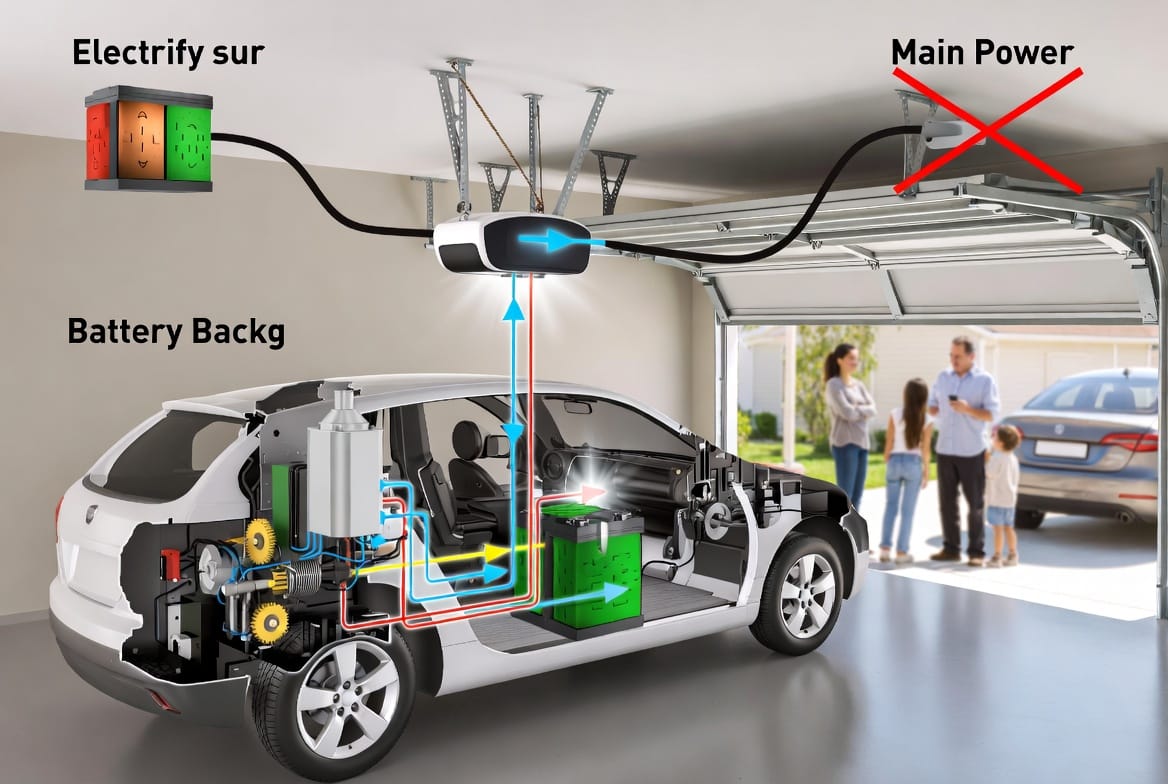
A battery backup is specifically engineered to allow the garage door to open and close during power interruptions. When utility power drops, the system automatically switches to stored energy, enabling smooth and controlled door movement. This capability is not merely a convenience; it is a critical safety and mobility solution for families, emergency responders, and anyone who needs to enter or exit the garage quickly. Whether facing severe weather, grid failures, or unexpected blackouts, the battery backup ensures the door remains operational so daily routines continue without disruption.
Understanding the Core Function of Battery Backup
At its heart, the battery backup acts as an independent power source integrated into the garage door opener. Most modern units include a rechargeable battery pack that remains charged while regular power is available. The moment an outage occurs, sensors detect the loss of electricity and seamlessly transfer power to the battery. This transition happens within seconds, so the opener responds immediately to remote controls, wall buttons, or keypads.
The primary purpose is straightforward yet powerful: it allows door operation during power outages. Without this feature, a heavy garage door becomes immobile, trapping vehicles inside or preventing re-entry after leaving. Imagine returning home after dark during a storm only to find the door locked in place. The battery backup eliminates that scenario by providing the necessary energy to lift and lower the door safely. Advanced systems even support soft-start and soft-stop functions, reducing wear on mechanical components while the battery is active.
Homeowners who install this feature report greater peace of mind knowing that emergency access remains possible. For households with elderly residents, young children, or medical needs, the ability to operate the door during an outage can prove vital. The system also maintains security by allowing the door to close fully, protecting the home from weather and unauthorized entry.
Typical Runtime Expectations for Reliable Performance
Performance under battery power follows predictable patterns that manufacturers design for practical use. In standby mode, a properly charged battery backup typically sustains readiness for approximately 24 hours. During this period the unit monitors conditions and remains prepared to respond the instant power is needed. Once activated for actual door movement, the battery supports an average of 10-20 cycles. Each cycle consists of one complete open-and-close sequence.
These figures assume standard residential doors of average weight and balanced springs. Heavier commercial-style doors or those with added insulation may slightly reduce the number of available cycles. Temperature extremes can also influence capacity; cold weather tends to diminish battery output while moderate conditions preserve full strength. Most systems include low-battery indicators that flash or beep when capacity approaches critical levels, giving owners advance notice to recharge or replace the unit.
The combination of 24 hours standby and 10-20 cycles offers substantial coverage for the majority of outage events. Local utility interruptions often last only a few hours, allowing multiple trips in and out of the garage if necessary. Extended blackouts lasting longer than a day still provide enough cycles to manage essential vehicle movements and secure the property. Because the battery recharges automatically once power returns, the system restores itself without user intervention, ready for the next event.
Why Battery Backup Delivers Consistent Peace of Mind
Beyond basic operation, the battery backup addresses several everyday risks associated with power loss. Vehicles parked inside remain accessible for emergency evacuation. Deliveries and service providers can still reach the home. Security systems that rely on garage access continue functioning. In regions prone to hurricanes, ice storms, or wildfires, this feature frequently ranks among the most valued upgrades homeowners make.
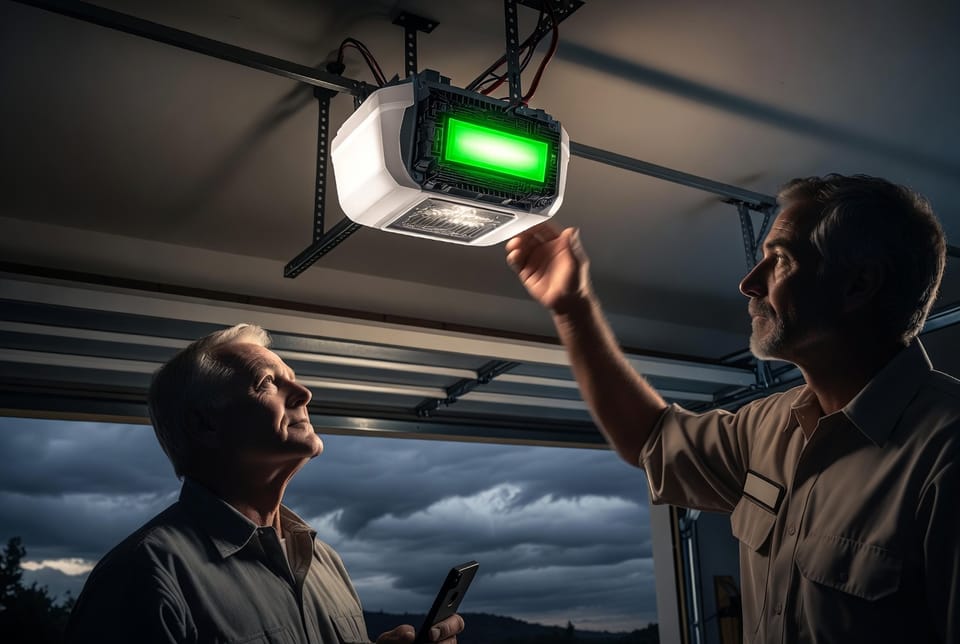
The technology itself has matured significantly. Early battery systems offered limited cycles and required frequent replacement. Today’s sealed lead-acid or lithium-based packs deliver higher energy density, longer shelf life, and improved temperature tolerance. Integrated chargers maintain optimal voltage levels, preventing overcharging or deep discharge that shortens battery life. Many units also feature status lights that clearly communicate readiness: solid green for full charge, flashing amber for attention needed, and red for immediate service.
When evaluating options, look for models that list explicit runtime specifications matching the 24 hours standby and 10-20 cycles benchmarks. Compatibility with existing openers is another consideration; some batteries mount directly onto the motor unit while others connect via dedicated ports. Professional assessment ensures the correct capacity matches door weight and usage patterns.
Essential Maintenance Practices for Long-Term Reliability
Like any critical home system, the battery backup requires periodic attention to perform at its best. Two simple routines form the foundation of effective care: testing and replacement.
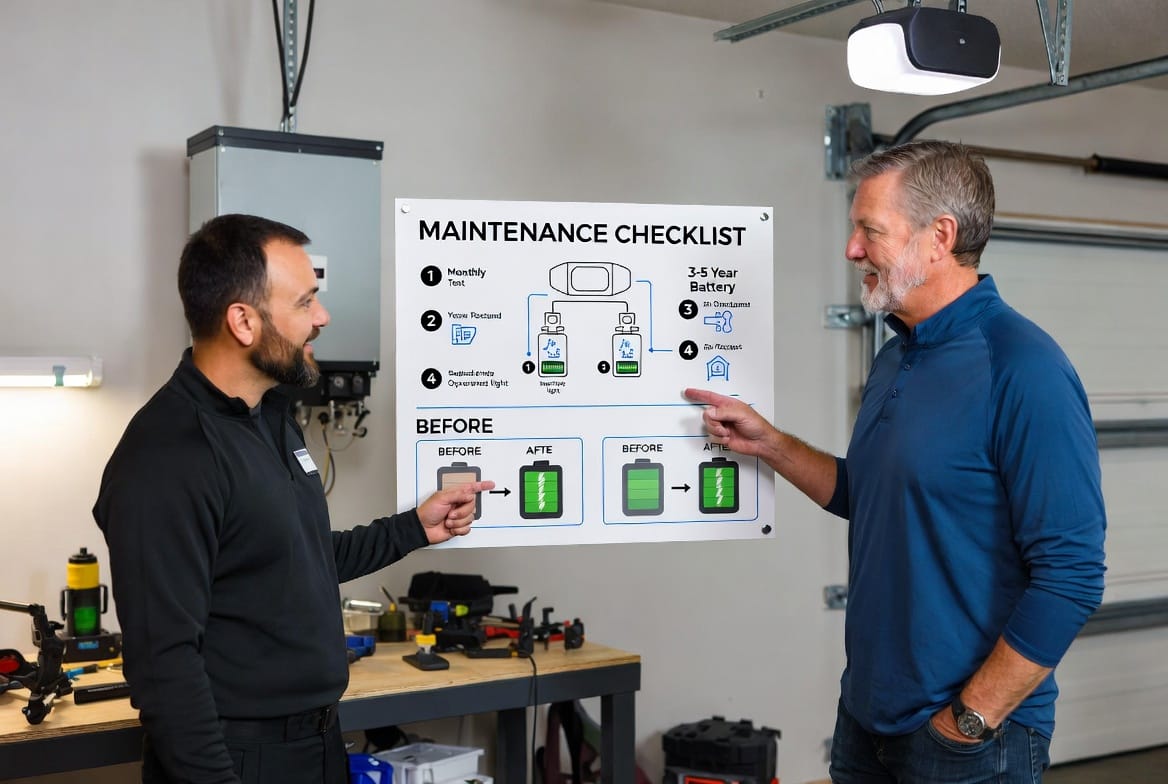
- Test the system monthly by simulating an outage. Disconnect main power at the breaker or unplug the opener, then operate the door several times using the remote or wall control. Confirm smooth movement and listen for unusual noises. Restore power afterward and allow the battery to recharge fully.
- Replace the battery every 3-5 years, or sooner if testing reveals reduced cycle counts or warning lights appear. Batteries gradually lose capacity even under ideal conditions; proactive replacement prevents unexpected failure during an actual outage.
Additional best practices include keeping the unit free of dust and debris, verifying secure mounting to avoid vibration damage, and checking connections for corrosion. Store any spare batteries according to manufacturer guidelines, usually in a cool, dry location. Avoid exposing the installed pack to extreme heat sources such as water heaters or direct sunlight, which accelerate chemical degradation.
These maintenance steps are deliberately straightforward so busy homeowners can incorporate them into existing routines. A quick monthly test takes less than five minutes yet provides ongoing assurance that the system will respond when needed. Scheduling battery replacement every 3-5 years aligns with typical household appliance cycles, making it easy to remember alongside other seasonal tasks.
Real-World Scenarios Where Battery Backup Proves Indispensable
Consider a winter ice storm that knocks out power across an entire neighborhood for twelve hours. Without battery backup, residents cannot retrieve vehicles to seek warmer locations or purchase supplies. With the feature active, multiple door cycles remain available, allowing orderly departures and returns. Similarly, during summer heat waves that strain the grid, the ability to open the garage for ventilation or emergency services becomes invaluable.
Medical emergencies illustrate another critical dimension. A sudden health crisis may require rapid transport to a hospital. If the garage door is inoperable, precious minutes are lost waiting for manual release mechanisms or external assistance. The battery backup eliminates that delay, supporting swift response. For multi-vehicle households or those with recreational equipment stored in the garage, the system preserves flexibility regardless of external conditions.
Even routine situations benefit. Late-night arrivals after work, early morning departures for school or appointments, and scheduled deliveries all continue uninterrupted. The psychological comfort of knowing the door will respond on command reduces stress during already challenging outage periods.
Professional Installation Ensures Optimal Integration
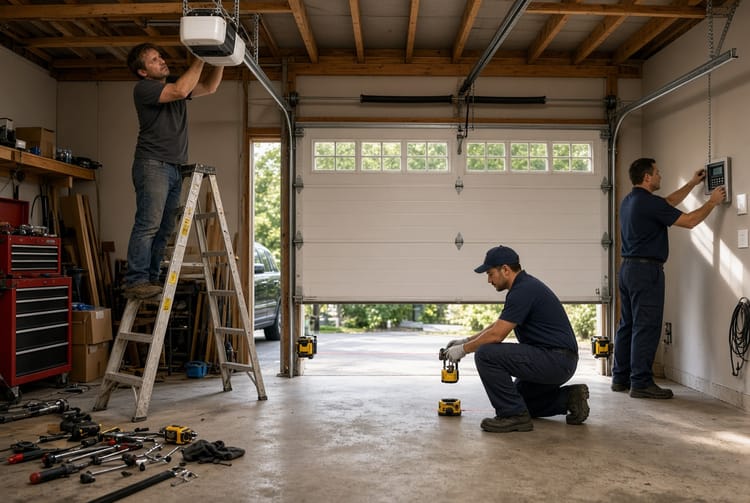
While some homeowners attempt self-installation, professional service delivers superior results and long-term reliability. Technicians evaluate door balance, spring tension, and existing opener compatibility before recommending the appropriate battery backup capacity. Improper sizing can lead to insufficient cycles or excessive drain on the battery. Correct wiring and mounting prevent electrical issues that might otherwise compromise the entire system.
During installation, specialists also verify that safety sensors continue functioning under battery power and that remote programming remains intact. They demonstrate the monthly testing procedure and provide clear guidance on recognizing warning signals. Many service providers include the first battery replacement or extended warranties as part of comprehensive packages, further simplifying ownership.
Choosing certified technicians who understand local climate demands ensures the unit is prepared for regional challenges such as extreme cold or humidity. Proper grounding and surge protection add another layer of resilience against the very power fluctuations that trigger outages.
Addressing Common Concerns and Misconceptions
Some owners worry that adding a battery backup will significantly increase energy consumption. In reality, the charging circuit draws minimal power once the battery reaches full capacity. Others question whether the feature interferes with smart-home integration. Modern units typically maintain compatibility with Wi-Fi modules, smartphone apps, and voice assistants, allowing remote monitoring of battery status even during outages if cellular backup is available.
Noise levels under battery operation remain comparable to normal powered use. The motor runs at the same speed and torque, preserving the quiet performance many households value. Finally, the myth that batteries require constant replacement is dispelled by the 3-5 year interval; high-quality packs often exceed this range when properly maintained.
Preparing Your Home for the Unexpected
Integrating a garage door opener battery backup represents a practical step toward greater household resilience. Combined with other preparedness measures such as flashlights, charged devices, and emergency contact lists, it forms part of a comprehensive strategy. Regular testing builds familiarity so that when an actual outage occurs, the response feels routine rather than stressful.
Homeowners who already own compatible openers can often add the battery backup as an upgrade without replacing the entire motor unit. Those planning a full system replacement should prioritize models that include the feature as standard. Either path delivers the same core benefit: reliable door operation when the grid fails.
The investment pays dividends in convenience, safety, and peace of mind. Knowing that vehicles remain accessible and the home stays secure regardless of external power conditions allows families to focus on more important matters during challenging times.
Long-Term Value and System Longevity
Over years of service, a well-maintained battery backup continues to deliver consistent performance. The 24 hours standby capacity and 10-20 cycles of operational power remain available as long as the battery is tested monthly and replaced on schedule. Pairing these habits with annual professional inspections of the full garage door system maximizes overall lifespan and reduces the likelihood of unexpected repairs.
Manufacturers design these components for durability, incorporating sealed cases that resist moisture and dust. Status indicators provide transparent feedback, eliminating guesswork about readiness. When replacement eventually becomes necessary, the process is straightforward and affordable relative to the protection provided.
Final Thoughts on Staying Mobile During Outages
Power interruptions are an inevitable part of modern life, yet they need not immobilize the garage door. A properly selected, installed, and maintained battery backup ensures continued operation, delivering 24 hours of standby readiness and sufficient cycles for practical needs. Simple monthly testing and timely replacement every 3-5 years keep the system prepared for whatever challenges arise.
Call Today for Professional Battery Backup Installation