The Garage Door Insulation Kit: Adding R-Value to an Uninsulated Door
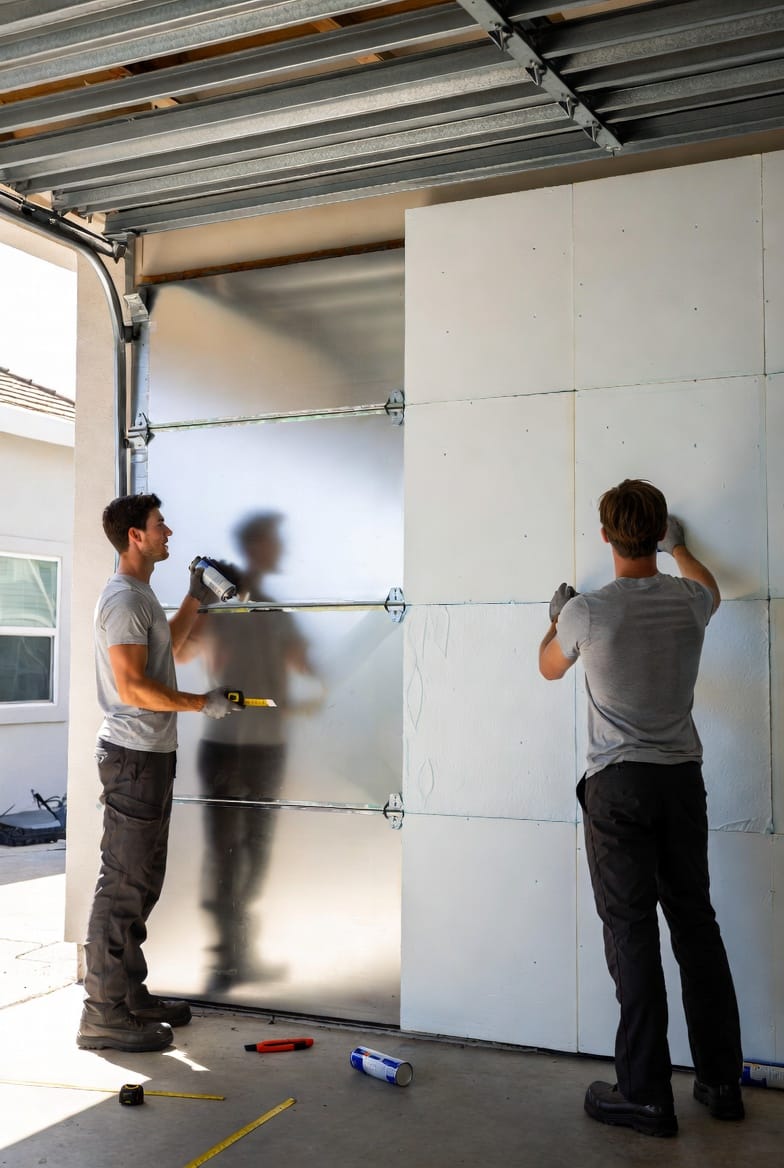
In an era of escalating energy costs and heightened awareness of home energy efficiency, one often-overlooked upgrade stands out for its impressive return on investment: insulating your garage door. A well-chosen garage door insulation kit using high-performance foam board insulation can dramatically increase the R-value of an otherwise uninsulated door, creating a more stable, comfortable, and cost-effective home environment.
Insulate Your Garage Door Today – Call Now!
Uninsulated garage doors act as thermal weak points. Their thin metal construction allows heat to transfer rapidly, making the garage uncomfortably hot in summer and cold in winter. This inefficiency doesn’t stop at the garage — it affects adjacent living spaces, forcing your HVAC system to work harder and driving up utility bills. Fortunately, adding foam board insulation offers a practical, effective solution that delivers measurable benefits in temperature stability, noise reduction, and overall energy efficiency.
This authoritative guide explores everything you need to know about garage door insulation kits. We’ll examine why R-value matters, the real-world benefits of proper insulation, and a detailed, step-by-step installation process designed for reliable results. Whether you’re a confident DIYer or prefer professional assistance, insulating your garage door is one of the smartest moves you can make for long-term home comfort and savings.
The Hidden Energy Costs of an Uninsulated Garage Door
Standard residential garage doors typically consist of lightweight metal panels with minimal or no built-in insulation. Without a thermal barrier, these doors become conduits for heat gain and loss. On scorching summer days, the metal surface can become extremely hot, radiating warmth directly into the garage space. In winter, valuable heat escapes outward while cold air infiltrates through seams and edges.
The consequences extend beyond the garage itself. When attached to the home, an uninsulated door allows temperature fluctuations to influence nearby rooms, reducing overall comfort and increasing energy consumption. Homeowners often notice higher cooling and heating costs without realizing the garage door is a significant contributor.
By installing a garage door insulation kit with quality foam board insulation, you interrupt this heat transfer cycle. The rigid foam creates a continuous layer of resistance, significantly boosting the door’s R-value and transforming it into an effective energy-saving component of your home.
What Is R-Value and Why It Matters for Garage Doors
R-value is the standard measure of thermal resistance — the higher the number, the greater the material’s ability to slow conductive heat flow. An uninsulated metal garage door typically offers an effective R-value close to zero, providing almost no protection against temperature extremes.
Foam board insulation, particularly types like extruded polystyrene (XPS) or polyisocyanurate, can raise the R-value of each door section to R-4 through R-10 or higher, depending on thickness and material density. This added resistance means less heat enters during summer and less escapes during winter.
The result is more than just a number on a specification sheet. Higher R-value translates directly into energy efficiency, reduced strain on heating and cooling systems, and noticeably improved comfort throughout the year. For many homeowners, this upgrade quickly becomes one of the most satisfying home improvements they’ve undertaken.
Major Benefits of Installing Foam Board Insulation on Your Garage Door
Choosing to insulate your garage door with a dedicated kit delivers multiple practical advantages that homeowners appreciate immediately and over the long term:
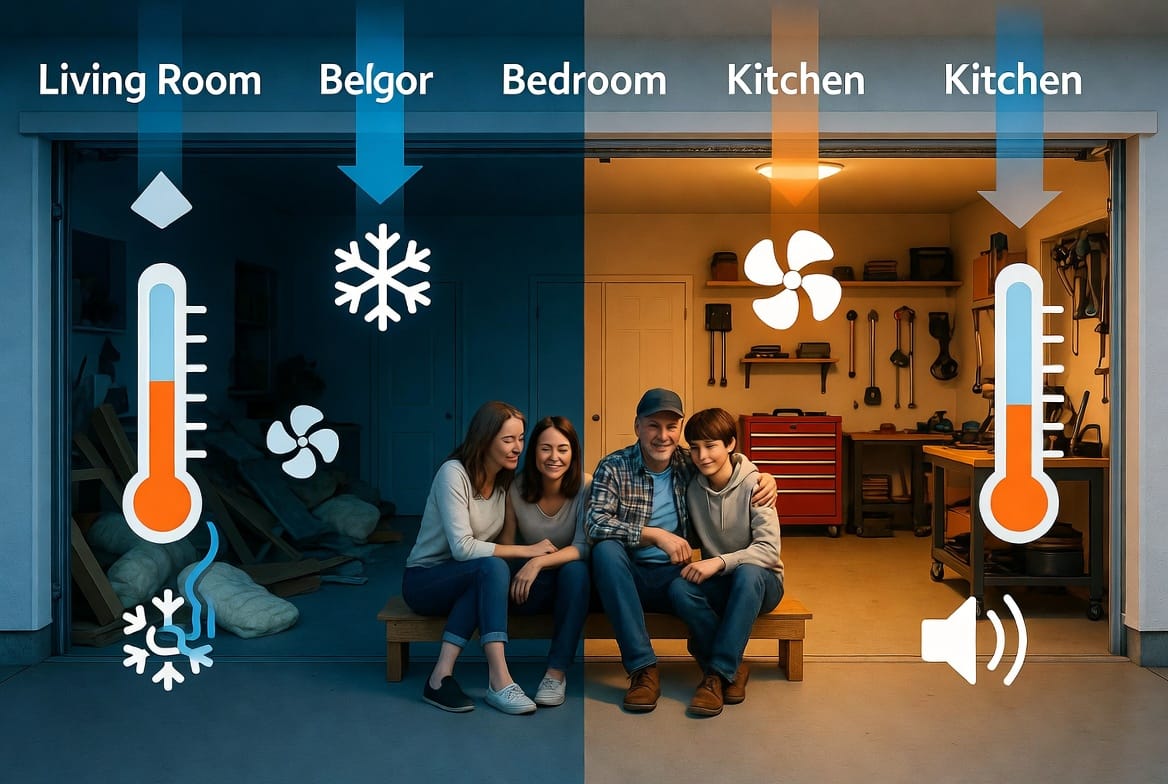
- Enhanced Temperature Stability — The garage maintains more consistent temperatures year-round, protecting vehicles, tools, stored items, and even workshop equipment from damaging heat and cold cycles.
- Quieter Door Operation — The added mass and sound-damping properties of the foam board insulation significantly reduce vibration and operational noise, creating a calmer environment every time the door opens or closes.
- Improved Energy Efficiency for Adjacent Rooms — By reducing heat transfer through the shared wall, the insulation helps stabilize temperatures in connected living spaces, allowing your HVAC system to operate more efficiently and lowering overall energy consumption.
- Reduced Condensation and Moisture Issues — Better thermal performance minimizes the conditions that lead to condensation on cold surfaces, helping prevent rust and mold growth inside the garage.
- Increased Usable Space — A more comfortable garage temperature makes the space far more functional for hobbies, storage, or even light home-office use.
These benefits combine to deliver both immediate comfort improvements and measurable long-term savings on energy bills. Many homeowners report noticeable differences in their utility statements within the first few months after installation.
Selecting the Right Garage Door Insulation Kit
Success begins with choosing a high-quality garage door insulation kit. Look for kits featuring rigid foam board insulation with consistent density and a facing that adds radiant heat reflection. Pre-cut or easy-to-trim panels designed specifically for sectional garage doors simplify the process and ensure a professional finish.
Consider the climate in your area when selecting board thickness. Thicker panels provide higher R-value and greater benefits in regions with extreme temperature swings. Ensure the kit includes appropriate adhesive or fasteners rated for vertical application on moving doors. Reputable kits also provide clear instructions and sufficient extra material to account for precise cutting and fitting.
Avoid cheap, low-density foams that compress easily or lack durability. Investing in a premium kit ensures the insulation remains effective for years, maintaining its R-value and performance even with repeated door operation.
Essential Tools and Materials for Professional Results
A clean, successful installation requires only a modest set of readily available tools:
- Accurate tape measure and long straight edge
- Sharp utility knife or specialized foam cutting tool
- High-quality construction adhesive formulated for foam boards
- Caulk gun with weather-resistant sealant
- Protective gloves, safety glasses, and dust mask
- Sturdy step ladder and protective floor coverings
Professional teams often supplement these with fast-tack foam-safe spray adhesives and edge sealing tapes to maximize air-tightness and long-term performance.
Detailed Step-by-Step Installation Process
Proper installation is key to achieving the full energy efficiency potential of your garage door insulation kit. Follow these steps carefully for best results:
- Prepare the Workspace — Park vehicles outside and clear the garage floor. Clean the interior surface of each door panel thoroughly to remove dust, grease, or old residue. Ensure the door is in the closed position for easy access.
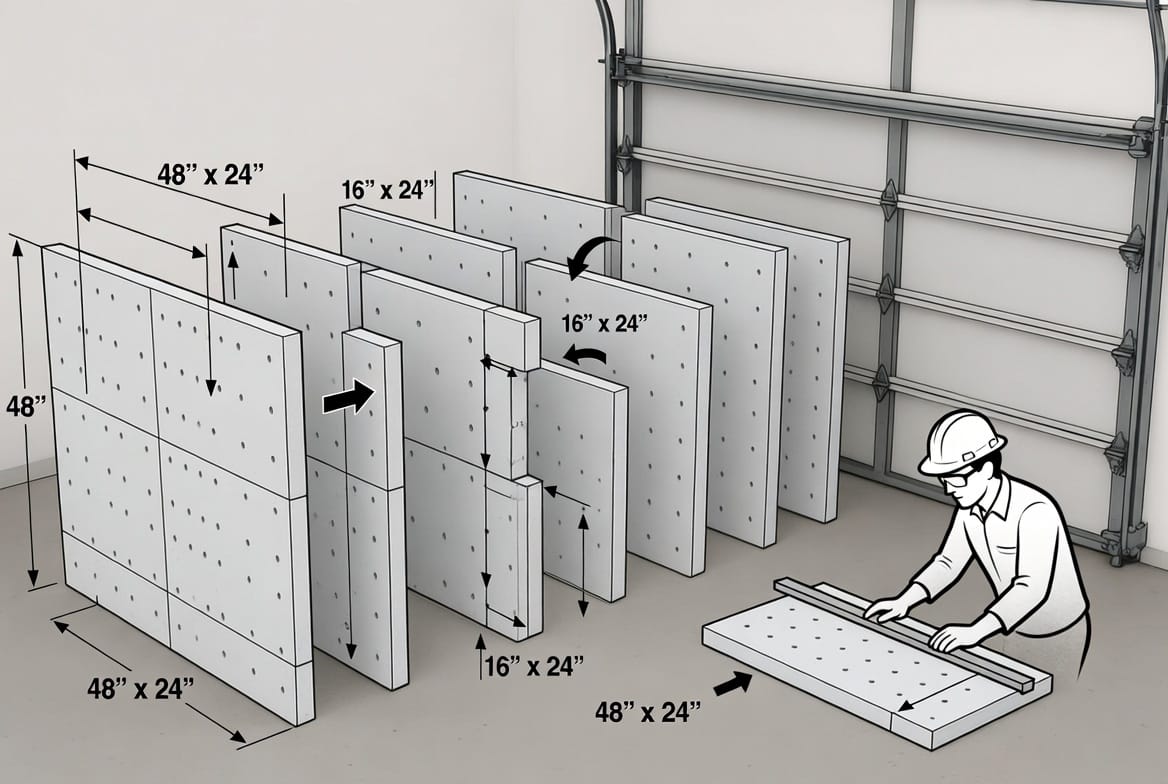
- Measure Each Panel Accurately — Working from the inside, measure the height and width of every individual section. Subtract approximately ¼ inch from each dimension to allow for a snug fit without binding when the door operates.
- Cut the Foam Boards — Transfer measurements to the foam board insulation using a straight edge and marker. Score and cut slowly with a sharp utility knife for clean edges. Test-fit each piece before applying adhesive.
- Apply Adhesive — Apply a consistent pattern of construction adhesive to the back of each cut panel. Press the board firmly into place, starting from the bottom sections and working upward. Use temporary supports if needed until the adhesive sets.
- Seal the Edges — Apply weatherproof sealant around the perimeter of each insulated panel to prevent air leakage and enhance thermal performance.
- Final Inspection and Testing — Once all panels are installed, operate the garage door several times to ensure smooth, quiet movement with no binding. Check for any gaps and make minor adjustments as necessary.
When performed correctly, this process typically takes a few hours for a standard single-car or double-car door. The result is a noticeably more stable, quieter, and energy-efficient garage space.
Potential Challenges and Professional Solutions
While most homeowners can successfully install a garage door insulation kit, certain situations benefit from professional expertise. Doors with complex window sections, older mechanisms, or unusual panel designs may require custom cutting and fitting. Professional installers bring specialized tools, experience with various door brands, and the ability to ensure perfect alignment and balance after adding weight to the door.
They can also recommend the optimal R-value for your specific climate and integrate the insulation seamlessly with existing weatherstripping and seals for maximum performance.
Long-Term Value and Return on Investment
A quality garage door insulation project typically pays for itself through reduced energy costs within a few years. Beyond financial savings, the upgrade improves daily comfort, protects stored belongings, and increases the overall perceived value of your home. In many markets, energy-efficient features like insulated garage doors appeal to potential buyers seeking lower operating costs.
Take Action for Year-Round Comfort
Don’t let an uninsulated garage door continue draining your energy budget and compromising your home’s comfort. A garage door insulation kit using foam board insulation offers one of the most cost-effective ways to boost R-value, enhance temperature stability, and enjoy quieter operation.
Insulate your garage door today for year-round comfort and meaningful energy savings.
Add Foam Board Insulation Today – Call for Expert Help