The Garage Door Bottom Bracket: Why This Small Part Is Critical for Safety
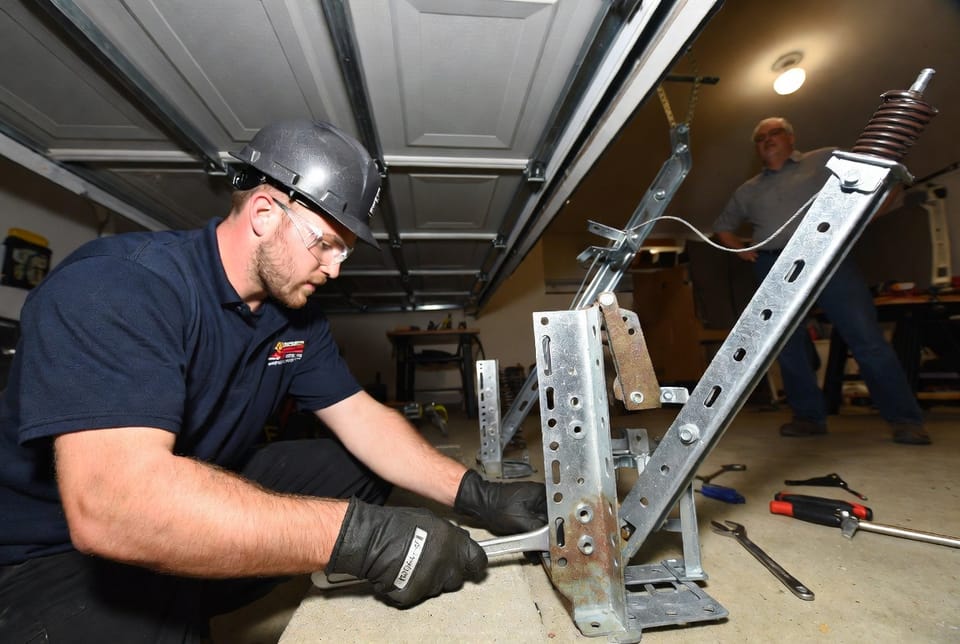
In the world of garage door systems, certain components bear more responsibility than others. The garage door bottom bracket stands out as one of the most critical yet often overlooked parts. This small but mighty piece plays a vital role in keeping your entire door system operational and, more importantly, safe.
Don’t Risk It! Professional Bottom Bracket Repair – Call Now
At first glance, it might seem like just another metal fitting. But under the surface, the bottom bracket endures immense stress daily. Understanding its function, recognizing potential hazards, and knowing when to seek expert help can prevent serious accidents and extend the life of your garage door.
Garage door safety should always be a top priority for homeowners. With powerful springs and heavy moving parts, even minor failures can lead to significant property damage or injury. In this comprehensive guide, we'll explore why the bottom bracket demands respect and professional attention.
Understanding the Garage Door Bottom Bracket
The bottom bracket serves as the essential connection point between the garage door's lifting cables and the bottom section of the door itself. It anchors the cable securely while distributing the tremendous load created by the door's weight and the counterbalancing torsion springs.
Key functions include:
- Secure cable attachment: Ensures the cable remains firmly connected during repeated up-and-down cycles.
- Load distribution: Handles thousands of pounds of tension from the springs.
- Smooth operation: Allows the door to lift evenly without binding or excessive wear on other components.
Without a properly functioning bottom bracket, the entire balance of the system becomes compromised. This part experiences constant friction, vibration, and high-tension forces, making it a high-stress component prone to eventual wear.
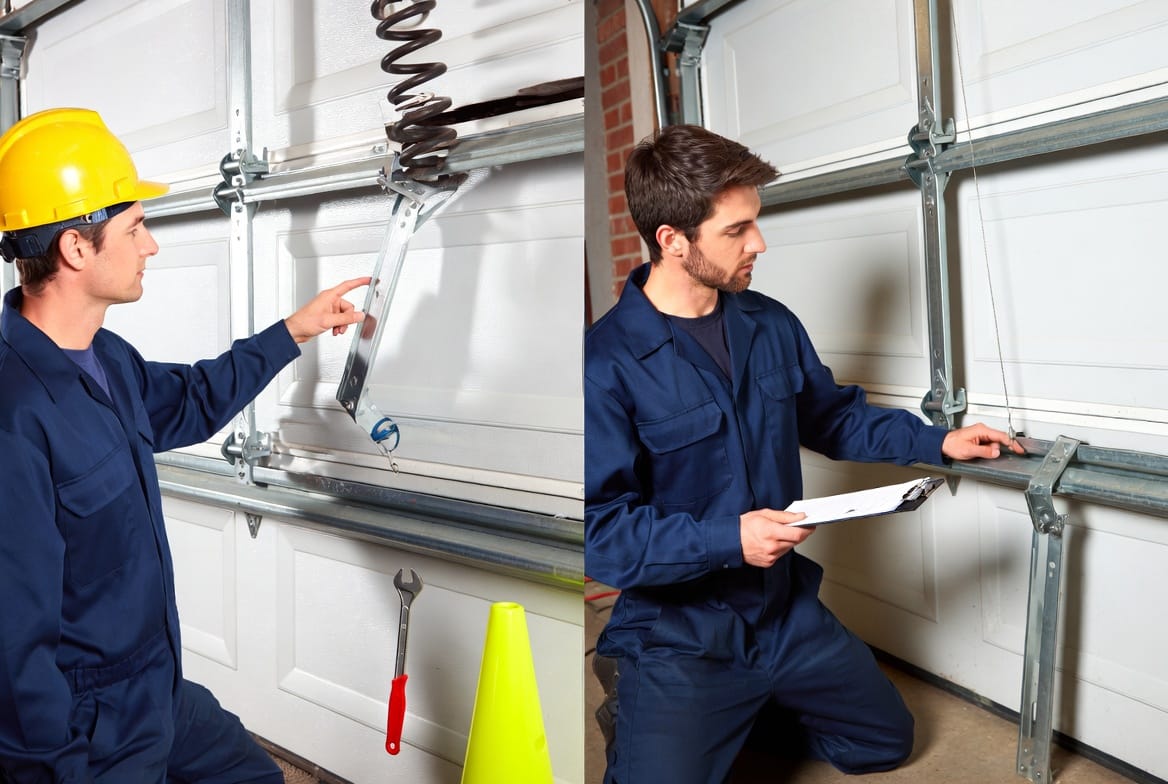
The Hidden Dangers of a Failing Bottom Bracket
The primary risk with the garage door bottom bracket lies in its position within a high-tension environment. Garage doors use powerful springs to counterbalance the heavy door weight. When the bottom bracket weakens or fails, it can release this stored energy suddenly and catastrophically.
Common risks include:
- Cable detachment: Leading to the door crashing down uncontrollably.
- Spring-related failures: Compounding issues due to uneven tension distribution.
- Structural damage: To the door panels, tracks, or surrounding frame.
- Personal injury: From falling doors or snapping cables.
These failures often occur without much warning. A bracket showing signs of metal fatigue might hold for weeks or suddenly give way during normal operation. This unpredictability makes the garage door bottom bracket particularly dangerous for DIY attempts.
Homeowners sometimes notice subtle changes first: unusual noises, uneven lifting, or slight cable slack. Ignoring these early indicators can escalate small issues into major safety hazards.
Why DIY Repair Is Extremely Risky
Never attempt to repair or replace a garage door bottom bracket yourself. The reasons are clear and non-negotiable:
- Extreme spring tension: Even "relaxed" springs store enough force to cause severe injury or death.
- Specialized tools required: Professional torque tools, winding bars, and safety clamps are essential.
- Technical expertise: Precise adjustments prevent new imbalances in the system.
- Liability concerns: Improper work can void warranties and insurance coverage.
Professional technicians train extensively to handle these systems safely. They follow strict protocols to release tension, secure components, and test the full assembly afterward. Attempting this at home often leads to more expensive repairs or emergency situations.
Many service calls we handle stem from previous DIY efforts gone wrong. The time and cost savings homeowners hope for quickly disappear when professionals must correct mistakes and address resulting damage.
Recognizing the Warning Signs
Early detection can prevent complete failure. Stay vigilant for these signs of bottom bracket problems:
- Visible wear or rust on the bracket or cable attachment points.
- Fraying or slack lifting cables.
- Uneven door movement or one side lifting higher than the other.
- Loud grinding, banging, or snapping sounds during operation.
- Door sticking at the bottom or requiring extra force to open/close.
- Gaps or misalignment where the bracket meets the door panel.
If you observe any of these symptoms, stop using the door immediately and contact a qualified technician. Continuing operation increases the likelihood of sudden failure.
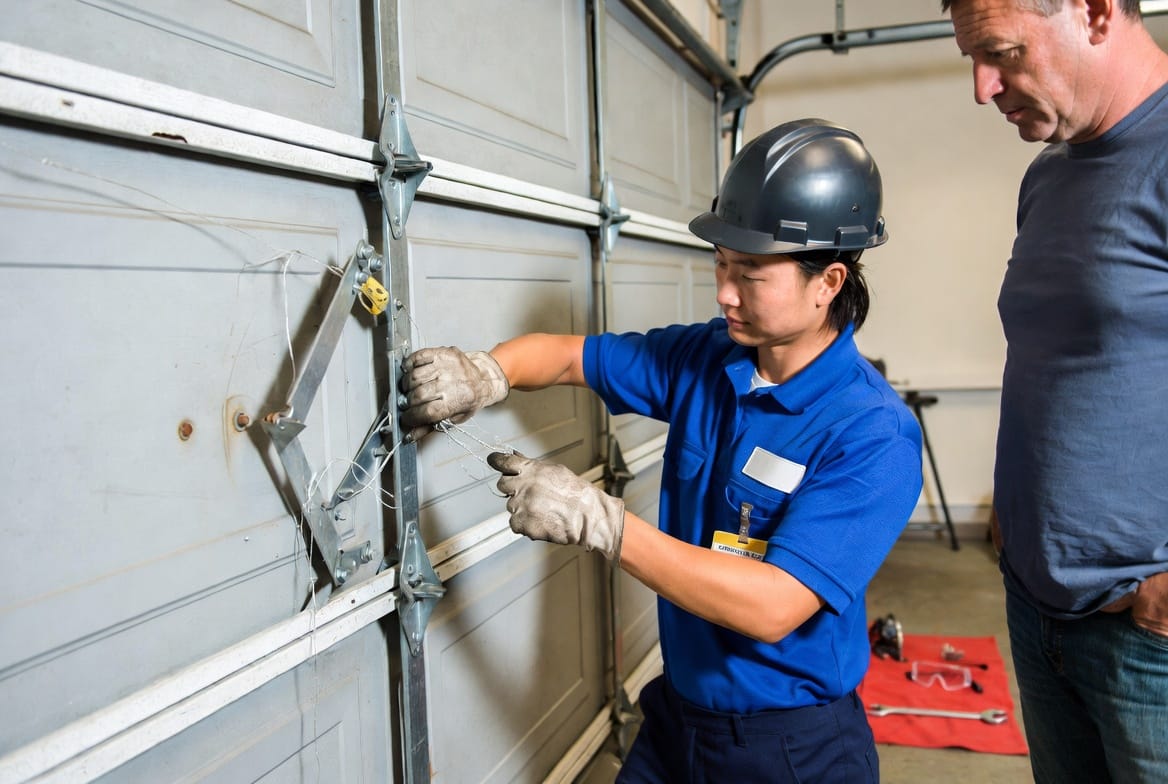
The Professional Repair Process
When professionals address garage door bottom bracket issues, they follow a thorough, safety-first approach:
- Initial Assessment: Careful inspection of the entire system, including springs, cables, tracks, and rollers.
- Tension Release: Proper unwinding of torsion springs using specialized techniques.
- Bracket Removal: Secure detachment of the old component without damaging the door panel.
- Installation of New Bracket: Using OEM or high-quality compatible parts designed for your specific door model.
- Re-tensioning and Balancing: Precise adjustments to restore smooth, effortless operation.
- Full System Testing: Multiple open/close cycles with safety feature verification.
This comprehensive process ensures not just the bracket fix but overall system reliability. Quality parts and expert installation provide peace of mind that lasts for years.
Benefits of Timely Professional Service
Addressing bottom bracket concerns promptly delivers multiple advantages:
- Enhanced Safety: Protects your family, pets, and property from potential accidents.
- Cost Savings: Prevents cascading damage to more expensive components like springs or full door replacements.
- Improved Performance: Restores quiet, efficient, and balanced operation.
- Extended Lifespan: Regular professional maintenance keeps the entire system functioning optimally.
- Warranty Protection: Maintains coverage from manufacturers and service providers.
Investing in professional care represents a smart decision for long-term reliability and garage door safety.
Maintenance Tips to Protect Your Bottom Bracket
While professional service remains essential for repairs, you can support system health between visits:
- Visual Inspections: Monthly checks for obvious wear, rust, or cable issues.
- Lubrication: Apply appropriate garage door lubricant to moving parts (avoid over-lubricating the bracket area).
- Balance Testing: Disconnect the automatic opener and manually check if the door stays in position when partially opened.
- Listen Carefully: Note any new sounds that might indicate developing problems.
- Keep It Clean: Remove debris from tracks and around the bottom of the door.
These habits complement—not replace—professional inspections, ideally scheduled annually or semi-annually depending on usage and climate conditions.
Real-World Importance of Expert Intervention
Consider a typical scenario: A homeowner hears a strange noise but assumes it's minor. Days later, the bottom bracket fails during closing, causing the door to drop several inches and damaging the weather seal and one panel. Emergency service becomes necessary, costing significantly more than routine replacement would have.
In contrast, families who maintain awareness and call professionals at the first sign of trouble experience seamless resolutions. The door returns to reliable service quickly, with full safety features confirmed.
These situations underscore why the garage door bottom bracket deserves proactive attention from trained specialists.
Choosing the Right Service Provider
Look for providers who demonstrate:
- Licensing and Insurance: Full coverage for worker and customer protection.
- Experience with Your Door Type: Knowledge of various brands and models.
- Transparent Pricing: Clear estimates without hidden fees.
- Emergency Availability: Quick response for urgent situations.
- Customer References: Proven track record of quality work.
Reliable technicians prioritize education too, helping homeowners understand their systems better.
Conclusion: Prioritize Safety with Professional Care
The garage door bottom bracket may be small, but its role in your home's safety is enormous. By recognizing its importance, watching for warning signs, and trusting qualified professionals for repairs, you protect what matters most.
Never attempt bottom bracket repair yourself. The risks far outweigh any perceived convenience. Our experienced team delivers fast, reliable solutions that restore safety and confidence to your garage door system.
Don't wait for a failure that could have been prevented. Schedule your inspection today and experience the difference expert care makes.
Protect Your Family – Expert Garage Door Bottom Bracket Service