The Garage Door Bottom Astragal: Replacing the Rubber Seal That Touches the Floor
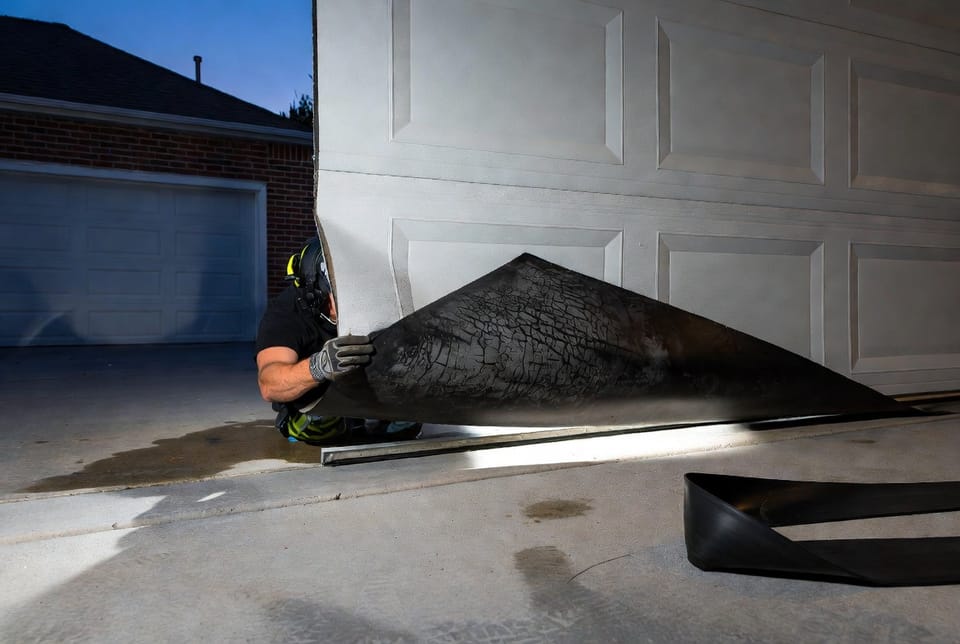
Your garage door bottom astragal is the unsung hero of home protection. This flexible rubber seal, also called the bottom weather seal, runs along the entire width of your garage door and presses firmly against the concrete floor. It blocks rain, wind, dust, insects, and cold drafts from entering your garage. When it wears out, your garage becomes vulnerable to water damage, energy loss, and even pest intrusion.
Replace Your Worn Garage Door Seal Today – Call Now!
At first glance, the astragal may seem like a minor part. In reality, it delivers one of the most important seals in your entire home. Replacing a worn bottom astragal is a smart, cost-effective way to restore comfort, protect your belongings, and improve energy efficiency. This comprehensive guide walks you through everything you need to know — from identifying wear to completing a successful replacement.
What Exactly Is a Garage Door Bottom Astragal?
The garage door astragal is a specially designed rubber extrusion that attaches to the bottom panel of your sectional garage door. Its primary job is to create a flexible, weather-resistant barrier between the door and the floor.
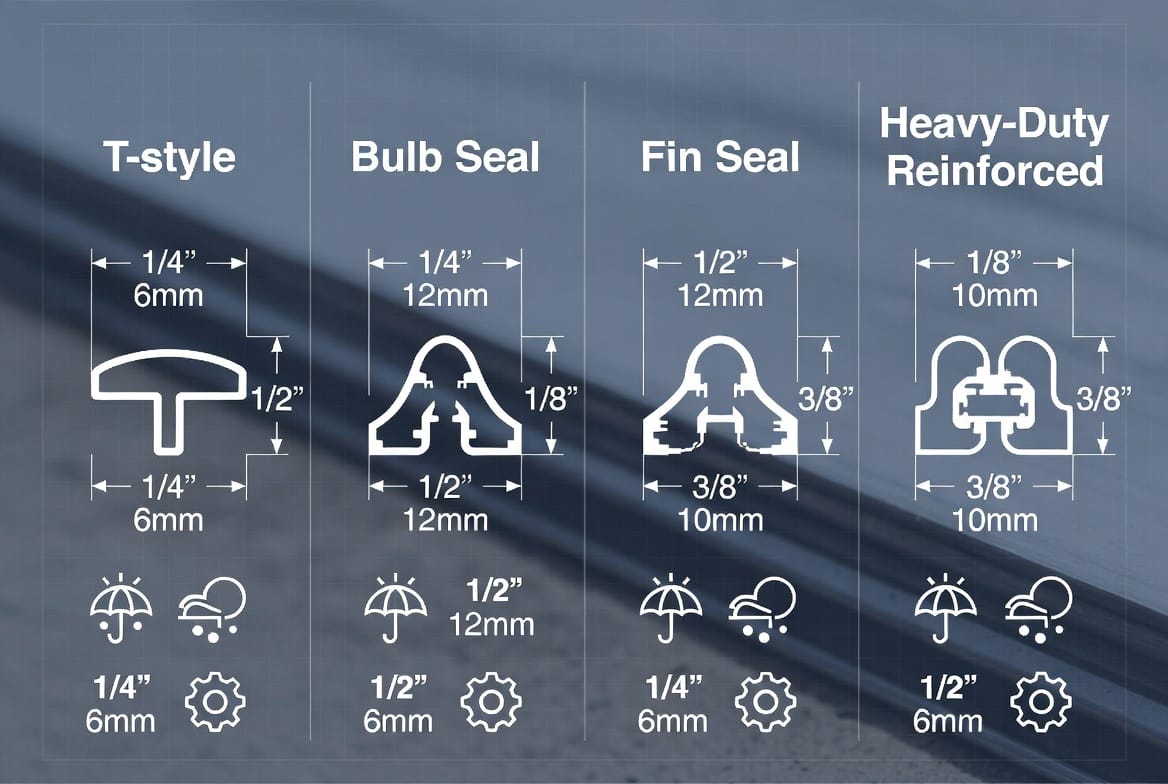
Unlike standard door sweeps, astragals are engineered to handle heavy use, temperature swings, and constant compression. Most modern astragals feature a T-style base that slides into a retaining track on the door, with a rounded or bulb-shaped sealing edge that conforms to minor floor irregularities.
Key functions include:
- Blocking water intrusion during heavy rain
- Preventing air leaks that raise heating and cooling costs
- Keeping dirt, leaves, and pests outside
- Reducing noise and vibration when the door operates
A high-quality astragal can last 5–10 years depending on climate, usage frequency, and sun exposure. In harsh weather regions, replacement may be needed every 3–5 years.
Signs Your Garage Door Bottom Seal Needs Replacement
Catching problems early prevents bigger issues. Watch for these clear warning signs:
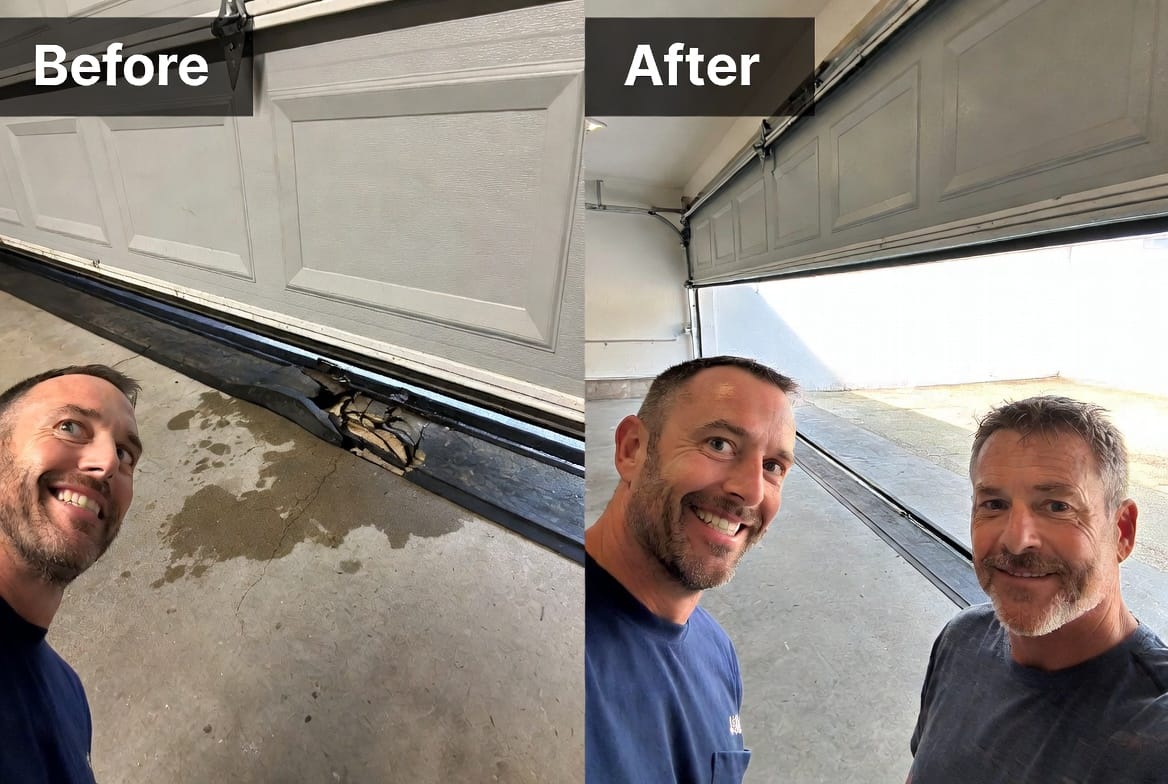
- Visible cracks or splits in the rubber surface
- Flat, compressed spots where the seal no longer makes full contact
- Daylight visible under the closed garage door
- Water puddles or stains on the garage floor after rain
- Noticeable drafts when standing near the door on windy days
- Increased dust and debris inside the garage
- Higher energy bills linked to air leakage
- Pests finding their way into the garage more frequently
If you notice even two of these symptoms, it’s time to inspect the astragal closely. Delaying replacement can lead to costly water damage to stored items, vehicle corrosion, or mold growth.
Benefits of Replacing Your Bottom Astragal
Installing a fresh garage door rubber seal delivers immediate and long-term advantages:
- Superior weather protection against rain, snow, and wind
- Energy savings by reducing heating and cooling loss
- Improved garage comfort year-round
- Extended life of your garage door system by reducing stress on springs and openers
- Enhanced home security by closing potential entry points for intruders and animals
- Cleaner storage environment for vehicles, tools, and seasonal items
Homeowners typically report noticeable differences in temperature control and reduced noise within days of replacement.
How to Measure for a New Garage Door Bottom Seal
Accurate measurement ensures a perfect fit. Follow these steps:
- Close the garage door completely.
- Measure the full width of the door from outside edge to outside edge.
- Check the existing track or retainer channel for its exact profile (T-style is most common).
- Note the current astragal’s height and bulb diameter.
- Record the door’s manufacturer and model if possible.
Add 1–2 inches extra length for trimming to ensure a tight fit without stretching. Most replacement seals are sold by the foot or in standard 7–18 ft lengths.
Choosing the Right Replacement Astragal
Select a seal that matches your door’s retaining system. Popular options include:
- T-style astragal – most universal fit
- Bulb seal – excellent for uneven floors
- Fin-type or double-fin – superior wind resistance
- Heavy-duty reinforced – ideal for high-wind or commercial use
Always choose UV-resistant, ozone-resistant rubber or vinyl compounds designed for outdoor exposure. Black remains the most popular color for its professional appearance and durability.
Step-by-Step Guide to Replacing the Garage Door Bottom Astragal
Safety first: Disconnect the garage door opener and use clamps or locking pliers to secure the door in the closed position.
Step 1: Remove the old seal
Gently pull or slide the worn astragal out of the bottom retainer track. Use a utility knife to cut stubborn sections. Wear gloves to protect against sharp edges or debris.
Step 2: Clean the track thoroughly
Remove dirt, old rubber fragments, and corrosion using a wire brush and mild detergent. Dry completely.
Step 3: Prepare the new astragal
Cut the new seal to exact door width. Lubricate the T-base lightly with silicone spray for easier insertion.
Step 4: Install the new seal
Starting from one end, slide the T-base into the retainer channel. Work steadily across the full width, tapping gently with a rubber mallet if needed. Ensure the sealing bulb faces downward and makes full contact with the floor.
Step 5: Test the door
Reconnect the opener, run the door through several cycles, and check for smooth operation and complete floor contact. Make minor adjustments if gaps remain.
Step 6: Final inspection
Confirm no daylight shows under the closed door and that the seal compresses evenly.
The entire process typically takes 30–60 minutes for a standard single-car garage door.
Common Mistakes to Avoid During Replacement
- Choosing the wrong profile type for your door track
- Cutting the seal too short
- Forcing the seal without proper lubrication
- Failing to clean the retainer track first
- Reconnecting the opener before testing manual operation
Avoiding these errors ensures a professional-quality result that lasts for years.
Maintenance Tips to Extend Astragal Life
- Inspect the seal twice per year
- Clean with mild soap and water – never harsh chemicals
- Apply UV protectant spray annually
- Keep the garage floor level and free of debris
- Address any door alignment issues promptly
Regular care can significantly extend the service life of your new bottom seal.
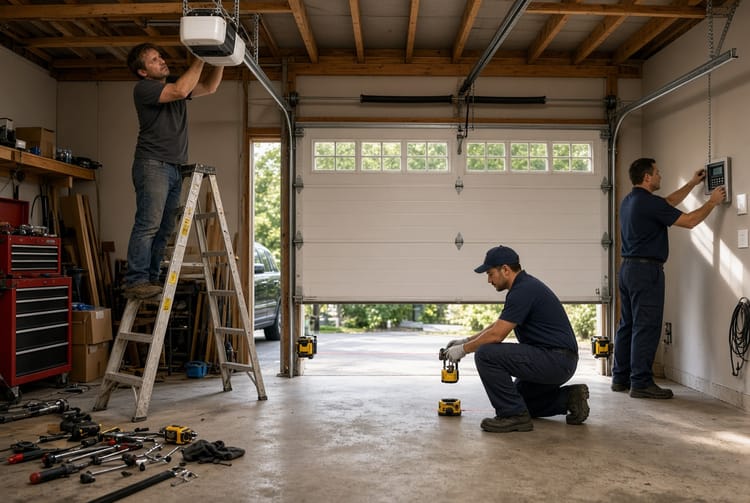
When to Call Professional Garage Door Technicians
While many homeowners successfully replace the bottom astragal themselves, professional service is recommended if:
- Your door is heavy or difficult to secure safely
- The retainer track is damaged or rusted
- You have a commercial or oversized door
- You prefer guaranteed results and warranty coverage
Trained technicians complete the job quickly, safely, and with the correct parts in stock.
Seal drafts and water with a new bottom seal. Protect your garage and home today by replacing your worn garage door bottom astragal.
Don’t let a failing rubber seal compromise your garage. A quick, affordable replacement delivers years of reliable protection, energy savings, and peace of mind. Contact us today — we’re ready to help restore your garage door’s perfect seal.
Protect Your Garage from Weather – Replace the Bottom Seal Today