The Freezer Door Gasket: How a Worn Seal Wastes Energy and Freezes Food
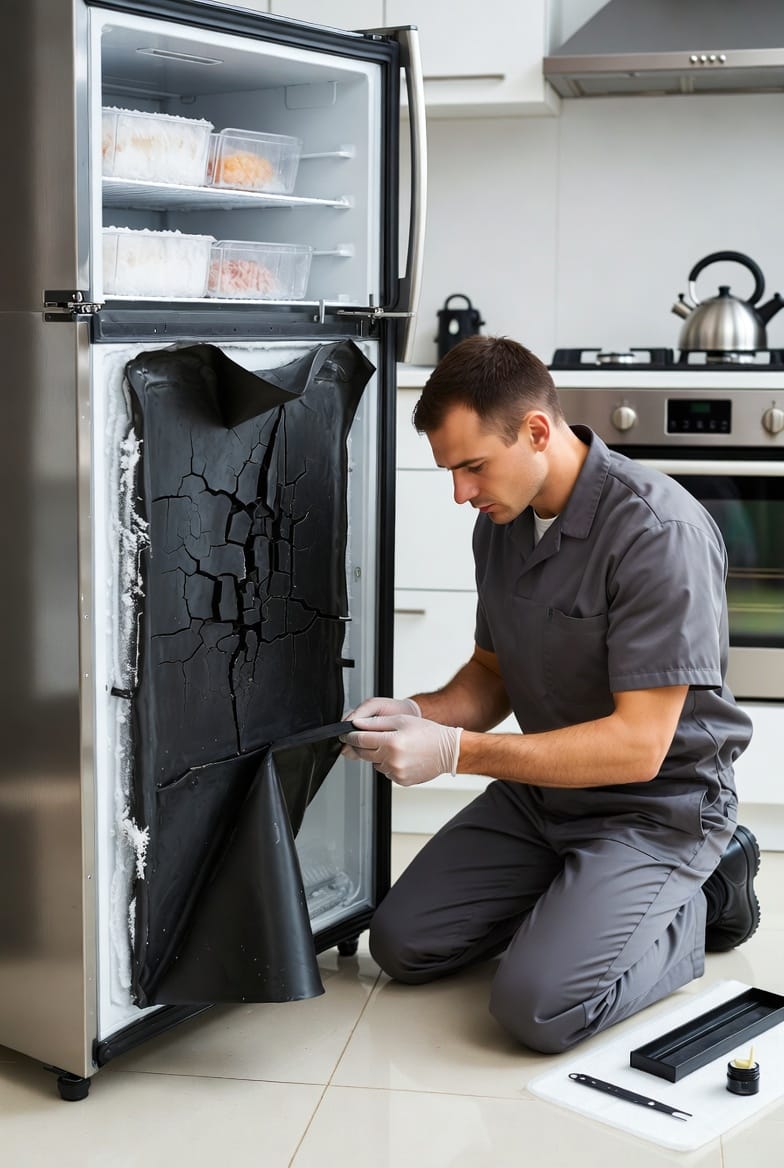
Your freezer works hard every day to keep food safely preserved, yet one small component often determines whether it performs efficiently or wastes energy while damaging your groceries. The freezer door gasket is that critical seal. When it wears out, warm air sneaks in, frost builds up, and your appliance struggles—driving up energy bills and risking spoiled food.
Stop Energy Waste & Frost Buildup – Call for Gasket Replacement!
The good news? This is a straightforward, cost-effective repair that restores peak performance quickly. In this guide, we explain exactly how the gasket works, the clear warning signs of failure, and the simple replacement process that delivers immediate results. A tight, reliable seal protects both your wallet and your food supply.
What Is a Freezer Door Gasket and Why Does It Matter?
A freezer door gasket is the flexible rubber or vinyl seal that runs around the entire edge of your freezer door. It compresses when the door closes, creating an airtight barrier between the cold interior and the warmer kitchen air. Most modern gaskets also contain a magnetic strip that helps the door snap shut firmly and stay sealed.
Over years of daily use, this gasket faces constant stress: repeated opening and closing, temperature fluctuations, food spills, and natural aging. When it remains in good condition, your freezer runs efficiently. When it degrades, however, the consequences appear gradually but become expensive. Replacing a worn gasket is one of the simplest ways to extend the life of your appliance and keep monthly utility costs under control.
How a Healthy Freezer Door Gasket Seals in Cold Air
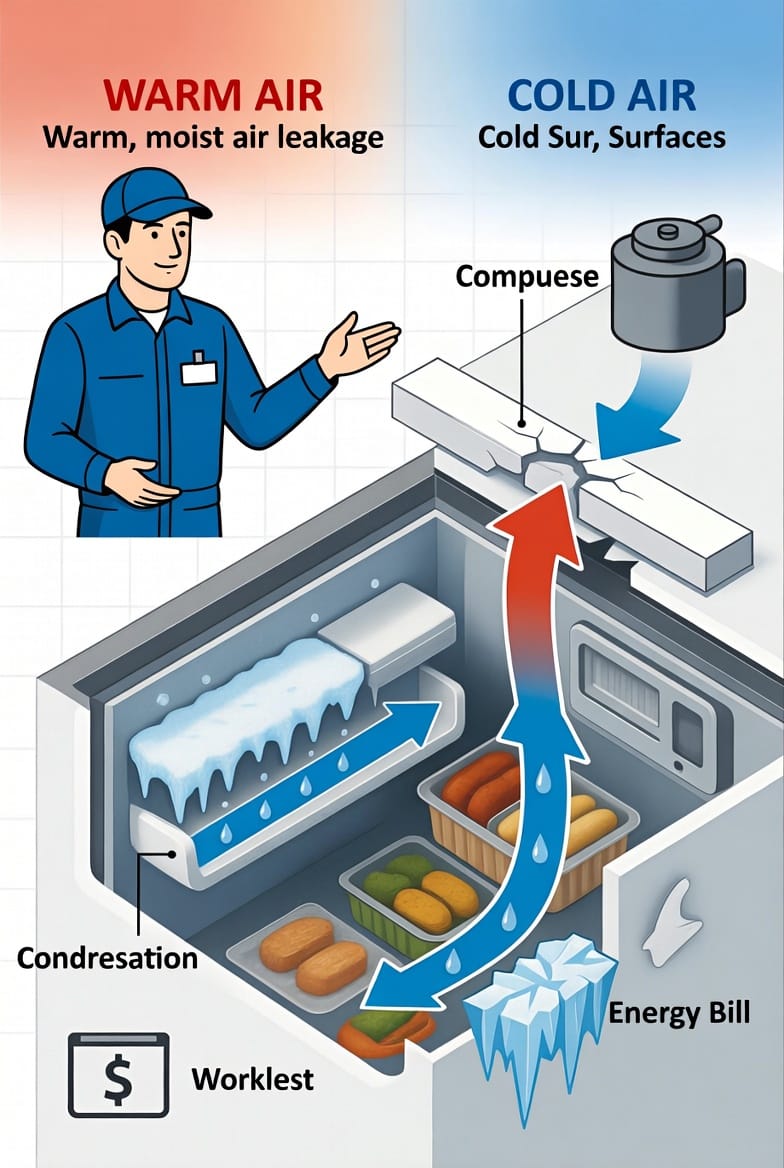
The science is straightforward yet powerful. Inside the freezer, temperatures typically hover between 0°F and -10°F. The gasket creates a compression seal that prevents warm, moist kitchen air from entering. This airtight barrier allows the compressor to maintain consistent cold without working overtime.
A properly functioning gasket also blocks humidity. Without moisture infiltration, frost cannot form on the walls or food packages. The result is stable temperatures, lower energy consumption, and food that stays fresh longer. When the seal weakens, however, the cycle reverses—and that is when problems begin.
Recognizing the Signs of a Failing Freezer Door Gasket
Early detection prevents bigger issues. Watch for these common indicators that your gasket needs attention:
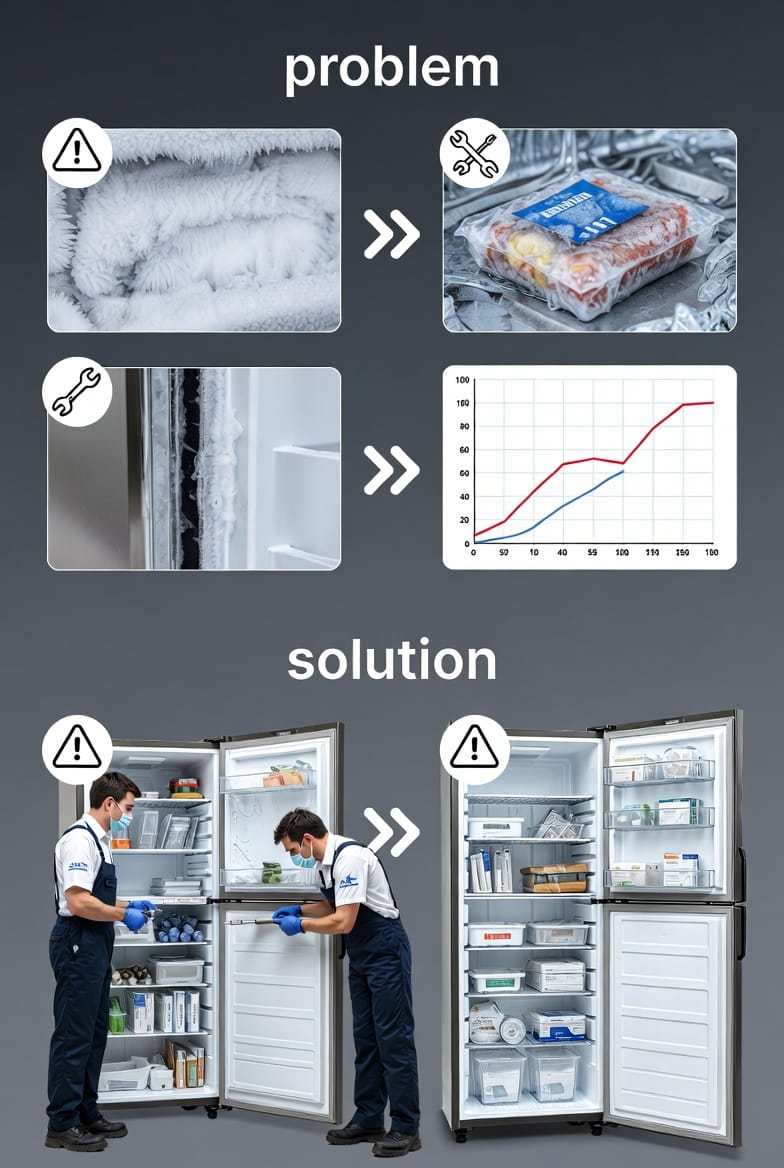
- Frost buildup on the interior walls or ceiling of the freezer compartment
- Ice crystals forming directly on food packages, even when items are properly wrapped
- Visible condensation or water droplets on the outside of the freezer door or around the seal
- The door not sealing tightly—it may feel loose, require extra pressure to close, or pop open slightly after you walk away
- Unusually high energy bills with no change in usage habits
- The freezer running longer or more frequently than usual, often accompanied by a warmer interior temperature
These symptoms rarely appear overnight. They develop gradually as the gasket loses flexibility or develops cracks. If you notice even one or two of these issues, inspect the seal promptly. A quick check today can save significant energy and food costs tomorrow.
The Hidden Costs of a Worn Gasket: Energy Waste and Food Safety Risks
A compromised freezer door gasket forces the compressor to work harder and longer to maintain cold temperatures. This extra runtime directly increases electricity consumption—often by 20-30% or more in severe cases. Over months, those extra kilowatt-hours add up to noticeable spikes on your utility statement.
Beyond energy waste, moisture infiltration creates frost and ice that insulate the cooling coils, further reducing efficiency. Food safety also suffers. Ice crystals on packages can lead to freezer burn, texture changes, and shorter storage life. In extreme situations, fluctuating temperatures may push certain items out of the safe zone, increasing the risk of spoilage.
Replacing the gasket restores the original airtight performance, lowers energy use, and protects everything stored inside. Homeowners who address this repair early consistently report lower monthly bills and greater peace of mind.
Step-by-Step Guide to Replacing Your Freezer Door Gasket
Most homeowners can complete this repair in under an hour with basic tools. Here is the professional process:
- Unplug the freezer for safety and allow it to warm slightly if heavy frost is present.
- Remove the old gasket by gently pulling it out of the retaining groove or loosening the screws/clips that hold it in place.
- Clean the groove thoroughly with a mild detergent solution to remove dirt, old adhesive, and residue.
- Soften the new gasket if recommended by the manufacturer (warm water or a hair dryer on low often helps).
- Install the new gasket by pressing it firmly into the groove, starting at one corner and working around the door.
- Secure any screws or clips and close the door firmly to help the gasket seat properly.
- Test the seal using the dollar-bill method: close the door on a dollar bill at several points around the perimeter. The bill should resist being pulled out easily.
After replacement, plug the unit back in and monitor temperatures for the next 24 hours. You should notice quieter operation and reduced frost almost immediately.
Maintenance Tips to Extend Gasket Life
Prevention is always better than repair. Wipe the gasket monthly with a mild cleaner, avoid slamming the door, and check the seal every six months. These small habits keep the gasket flexible and effective for years longer.
When to Call a Professional Appliance Repair Service
While many replacements are DIY-friendly, certain situations call for expert help: older built-in models, unusual gasket shapes, persistent leaks after replacement, or when you simply prefer guaranteed results. Professional technicians arrive with the correct OEM gasket, proper tools, and years of experience—ensuring the job is done right the first time.
A Tight Seal Saves Energy and Protects Your Food
A healthy freezer door gasket is one of the easiest and most effective upgrades you can make to your kitchen appliances. By addressing wear promptly, you eliminate energy waste, prevent frost and ice problems, and keep food at its freshest.
Don’t let a worn seal continue costing you money and compromising your groceries. Restore efficiency and peace of mind with a proper gasket replacement today.
We handle freezer door gasket replacements and all major appliance repairs with professional care and guaranteed results.
Your freezer will thank you—and so will your energy bill.
Replace Worn Freezer Gasket & Save on Energy Bills – Call Today