The Flooring Removal Dumpster: Handling Carpet, Hardwood, and Tile Debris
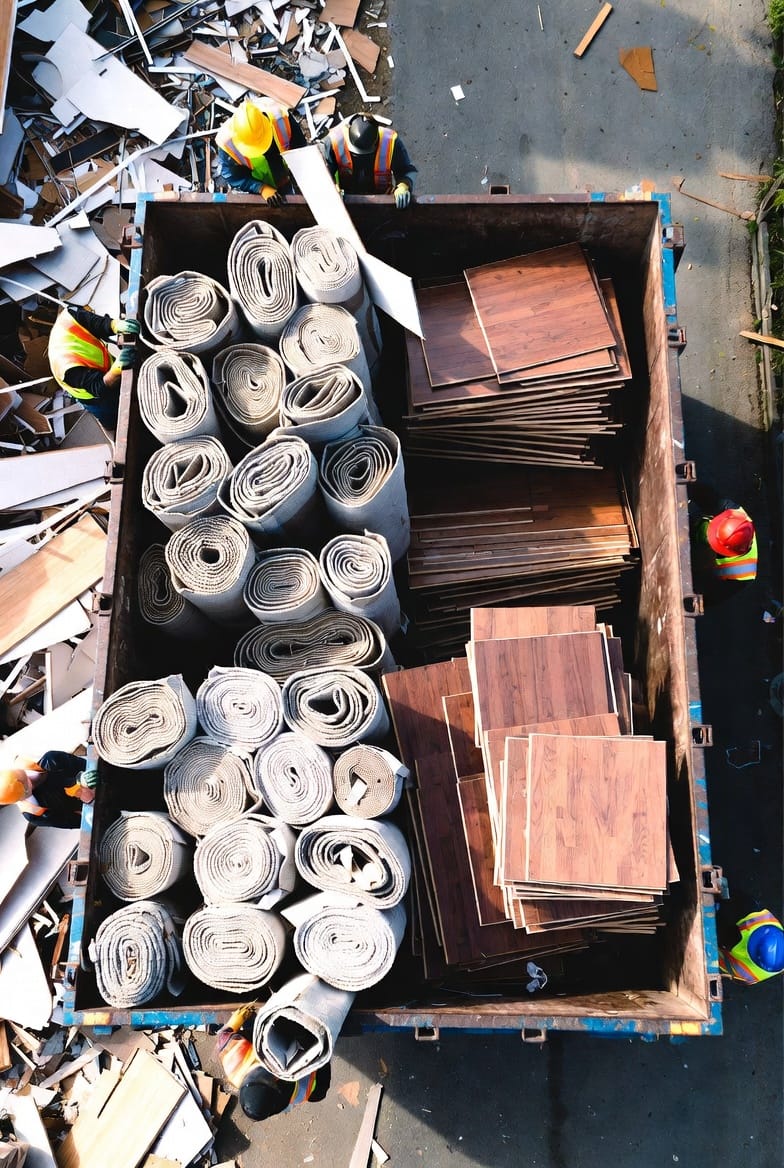
Renovating your floors can transform any space, but the debris left behind often creates unexpected challenges. From heavy rolls of old carpet to dense stacks of hardwood and sharp fragments of tile, managing this waste efficiently is key to a smooth project. A specialized flooring removal dumpster provides the perfect solution, ensuring safe disposal, compliance with regulations, and minimal disruption to your timeline.
Need a Flooring Removal Dumpster? Call Now for Fast Delivery
In this guide, we break down the unique disposal considerations for each flooring type, share proven loading techniques, and offer practical strategies to keep your project on track. Whether you're tackling a full-home update or a single-room refresh, the right dumpster rental approach delivers peace of mind and professional results.
Understanding the Challenges of Flooring Debris
Flooring removal generates substantial volume and weight quickly. Unlike general construction waste, flooring materials vary significantly in density, shape, and handling requirements. Carpet often arrives in bulky, heavy rolls that can shift during transport. Hardwood planks are dense and rigid, demanding careful stacking to avoid overloading. Tile presents sharp edges that require protective handling to prevent injury or punctures.
Choosing the correct flooring removal dumpster size and type prevents costly delays, safety issues, and overage fees. With proper planning, you can dispose of everything responsibly while maintaining a clean, organized worksite. Our team at Domain House Dumpster Rental has supported countless projects like yours, helping homeowners and contractors achieve efficient, stress-free results.
Carpet Removal: Managing Heavy Rolls Effectively
Carpet debris is one of the most common yet deceptively heavy materials in flooring projects. Once removed, it compresses into large rolls that can weigh 50 to 100 pounds or more depending on the square footage and padding thickness. These rolls take up significant space if not handled correctly, and loose fibers can create slippery hazards on the ground.
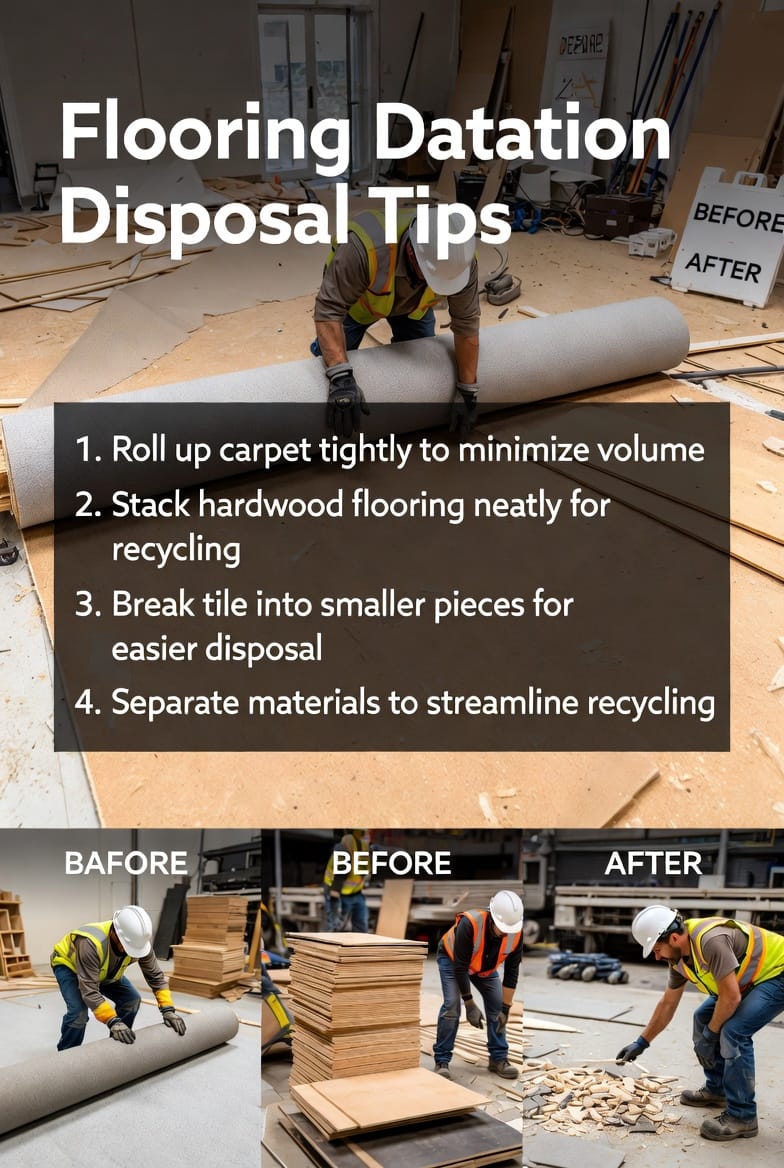
To optimize your flooring removal dumpster, always roll the carpet tightly with the padding inside. This reduces volume dramatically and prevents unraveling during loading or transport. Secure each roll with strong tape or straps to maintain shape. Bold risk alert: Overloading a dumpster with unsecured carpet rolls can lead to shifting loads, making unloading unsafe and potentially violating weight limits.
In practice, a 20-yard dumpster rental comfortably accommodates carpet from an average living room or hallway when rolled properly. For larger areas, consider a 30-yard container to avoid multiple hauls. This approach not only saves time but also keeps your project budget in check by preventing unnecessary overage charges.
Hardwood Flooring Disposal: Dealing with Dense Materials
Hardwood flooring stands out for its density and durability—even after removal. Solid oak or engineered planks add substantial weight per cubic yard, often requiring careful distribution within the dumpster to stay under legal limits. Stacking planks flat and aligning them parallel maximizes space while minimizing movement during hauling.
Key consideration: Hardwood debris is rigid and can create pressure points that damage dumpster walls if piled haphazardly. Break longer planks into shorter sections when possible, and avoid mixing with lighter materials that might get crushed underneath. This method ensures even weight distribution and protects both your crew and the equipment.
For most residential hardwood removal projects, a 15- to 20-yard flooring removal dumpster provides ample capacity. Professionals recommend loading hardwood first as a stable base layer, then topping with lighter debris. This technique has proven reliable across thousands of successful renovations, delivering consistent results without surprises.
Tile Debris: Handling Heavy, Sharp Waste Safely
Tile removal introduces its own set of challenges: heavy fragments combined with razor-sharp edges. Ceramic, porcelain, and stone tiles can weigh significantly more per volume than carpet or hardwood, and broken pieces pose real injury risks if not managed properly.
Always wear heavy-duty gloves and sturdy footwear during handling. Break larger tiles into smaller, manageable pieces using appropriate tools, then contain shards in heavy-duty contractor bags or wrapped bundles. Important safety note: Never toss loose sharp tile directly into the dumpster, as it can puncture tires or injure workers during pickup.
A dedicated tile disposal dumpster with higher weight capacity is often ideal. Separate tile from other materials when feasible to simplify recycling options and reduce overall weight. This thoughtful separation also supports environmental responsibility, allowing more debris to be diverted from landfills where possible.
Proper Loading Techniques for Maximum Efficiency
Successful flooring removal dumpster use depends on smart loading practices that respect both safety and capacity limits. Follow these proven steps for optimal results:
- Distribute weight evenly across the dumpster floor to prevent tipping risks and ensure legal transport compliance.
- Load heaviest materials first—hardwood or bagged tile—creating a stable foundation.
- Fill to the fill line only, never exceeding the marked maximum height or weight.
- Use ramps or lifts for heavy rolls and stacks to reduce strain on your team.
- Keep the area around the dumpster clear for easy access and safe maneuvering.
These techniques minimize downtime and protect everyone involved. When followed consistently, they transform what could be a chaotic debris-management phase into a streamlined part of your renovation workflow.
Weight and Volume Considerations Across Flooring Types
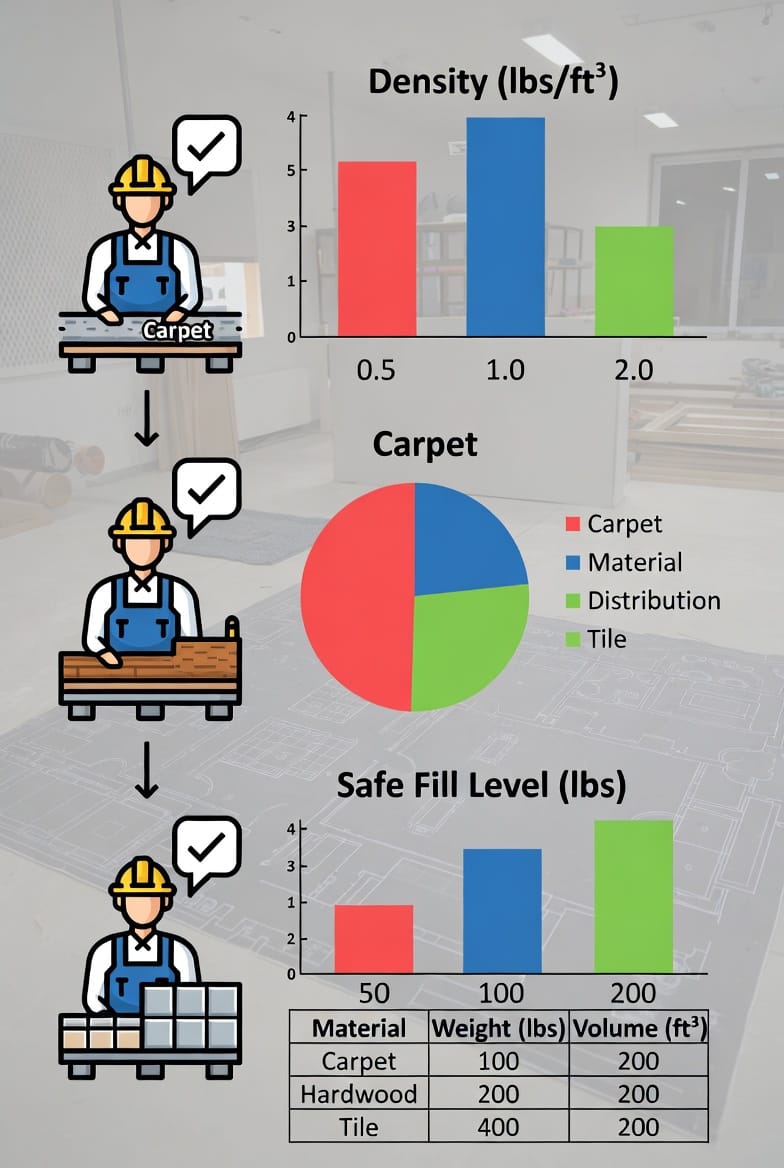
Every flooring removal dumpster has specific weight and volume limits designed for safe transport. Carpet rolls, while bulky, are relatively lighter per cubic yard but expand quickly if not compressed. Hardwood contributes high density in a compact footprint, often reaching 1,000–2,000 pounds per 10 cubic yards. Tile, being both heavy and fragmented, can push weight limits faster than expected.
Understanding these differences allows you to select the right dumpster size from the start. For mixed projects, calculate approximate totals: a standard 1,000-square-foot room might generate 4–6 cubic yards of carpet, 3–5 cubic yards of hardwood, or 2–4 cubic yards of tile debris. Factor in padding, underlayment, and adhesives for accurate planning.
By addressing these considerations upfront, you avoid last-minute adjustments and keep your project moving forward confidently.
Best Practices and Pro Tips for Flooring Disposal
Beyond basic loading, a few strategic habits elevate your flooring removal experience:
- Schedule dumpster delivery early in the project so debris never piles up on-site.
- Separate recyclable materials (certain woods or clean tile) when local facilities allow.
- Monitor weather conditions—wet carpet or tile becomes significantly heavier and more difficult to handle.
- Communicate clearly with your dumpster rental provider about the exact materials involved for the most suitable container recommendation.
These small steps yield big dividends in efficiency and cost savings.
Why Professional Dumpster Rental Makes All the Difference
Partnering with an experienced provider ensures you receive the correctly sized flooring removal dumpster, timely delivery, and expert guidance tailored to your specific debris mix. This professional support eliminates guesswork, reduces liability, and lets you focus on the creative aspects of your renovation.
From initial consultation to final pickup, the right team stands ready to handle every detail, delivering reliable service that homeowners and contractors trust project after project.
Call Today for Expert Flooring Removal Dumpster Advice