The Flooded Carpet Cleaning vs. Replacement: When to Save
When water invades your home, the sight of a soaked carpet can feel overwhelming. As water damage restoration specialists, we understand the immediate stress and the pressing question every homeowner asks: Can this carpet be saved, or is replacement inevitable?
Expert Flooded Carpet Assessment – Call Now!
The decision between flooded carpet cleaning and full replacement isn't just about cost—it's about safety, long-term durability, and protecting your family's health. This comprehensive guide will walk you through the key factors, helping you make an informed choice with confidence. Timely action is your greatest ally in water damage scenarios.
Understanding Water Damage Categories: The Foundation of Your Decision
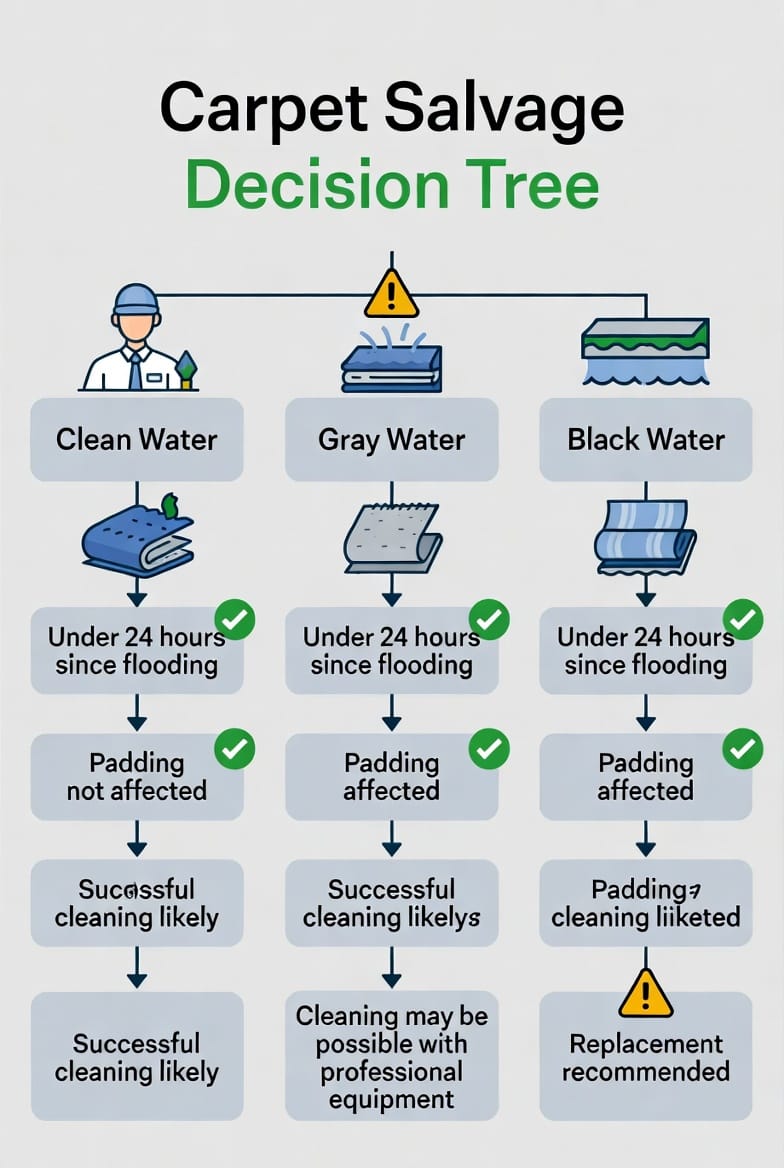
Water intrusion falls into three distinct categories, each carrying different risks and restoration potential.
Category 1: Clean Water originates from sources like broken supply lines, overflowing sinks, or rainwater. This is the most salvageable type. With prompt intervention, professional flooded carpet cleaning can often fully restore your flooring.
Category 2: Gray Water contains contaminants from appliances, toilets without feces, or sump pumps. It poses moderate health risks and significantly lowers salvage success rates.
Category 3: Black Water is highly contaminated—sewage, floodwater from rivers, or long-standing moisture. This category almost always demands replacement due to severe bacterial and mold threats.
Bold decision rule: Only pursue cleaning for confirmed Category 1 incidents. Anything else prioritizes safety through replacement.
When Your Carpet Can Likely Be Saved: Key Salvage Conditions
Not every flooded carpet requires tearing out. Several specific conditions dramatically improve restoration odds:
- Clean water only (Category 1 confirmed)
- Rapid extraction within 24 hours of the flood
- Padding not fully saturated or easily removable
- Carpet can be safely lifted, cleaned, and re-stretched
- No underlying structural damage or hidden mold growth
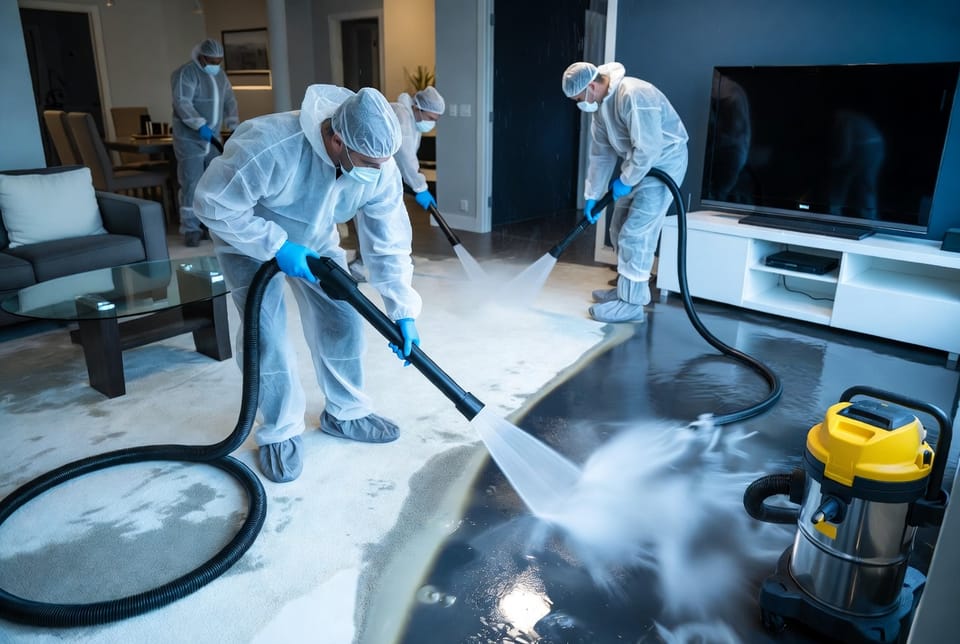
When these align, professional restoration teams use advanced techniques like powerful truck-mounted extractors, industrial dehumidifiers, and antimicrobial treatments to rescue the carpet effectively.
Early intervention transforms potential disaster into a manageable recovery. Acting fast minimizes fiber damage, prevents mold spores from taking hold, and preserves the carpet's original appearance and texture.
The Step-by-Step Flooded Carpet Cleaning Process
Professional restoration follows a proven protocol designed for maximum success:
- Immediate Water Removal: High-powered extraction removes standing water quickly.
- Thorough Inspection: Technicians assess carpet, padding, and subfloor for hidden issues.
- Pad Management: Saturated padding is often removed and replaced to prevent mold.
- Deep Cleaning & Sanitizing: Specialized cleaners target contaminants while preserving fibers.
- Drying Phase: Air movers and dehumidifiers work 24/7 until moisture levels normalize.
- Re-stretching & Finishing: The carpet is carefully reinstalled for a seamless look.
This methodical approach ensures not just cleanliness, but complete restoration of safety and comfort.
Signs That Replacement Is the Smarter Choice
Certain red flags indicate that attempting to clean the carpet could lead to bigger problems later:
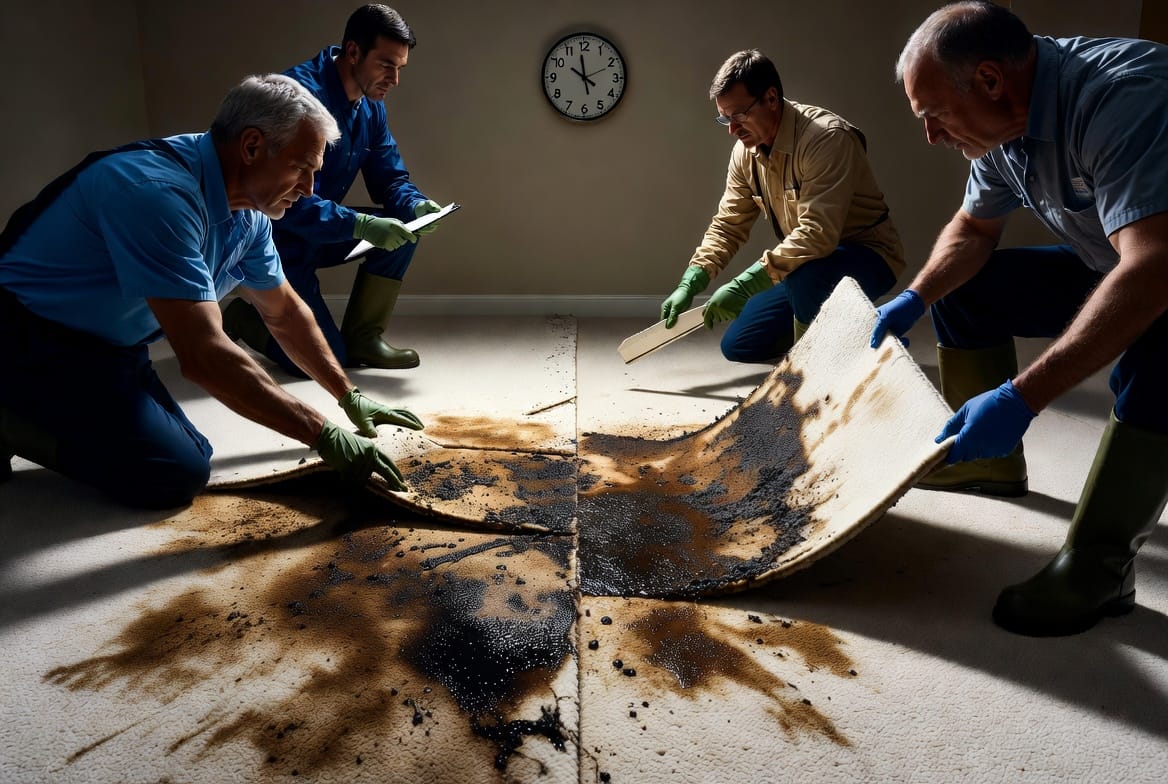
- Exposure to Category 2 or 3 water
- Padding completely saturated and contaminated
- Water exposure exceeding 48 hours
- Visible mold growth or persistent musty odors
- Delamination of carpet backing
- Damage to subflooring requiring full access
In these cases, replacement isn't defeat—it's responsible protection for your home and health. New carpet installed after proper drying and sanitizing of the subfloor often proves more economical than repeated cleaning attempts or future health issues.
Health Risks of Attempting to Save the Wrong Carpet
Mold and bacteria thrive in damp environments. Within 24-48 hours, microscopic growth can begin, releasing spores that affect respiratory health, especially in children, elderly family members, or those with allergies.
Hidden contamination in padding or underlayment may not be visible but can off-gas volatile compounds or harbor pathogens. Professional assessment using moisture meters and thermal imaging detects these threats that DIY efforts often miss.
Prioritizing safety through proper evaluation protects your family's wellbeing while delivering peace of mind.
Cost Comparison: Cleaning vs. Replacement
Many homeowners worry about expenses, but the numbers often surprise:
Professional flooded carpet cleaning typically ranges based on square footage and severity but offers substantial savings when conditions allow. This approach preserves your existing investment and avoids the disruption of full replacement.
Full replacement includes removal, disposal, subfloor preparation, new padding, and installation. While initially higher, it becomes cost-effective when cleaning risks failure or recurring issues.
The right choice balances immediate costs with long-term value, avoiding expensive callbacks or health-related expenses.
Real-World Scenarios: Learning From Common Cases
Consider a family whose washing machine hose burst overnight with clean water. Discovered within hours, professionals extracted water, replaced the pad, and restored the carpet beautifully. The home returned to normal within days.
Contrast this with a basement flood from heavy rains introducing muddy Category 2 water over a weekend. Despite best efforts, the saturated conditions required full replacement to prevent ongoing mold concerns.
These examples highlight why professional assessment remains crucial rather than relying on general rules alone.
The Critical Role of Professional Expertise
DIY cleaning kits cannot match commercial-grade equipment or expertise. Trained technicians understand:
- Proper drying science to reach equilibrium moisture content
- Appropriate antimicrobial treatments for different fiber types
- Structural drying techniques for walls and subfloors
- Documentation for insurance claims
This expertise ensures optimal outcomes while streamlining the claims process with detailed reports and photos.
Preventing Future Water Damage Incidents
While addressing current issues, proactive steps reduce future risks:
- Regular inspection of hoses and appliances
- Proper grading around your foundation
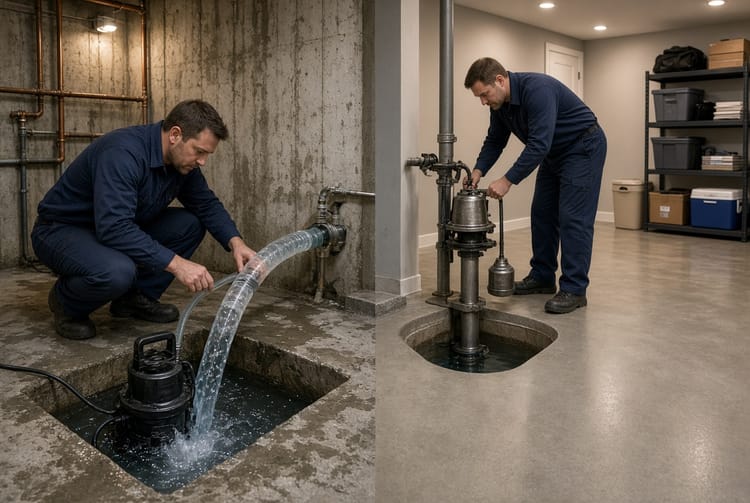
- Installation of sump pumps with battery backups in flood-prone areas
- Quick response kits for minor spills
- Annual HVAC and plumbing maintenance
Prevention combined with rapid response creates the strongest defense for your home's flooring investments.
What to Expect During Professional Restoration
From the initial call to final walkthrough, reputable services prioritize clear communication:
- Rapid emergency response, often within hours
- Transparent assessment with explained options
- Detailed written estimates
- Ongoing updates throughout the drying process
- Final testing to confirm successful restoration
This structured approach minimizes disruption and maximizes results.
Making the Final Decision: A Balanced Approach
The choice between flooded carpet cleaning and replacement ultimately depends on:
- Water source and contamination level
- Time elapsed since the incident
- Extent of saturation in carpet and padding
- Your specific home conditions and priorities
Save the carpet only if conditions are right. When in doubt, professional evaluation provides clarity without obligation.
Emergency Action Steps You Should Take Now
- Ensure safety first – turn off electricity in affected areas if needed
- Remove excess water carefully if safe to do so
- Contact professionals immediately for assessment
- Document everything with photos for insurance
- Avoid walking extensively on wet carpet to prevent further damage
Time remains the most critical factor. Every hour counts in the battle against permanent damage.
Why Choose Professional Water Damage Restoration
Experienced teams bring specialized knowledge, equipment, and peace of mind that DIY solutions cannot provide. They handle everything from initial extraction through final sanitization, coordinating with insurance providers when necessary.
Our commitment focuses on restoring not just your carpet, but your home's comfort and safety efficiently.
Our experts arrive quickly, provide honest recommendations, and guide you toward the best solution for your specific circumstances—whether that's expert cleaning or safe replacement.
Don't wait. The difference between successful restoration and costly complications often comes down to that first call. Protect your home, your health, and your investment with knowledgeable support when water damage strikes.
Carpet Cleaning or Replacement? Get Expert Advice Now