The Flooded Basement Air Quality: Testing for Mold and VOCs
A flooded basement is far more than a water problem. Once the visible water recedes, an invisible threat remains in the air you and your family breathe. Mold spores, volatile organic compounds (VOCs), and other biological contaminants can linger for weeks or months if they are not professionally identified and removed. This comprehensive guide explains the genuine health concerns, the contaminants that appear after flooding, the precise testing methods used by experts, and the proven remediation steps that restore safe indoor air.
Test Your Flooded Basement Air Quality Today – Call Now!
Hidden Health Risks After Basement Flooding
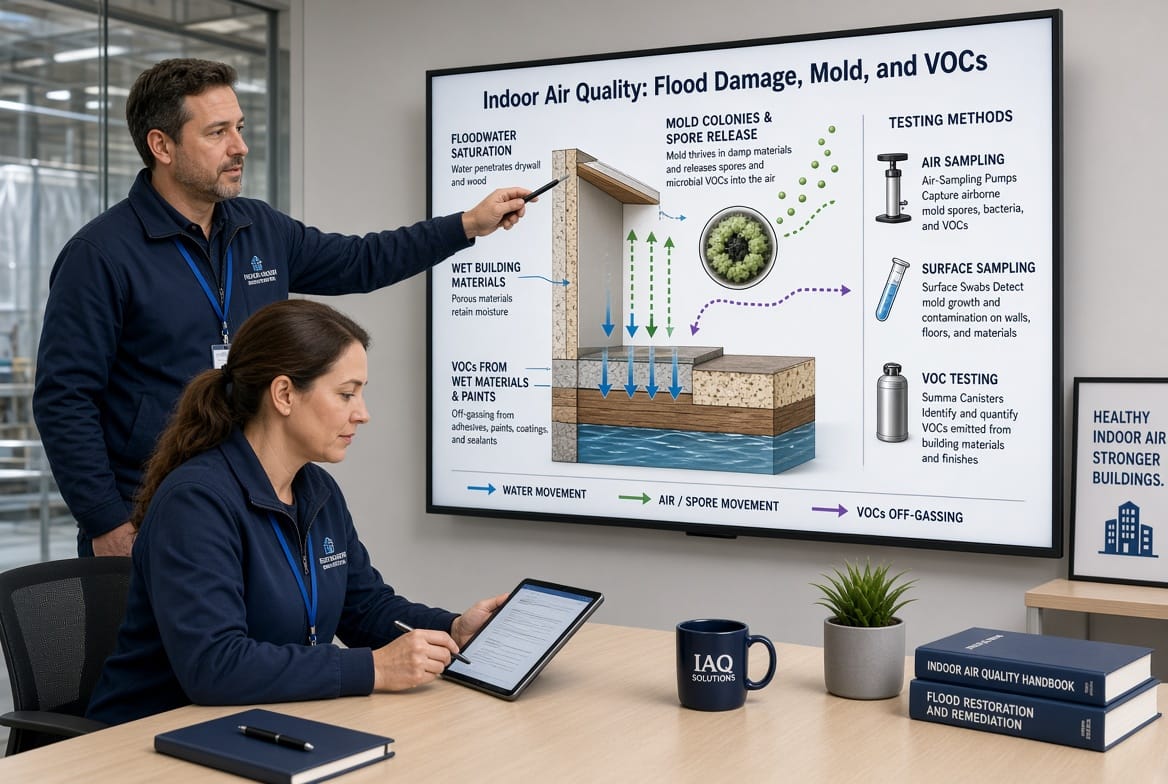
Standing water creates the perfect environment for rapid microbial growth. Within 24 to 48 hours, mold colonies begin releasing microscopic spores into the air. At the same time, wet building materials, adhesives, paints, and stored household products start off-gassing VOCs. These airborne particles and gases do not stay confined to the basement; they travel through HVAC systems, stairwells, and floor joints into living spaces.
Health effects range from immediate irritation to longer-term respiratory issues. Common symptoms include persistent coughing, watery eyes, throat irritation, headaches, and worsening of existing asthma or allergies. Individuals with weakened immune systems, young children, and older adults face higher risk of more serious infections or inflammatory responses. The reassuring news is that these risks are fully manageable when testing and remediation begin promptly.
Potential Contaminants Released After a Flood
Floodwater itself is rarely clean. Even “clean” water from a burst pipe quickly becomes a growth medium. The most frequent post-flood contaminants include:
- Mold spores – Penicillium, Aspergillus, and Stachybotrys species thrive on wet drywall, insulation, and wood. Spores remain airborne long after surfaces appear dry.
- VOCs from building materials – Formaldehyde, toluene, and other chemicals leach from wet particleboard, carpet backing, paints, and sealants.
- Bacteria and endotoxins – Especially if the flood involved sewage or outdoor water, gram-negative bacteria can produce inflammatory compounds.
- Dust mites and other allergens that multiply in persistently damp conditions.
These contaminants are often odorless or produce only a faint musty smell, which is why visual inspection alone is never sufficient.
Why Professional Air Quality Testing Is Essential
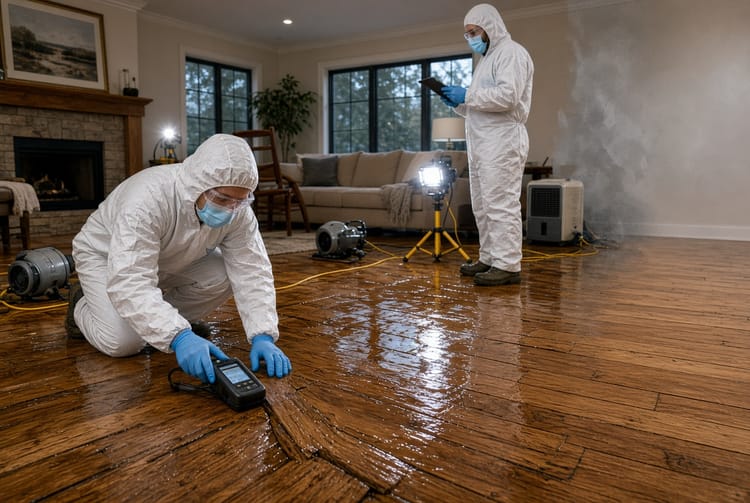
Homeowners sometimes assume that drying the space with fans and dehumidifiers solves the problem. In reality, residual moisture inside wall cavities and under flooring continues to feed hidden colonies. Air sampling and surface testing provide objective data that visual assessment cannot. Testing also establishes a documented baseline that insurance companies and future buyers often require.
Delaying testing allows spore counts to rise and VOC concentrations to accumulate. Early intervention prevents secondary damage and protects occupant health.
Proven Testing Methods for Mold and VOCs
Certified indoor environmental professionals use a combination of techniques to create a complete picture of basement air quality.
Air Sampling Techniques
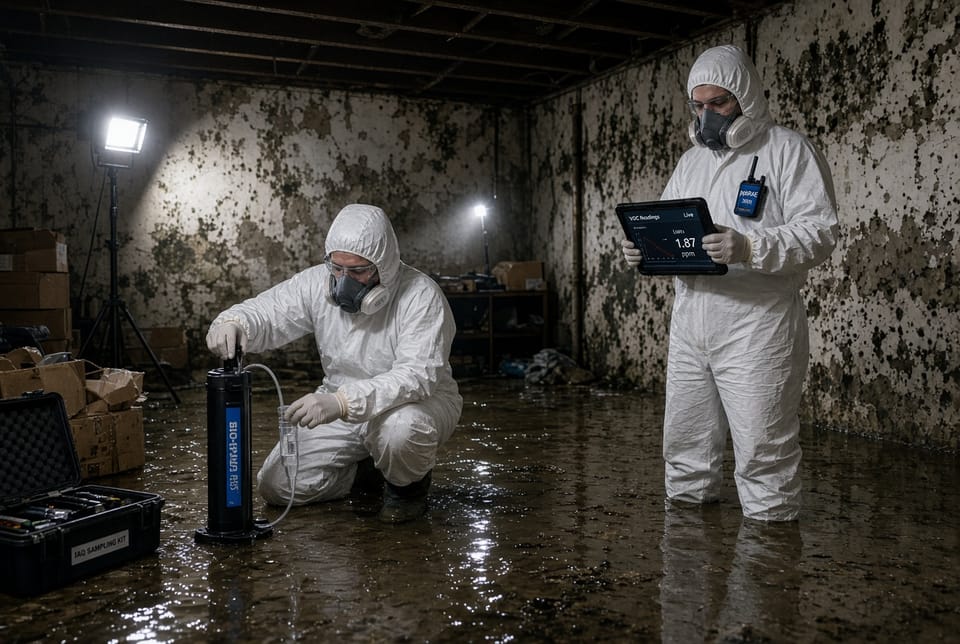
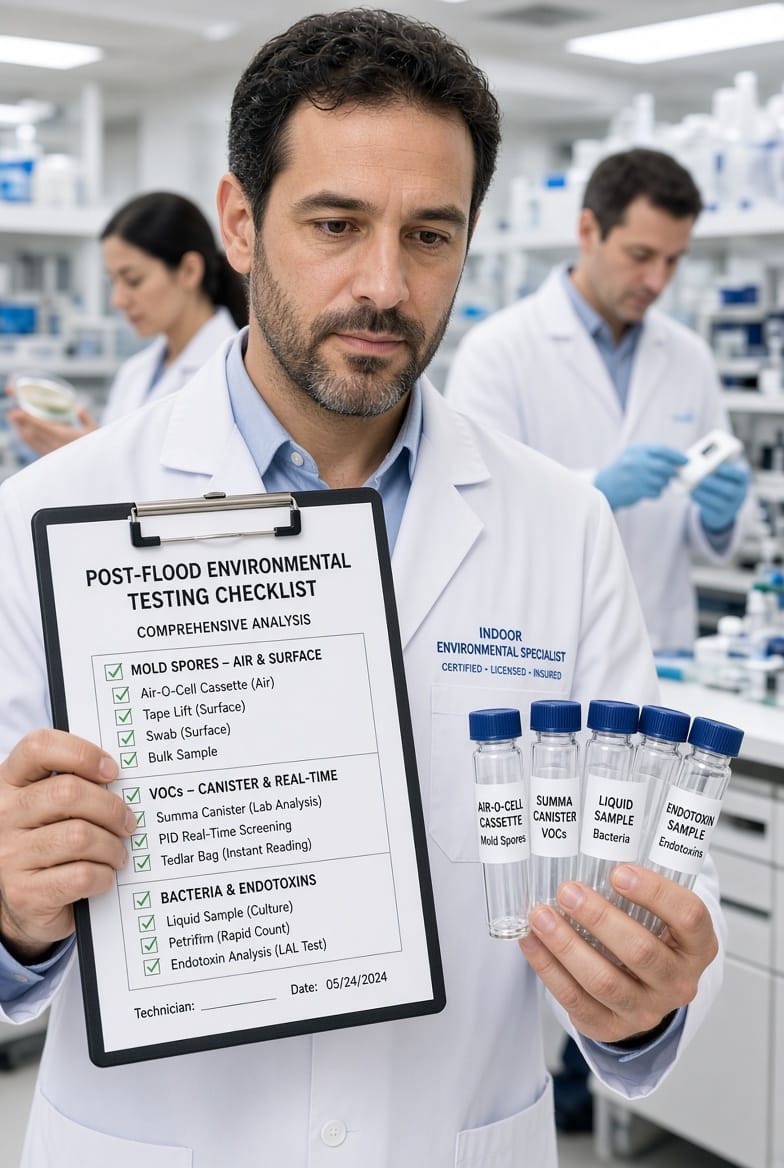
High-volume air pumps draw a measured volume of air through specialized cassettes that capture spores and particulate matter. Separate canisters or sorbent tubes collect air for laboratory VOC analysis. Samples are taken both inside the affected basement and in an outdoor control location so results can be properly interpreted. Real-time photoionization detectors give immediate VOC readings on site, while laboratory analysis identifies specific mold genera and chemical compounds.
Surface Swabs and Tape Lifts
Sterile swabs and adhesive tape samples collect material directly from suspect surfaces—wet drywall, baseboards, and stored items. These samples undergo microscopic examination or culturing to confirm active growth versus settled dust. Bulk samples of insulation or carpet padding may also be collected when hidden moisture is suspected.
Additional Parameters Often Included
Professional protocols frequently expand beyond mold and VOCs to include bacterial counts and moisture mapping with thermal imaging and pin-type meters. This multi-parameter approach ensures no contaminant is overlooked.
Interpreting Laboratory Results Accurately
Raw numbers mean little without context. A qualified hygienist compares indoor spore counts against outdoor levels and identifies whether the species present are typical outdoor molds or indicator species associated with water damage. VOC results are evaluated against established indoor-air guidelines. Elevated findings trigger targeted remediation rather than guesswork.
A follow-up test after remediation confirms that spore and VOC levels have returned to acceptable ranges. This verification step is critical for peace of mind and documentation.
Comprehensive Remediation That Restores Safe Air
Successful restoration follows a systematic sequence:
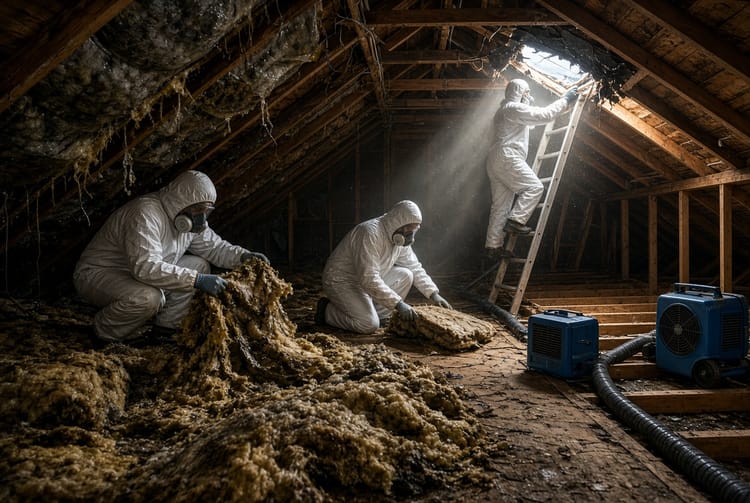
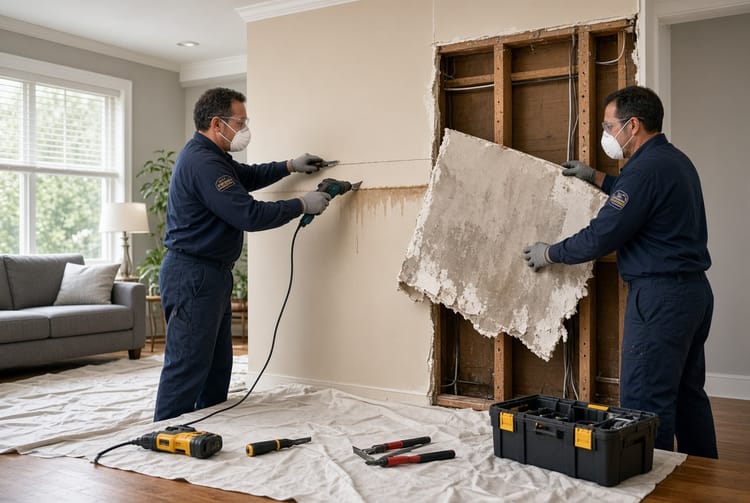
- Source removal – Wet and contaminated materials that cannot be thoroughly dried and cleaned are carefully removed under containment.
- Structural drying – Industrial dehumidifiers and air movers reduce moisture content in wood and masonry to levels that no longer support growth.
- HEPA filtration and air scrubbing – Negative-air machines equipped with HEPA filters capture airborne spores during and after demolition.
- Antimicrobial application – EPA-registered products are applied to remaining surfaces only after physical cleaning.
- Final clearance testing – Repeat air and surface sampling verifies that the environment meets health-based criteria.
Throughout the process, containment barriers and negative pressure prevent cross-contamination of clean areas of the home. The goal is not merely to dry the basement but to return indoor air to a condition that supports long-term occupant health.
Prevention and Ongoing Air-Quality Maintenance
Once the immediate crisis is resolved, several practical steps reduce future risk:
- Install a reliable sump pump with battery backup and a water alarm.
- Maintain basement humidity below 50 percent with a properly sized dehumidifier.
- Seal foundation cracks and improve exterior drainage.
- Store items off the floor in plastic bins rather than cardboard.
- Schedule periodic professional inspections after any future water event, no matter how small.
These measures, combined with prompt professional response, keep indoor air quality consistently high.
When Immediate Professional Assessment Is Required
Any basement that has held standing water for more than a few hours should be evaluated by trained technicians. Visible mold, a persistent musty odor, or unexplained respiratory symptoms in household members are additional signals that testing should not be postponed.
Emergency CTA: Test air quality after flooding. Call for assessment at (855) 321-3350.
Trained specialists arrive with the full suite of sampling equipment, interpret results quickly, and implement a customized remediation plan. The phone call you make today can prevent weeks of hidden exposure and thousands of dollars in secondary damage.
A flooded basement does not have to become a lasting health hazard. With systematic testing for mold spores and VOCs, followed by thorough professional remediation, your home can be restored to a clean, breathable environment. The science is clear, the methods are proven, and help is available immediately.
Protect Your Family – Schedule Flood Air Quality Assessment Now