The Flood Damage Assessment: What to Salvage vs. Discard
When floodwaters enter your home, every minute counts. A clear flood damage assessment helps you protect what matters most while preventing hidden health risks that could turn a bad situation into a long-term nightmare. At first glance, the scene feels overwhelming—water-soaked belongings everywhere, mud streaks on walls, and that unmistakable musty smell beginning to rise. Yet with the right triage strategy, homeowners can make confident, cost-effective decisions that save irreplaceable items and safeguard family health.
Get Expert Flood Damage Assessment – Call Now!
This comprehensive guide walks you through every stage of the salvage vs. discard process. You will learn how water category and exposure time directly influence outcomes, which materials respond well to professional restoration, and which items must be removed immediately. The goal is simple: minimize loss, maximize safety, and restore your home faster than you thought possible.
Understanding Water Categories and Exposure Time
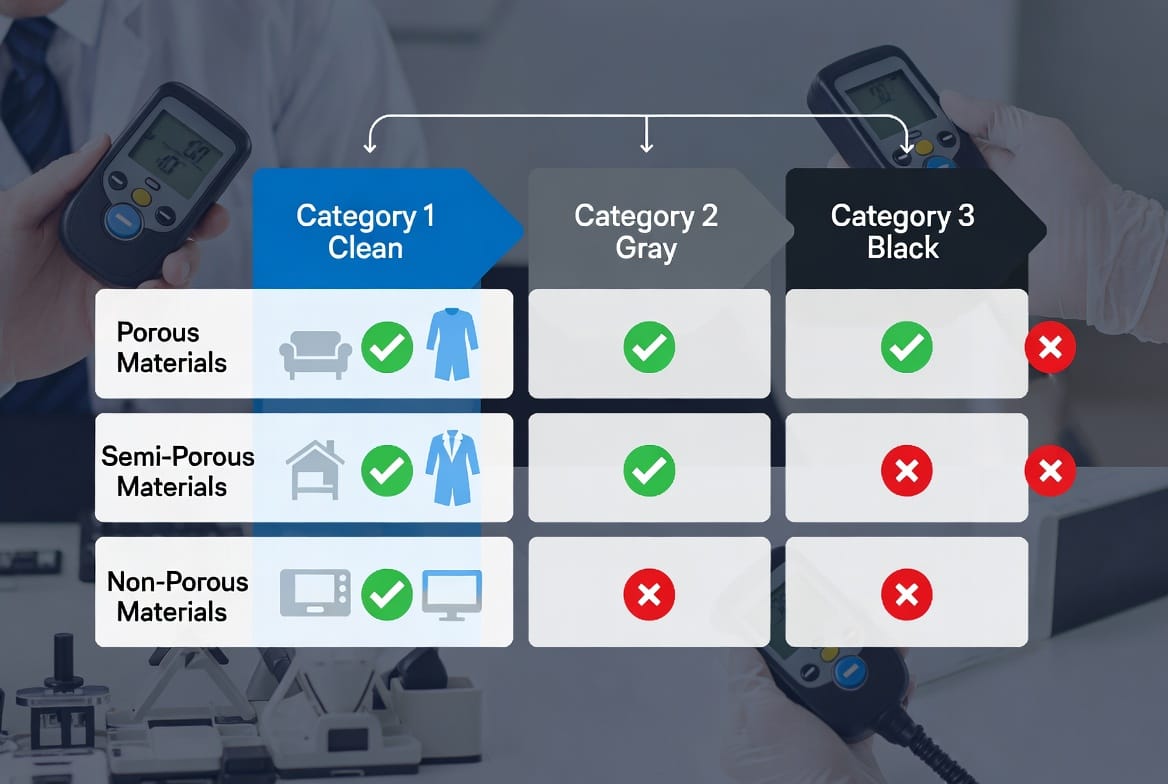
Not all water is created equal. Restoration professionals classify floodwater into three categories, and this classification is the foundation of every smart salvage decision.
- Category 1 – Clean Water: Originates from a broken supply line or rainwater that has not contacted contaminants. If addressed within 24–48 hours, many hard surfaces and solid furniture can be fully restored.
- Category 2 – Gray Water: Contains detergents, chemicals, or light sewage (dishwasher overflow, washing-machine discharge). Bacterial growth accelerates after 48 hours, reducing salvage options dramatically.
- Category 3 – Black Water: Highly contaminated floodwater from rivers, sewage backups, or long-standing moisture. This category demands the most aggressive discard policy because pathogens and toxins pose serious health threats.
Exposure time multiplies the challenge. Within the first 24 hours, even gray water may allow limited salvage of non-porous items. After 72 hours, mold colonization becomes almost certain in porous materials, shifting most decisions toward discard. Quick action—combined with professional moisture detection—preserves far more than waiting even a single extra day.
Step-by-Step Triage Process for Homeowners
Stay calm and follow this proven sequence. Safety comes first: wear protective gloves, boots, and an N95 mask before entering affected areas.
- Shut off utilities and document everything with photos for insurance.
- Remove standing water as quickly as possible using pumps or wet/dry vacuums.
- Sort items by material type rather than emotional value—logic protects your long-term investment.
- Test for hidden moisture in walls, floors, and cabinets using a professional moisture meter.
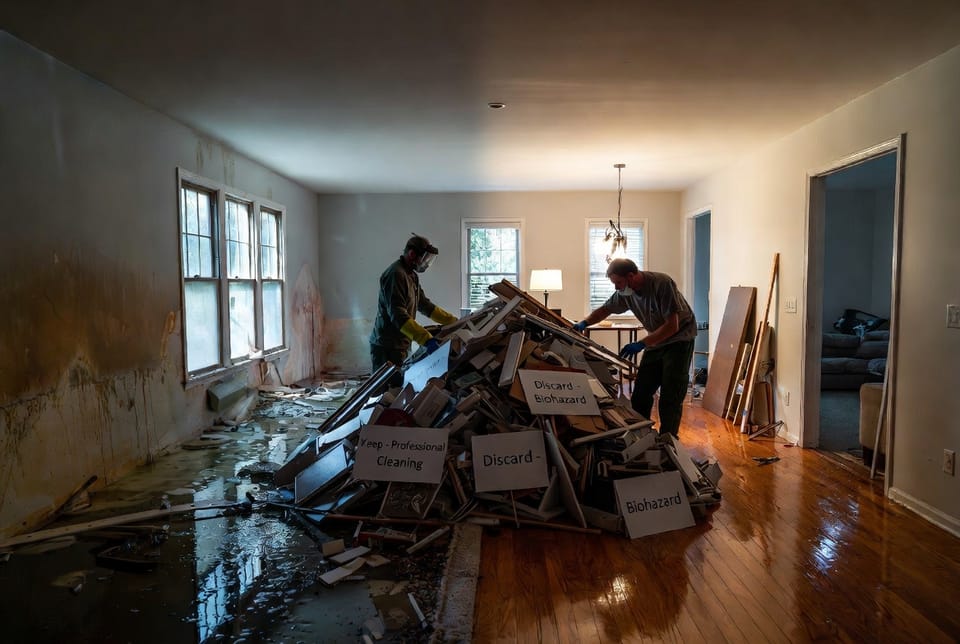
- Isolate and label piles clearly: “Salvage – Priority Clean,” “Salvage – Needs Inspection,” and “Discard – Do Not Touch.”
This systematic approach prevents cross-contamination and gives restoration experts the clearest picture when they arrive.
Salvageable Items: What You Can Often Save
Many homeowners are surprised by how much can be restored when flood damage assessment is performed promptly. Focus first on non-porous and semi-porous materials.
Hard surfaces such as ceramic tile, porcelain, sealed hardwood floors, granite countertops, and metal fixtures respond exceptionally well. These materials do not absorb water deeply, so thorough cleaning, disinfecting, and drying usually returns them to pre-flood condition.
Solid wood furniture without upholstery—think dining tables, dressers, and bookshelves—can often be salvaged if wiped down immediately and dried professionally. The key is preventing warping by controlling humidity during the drying phase.
Non-porous plastics, glassware, and sealed electronics that were only lightly splashed (never submerged) may survive with expert cleaning. However, any item that housed water inside its casing—such as microwaves or computers—usually falls into the discard category regardless of water type.
Semi-porous materials like unsealed wood flooring or laminated furniture require closer inspection. If the water was Category 1 and exposure stayed under 48 hours, these pieces frequently receive a green light for restoration after structural drying and antimicrobial treatment.
Professional restorers use advanced techniques including dehumidification, air movers, and specialized cleaners that penetrate surfaces you cannot reach on your own. This expertise often saves thousands of dollars compared with full replacement.
When to Say Goodbye: Items That Must Be Discarded
Certain household items simply cannot be made safe again once exposed to water. Keeping them invites mold, bacteria, and recurring odors that compromise indoor air quality and family health.
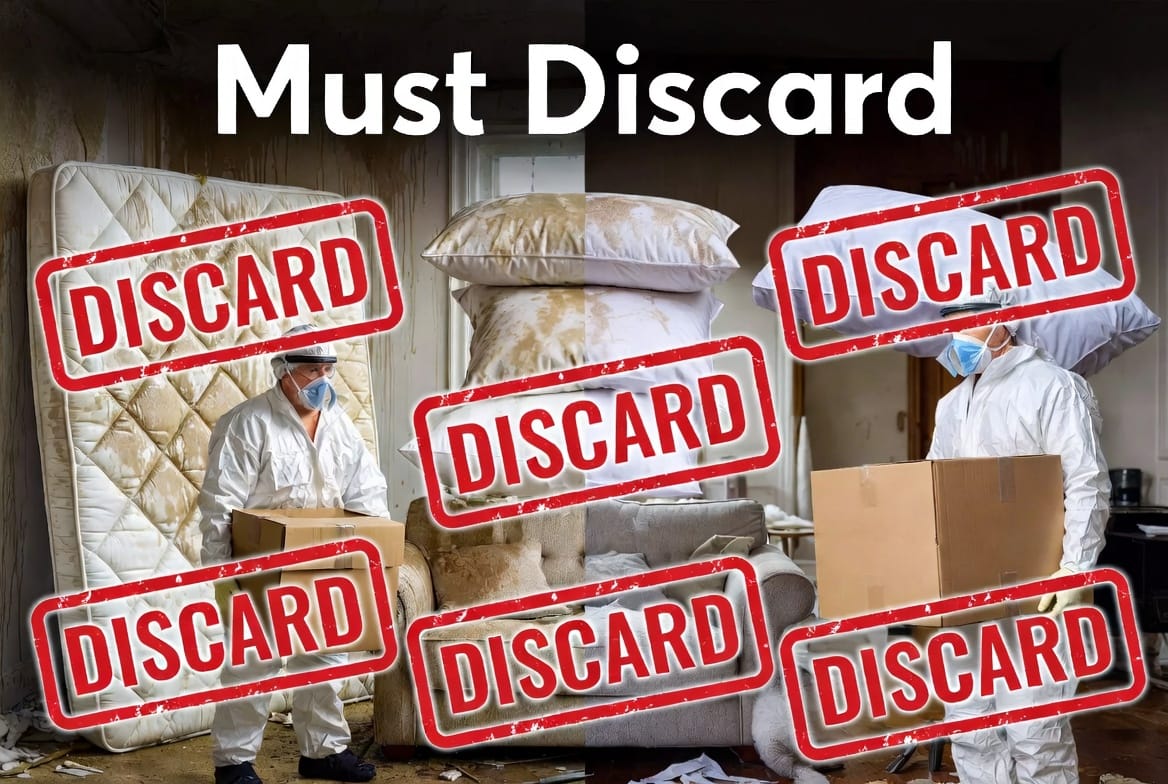
Upholstered furniture, mattresses, pillows, and fabric cushions are almost always discarded. Their porous padding absorbs contaminated water and creates the perfect environment for mold growth that cannot be fully eliminated even with industrial cleaning.
Paper goods—books, documents, photographs, and cardboard boxes—deteriorate rapidly and harbor contaminants. Digital scans can preserve memories, but the physical items must go.
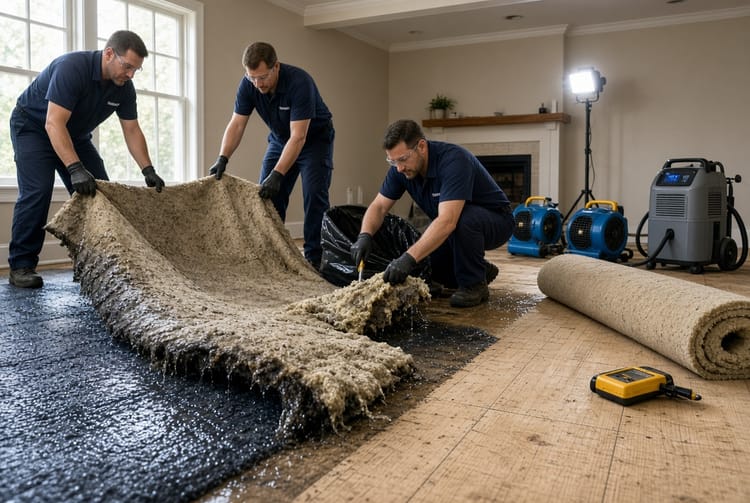
Carpet and carpet padding are high-risk items. Even after cleaning, residual moisture in the padding often leads to mold beneath the surface. In most cases, full removal and replacement is the only responsible choice.
Electronics and appliances that were submerged—refrigerators, washers, dryers, TVs, and computers—pose both safety and functionality risks. Internal wiring and circuit boards corrode quickly; attempting repair is rarely cost-effective or safe.
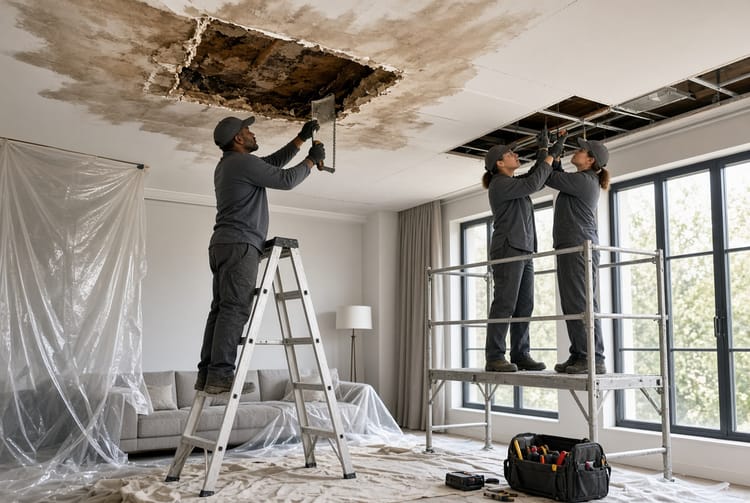
Insulation, drywall below the waterline, and particleboard furniture also belong on the discard list. These materials break down structurally and cannot be guaranteed free of hidden microbial growth.
Why Professional Assessment Delivers Better Outcomes
While DIY triage helps organize the scene, only certified restoration technicians possess the tools and training to make final calls with confidence. Moisture meters detect water hidden inside walls and subfloors. Thermal imaging cameras reveal saturation patterns invisible to the naked eye. Air-quality testing confirms that microbial levels have returned to safe ranges.
Attempting to salvage borderline items without this data often leads to costly callbacks months later when mold appears. A single professional flood damage assessment visit provides documentation for insurance, a detailed inventory of salvageable versus discarded items, and a clear restoration roadmap that gets your life back on track faster.
Making Smart Decisions That Protect Your Family and Finances
The difference between panic-driven replacement and strategic salvage can amount to tens of thousands of dollars. More importantly, it protects the air your family breathes every day. When in doubt, remember the guiding principle: safety first, sentiment second.
By understanding water categories, respecting exposure time, and following a disciplined triage process, you transform an overwhelming disaster into a manageable recovery. Hard surfaces, select furniture, and non-porous items often return like new. Porous organics, paper products, and submerged electronics usually require replacement—but knowing this early prevents wasted effort and secondary damage.
Your home can be restored. Your peace of mind can return. The key is acting decisively with expert guidance.
Make smart salvage decisions today.
Our certified team arrives quickly, conducts a thorough flood damage assessment, and helps you keep what can be saved while safely removing what cannot. Don’t leave your family’s health or your financial recovery to chance—reach out now and let experienced professionals guide every step of the way.
Fast Flood Damage Help: Know What to Salvage vs Discard