The Dehumidifier Drainage: Proper Condensate Removal During Restoration
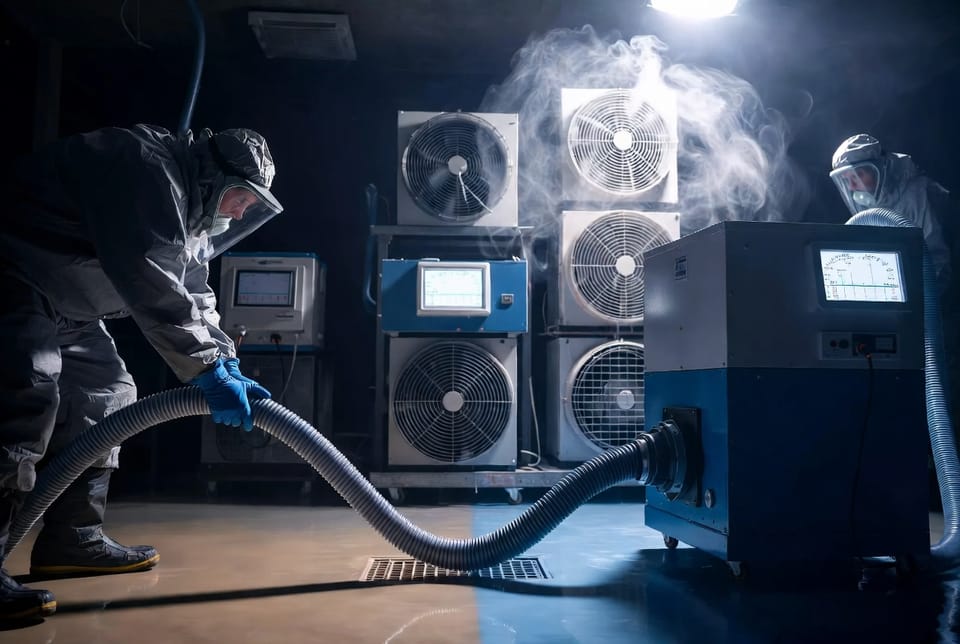
In the fast-paced world of water damage restoration, every minute counts. Industrial dehumidifiers are powerful allies that pull massive amounts of moisture from the air, but they produce significant condensate water that must be removed continuously. Without proper dehumidifier drainage, even the most advanced equipment can fail, delaying recovery and increasing the risk of secondary damage.
Get Expert Dehumidifier Drainage Setup – Call Now!
This comprehensive guide walks you through equipment setup, drainage system options, hose placement best practices, and why flawless condensate removal keeps your drying process on schedule. When handled correctly, continuous drainage transforms a potential bottleneck into a smooth, reliable operation—giving property owners peace of mind and restorers the confidence that the job will finish efficiently.
Why Proper Condensate Removal Is Non-Negotiable
Industrial dehumidifiers operate around the clock during restoration, extracting gallons of water per hour from saturated structures. That extracted moisture collects as condensate inside the unit. If the collection tank fills or drainage stops, the machine automatically shuts down to prevent overflow. The result? Interrupted drying cycles, prolonged high humidity, and elevated risks of mold growth, structural weakening, and higher restoration costs.
Continuous drainage eliminates these interruptions. It allows the dehumidifier to run at peak efficiency 24/7, maintaining optimal low-humidity conditions that accelerate evaporation from walls, floors, and contents. Property owners benefit from faster return to normalcy, while restorers stay on timeline and within budget. Rest assured, when drainage is engineered correctly from the start, the entire restoration project stays controlled and predictable.
Understanding Industrial Dehumidifier Equipment Setup
Setting up an industrial dehumidifier begins with location and power, but the real key to success lies in the drainage configuration. These units are designed for high-capacity performance in large-scale water damage scenarios—think flooded basements, commercial buildings, or multi-story homes after major leaks or storms.
Key setup steps include:
- Positioning the dehumidifier centrally in the affected area for maximum airflow coverage.
- Ensuring stable, level placement on a durable surface to prevent vibration or tipping.
- Connecting to a reliable power source with proper grounding and circuit protection.
- Attaching the drainage system before powering on the unit.
Gravity feed or condensate pump options are the two primary drainage methods. Choosing the right one depends on site conditions such as elevation, drain access, and hose run distance. Professional restorers evaluate these factors on arrival to select the most efficient solution immediately.
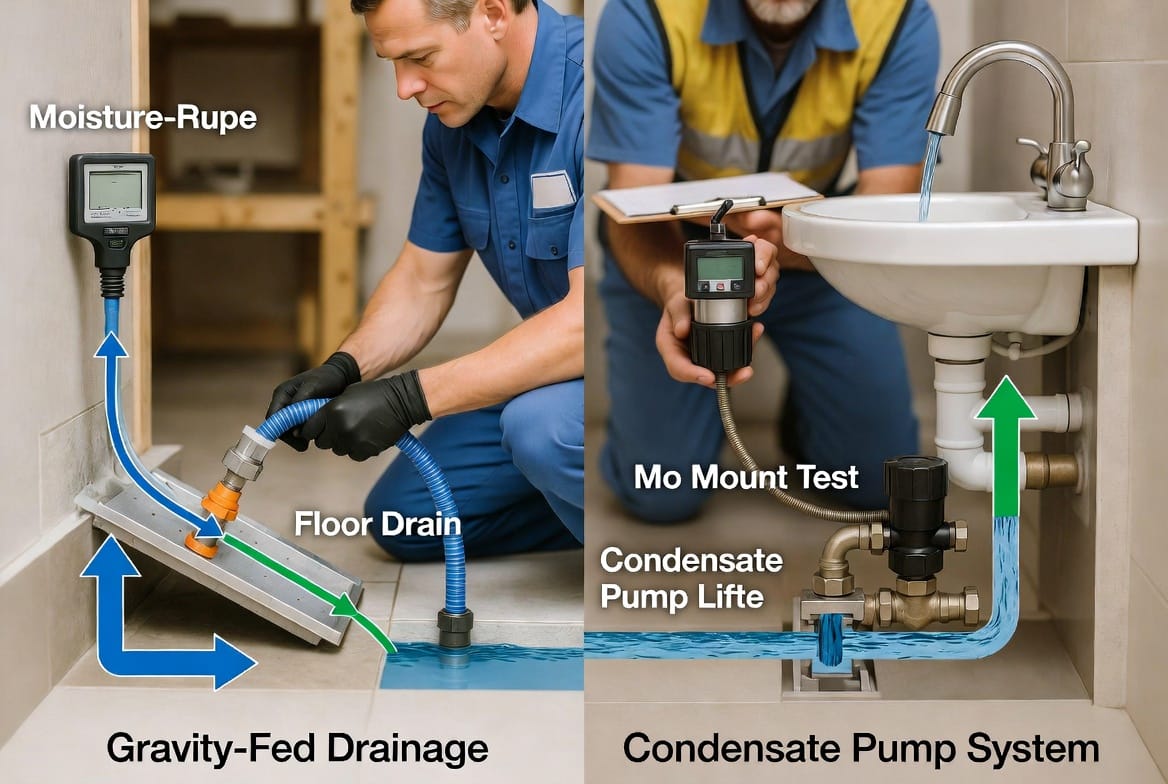
Gravity Feed Drainage: Simple, Reliable, and Cost-Effective
Gravity feed is often the first choice when a lower-level drain or sink is available. The principle is straightforward: condensate naturally flows downward through the attached hose to a safe disposal point.
Proper hose placement is critical here. The hose must maintain a consistent downward slope with no loops, kinks, or upward sections that could trap water and cause backflow. Secure the hose end inside the drain or sink using a clip or weight to prevent it from slipping out during operation. Typical hose lengths range from 25 to 50 feet, but always keep runs as short and straight as possible to maximize flow rate.
Benefits of gravity feed include zero additional power consumption and minimal maintenance. It keeps the dehumidifier running without extra components, reducing the chance of mechanical failure. In many residential and light commercial restorations, this method delivers uninterrupted drying for days at a time, allowing the team to focus on other critical tasks like air mover placement and monitoring.
Condensate Pumps: Handling Challenging Elevations
When gravity isn’t an option—such as when the dehumidifier sits below the nearest drain or in multi-level structures—a condensate pump becomes essential. These compact, reliable pumps automatically collect and push water upward or over longer horizontal distances to reach a suitable disposal point.
Setup involves:
- Mounting the pump directly to the dehumidifier’s condensate outlet or collection tray.
- Connecting a discharge hose that leads to an elevated sink, floor drain, or exterior point.
- Plugging the pump into a dedicated power source with GFCI protection.
- Testing the float switch to confirm automatic activation when condensate levels rise.
Condensate pumps handle vertical lifts of 15–20 feet or more, making them indispensable for basement or below-grade restorations. Their built-in safety features prevent overflow even during power fluctuations. Regular inspection of the pump impeller and float ensures long-term reliability throughout extended drying projects.
Best Practices for Hose Placement and Routing
Regardless of drainage method, proper hose placement prevents leaks, clogs, and downtime. Follow these guidelines:
- Use reinforced, kink-resistant drainage hoses rated for continuous water flow.
- Route hoses along walls or elevated paths to avoid trip hazards and foot traffic.
- Secure every connection with hose clamps and check for tight seals daily.
- Position the outlet end well inside the drain to eliminate splash-back.
- Avoid sharp bends or compression points that restrict flow.
Elevated routing also protects against accidental disconnection. In high-traffic restoration sites, label hoses clearly and use protective covers where necessary. These small details keep the entire system running smoothly and demonstrate the professional standard clients expect.
Key Drainage Considerations Every Restorer Must Master
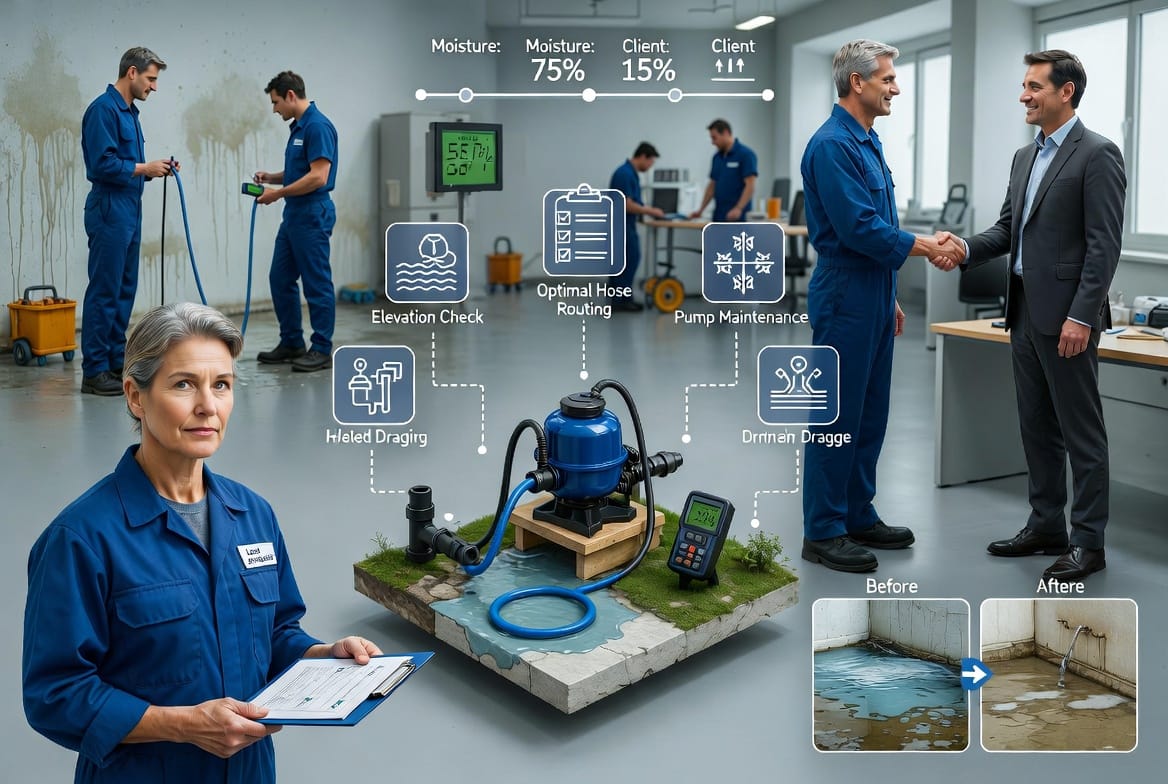
Successful condensate removal depends on several interconnected factors. Elevation differences between the dehumidifier and drain point determine whether gravity or a pump is required. Hose length directly affects flow efficiency—longer runs need wider diameter tubing or pump assistance. Pump maintenance involves periodic cleaning to remove mineral buildup that can impair performance over multi-day projects.
Common Risks of Improper Drainage and How to Avoid Them
Failing to prioritize dehumidifier drainage can lead to serious setbacks. Overflowing condensate may damage flooring or create slip hazards. Interrupted operation extends drying times by days or even weeks, increasing the chance of hidden mold growth and structural compromise. Equipment strain from frequent on/off cycling shortens unit lifespan and raises repair costs.
The good news? These risks are entirely preventable through careful planning and daily checks. Professional restoration teams treat drainage as a core part of the drying strategy, not an afterthought. Routine monitoring—checking hose connections, pump operation, and condensate flow—ensures everything stays on track from day one.
Integrating Drainage into the Full Restoration Strategy
Proper condensate removal doesn’t happen in isolation. It works in harmony with air movers, heaters, and moisture meters to create a balanced drying environment. By maintaining continuous drainage, restorers keep relative humidity low and temperature optimized, speeding evaporation across all affected materials.
Daily documentation of drainage performance also provides valuable data for insurance reports and client updates. This level of detail reassures property owners that the restoration is progressing scientifically and professionally.
Real-World Success: Keeping Projects on Schedule
Consider a recent commercial office flood where improper drainage initially caused repeated shutdowns. Once the team switched to a properly routed condensate pump system with reinforced hoses and daily maintenance checks, the dehumidifiers ran nonstop. Within 72 hours, moisture levels dropped below industry targets, allowing reconstruction to begin ahead of schedule.
Stories like this highlight why experienced restorers never compromise on drainage details. The investment in correct setup pays dividends through faster project completion and higher client satisfaction.
When to Call Professional Restoration Experts
While basic drainage principles are straightforward, large-scale water damage involves variables that demand expert assessment. Factors such as building layout, equipment capacity, and environmental conditions can quickly complicate DIY attempts. Professional restoration teams arrive equipped with commercial-grade dehumidifiers, specialized pumps, and years of hands-on experience ensuring flawless condensate removal.
Proper drainage keeps drying on schedule. If you’re facing water damage, don’t risk delays or hidden issues. Our certified technicians will assess your situation, implement the optimal dehumidifier drainage solution, and restore your property quickly and thoroughly.
Fast Professional Condensate Drainage Solutions – Call Now