The Fleet Insurance: Coverage for Multiple Vehicles in a Business
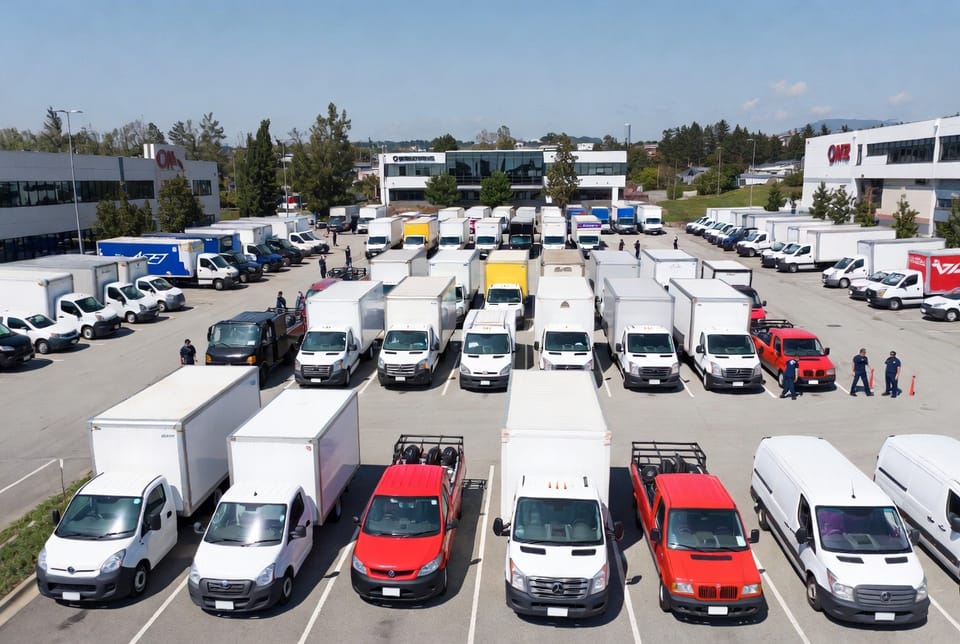
Running a business that depends on multiple vehicles brings both opportunity and responsibility. Whether you operate delivery vans, service trucks, or a mix of commercial cars, keeping every vehicle protected under separate policies can quickly become expensive, complicated, and inefficient. That is why fleet insurance exists. It is a specialized form of commercial auto coverage designed specifically for businesses that own or lease several vehicles. Instead of juggling individual policies, you secure one unified policy that covers the entire fleet. This approach delivers stronger protection, clearer administration, and meaningful cost savings—all while giving business owners peace of mind.
Get Your Business Fleet Protected Today – Call Now!
In the pages that follow, we will explore exactly what commercial fleet coverage includes, who qualifies, the discounts commonly available, and the critical liability and physical damage protections that keep operations running smoothly. By the end, you will understand why smart business owners treat fleet insurance as an essential operational tool rather than an optional expense.
Understanding Commercial Fleet Coverage
Fleet insurance is a single commercial auto policy that insures multiple vehicles belonging to the same business. Rather than purchasing separate coverage for each truck or van, the business holds one master policy that automatically extends protection to every listed vehicle. This structure simplifies renewals, claims handling, and premium payments while ensuring consistent coverage standards across the entire operation.
The core purpose of fleet insurance is efficiency. When vehicles share similar usage patterns—such as local deliveries, client visits, or equipment transport—a unified policy makes perfect sense. Insurers design these programs to recognize the lower administrative burden and the opportunity to apply risk-management credits that individual policies cannot match.
Most fleet policies are written on a commercial auto form and can be tailored to the specific needs of the business. Coverage typically travels with the vehicle rather than the driver, although driver eligibility and safety records still influence pricing and underwriting decisions. This vehicle-focused approach allows businesses to rotate drivers without constantly updating individual policies.
Eligibility Requirements for Fleet Insurance
Not every multi-vehicle business automatically qualifies for fleet rates. Insurers generally require a minimum number of vehicles before they will issue a true fleet policy. The most common threshold is three or more vehicles. Some carriers begin offering fleet programs at five vehicles, while others may consider two vehicles under special circumstances if the business demonstrates clear commercial use.
Eligibility also depends on ownership or long-term lease arrangements. Vehicles must be titled or leased in the business name, or the business must have insurable interest through a formal agreement. Personal vehicles used occasionally for work rarely qualify unless they are formally added and rated as commercial units.
Additional factors that underwriters review include:
- The primary use of each vehicle (delivery, service, passenger transport, or cargo)
- The geographic radius of operations
- Driver hiring and screening practices
- Maintenance and safety programs already in place
- Claims history of the business over the previous three to five years
Businesses that maintain clean records, implement regular vehicle inspections, and enforce clear driving policies often receive more favorable terms. Even newer companies can qualify if they present a solid risk-management plan and demonstrate financial stability.
Attractive Discounts Available with Fleet Policies
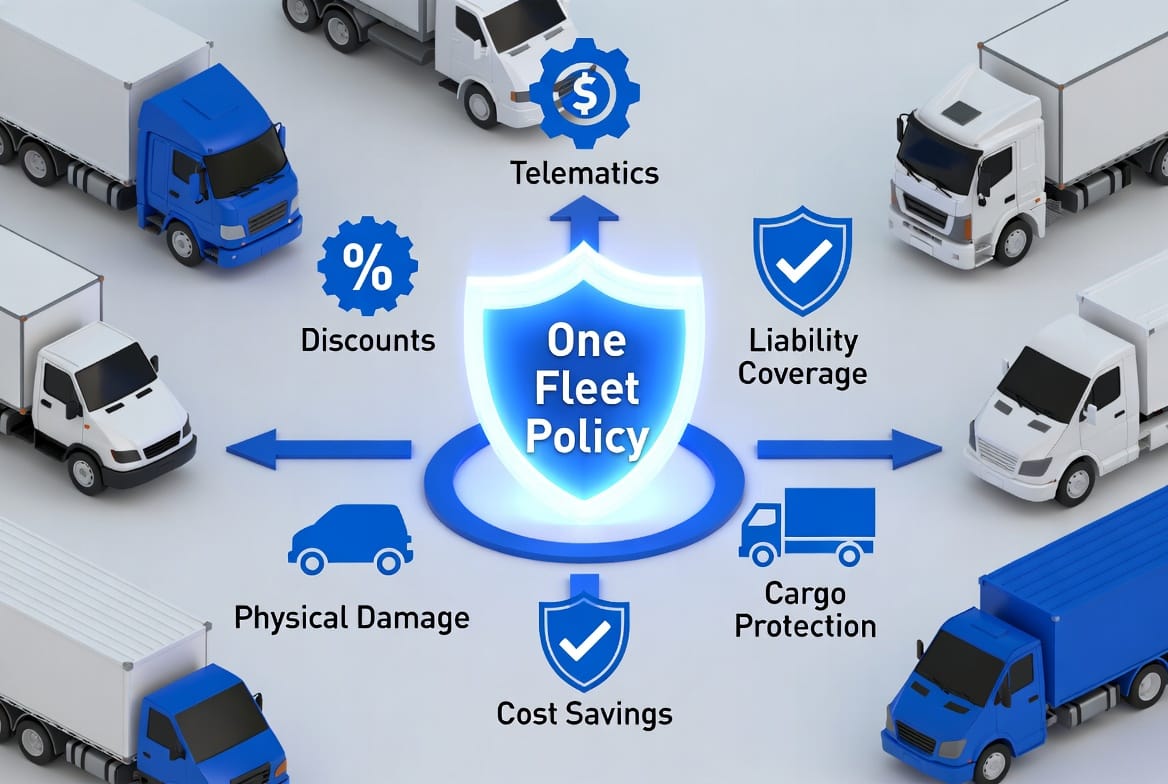
One of the strongest advantages of fleet insurance is access to volume-based and safety-based discounts that individual policies rarely offer. Because insurers can underwrite the entire group of vehicles at once, they pass administrative savings and risk-reduction credits back to the policyholder.
Common discounts include:
- Multi-vehicle or fleet volume discounts that lower the per-unit rate as the number of vehicles increases
- Safety program credits for companies that require defensive driving courses, install telematics devices, or maintain documented vehicle maintenance schedules
- Claims-free discounts when the fleet has experienced few or no at-fault accidents over a set period
- Anti-theft and tracking device credits for vehicles equipped with GPS systems or advanced security features
- Driver training discounts when all operators complete approved commercial driving courses
These discounts compound. A business that combines a clean claims history with telematics monitoring and regular safety meetings can often reduce overall premiums significantly compared with purchasing separate policies for each vehicle. The result is more predictable budgeting and better cash-flow management.
Liability Coverage: Protecting the Business from Third-Party Claims
Liability coverage forms the foundation of every fleet policy. It protects the business when a covered vehicle causes bodily injury or property damage to others. In commercial settings, liability limits are typically much higher than those found on personal auto policies because the potential exposure is greater.
A strong liability section usually includes:
- Bodily injury liability that pays medical expenses, lost wages, and related costs for injured third parties
- Property damage liability that covers repair or replacement of vehicles, buildings, or other property damaged in an accident
- Legal defense costs, which are paid in addition to the policy limits in most cases
Because a single accident involving a commercial vehicle can generate substantial claims, businesses are wise to select limits that reflect the true risk of their operations. Many fleet policies start at $1 million combined single limit and can be increased to $2 million or higher depending on the industry and contract requirements.
Liability coverage also extends to employees driving on company business, provided they are authorized operators. This protection is critical for shielding both the company’s assets and its reputation.
Physical Damage Coverage: Repairing and Replacing Your Vehicles
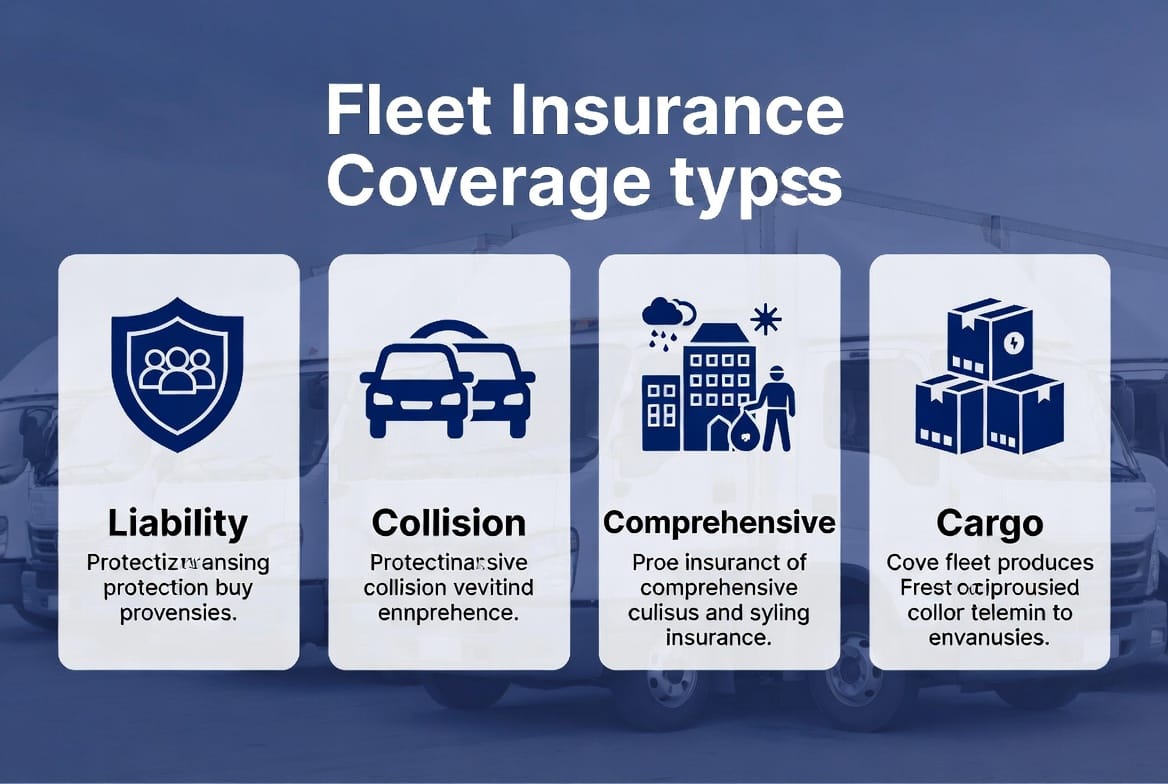
While liability protects others, physical damage coverage protects the fleet itself. This section is commonly divided into two main parts: collision and comprehensive (often called other-than-collision).
Collision coverage pays to repair or replace a vehicle damaged in an accident with another vehicle or object, regardless of fault. For businesses that rely on vehicles daily, rapid repairs keep schedules intact and revenue flowing.
Comprehensive coverage addresses losses from events other than collisions—theft, vandalism, fire, hail, flood, falling objects, and animal strikes. In many regions, weather-related claims are a frequent concern, making comprehensive protection especially valuable.
Many fleet policies also allow the addition of cargo coverage when vehicles transport goods. Cargo insurance responds to loss or damage to the property being hauled, subject to the terms of the policy. This protection is essential for delivery companies, contractors, and any operation that moves materials or products.
Deductibles for physical damage can be selected to balance premium cost against out-of-pocket risk. Higher deductibles lower the premium but require the business to absorb more of the repair cost when a claim occurs. Careful analysis of cash reserves and vehicle values helps determine the right deductible levels.
Additional Benefits and Risk Management Tools
Beyond the core coverages, modern fleet policies often include valuable extra features. Many insurers provide access to roadside assistance, rental reimbursement while a vehicle is being repaired, and glass coverage with low or zero deductibles. Some programs offer dedicated claims specialists who understand commercial operations and can expedite repairs through preferred shops.
Telematics and usage-based technology have become increasingly common. Devices that monitor speed, braking, acceleration, and idle time give both the insurer and the business owner real-time insight into driving behavior. Companies that actively use this data to coach drivers frequently see further premium reductions and fewer accidents over time.
Risk management support is another quiet advantage. Many carriers supply safety materials, sample driver handbooks, and periodic loss-control visits at no extra charge. These resources help businesses strengthen their safety culture and demonstrate continuous improvement to underwriters at renewal time.
The Risks of Operating Without Proper Fleet Coverage
Choosing not to insure a multi-vehicle operation under a coordinated fleet policy exposes the business to several unnecessary risks. Separate individual policies often carry higher combined premiums and leave gaps when vehicles are added or removed. Claims handling becomes fragmented, and the business may discover too late that a particular vehicle lacked adequate liability limits.
In the event of a serious accident, inadequate coverage can threaten company assets, interrupt operations for weeks or months, and damage customer relationships. Contractual requirements from clients or suppliers frequently mandate specific insurance limits; failure to meet those requirements can cost valuable contracts.
By contrast, a properly structured fleet policy provides consistent protection, predictable costs, and a single point of contact when something goes wrong. That reliability is difficult to overstate for any business that depends on its vehicles to generate revenue.
Practical Steps to Secure the Right Fleet Policy
Obtaining the best fleet coverage begins with accurate information. Compile a complete list of all vehicles, including year, make, model, VIN, current mileage, and primary use. Gather driver information, including license numbers and any relevant training certificates. Review the last three to five years of loss history so the underwriter can see the full picture.
Work with an advisor who understands commercial auto and can compare multiple carriers. Ask about available discounts, telematics options, and any industry-specific endorsements that may apply. Review proposed deductibles and liability limits carefully against the financial capacity of the business and the contractual demands of clients.
Once the policy is in force, treat it as a living document. Update the vehicle schedule promptly when units are added or sold. Maintain driver files and enforce safety policies consistently. These habits not only support better claims outcomes but also strengthen the business’s position at each renewal.
Final Advice: Insure Your Business Fleet Efficiently
Protecting multiple business vehicles under one well-designed policy is one of the smartest operational decisions a company can make. Fleet insurance delivers coordinated liability and physical damage coverage, opens the door to meaningful discounts, and simplifies administration so managers can focus on serving customers rather than chasing paperwork.
Whether your fleet currently includes three vehicles or thirty, the right coverage keeps the business moving forward with confidence. Do not leave protection to chance or settle for a patchwork of individual policies that cost more and deliver less.
For clear answers about eligibility, available discounts, and tailored coverage options. A knowledgeable representative can review your specific situation and help you build a program that matches the real needs of your operation. Taking that single step today can protect your vehicles, your balance sheet, and your peace of mind for years to come.
Call Today for Expert Fleet Insurance Consultation