The Estate Sale Cleanup: Disposing of Unsold Items After the Sale

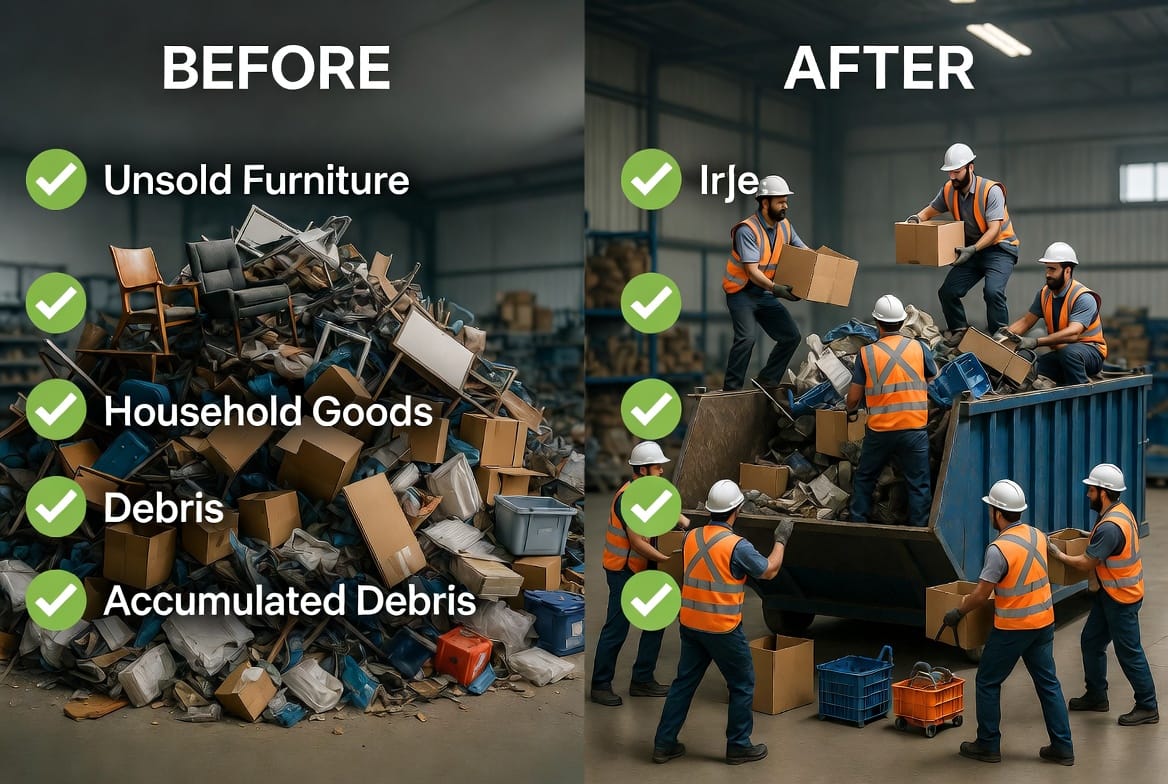
Estate sales mark the end of one chapter and the beginning of another for families navigating the emotional process of settling an estate. Yet once the buyers leave and the final receipts are tallied, a new challenge emerges: what to do with the unsold items. Piles of furniture, household goods, and accumulated debris can quickly overwhelm even the most organized heirs.
Get Your Estate Cleanup Done Today – Call Now!
This comprehensive guide walks you through every aspect of estate sale cleanup, focusing on practical strategies for sorting, donating, and disposing of remaining items. With the right approach and professional dumpster rental support, you can complete the process efficiently, safely, and with peace of mind.
Understanding What Happens to Unsold Items After an Estate Sale
After the sale concludes, unsold merchandise does not simply disappear. In most cases, the estate sale company removes only the items that were sold or explicitly contracted for removal. Everything else — from bulky bedroom sets and kitchen appliances to boxes of linens, old electronics, and miscellaneous debris — remains the responsibility of the family or estate executor.
Left unaddressed, these items create safety hazards, attract pests, and delay the final sale or transfer of the property. Many families underestimate the volume: a typical three-bedroom home can easily generate two to four tons of unsold material. Professional dumpster rental services exist precisely for this moment, providing an immediate, scalable solution that keeps the project on schedule and within budget.
By planning ahead, you avoid last-minute stress and ensure compliance with local regulations regarding waste disposal and donation documentation.
The Importance of Proper Sorting: Donation Versus Disposal
Effective estate sale cleanup begins with systematic sorting. Not every unsold item belongs in the trash. A thoughtful evaluation separates valuable or usable goods from true waste, maximizing charitable impact while minimizing disposal costs.
Key sorting criteria include:
- Donation-eligible items: Furniture in good condition, working small appliances, clean clothing, books, and décor that charities can resell or distribute.
- Disposal-required items: Broken furniture, outdated electronics without resale value, stained mattresses, hazardous materials (paint, chemicals), and general household debris that cannot be recycled locally.
Start in one room and work systematically. Create three clearly labeled zones: “Sold/Keep,” “Donate,” and “Dispose.” This simple step prevents double-handling and reduces errors. Many local charities offer free pickup for qualifying donations, turning what feels like waste into meaningful community support.
When in doubt, consult the estate sale company or a professional organizer. Their experience helps you make confident decisions quickly.

Efficient Dumpster Loading for Remaining Household Goods
Once sorting is complete, the focus shifts to safe and space-efficient loading of the disposal pile. Proper dumpster rental loading is both an art and a science that directly impacts cost and safety.
Follow these proven techniques:
- Distribute weight evenly — place heavy items (furniture, appliances) at the bottom and center.
- Break down large pieces — remove legs from tables, disassemble shelving units, and flatten cardboard to maximize usable space.
- Fill from the back forward — load toward the rear of the dumpster first so the truck can tip cleanly at the landfill.
- Use protective barriers — line the bottom with old blankets or cardboard to prevent sharp objects from puncturing the dumpster floor.
- Keep walkways clear — maintain a safe path around the dumpster for continuous loading without tripping hazards.
Professional crews demonstrate these methods daily, completing in hours what might take homeowners days. Renting the correctly sized container — typically a 20- or 30-yard roll-off dumpster for estate cleanups — prevents overflow fees and ensures you never run out of space mid-project.
Common Types of Items Requiring Disposal After an Estate Sale
Understanding exactly what ends up in the disposal stream helps you prepare mentally and logistically.
Typical post-sale disposal categories include:
- Unsold furniture: Worn sofas, mismatched dining chairs, damaged dressers, and outdated bedroom sets that no longer meet modern standards.
- Household goods: Broken dishware, stained linens, obsolete small appliances, and miscellaneous kitchenware past its usable life.
- Accumulated debris: Empty moving boxes, old paperwork, holiday decorations in poor condition, yard tools, and general clutter that collected over decades.
These items rarely qualify for donation yet cannot remain on the property. A professional dumpster rental team handles them swiftly, turning overwhelming piles into an empty, ready-to-sell or ready-to-transfer home.
Benefits of Professional Dumpster Rental for Estate Cleanups
Choosing a reputable dumpster rental provider delivers far more than a metal box in the driveway. You gain:
- Flexible scheduling that matches your timeline, often with same-day or next-day delivery.
- Expert guidance on permit requirements and prohibited items.
- Safe, efficient removal performed by trained crews who respect your property and timeline.
- Environmental responsibility through proper landfill routing and recycling where possible.
- Cost predictability with transparent pricing that avoids surprise overage fees.
Families consistently report that professional support reduces emotional fatigue and accelerates the entire estate settlement process.
Step-by-Step Guide to a Smooth Estate Sale Cleanup
- Schedule the dumpster rental before the sale ends so the container arrives the morning after.
- Walk the property with the estate sale manager to identify disposal zones.
- Sort items room by room using the three-zone system.
- Load the dumpster using the weight-distribution techniques outlined earlier.
- Arrange for donation pickup on the same or following day.
- Complete a final walkthrough to ensure nothing is overlooked.
- Request dumpster removal once the project is finished.
This structured approach keeps momentum high and prevents small tasks from becoming major delays.
Environmental and Legal Considerations
Responsible estate sale cleanup includes proper handling of any hazardous materials and accurate documentation for tax purposes on donations. Professional services stay current with local regulations, protecting you from unintended violations while supporting sustainable waste practices.
Why Timely Action Matters
Delaying cleanup can lead to property damage, increased holding costs, or complications with real estate transactions. Acting decisively with the right dumpster rental support ensures the estate process concludes cleanly and efficiently.
Finish Your Estate Sale Cleanup Fast – Call for Dumpster Rental