The Electric Vehicle Insurance: What's Different About EV Policies
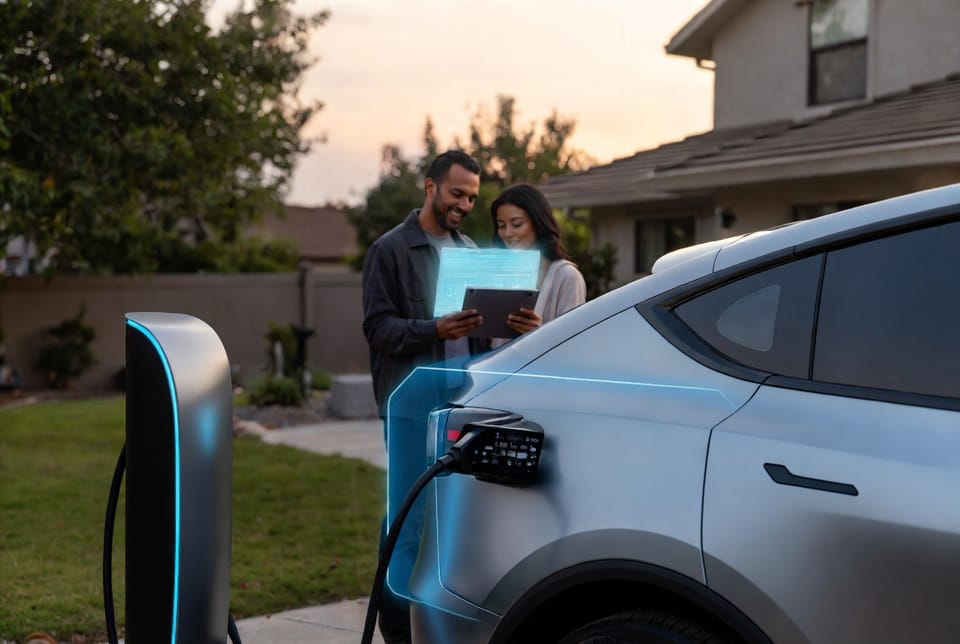
Electric vehicles are transforming how we drive, but EV insurance brings unique considerations that every owner should understand. As more drivers in Dallas and across Texas make the switch to electric, knowing what sets EV policies apart from traditional auto insurance can save you money and provide essential peace of mind.
Compare EV Policies Now – Speak to an Expert
Unlike conventional vehicles, EVs feature advanced technology, high-voltage batteries, and specialized components that require tailored coverage. This comprehensive guide explores the key differences, potential cost implications, and smart strategies to secure the right protection for your electric ride. Whether you're a new EV owner or considering the transition, understanding these nuances ensures you're fully covered without overpaying.
Why EV Insurance Differs from Standard Auto Policies
The rise of electric vehicles has prompted insurers to adapt their offerings. EV-specific coverage addresses the distinct risks and features of battery-powered cars that gasoline models simply don't have.
Traditional policies focus on engine repairs, fuel systems, and standard mechanical issues. In contrast, EV policies emphasize protection for expensive battery packs, electric motors, and charging infrastructure. This shift reflects the evolving automotive landscape and helps drivers avoid unexpected financial burdens.
Key reasons for differences include:
- High-voltage battery systems that are costly to repair or replace
- Specialized diagnostic and repair requirements
- Unique safety features like regenerative braking
- Integration with home charging solutions
By recognizing these distinctions early, you can make informed decisions that align with your driving habits and budget.
Higher Repair Costs: What You Need to Know
One of the most significant differences in EV insurance is the potential for higher repair costs. Electric vehicles often involve specialized parts and highly trained technicians, which can drive up expenses after an accident or malfunction.
Battery damage, for instance, represents a major concern. A single incident that compromises the battery pack could lead to substantial claims. Insurers account for this by offering dedicated battery protection coverage that safeguards this critical and expensive component.
Other factors contributing to elevated repair costs:
- Specialized parts like electric motors and power electronics, which may need sourcing from specific manufacturers
- Advanced software recalibration requirements after collisions
- Certified EV repair shops with proper equipment and training
Despite these potential higher costs, many drivers find overall ownership expenses lower due to reduced maintenance. The right EV policy balances these realities, providing robust protection while keeping premiums manageable.
Pro tip: Always verify that your policy includes coverage at certified EV repair facilities to ensure quality workmanship and full warranty compliance.
Lower Premiums and Available Incentives
Good news for EV enthusiasts: EV insurance often comes with lower premiums compared to traditional vehicles. Many insurers offer incentives to encourage sustainable transportation, reflecting lower accident rates among EV drivers and reduced long-term maintenance needs.
Factors that can lead to lower EV insurance premiums:
- Safety features such as automatic emergency braking, advanced driver assistance systems (ADAS), and superior crash-test ratings
- Driving patterns – many EV owners qualify for low-mileage discounts, especially remote workers, retirees, or multi-vehicle households
- Eco-friendly incentives from insurers supporting green initiatives
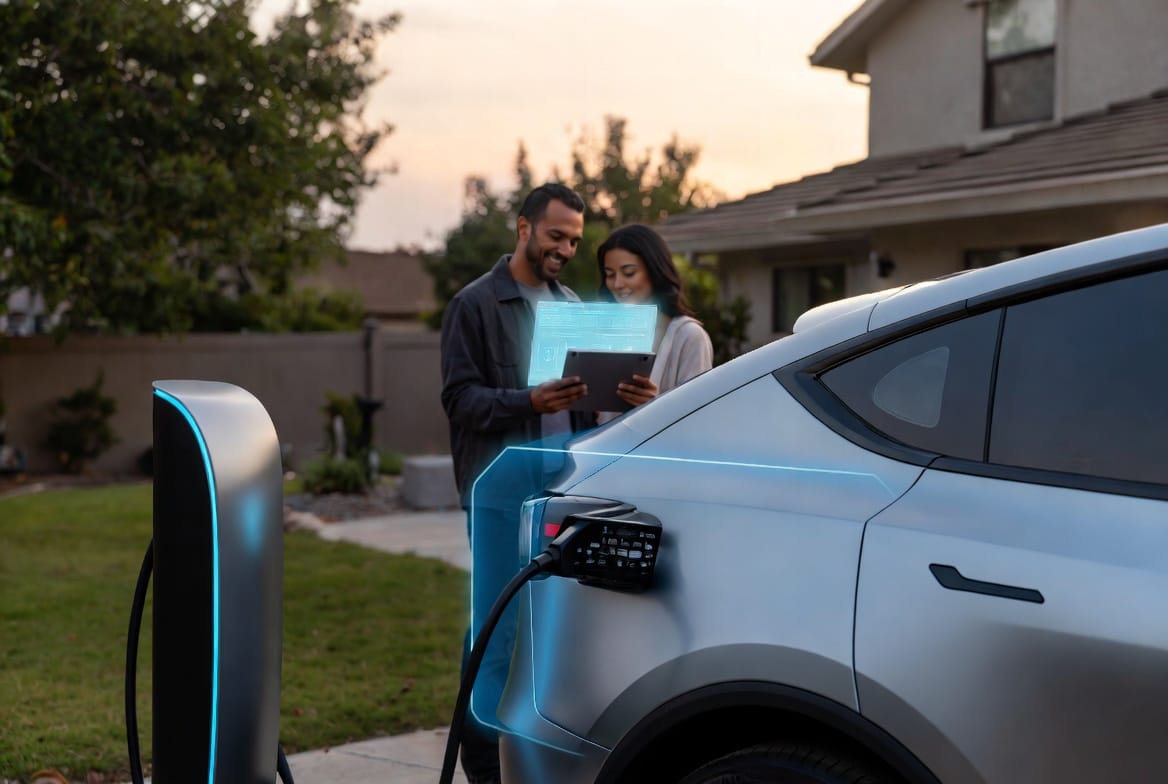
- Bundling opportunities with home insurance for charging station coverage
In Texas, where fuel costs and urban commuting are key concerns, these savings can add up significantly. Shopping around and comparing quotes tailored to EVs helps maximize these benefits.
Essential EV-Specific Coverages to Consider
Standard auto insurance may fall short when it comes to electric vehicles. Here are the EV-specific coverages that make a real difference:
- Battery Protection: Shields against damage from accidents, extreme temperatures, or manufacturing defects. This is crucial given the high replacement value of modern EV batteries.
- Charging Cable and Equipment Coverage: Protects your home charger, portable cables, and related accessories from theft, damage, or electrical issues.
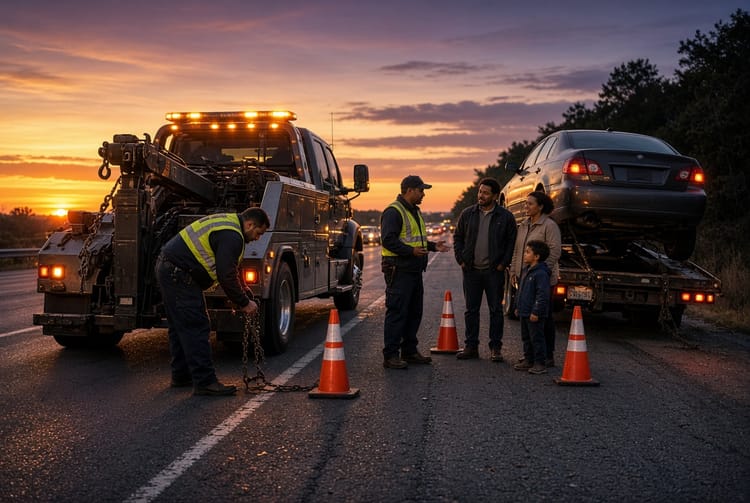
- Flatbed Towing Only: EVs require specialized flatbed towing to prevent damage to electric drivetrains – standard tow trucks can cause harm. Reputable policies specify this requirement.
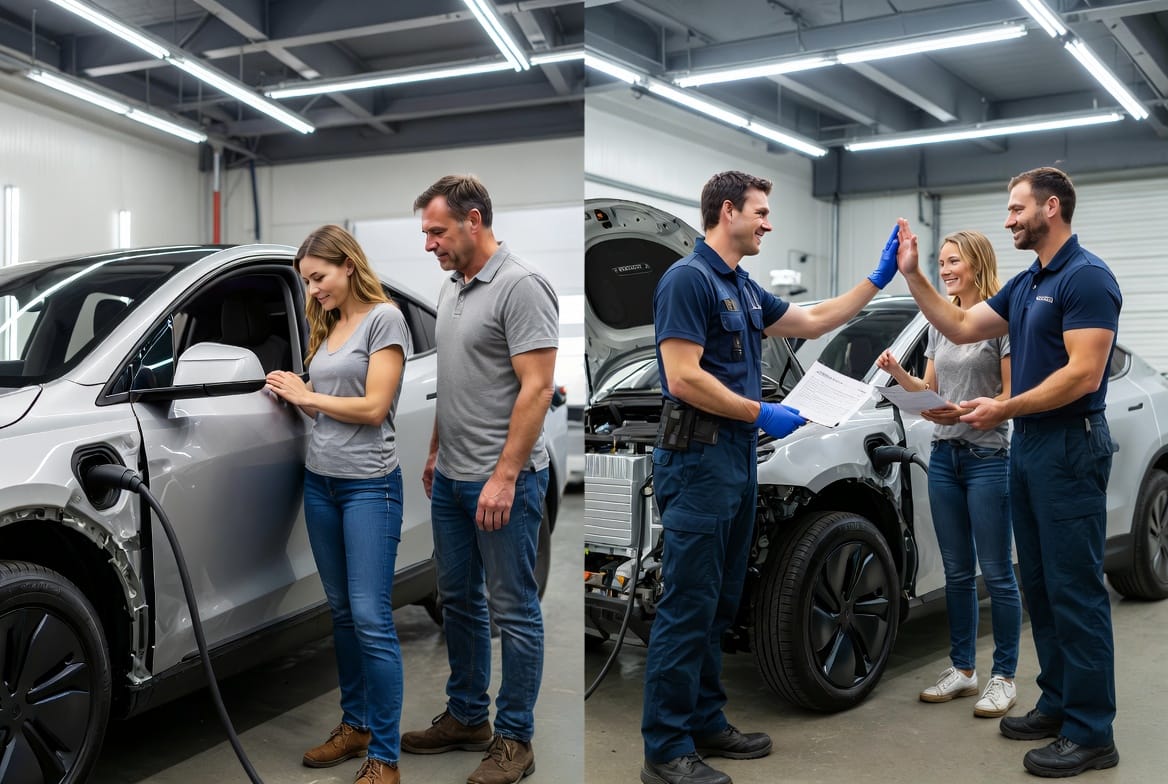
- Certified Repair Shop Mandates: Ensures repairs occur at facilities equipped for high-voltage systems, preserving vehicle performance and warranties.
These coverages provide comprehensive protection tailored to the realities of electric mobility.
Comparing EV Insurance to Traditional Auto Coverage
When transitioning from a gas-powered car to an EV, it's helpful to see the side-by-side differences:
| Aspect | Traditional Auto Insurance | EV Insurance |
|---|---|---|
| Repair Focus | Engine, transmission, fuel system | Battery, electric motor, power electronics |
| Towing Requirements | Standard towing often sufficient | Flatbed towing required |
| Premium Trends | Varies by vehicle age and type | Often lower due to safety features and incentives |
| Special Add-ons | Limited to basic roadside assistance | Charging equipment, battery protection |
This comparison highlights why a dedicated EV policy is essential. While some overlaps exist, the unique needs of electric vehicles demand specialized attention.
Many drivers appreciate how EV insurance evolves with technology. As battery technology improves and repair networks expand, policies continue to adapt, offering better value over time.
Addressing Common Concerns and Myths
New EV owners often worry about insurance complexities. Let's address some frequent questions with clear facts.
Myth: EV insurance is always more expensive.
Reality: Many factors lead to competitive or lower rates, especially with proper discounts.
Concern: What if my battery fails?
Solution: Look for policies with explicit battery damage coverage that includes both collision and comprehensive protection.
Question: Does home charging affect my policy?
Answer: Reputable insurers offer endorsements for home charging stations, protecting your investment in sustainable infrastructure.
By choosing the right coverage, you eliminate uncertainty and focus on enjoying the benefits of electric driving – quieter rides, instant torque, and lower operating costs.
Tips for Choosing the Best EV Insurance Policy
Selecting the optimal EV policy requires careful evaluation. Follow these authoritative guidelines:
- Review battery coverage limits thoroughly
- Confirm flatbed towing and certified repair provisions
- Ask about charging equipment protection
- Compare quotes from multiple providers experienced with EVs
- Consider bundling with homeowners insurance for additional savings
- Inquire about usage-based or low-mileage programs if applicable
Working with an insurance specialist familiar with electric vehicles ensures you address all unique aspects. In areas like Dallas, local factors such as hail storms or urban parking can influence your optimal coverage choices.
The Future of EV Insurance
As electric vehicle adoption accelerates, insurance products will continue evolving. Expect more personalized options based on telematics data, improved battery longevity warranties, and broader incentives for sustainable choices.
Staying informed positions you to benefit from these advancements. Regular policy reviews – especially after purchasing a new EV or installing home charging – help maintain appropriate protection levels.
Final Advice: EV Insurance Is Different – Get Expert Guidance
EV insurance represents more than just another auto policy. It’s a specialized safeguard designed for the unique technology and benefits of electric vehicles. From higher repair costs associated with specialized parts and batteries to valuable incentives that often result in lower premiums, understanding these differences empowers smarter decisions.
Prioritize EV-specific coverage including battery protection, charging cable replacement, flatbed towing requirements, and repairs at certified shops. This approach delivers true peace of mind on the road.
Ready to explore options tailored to your electric vehicle? Our experts can help you compare policies, identify savings opportunities, and ensure your coverage matches the distinctive needs of your EV.
Drive confidently into the electric future with the right protection in place.
Secure Your EV Battery Coverage – Call Today