The Electric Vehicle Charger Installation: Level 1, Level 2, and Hardwired Options for Home
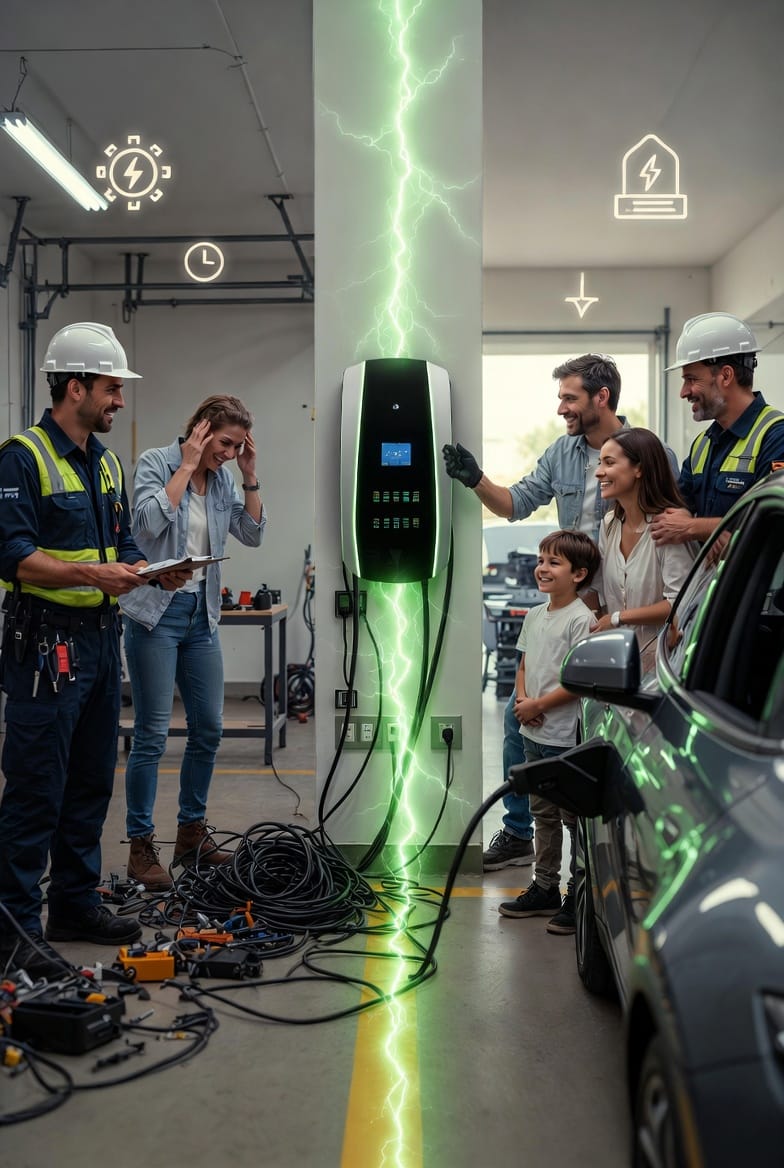
Electric vehicles are transforming how we drive, and the growing demand for home EV charger installation reflects this shift toward sustainable, convenient living. More families and individuals are choosing electric cars for their lower operating costs, reduced emissions, and smooth performance. Yet, the true advantage emerges when you can charge reliably at home rather than relying on public stations that may be crowded or inconvenient.
Get Your Level 2 EV Charger Installed Today – Call Now!
Home EV charger installation delivers peace of mind, saving time and money while ensuring your vehicle is always ready. Whether you are new to electric vehicles or upgrading your setup, understanding Level 1, Level 2, and hardwired options empowers you to make the best choice for your household. In this comprehensive guide, we explore each option in depth, discuss electrical panel requirements, highlight available incentives, and outline safe installation practices. Our goal is simple: to equip you with clear, trustworthy information so you can charge confidently and efficiently.
The Growing Demand for Home Charging Solutions
The surge in electric vehicle adoption has created an urgent need for dependable residential charging infrastructure. Drivers appreciate waking up to a fully charged battery without detours to commercial chargers. Home EV charger installation addresses this perfectly by integrating seamlessly into your daily routine.
Imagine eliminating range anxiety and enjoying lower electricity rates during off-peak hours. Home charging also protects your vehicle’s battery health through consistent, controlled power delivery. As more manufacturers release affordable electric models, homeowners are wisely investing in professional EV charger installation to future-proof their properties and increase resale value.
Understanding EV Charger Levels: Level 1 and Level 2 Explained
EV chargers are categorized by power output and charging speed. Selecting the right level depends on your driving habits, vehicle type, and home electrical capacity.
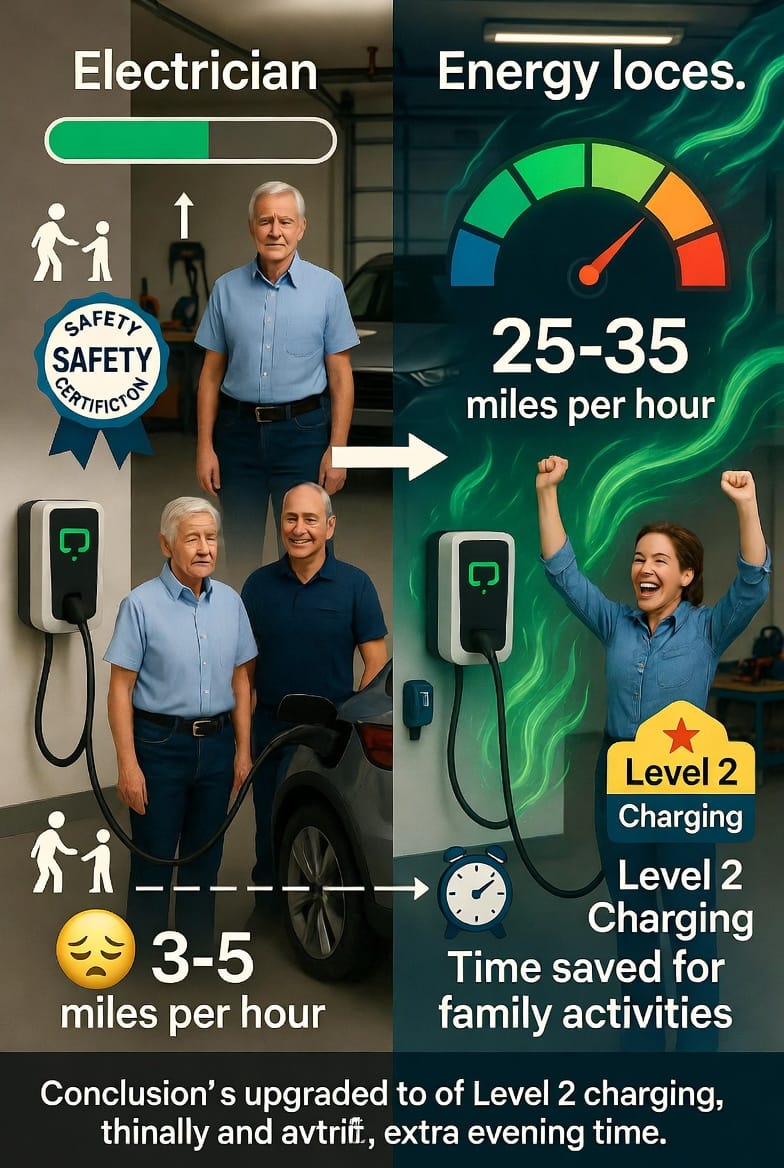
Level 1 chargers use a standard 120V household outlet—the same type used for small appliances. They provide a slow but steady charge, adding roughly 3 to 5 miles of range per hour. This option suits overnight charging for light daily commuters or as a backup solution.
Level 2 chargers operate at 240V, delivering significantly faster results—typically 25 to 35 miles of range per hour. They dramatically reduce charging time, making them ideal for families with multiple vehicles or longer daily drives. Most modern electric cars achieve full charges in just a few hours with Level 2 EV charger technology.
Both levels offer plug-in and hardwired configurations, each with distinct advantages we will explore next.
Level 1 Chargers: Simple, Affordable Entry Point
Level 1 chargers represent the most accessible starting point for many new EV owners. Installation is straightforward—often requiring no additional electrical work beyond using an existing outlet. This simplicity appeals to renters or those testing electric driving before committing to upgrades.
However, the slower speed means longer charging sessions. For a vehicle needing 200 miles of range, expect 40 to 60 hours of charging time. While not ideal for heavy users, Level 1 remains a reliable, low-cost solution for occasional drivers or as a secondary charger.
Key benefits include minimal upfront investment and universal compatibility with standard outlets. Risks are low when using manufacturer-provided equipment, but always verify outlet condition to prevent overheating hazards.
Level 2 Chargers: Speed and Efficiency for Modern Lifestyles
For most households, Level 2 EV charger installation is the preferred upgrade. The 240V power delivers faster results, fitting perfectly into busy schedules. A typical full charge completes in 4 to 8 hours—perfect for overnight or workday recharges.
These chargers support higher amperage (usually 30 to 50 amps), providing robust performance for today’s longer-range vehicles. Homeowners report greater satisfaction and convenience, often describing the switch as transformative.
Installation flexibility shines here. You can choose portable units or dedicated stations tailored to your garage layout. Professional installers ensure optimal placement for easy access and cable management.
Hardwired vs. Plug-In Options: Choosing What Fits Your Needs
Deciding between hardwired and plug-in configurations is a critical step in your EV charger installation journey.
Hardwired chargers connect directly to your electrical panel, eliminating the need for a wall outlet. This setup offers a cleaner appearance and slightly higher efficiency since there are no plug connections to lose power. They are often favored for permanent installations and higher-power models.
Plug-in chargers use a NEMA 14-50 or 6-50 outlet, allowing easier relocation if you move or rearrange your garage. They provide flexibility for future changes but require a properly rated outlet installed by a licensed electrician.
Both options are safe when professionally installed. Hardwired reduces visible cords, while plug-in simplifies initial setup. Consider your long-term plans: permanent homeowners lean toward hardwired, while those seeking versatility prefer plug-in.
Assessing Your Electrical Panel Requirements
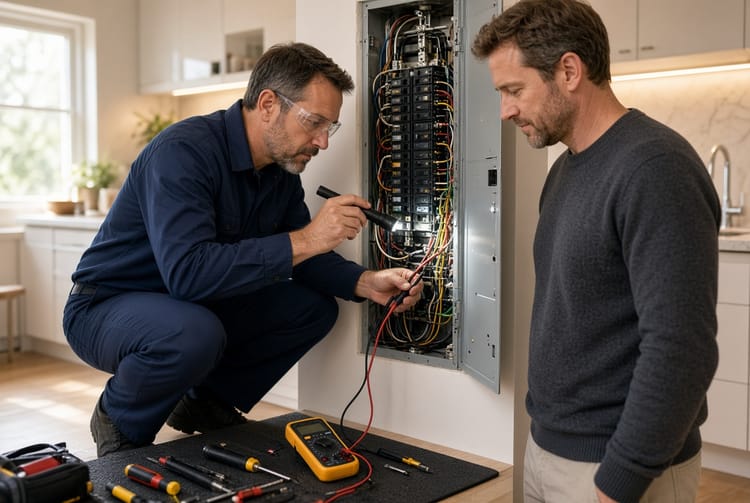
Your home’s electrical panel forms the foundation of safe EV charger installation. Most older panels (under 200 amps) may need evaluation to handle the additional load without risking overloads.
A qualified electrician will assess total capacity, available breaker space, and wiring quality. Upgrades to a 200-amp or higher panel are common and straightforward, often qualifying for incentives.
Panel capacity must accommodate the charger’s draw plus existing household demands. Ignoring this can lead to tripped breakers or safety issues, but professional assessment eliminates these concerns.
Location matters too. Chargers perform best when mounted near the vehicle parking spot with short, protected cable runs. Proper ventilation and clearance prevent overheating.
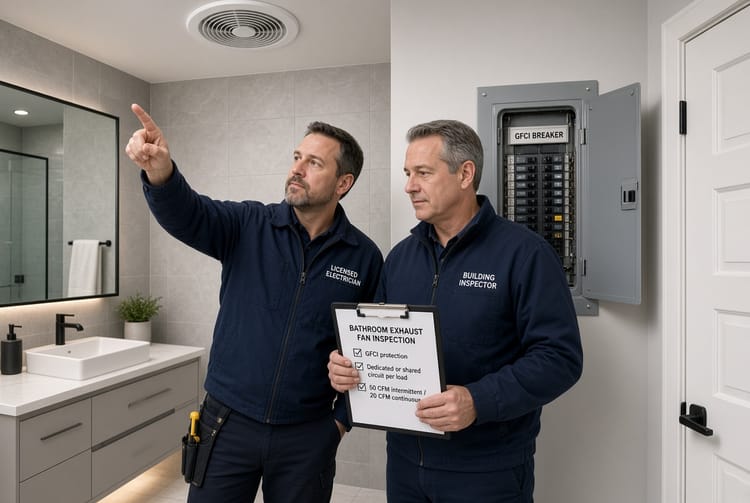
Permits ensure compliance with local codes, providing an extra layer of protection and often required for insurance coverage.
Step-by-Step Professional Installation Process
Experienced electricians follow a proven process to deliver flawless results:
- Initial Consultation: Discuss your driving needs and inspect your space.
- Panel Evaluation: Determine if upgrades are necessary.
- Permitting: Handle all paperwork efficiently.
- Mounting and Wiring: Install the charger securely with code-compliant methods.
- Testing and Training: Verify performance and show you how to use the system safely.
Throughout, safety remains paramount. Licensed professionals use high-quality materials and follow strict protocols to protect your home and vehicle.
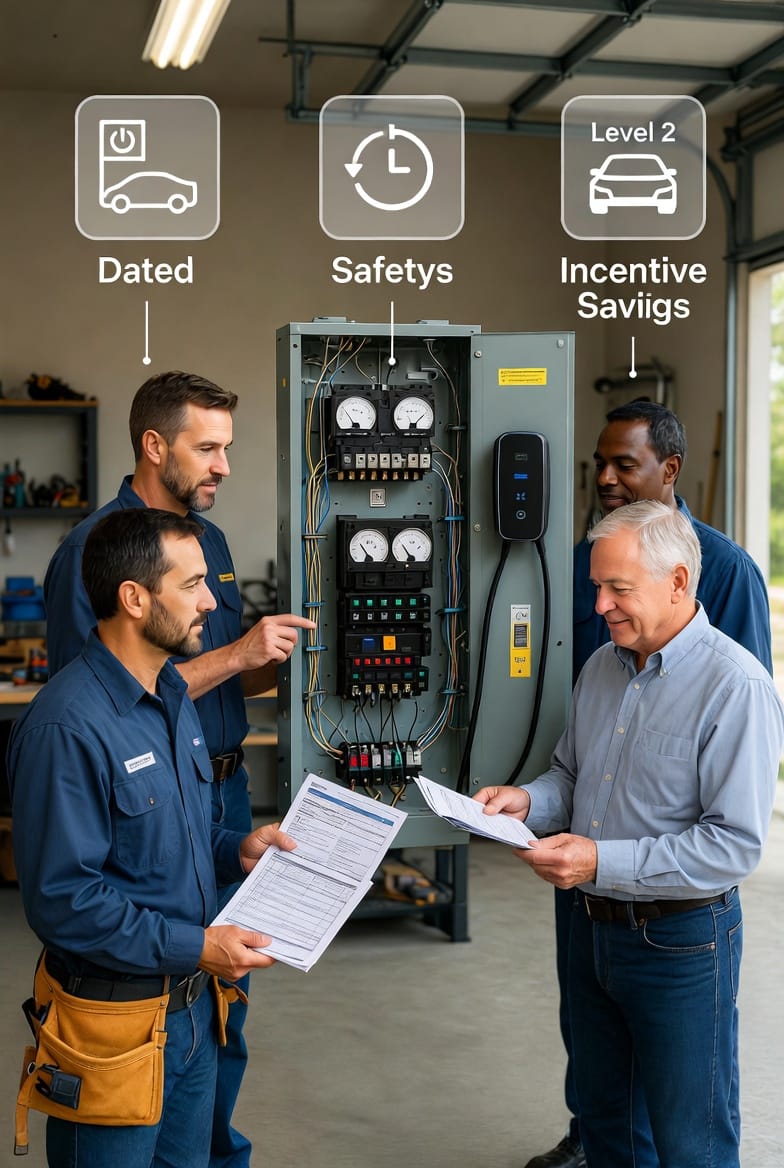
Unlocking Incentives and Rebates for Your Investment
Government and utility programs make home EV charger installation more affordable than ever. Federal tax credits, state rebates, and local incentives can cover a substantial portion of costs, including equipment and labor.
Many utilities offer special rates for EV owners, rewarding off-peak charging. These savings compound over time, making professional installation an intelligent financial decision.
Rebates often apply to Level 2 chargers and panel upgrades, further reducing your out-of-pocket expense. Always consult current programs during your consultation for the latest opportunities.
Safety First: Reliable Charging You Can Trust
Safety underpins every quality EV charger installation. Modern chargers include built-in protections against overcurrent, ground faults, and power surges. Professional installation ensures proper grounding, weatherproofing (if needed), and regular maintenance recommendations.
Home charging eliminates risks associated with public stations, such as damaged cables or inconsistent power quality. With expert oversight, you gain confidence knowing your system meets the highest standards.
Choosing the Right Option and Planning for the Future
Evaluate your daily mileage, vehicle specifications, and budget when selecting between Level 1, Level 2, hardwired, or plug-in solutions. Most households benefit from Level 2 for its balance of speed and value.
Consider scalability. Installing a higher-capacity system now prepares you for additional vehicles or faster-charging models on the horizon.
Common Questions About Home EV Charger Installation
How long does installation take? Most projects complete in one to two days, depending on panel work.
Will it increase my electric bill significantly? Off-peak rates and efficiency keep costs manageable—often cheaper than gasoline.
Can I install it myself? Professional installation is strongly recommended for safety and code compliance.
Are there maintenance requirements? Annual visual inspections and occasional cleaning keep everything optimal.
Charge at Home with Speed and Safety
Level 1, Level 2, and hardwired options each serve unique needs, but professional guidance ensures you select the perfect solution. With proper electrical panel requirements addressed and available incentives utilized, home charging becomes effortless, cost-effective, and reliable.
Ready to enjoy the full benefits of electric driving? Charge at home with speed and safety. Our team delivers tailored solutions that exceed expectations, giving you confidence on every journey ahead.
Get Your Home EV Charger Installed by Pros – Call Today