The Earthquake Insurance: Do You Need It and What It Covers
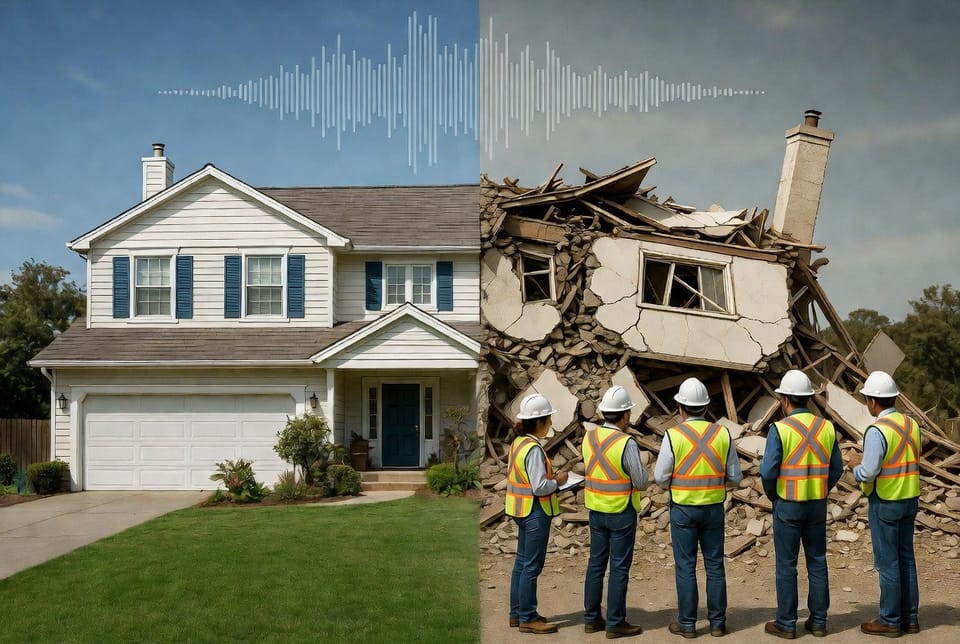
Earthquakes remain one of nature’s most unpredictable forces, capable of causing significant structural damage in mere seconds. Earthquake insurance provides specialized financial protection designed specifically for these seismic events. While standard homeowners policies typically exclude earthquake damage, this optional coverage fills a critical gap, offering homeowners peace of mind and practical recovery support when the ground shakes.
Secure Your Home Against Earthquakes – Call Now
In this comprehensive guide, we explore exactly what earthquake insurance covers, typical policy features, how to determine if you need it, and key considerations for safeguarding your home and family. Whether you live in a high-risk seismic zone or simply want to understand your options, this article delivers clear, authoritative insights to help you make informed decisions.
Understanding Earthquake Insurance Basics
Earthquake insurance is a distinct form of property coverage that protects against losses resulting directly from seismic activity. Unlike standard homeowners insurance, which generally does not cover ground movement, earthquake policies address the unique damages caused by shaking, shifting soil, and related effects.
These policies are often offered as endorsements or separate riders through major insurers or through state-specific programs. Coverage activates when an earthquake meets or exceeds the policy’s defined magnitude or intensity thresholds, ensuring claims focus on verifiable seismic events.
Homeowners benefit from this specialized protection because rebuilding after significant seismic damage can cost hundreds of thousands of dollars — far beyond what most families can absorb without assistance.
- Key benefit: Rapid claims processing focused exclusively on earthquake-related repairs
- Flexibility: Customizable limits based on your home’s value and personal needs
- Reassurance: Financial support that helps families recover and rebuild stronger
What Does Earthquake Insurance Typically Cover?
A well-structured earthquake insurance policy focuses on restoring your property and supporting your household during recovery. Core coverages usually include:
Dwelling Coverage
This protects the physical structure of your home, including foundation, walls, roof, and built-in systems. It covers repairs or rebuilding when shaking causes cracks, collapses, or shifting.
Personal Property (Contents) Coverage
Valuable belongings inside your home — furniture, electronics, clothing, and appliances — receive protection against breakage, toppling, or burial under debris.
Additional Living Expenses (ALE)
If your home becomes uninhabitable, this coverage helps pay for temporary housing, meals, and other necessary costs while repairs take place. Families often find this support invaluable during extended recovery periods.
Other Structures
Many policies extend limited protection to detached garages, sheds, or fences damaged by the quake.
Earthquake insurance stands apart because it addresses damages standard policies explicitly exclude, creating a targeted safety net for seismic risks.

Common Exclusions to Know
While earthquake insurance delivers robust protection, it maintains clear boundaries to keep premiums manageable. Typical exclusions include:
- Fire following earthquake (often covered under your standard homeowners policy)
- Landscaping, trees, and outdoor plants
- Swimming pools, patios, and decorative hardscaping
- Damage from landslides or soil liquefaction unless specifically endorsed
- Flooding or water damage from broken pipes (may require separate flood coverage)
Reviewing these exclusions with your agent ensures you understand the full picture and can supplement coverage where needed. Knowledgeable insurers help tailor policies that minimize gaps while maximizing value.
Typical Deductibles and Policy Limits
Earthquake insurance policies commonly feature higher deductibles than standard homeowners coverage — typically ranging from 10% to 20% of the dwelling coverage amount.
For example, on a $500,000 home, a 10% deductible equals $50,000. This structure helps keep premiums affordable while ensuring coverage activates for truly significant events.
Policy limits generally align with your home’s replacement cost. Experts recommend selecting limits that fully protect your property’s current rebuild value, including local construction costs and code upgrades.
- Pro tip: Request an updated home valuation to avoid underinsurance
- Reassuring fact: Many policies include ordinance or law coverage for required building code upgrades after seismic damage
Do You Need Earthquake Insurance? Assessing Your Risk
Determining whether earthquake insurance makes sense depends primarily on your location’s seismic risk. The United States Geological Survey (USGS) maintains detailed seismic hazard maps that identify high-risk areas along the West Coast, New Madrid Seismic Zone, and other active regions.
Even moderate-risk areas can experience damaging quakes. Factors that increase the importance of coverage include:
- Home construction type: Older homes or those not built to current seismic standards face higher vulnerability
- Soil conditions: Properties on fill dirt or unstable slopes experience amplified shaking
- Family circumstances: Households with young children, elderly members, or valuable personal property benefit from added protection
- Financial preparedness: The ability to self-fund major repairs without coverage
Homeowners in lower-risk zones may still consider limited coverage for peace of mind, especially given the unpredictable nature of earthquakes.

The Claims Process: What to Expect
Filing an earthquake insurance claim follows a structured, supportive process. Immediately after a seismic event:
- Ensure everyone’s safety and document all damage with photos and videos
- Contact your insurance provider promptly
- Work with assigned adjusters who specialize in seismic claims
- Receive detailed estimates for repairs and additional living expenses
- Begin restoration while staying informed throughout the process
Reputable insurers prioritize fast response times and fair settlements, helping families return to normalcy as quickly as possible.
Myths About Earthquake Insurance Debunked
Many homeowners hesitate due to common misconceptions:
- Myth: “My homeowners policy covers earthquakes.”
Reality: Standard policies almost always exclude ground movement damage. - Myth: “Earthquakes only happen on the West Coast.”
Reality: Significant seismic risks exist across multiple U.S. regions. - Myth: “Coverage is too expensive.”
Reality: Premiums vary widely based on location and construction; many find them surprisingly affordable for the protection provided.
Understanding these facts empowers better decision-making.
Strengthening Your Home: Complementary Protection Strategies
Earthquake insurance works best alongside proactive home strengthening measures. Consider:
- Retrofitting foundations and securing heavy furniture
- Installing automatic gas shut-off valves
- Creating family emergency plans
- Maintaining proper homeowners and flood insurance
These steps reduce potential damage and demonstrate responsible risk management to insurers.
Choosing the Right Earthquake Insurance Policy
When shopping for coverage, focus on:
- Financial strength of the insurance carrier
- Clear policy language regarding covered perils and exclusions
- Responsive customer service with dedicated claims teams
- Flexible deductibles and coverage options
Working with experienced agents who understand local seismic risks ensures you receive tailored recommendations that truly protect your investment.
Real-World Value of Earthquake Coverage
Consider a family whose home suffered foundation cracks and interior damage during a moderate quake. With proper earthquake insurance, they recovered repair costs, temporary housing expenses, and personal property losses — allowing them to rebuild confidently without devastating financial strain.
Stories like this highlight why specialized coverage delivers genuine security for families across seismic areas.
Protecting Your Home from the Shake
Earthquakes remind us of nature’s power, but proactive protection puts control back in your hands. Earthquake insurance offers essential coverage for dwelling, contents, and living expenses while helping you navigate recovery with confidence.
Protect your home from the shake. Our knowledgeable team stands ready to review your specific situation and design appropriate protection tailored to your needs.
Don’t wait for the ground to move — secure the coverage that helps you stand strong no matter what comes.
Ask About Earthquake Insurance Coverage – Call Today