The Earthquake Insurance: Do You Need It and What It Covers
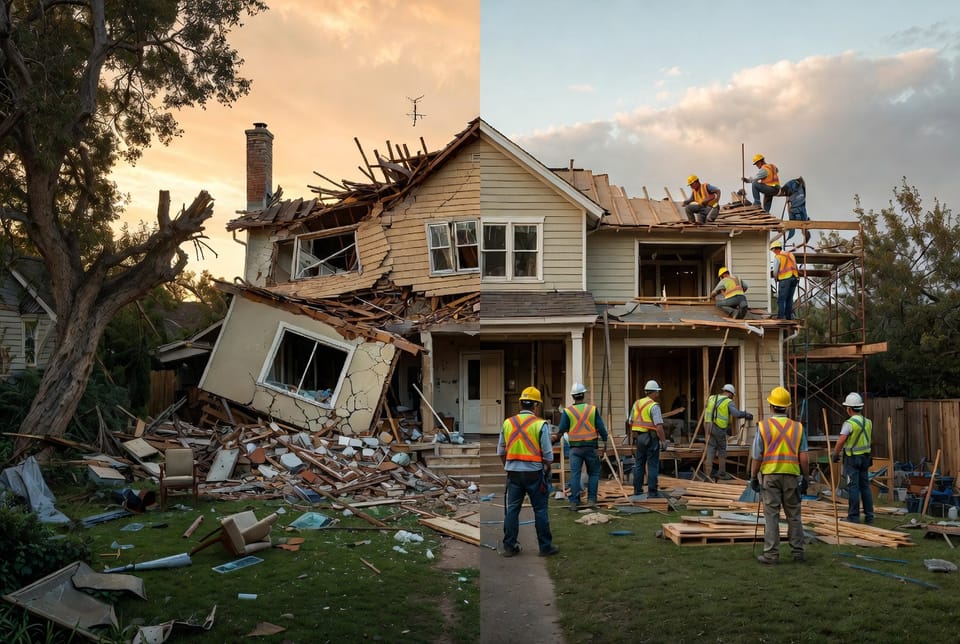
Earthquakes strike without warning, turning solid ground into a force that can reshape lives and properties in seconds. While standard homeowners insurance provides broad protection, it typically excludes damage from seismic activity. This is where earthquake insurance steps in as a vital, specialized layer of security for homeowners in at-risk areas.
Secure Your Home Against Earthquakes – Call Now
In this comprehensive guide, we’ll explore this niche coverage, break down exactly what it protects, clarify common misconceptions, and help you determine if it’s essential for your situation. Whether you live along the Pacific Coast or in emerging risk zones, understanding earthquake insurance empowers you to make confident decisions about safeguarding your most valuable asset—your home.
Understanding Earthquake Insurance as a Specialized Coverage
Earthquake insurance is not automatically included in most standard homeowners policies. It functions as an endorsement or a separate policy designed specifically to address the unique damages caused by ground shaking, soil liquefaction, and related seismic events.
Unlike general property insurance, this coverage focuses on the direct physical impacts of tectonic movement. Insurance providers design it to fill critical gaps, offering peace of mind when nature unleashes its power underground.
Key fact: Many homeowners assume their existing policy covers everything, but earthquake damage is one of the most common exclusions in standard forms. Adding this protection ensures you’re not left bearing the full financial burden of repairs after a significant event.
What Does Earthquake Insurance Actually Cover?
Earthquake insurance primarily addresses structural and personal property damage resulting from the shaking itself. Here’s a clear breakdown:
- Dwelling Coverage: Protects the physical structure of your home, including foundation, walls, roof, and built-in systems damaged by seismic shifting.
- Personal Contents Coverage: Covers furniture, appliances, clothing, and other belongings inside the home that may be destroyed or damaged during the quake.
- Additional Living Expenses (ALE): Helps pay for temporary housing, meals, and other costs if your home becomes uninhabitable while repairs are underway.
Important note: This coverage generally excludes fire triggered by an earthquake (often handled under your standard policy’s fire coverage) and certain external features like landscaping, pools, patios, or detached structures unless specifically added.
Common Exclusions to Know
- Damage to outdoor elements such as fences, driveways, or swimming pools
- Land movement unrelated to the primary quake event
- Flooding caused by seismic activity (separate flood insurance may be needed)
- Cosmetic damage below the deductible threshold
Understanding these parameters helps set realistic expectations and allows you to customize your policy effectively.
Typical Deductibles and Policy Costs
One distinguishing feature of earthquake insurance is its higher deductible structure. Unlike standard policies with deductibles around 1-2%, earthquake coverage often features deductibles ranging from 10% to 20% of the insured value of your home.
For a $500,000 home, this means you could be responsible for $50,000–$100,000 out-of-pocket before coverage kicks in. While this sounds substantial, it keeps premiums manageable while ensuring major losses are protected.
Premium factors include:
- Your property’s location and proximity to fault lines
- Home construction type (wood-frame often fares better than masonry)
- Soil conditions and building age
- Chosen coverage limits and deductible percentage
Many insurers offer flexible options, allowing you to balance premium costs with protection levels that align with your budget and risk tolerance.
Do You Need Earthquake Insurance? Assessing Your Risk
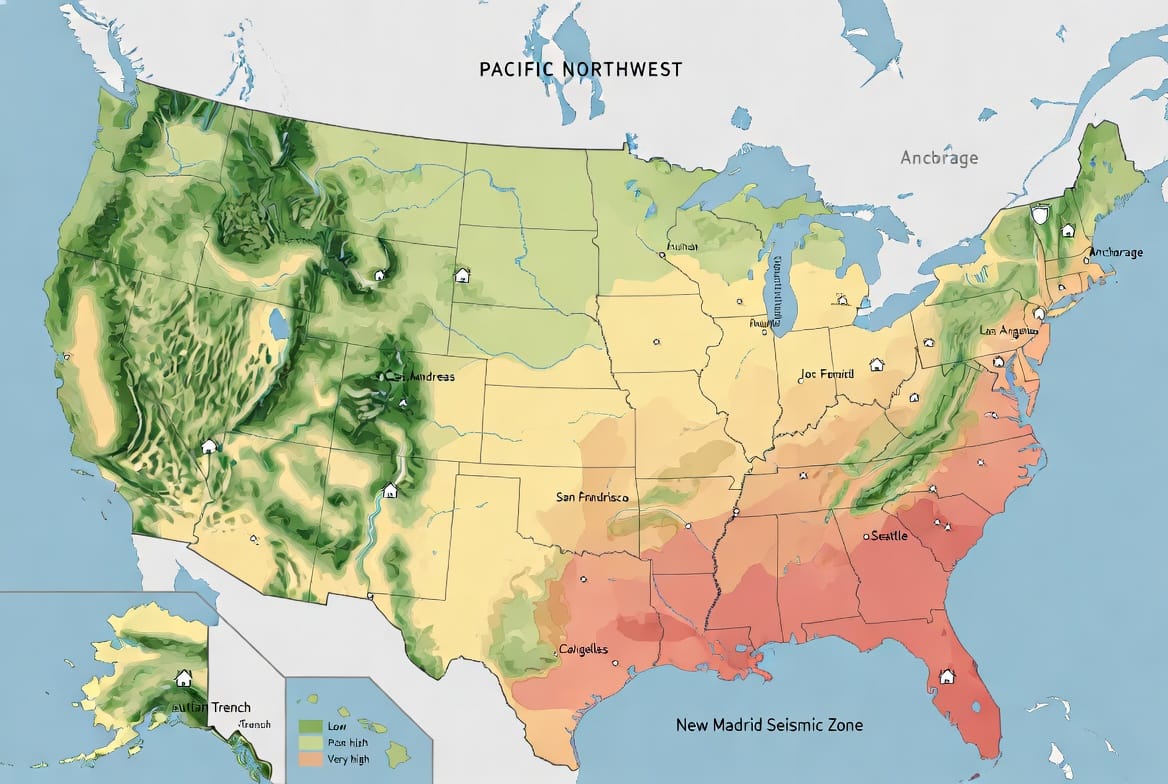
Not every homeowner requires this coverage, but certain factors make it highly advisable. The decision hinges primarily on seismic risk maps and your personal circumstances.
High-Risk Areas Where Coverage Is Often Essential
- California: Home to the San Andreas Fault and frequent activity
- Alaska and Pacific Northwest: High probability of major events
- Central U.S. (New Madrid Seismic Zone): Less frequent but potentially devastating
- Other emerging zones: Parts of Nevada, Utah, Oklahoma, and the East Coast with unexpected activity
Even in moderate-risk areas, the financial consequences of an earthquake can be life-altering without proper insurance. Consider your home’s value, mortgage obligations, and ability to self-fund major repairs.
Reassuring perspective: Modern building codes have improved structural resilience, but insurance provides the financial safety net when prevention meets its limits. Consulting local seismic risk data and speaking with an insurance professional can clarify your specific exposure.
Benefits of Adding Earthquake Protection to Your Home Insurance
Choosing earthquake insurance delivers several tangible advantages:
- Financial Security: Prevents devastating out-of-pocket losses
- Faster Recovery: Enables quicker repairs and return to normalcy
- Comprehensive Peace of Mind: Complements your standard homeowners policy
- Customizable Options: Tailor coverage to match your property and lifestyle
Homeowners who have experienced seismic events consistently report that having this coverage made the difference between prolonged hardship and manageable recovery.
How to Obtain and Optimize Your Earthquake Coverage
Adding this protection is straightforward. Most major insurers offer it as an endorsement to your existing home insurance policy. Here are practical steps:
- Review Your Current Policy: Confirm earthquake exclusions
- Request a Seismic Risk Assessment: Many agents provide free evaluations
- Compare Multiple Quotes: Shop around for competitive rates
- Discuss Customizations: Consider higher limits for contents or ALE
- Bundle Strategically: Combine with other coverages for potential discounts
Working with an experienced agent ensures you understand all terms and avoid coverage gaps.
Real-World Scenarios: When Earthquake Insurance Proves Invaluable
Imagine a moderate quake that shifts your foundation and damages interior walls. Without specialized coverage, repair costs could reach tens or hundreds of thousands of dollars. With proper earthquake insurance, you can focus on restoration rather than financial stress.
Families often share stories of using Additional Living Expenses coverage to maintain stability while contractors restore their homes. This support extends beyond bricks and mortar—it protects your family’s well-being during challenging times.

Addressing Common Myths About Earthquake Insurance
Myth 1: “It only happens on the West Coast.”
Reality: Seismic activity occurs across the United States, with varying probabilities.
Myth 2: “My standard policy covers it.”
Reality: Earthquake damage is explicitly excluded in most policies.
Myth 3: “It’s too expensive.”
Reality: Deductible structures and risk-based pricing make it more affordable than many assume.
Myth 4: “Modern homes don’t need it.”
Reality: Even well-built structures can sustain significant damage in strong quakes.
Clearing these misconceptions helps homeowners make informed choices.
Long-Term Value and Risk Management Strategies
Beyond immediate protection, earthquake insurance encourages proactive risk management. Many policyholders invest in retrofitting their homes—securing water heaters, bolting foundations, or upgrading bracing—which can further reduce premiums and enhance safety.
Combining insurance with mitigation creates a powerful defense strategy. Your home becomes more resilient, and your coverage works even more effectively when needed.
Protecting What Matters Most
Earthquakes remind us of nature’s unpredictability, but preparation brings control. Earthquake insurance represents a smart, responsible choice for safeguarding your home, family, and financial future against this specific threat.
Don’t leave your property vulnerable to seismic surprises. Review your coverage today and understand how this specialized protection fits into your overall home insurance strategy.
Our team of insurance professionals stands ready to provide personalized guidance, answer your questions, and help you build a comprehensive protection plan tailored to your needs and location. Your home deserves nothing less than complete security.
Ask About Earthquake Insurance Coverage – Call Today