The Drying Chamber: Containing and Accelerating Structural Drying
When water damage strikes your property, every hour counts. Structural drying demands precision, speed, and the right containment strategy to prevent long-term issues like mold growth, material weakening, and costly secondary damage. One of the most effective professional techniques is the drying chamber — a controlled environment that concentrates drying efforts exactly where they are needed most.
Expert Drying Chamber Restoration – Call Today!
In this comprehensive guide, we explore how restoration experts build and utilize drying chambers to accelerate recovery while protecting your home. Whether you're dealing with a burst pipe, flooding, or hidden leaks, understanding this advanced method empowers you to appreciate why professional intervention delivers superior results.
Understanding the Drying Chamber Concept
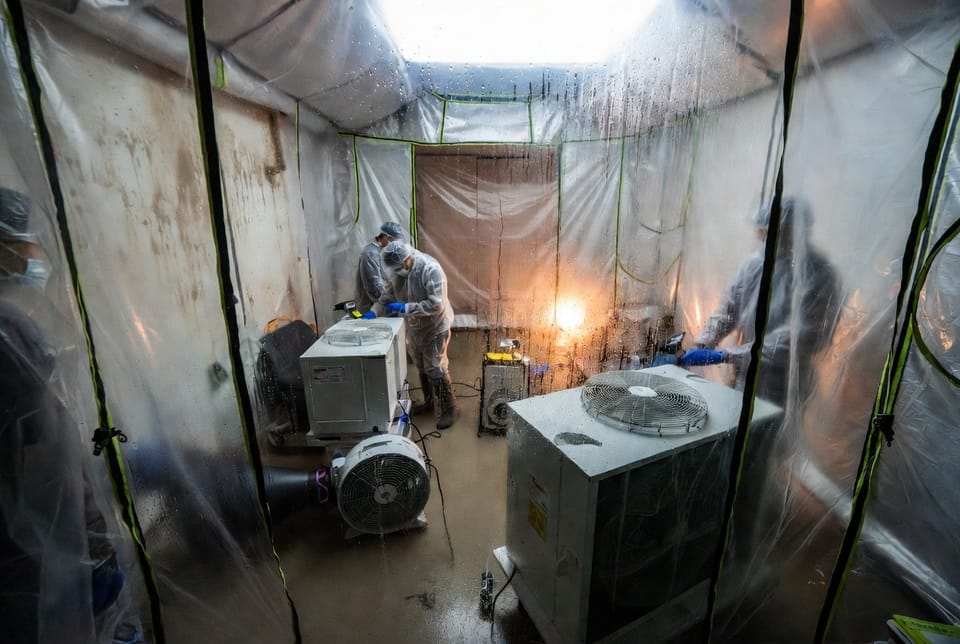
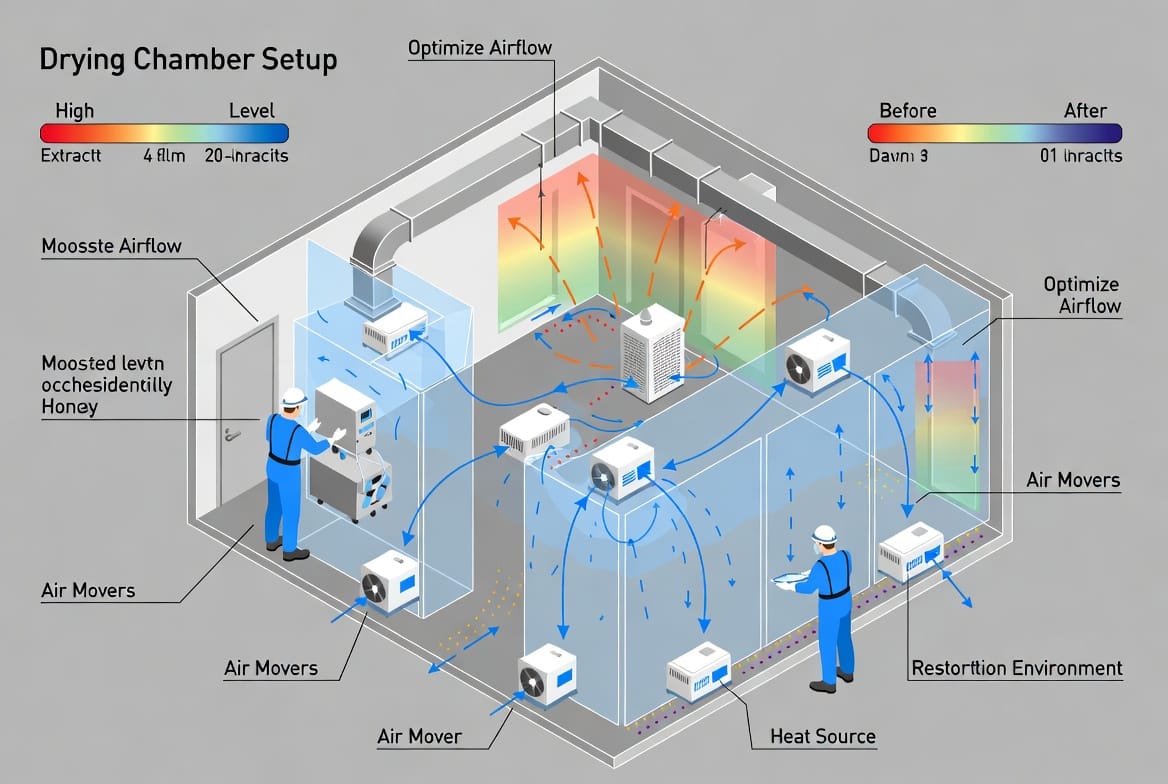
A drying chamber is essentially a sealed, temporary room or section within a larger space where environmental conditions are tightly controlled to optimize moisture removal from building materials. Professionals create these chambers using heavy-duty plastic barriers, tape, and specialized equipment to isolate the affected area.
Unlike open-air drying, which can spread humidity to unaffected parts of the building, a drying chamber contains the problem. It maintains elevated temperatures, directed airflow, and powerful dehumidification right at the source of saturation. This focused approach can significantly reduce drying times from days or weeks to a much shorter, more efficient window.
Key components of an effective drying chamber include:
- Vapor barriers made from durable polyethylene sheeting
- Strategic placement of air movers and dehumidifiers
- Monitoring tools such as moisture meters and hygrometers
- Controlled entry points to minimize disruption to the rest of the property
This technique represents best practices in water damage restoration, balancing speed with thoroughness.
Why Professionals Rely on Drying Chambers
Water intrusion doesn't just affect surfaces — it penetrates deep into porous materials like drywall, wood framing, insulation, and flooring. Left unmanaged, this moisture creates ideal conditions for microbial growth and structural compromise.
Drying chambers address these risks directly by:
- Concentrating drying power: Equipment works in a confined space, achieving lower humidity levels faster than whole-house approaches.
- Preventing cross-contamination: Barriers stop humid air from migrating to dry areas, reducing the risk of widespread issues.
- Energy efficiency: Targeted operation uses less power overall while delivering better results.
- Accelerated timelines: Many projects see structural drying completed in 3-7 days instead of 10-14+ days with conventional methods.
- Better outcomes for contents and structure: Faster moisture removal helps preserve belongings and maintain building integrity.
The reassuring truth is that with professional drying chamber techniques, most water-damaged homes can be fully restored without extensive demolition or reconstruction. This method minimizes disruption to your daily life while maximizing long-term property value protection.
Step-by-Step Setup Process Used by Experts
Professional restoration teams follow a systematic approach when establishing a drying chamber. Here's how it's typically done:
- Initial Assessment: Technicians use thermal imaging and moisture mapping to identify the full extent of water intrusion, including hidden pockets in walls and subfloors.
- Containment Creation: Heavy plastic sheeting is installed floor-to-ceiling, sealed with tape and sometimes reinforced with temporary framing. This creates an airtight (or near-airtight) environment.
- Equipment Positioning:
- Air movers are placed at the base to push dry air across wet surfaces.
- Dehumidifiers extract moisture from the air.
- Heat sources (when appropriate) raise temperature to enhance evaporation without damaging materials.
- Exhaust systems manage humid air removal.
- Monitoring and Adjustment: Daily readings track progress. Equipment is repositioned as needed to address drying gradients.
- Verification: Final moisture content tests confirm materials have returned to normal levels before barriers are removed and finishing work begins.
This methodical process ensures no surprises later in the restoration journey. Homeowners can rest assured that every step prioritizes both speed and complete dryness.
Essential Equipment for Effective Drying Chambers
Success depends on using commercial-grade tools designed specifically for restoration:
- Refrigerant or Desiccant Dehumidifiers: Pull massive amounts of water from the air.
- Axial and Centrifugal Air Movers: Create directed airflow patterns that "scrub" moisture from materials.
- Inline Heaters or Heaters: Optimize temperature for faster evaporation rates.
- Air Scrubbers: Improve indoor air quality by filtering particles during the process.
- Advanced Monitoring Devices: Wireless sensors provide real-time data on humidity, temperature, and material moisture.
Experts know exactly how to combine these tools for your specific situation — whether it's a small bathroom flood or extensive flood damage.
Benefits That Make Drying Chambers Worthwhile
Property owners consistently experience several key advantages:
- Faster Recovery: Reduced drying times mean quicker return to normalcy.
- Cost Savings: Less need for full material replacement translates to lower overall claims and expenses.
- Mold Prevention: Rapid moisture removal starves potential mold growth.
- Energy Efficiency: Targeted equipment operation consumes fewer resources.
- Minimal Disruption: Containment protects the rest of your home and belongings.
- Superior Air Quality: Controlled environment manages humidity and contaminants effectively.
These benefits combine to deliver peace of mind that your property is restored properly and safely.
Real-World Applications and Considerations
Drying chambers prove especially valuable in:
- Multi-story homes where water migrates between levels
- Properties with valuable contents that need protection
- Commercial buildings requiring minimal downtime
- Situations with sensitive materials like hardwood or antiques
Important note: While DIY fans might attempt basic drying, professional drying chambers require experience, equipment calibration, and industry certifications. Incorrect setup can actually prolong drying or cause additional issues.
Trained technicians understand material science — knowing precisely when to apply heat, how to manage vapor pressure, and when it's safe to progress to reconstruction.
Common Challenges and Professional Solutions
Even with advanced techniques, challenges can arise:
- Hidden Moisture: Addressed through comprehensive psychrometric calculations and invasive probing when necessary.
- Material Variability: Different woods, drywall types, and flooring respond uniquely — experts adjust strategies accordingly.
- Environmental Factors: Outdoor humidity or building design influences chamber performance; professionals compensate dynamically.
The authoritative approach involves continuous monitoring and adaptation rather than a one-size-fits-all plan.
Protecting Your Investment After Water Damage
Once the drying chamber phase concludes successfully, focus shifts to repair and prevention. Professionals often recommend:
- Upgrading to water-resistant materials in vulnerable areas
- Installing smart leak detection systems
- Scheduling regular maintenance inspections
- Creating an emergency response plan for your household
These proactive steps reduce future risks and complement the initial restoration effort.
When to Call Water Damage Restoration Experts
If you discover water intrusion, act immediately. Signs that professional drying chamber services may be needed include:
- Visible standing water or soaked materials
- Musty odors suggesting hidden moisture
- Warped flooring or bulging walls
- Recent pipe bursts, appliance failures, or flooding
Professional drying chambers speed restoration. Don't leave your home's recovery to chance. Call for expert water damage service at (855) 321-3350 today. Our trained teams deploy advanced drying chamber techniques to contain damage, accelerate drying, and restore your property efficiently and thoroughly.
Final Thoughts on Structural Drying Excellence
The drying chamber technique exemplifies modern water damage restoration — blending science, technology, and skilled execution to overcome what was once a devastating event. By containing the affected area and accelerating the drying process, professionals help homeowners move forward with confidence.
Your home deserves the fastest, most effective recovery possible. Trust in proven methods like drying chambers delivered by experienced restoration specialists who prioritize your safety and satisfaction.
Professional Structural Drying Starts Here – Call Now