The Dryer Thermostat: Why It Trips and How to Test
In the world of home appliance repair, few components play a more critical safety role than the dryer thermostat. This small but essential part acts as a guardian against dangerous temperature spikes, protecting your dryer, your home, and your family from potential fire hazards. Whether you're experiencing no heat, overheating, or inconsistent drying cycles, understanding the dryer thermostat can save you time, money, and stress.
Fix Your Dryer Thermostat Today – Call Now!
At our appliance repair service, we’ve helped countless homeowners diagnose and resolve thermostat-related issues quickly and safely. In this comprehensive guide, we’ll walk you through exactly what the thermostat does, common reasons it trips, clear signs of failure, step-by-step testing procedures, and when it’s time for professional replacement. By the end, you’ll feel confident in identifying problems and knowing when to call experts.
What Is a Dryer Thermostat and Why Is It So Important?
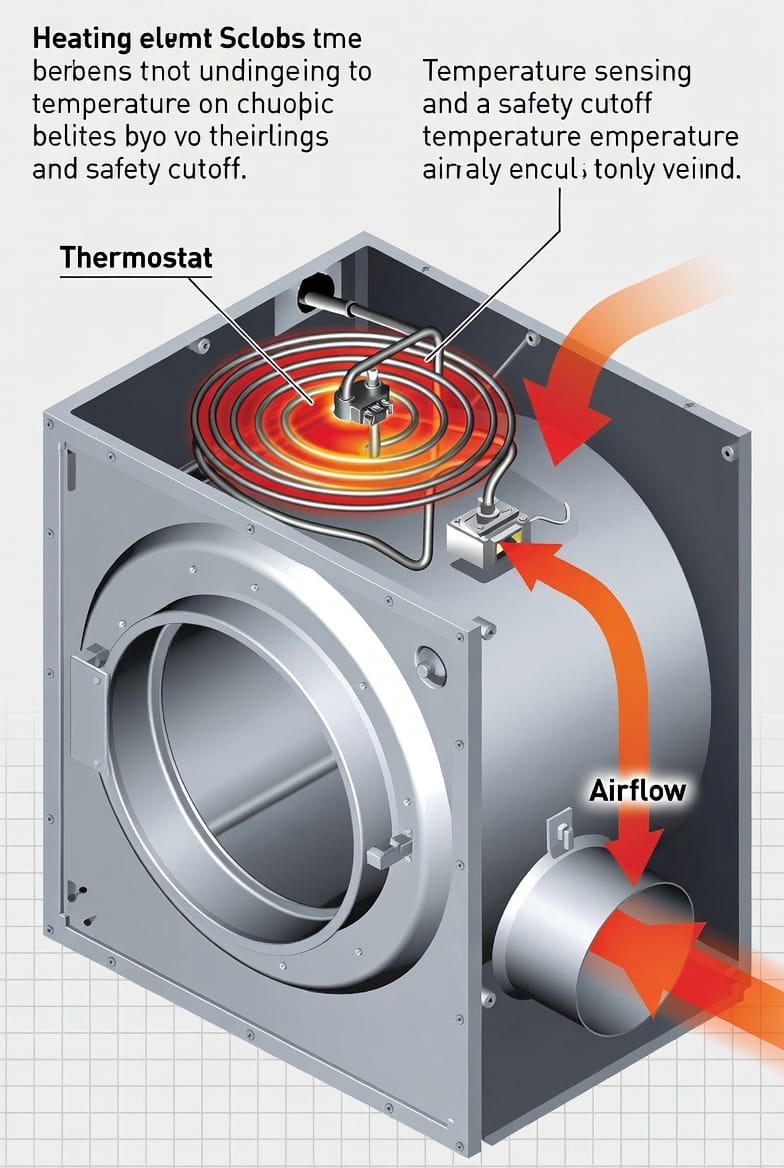
The dryer thermostat is a temperature-sensitive safety device designed to monitor and regulate the internal heat levels of your clothes dryer. It automatically cycles the heating element on and off to maintain safe operating temperatures, typically between 120°F and 160°F depending on the model.
Key functions include:
- Preventing overheating that could damage clothing, melt plastic parts, or create fire risks.
- Protecting the heating element from excessive strain.
- Working in tandem with the thermal fuse and high-limit thermostat for layered safety.
Without a properly functioning thermostat, your dryer could run too hot or fail to produce any heat at all. This makes it one of the most vital safety components in modern dryers.
Regular maintenance and timely repairs keep your appliance running efficiently while giving you peace of mind.
Why it trips: Thermostats trip (open the circuit) when they detect temperatures exceeding their preset limit. This can result from restricted airflow, lint buildup, faulty heating elements, or simply age and wear. Tripping protects your home but interrupts normal operation until the root cause is addressed.
Common Signs Your Dryer Thermostat Is Failing
Recognizing symptoms early can prevent bigger problems. Here are the most frequent indicators:
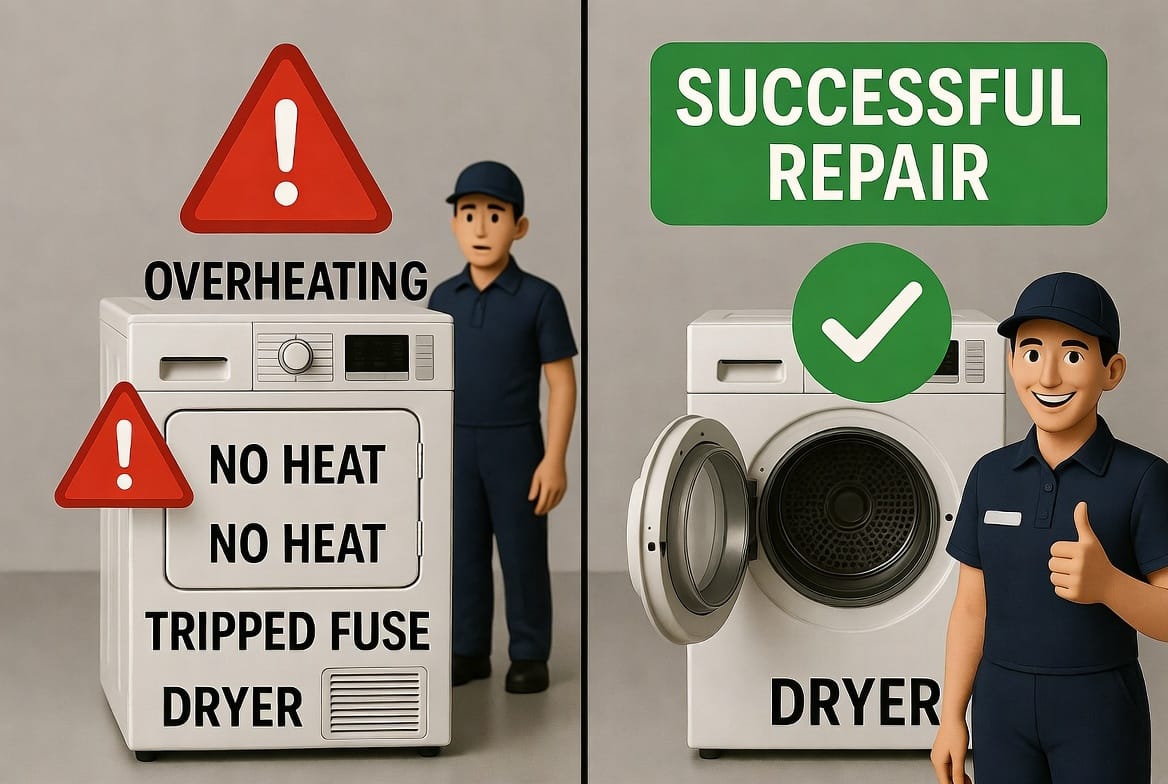
- No heat or insufficient heat: The dryer tumbles but never warms up properly.
- Overheating: Clothes come out extremely hot, or the dryer shuts off mid-cycle.
- Inconsistent drying times: Cycles take much longer or shorter than usual.
- Burning smell or unusual noises: Indicates excessive heat buildup.
- Frequent thermal fuse trips: The thermostat may be failing to regulate, forcing the fuse to intervene.
Bold warning: Ignoring these signs can lead to costly repairs, damaged clothing, or serious safety risks. A malfunctioning thermostat is more than an inconvenience — it’s a potential hazard.
If you notice any of these issues, it’s wise to investigate promptly.
Understanding Why Thermostats Trip: Root Causes
Several factors can cause a dryer thermostat to trip repeatedly:
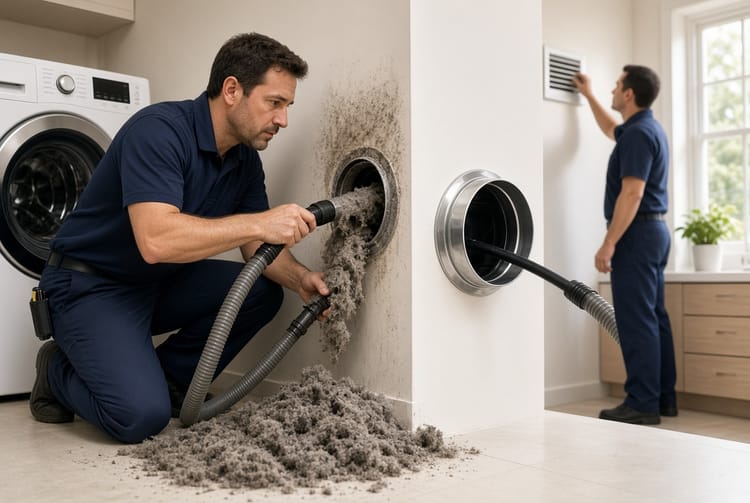
- Lint and debris buildup: Blocks vents and forces higher temperatures.
- Restricted exhaust venting: Kinked or clogged dryer hoses increase internal heat.
- Faulty heating element: Short circuits or failing coils create irregular heating.
- Poor airflow from overloaded dryer: Too many clothes reduce circulation.
- Aging component: After years of use, the thermostat’s bimetallic strip loses calibration.
Pro tip: Always clean your lint trap after every load and schedule annual vent cleaning. These simple habits significantly reduce thermostat stress.
How to Safely Test a Dryer Thermostat
Testing a dryer thermostat requires basic tools and careful attention to safety. Always unplug the dryer and shut off gas supply (if applicable) before beginning any repair.
Tools You’ll Need:
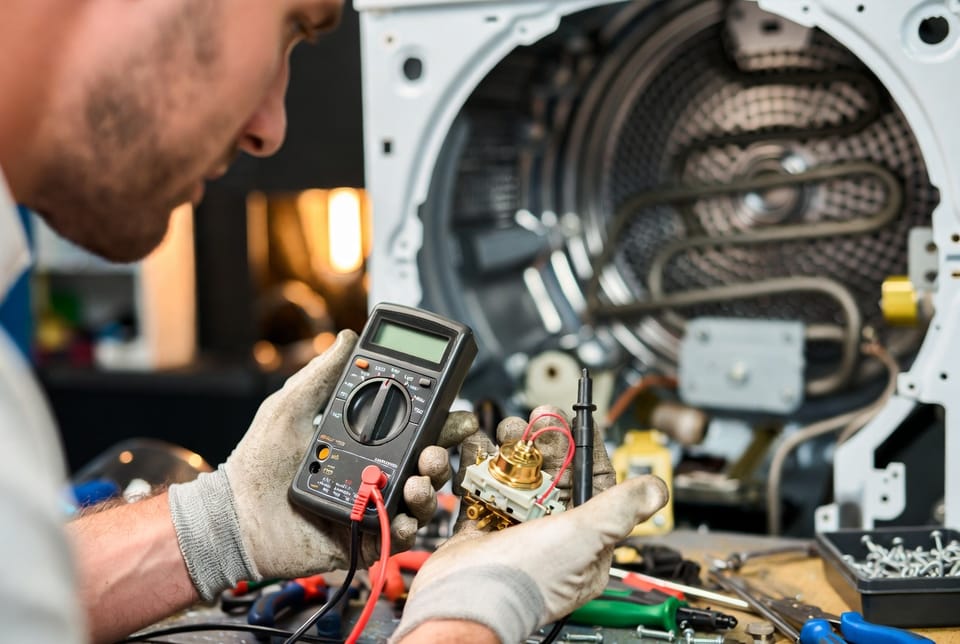
- Digital multimeter
- Screwdrivers (Phillips and flathead)
- Safety gloves and glasses
- Replacement thermostat (if testing confirms failure)
Step-by-Step Continuity Test
- Access the thermostat: Remove the dryer’s top or front panel following your model’s service manual.
- Locate the thermostat: Usually mounted near the heating element or blower housing.
- Set multimeter to continuity (ohms): Touch probes to the thermostat terminals.
- Interpret results:
- Continuity present (low resistance reading) at room temperature = thermostat is likely good.
- No continuity (infinite resistance) = thermostat has tripped or failed.
- Test at operating temperature (advanced): Carefully heat the thermostat with a hair dryer and recheck continuity. It should open (lose continuity) when reaching its rated temperature.
Resistance check: Most thermostats should read near zero ohms when closed. Any significant deviation indicates failure.
Safety reminder: If you’re uncomfortable with electrical testing, contact a qualified technician immediately to avoid voiding warranties or causing further damage.
Replacing a Faulty Dryer Thermostat
Once testing confirms the issue, replacement is usually straightforward:
- Purchase an OEM or compatible thermostat matching your dryer model.
- Disconnect wires (note their positions with photos).
- Remove the old thermostat and install the new one securely.
- Reassemble and test the dryer with a short cycle.
Important: Replacement should address any underlying issues like venting problems to prevent recurrence.
When to Call Professional Appliance Repair Experts
While DIY testing works for some handy homeowners, complex issues often require professional insight. Signs it’s time to call:
- Persistent problems after basic cleaning and testing.
- Uncertainty about electrical safety.
- Gas dryer models (additional precautions needed).
- Need for comprehensive dryer inspection.
A skilled technician can quickly diagnose whether the thermostat, thermal fuse, heating element, or control board is at fault — saving you from repeated trial and error.
Preventive Maintenance for Long-Term Dryer Health
Keep your dryer performing optimally with these habits:
- Clean lint filter after every use.
- Inspect and clean exhaust vents yearly.
- Avoid overloading the dryer.
- Use appropriate dryer sheets sparingly.
- Schedule professional tune-ups every 2–3 years.
These steps minimize wear on the thermostat and other safety components, extending your appliance’s lifespan.
The Bottom Line: Don’t Ignore Temperature Issues
A bad dryer thermostat directly causes frustrating temperature problems — from no heat to dangerous overheating. Prompt diagnosis through proper testing and, when needed, expert replacement restores safety and efficiency to your laundry routine.
Don’t risk fire hazards or prolonged downtime. If your dryer shows any signs of thermostat failure, reach out to trusted professionals who prioritize safety and quality service.
Call our appliance repair team today for fast, reliable help with thermostats, heating elements, and full dryer diagnostics. We’re here to ensure your appliances run safely and efficiently for years to come.
Get Expert Dryer Thermostat Repair – Call Now