The Door and Window Contact Sensors: Types, Placement, and Troubleshooting
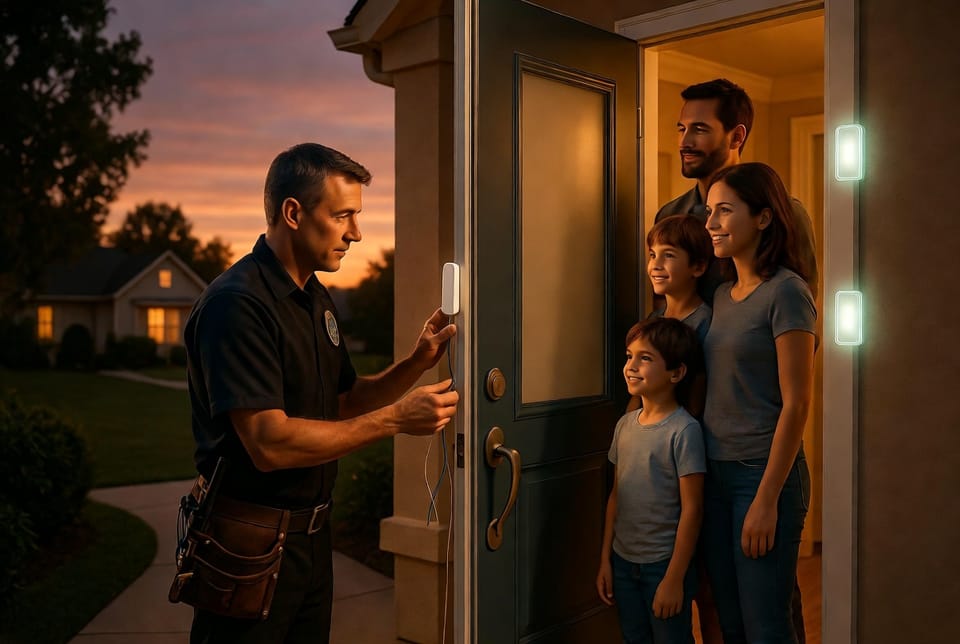
In today’s world, home security starts with the basics. Door and window contact sensors remain one of the most reliable and widely used components in any modern security system. These small yet powerful devices quietly monitor every entry point, alerting you the moment someone opens a door or window. Whether you are upgrading an existing alarm or building a new system from the ground up, understanding contact sensors is essential for effective protection.
Get Professional Contact Sensor Installation – Call Now
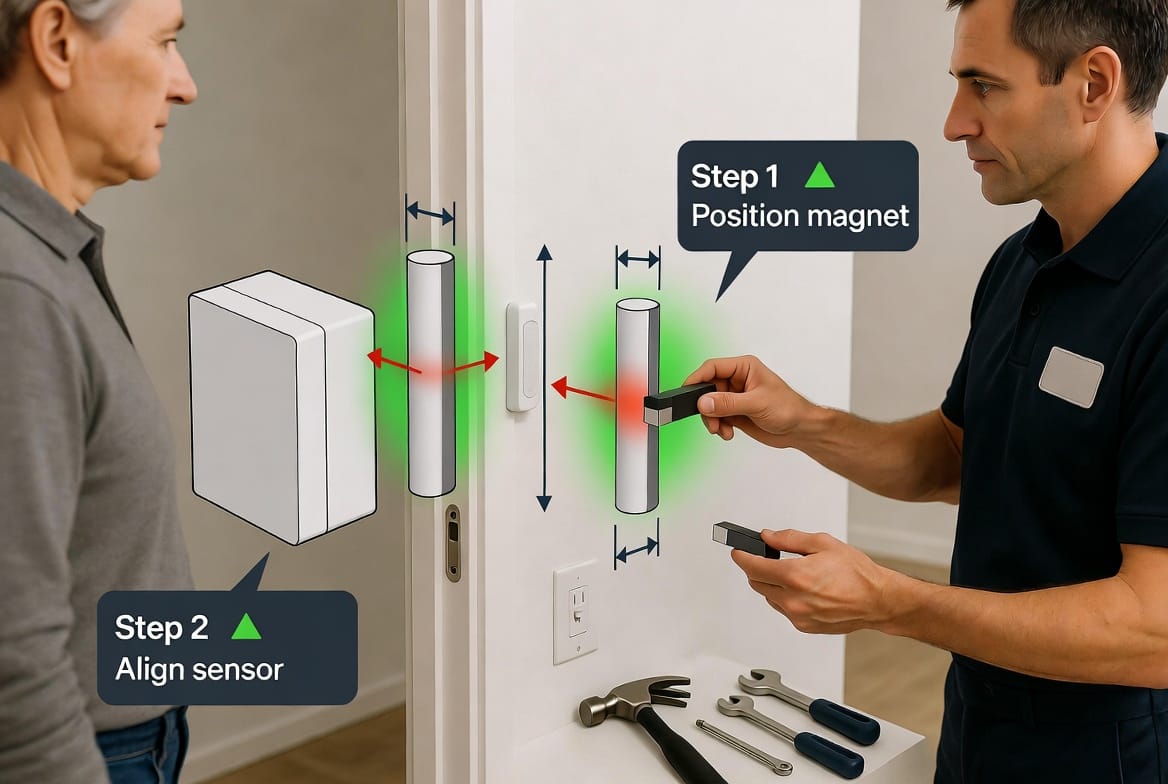
These sensors work on a simple but proven principle: a magnet and a reed switch stay in close alignment when the door or window is closed. The moment they separate, the circuit breaks and the system registers an event. Simple in design, yet incredibly effective when installed correctly. Homeowners who invest in quality door contact sensors and window sensors gain round-the-clock awareness without sacrificing convenience or aesthetics.
This comprehensive guide walks you through the three most common types of contact sensors, their ideal placement strategies, and proven troubleshooting techniques. By the end, you will feel confident selecting, positioning, and maintaining these essential devices—knowing your home is protected by technology you can trust.
What Are Door and Window Contact Sensors and Why Do They Matter?
Door and window contact sensors serve as the first line of defense in any residential security setup. They detect unauthorized entry instantly, giving you and your monitoring center precious seconds to respond. Unlike motion detectors that can be triggered by pets or moving curtains, contact sensors only activate when an actual opening occurs.
When properly installed, these sensors deliver reliable entry detection with minimal false alarms. They integrate seamlessly with both wired and wireless alarm panels, providing instant notifications via smartphone apps, sirens, or professional monitoring services. Families across the country rely on them daily to protect children, valuables, and peace of mind.
Choosing the right sensor type and placement makes the difference between a system that works flawlessly and one that leaves gaps. The following sections break down everything you need to know.
Exploring the Different Types of Contact Sensors
Three primary categories dominate today’s market: surface mount, recessed, and wireless contact sensors. Each offers distinct advantages depending on your home’s architecture, wiring preferences, and aesthetic requirements.
Surface Mount Contact Sensors
Surface mount sensors are the most common and easiest to install. Mounted directly onto the door or window frame and the moving panel, they remain visible yet discreet when painted to match your trim. Their larger size allows for stronger magnets and more robust reed switches, making them highly reliable even in high-traffic areas.
Homeowners love surface mount options for quick DIY projects or professional upgrades. Installation takes minutes with simple screws, and they work exceptionally well on metal, wood, or vinyl frames. Because they sit on the surface, technicians can easily access them for battery changes or adjustments—saving time and reducing maintenance costs over the years.
Key benefits include durability in all weather conditions, strong signal range, and straightforward troubleshooting. If you want maximum reliability with minimal fuss, surface mount door contact sensors often prove the smartest starting point.
Recessed Contact Sensors
For homeowners who prefer a completely hidden solution, recessed contact sensors disappear inside the door or window frame. Drilled holes conceal both the magnet and the sensor body, leaving only tiny, nearly invisible ends visible. These sensors deliver the same outstanding performance while preserving your home’s clean architectural lines.
Installation requires more skill—precise drilling and careful alignment—but the results are worth it. Recessed models excel in high-end homes, historic properties, or anywhere visible hardware would clash with décor. They resist tampering because intruders rarely notice them, adding an extra layer of stealth security.
Although slightly more expensive upfront, recessed window sensors and door versions pay dividends in long-term satisfaction and property value.
Wireless Contact Sensors
Wireless contact sensors have revolutionized home security by eliminating the need for running wires through walls. Battery-powered and communicating via radio frequency, these compact units install anywhere without professional drilling or fishing cables.
Modern wireless models feature long battery life—often lasting 3–5 years—plus encrypted signals that resist hacking attempts. They pair effortlessly with today’s smart security hubs, allowing remote arming, real-time alerts, and integration with cameras and smart locks.
Perfect for renters, apartments, or homes where running wires is impractical, wireless door and window sensors deliver professional-grade protection with homeowner-friendly convenience. Their flexibility makes them ideal for expanding an existing system or protecting additional outbuildings and garages.
Ideal Placement Strategies for Maximum Effectiveness
Proper placement determines whether your sensors detect every breach or miss critical openings. Follow these proven guidelines for optimal performance.
- Focus on all exterior doors first—front, back, garage, and patio sliders receive priority.
- Position sensors at the top corner of the moving panel whenever possible; this location offers the strongest magnetic connection and resists accidental knocks.
- Maintain a gap of no more than ¼ inch between the magnet and sensor when closed for reliable contact.
- Install on every operable window, especially ground-floor and basement units that represent common entry points for intruders.
- Use multiple sensors on double doors or wide sliding glass doors to ensure full coverage.
- Avoid placement near heavy metal objects that could interfere with the magnetic field.
- Test every sensor immediately after installation by opening and closing the door or window while the system is in test mode.
When aligned correctly, these sensors provide instant, accurate detection you can count on. Professional installers often combine different types—surface mount on doors and recessed on windows—to balance visibility, security, and aesthetics.
Common Problems and Proven Troubleshooting Techniques
Even the best door and window contact sensors occasionally need attention. Understanding common failure causes empowers you to restore protection quickly and confidently.
Most issues fall into four categories: alignment problems, power issues, physical damage, and environmental interference. Here is your complete troubleshooting checklist:
- Check the gap between magnet and sensor—anything wider than ¼ inch can cause false alarms or missed detections.
- Clean the contact points gently with a dry cloth to remove dust or debris that may interrupt the circuit.
- Test the battery in wireless models and replace it at the first sign of low power warnings.
- Inspect for physical damage such as cracked housings or bent mounting brackets caused by doors slamming.
- Verify alignment visually and with your system’s test mode after any seasonal temperature changes that can cause slight frame shifting.
- Reset the sensor by removing and reinserting the battery or power cycling the entire panel when communication errors appear.
- Examine nearby metal objects or large appliances that might weaken the magnetic field over time.
When you address these issues promptly, your sensors return to peak performance almost immediately. Many homeowners discover that simple maintenance performed twice a year prevents 95 % of all sensor-related service calls.
For persistent problems, professional diagnosis ensures the root cause—whether wiring, interference, or component failure—is resolved correctly the first time.
Maintenance Tips for Long-Term Reliability
Consistent care keeps your contact sensors performing at their best for years. Schedule a quick visual inspection every six months. Wipe down housings, confirm secure mounting, and note any changes in door or window operation that might affect alignment. Wireless units benefit from fresh batteries on a predictable schedule, while wired models appreciate occasional wiring checks for wear or loose connections.
The Benefits of Professional Installation and Support
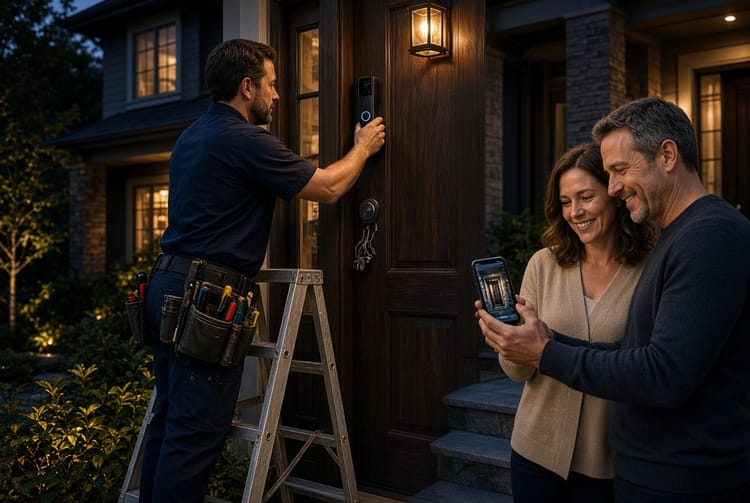
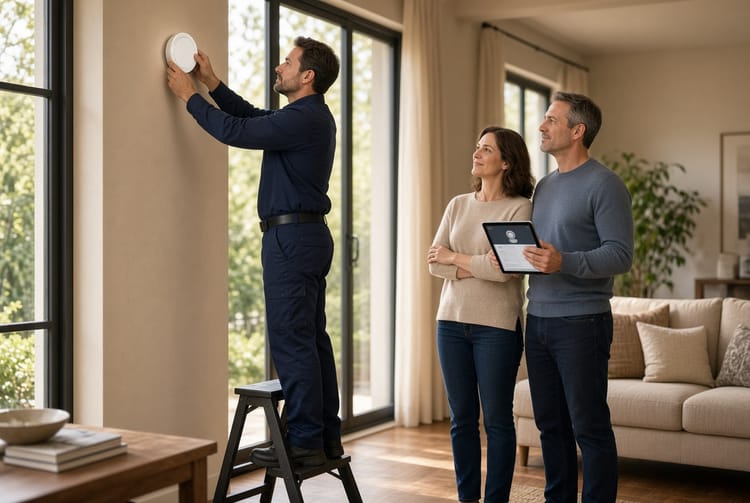
While many sensors install easily, professional technicians ensure flawless integration with your full home security system. Experts select the perfect sensor type for each opening, achieve precise alignment, and program everything correctly from day one. They also provide ongoing support, firmware updates, and rapid response when issues arise.
Reliable Entry Detection for Every Opening
Door and window contact sensors deliver dependable, unobtrusive protection that homeowners trust every single day. By understanding the available types, following ideal placement guidelines, and applying straightforward troubleshooting steps, you maintain a security system that works exactly as intended—quietly standing guard so you can rest easy.
Ready to upgrade or troubleshoot your current sensors? Our experienced team specializes in fast, professional installation and service that gives you complete confidence in your home’s protection.
Secure Every Door & Window – Call for Expert Installation