The Dental Sealant for Adults: Protection Beyond Childhood
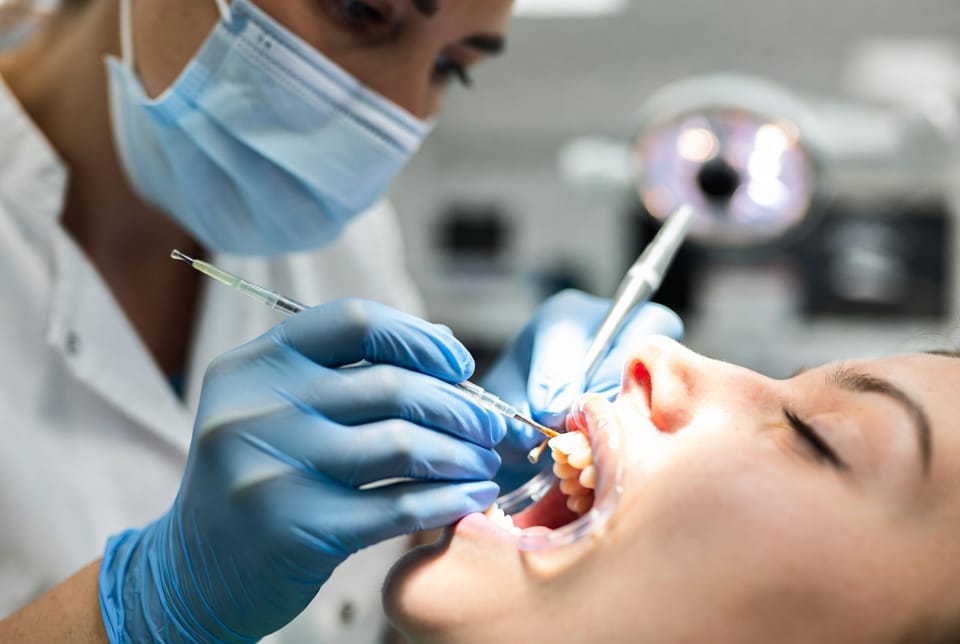
Many people still believe dental sealants are only for children. That idea is outdated. Adults face the same chewing-surface risks that kids do—sometimes even greater ones. Deep grooves, high cavity risk, and age-related changes can leave permanent teeth vulnerable long after the childhood years. Dental sealants for adults offer a simple, proven layer of defense that can stop decay before it starts.
Get Lasting Cavity Protection – Book Now
This protective coating has protected millions of teeth for decades. When applied correctly, it creates a smooth barrier over the pits and fissures where food and bacteria love to hide. The result is stronger chewing surfaces and fewer unexpected dental visits. In the pages that follow you will learn exactly what sealants are, why adults benefit, how the quick application works, and who gains the most from this quiet but powerful form of prevention.
What Dental Sealants Actually Are
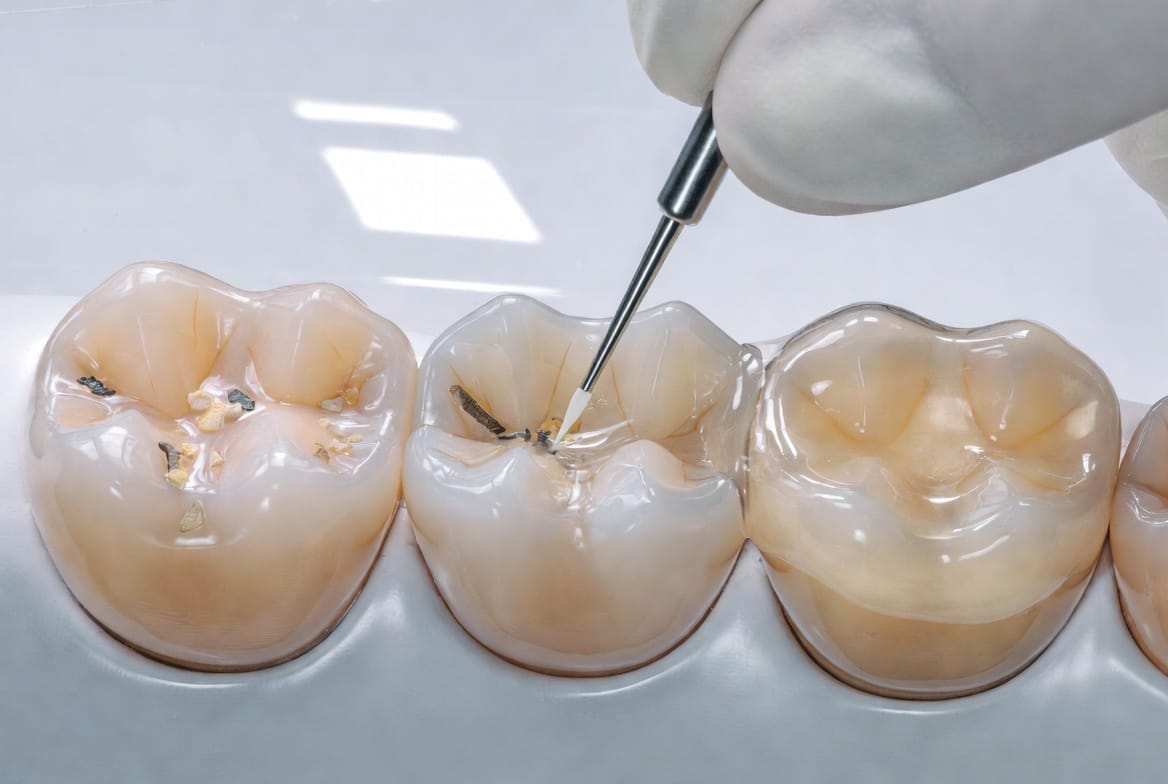
A dental sealant is a thin, plastic-like coating painted onto the chewing surfaces of the back teeth—mainly the molars and premolars. These teeth contain natural deep grooves and pits that a toothbrush cannot always reach. Even careful brushers leave microscopic residue behind. Over time that residue feeds bacteria, producing acid that softens enamel and forms cavities.
The sealant material flows into those grooves, bonds tightly to the enamel, and hardens into a durable shield. Once cured, the surface becomes easier to clean and far less inviting to decay-causing bacteria. Modern sealants are clear or tooth-colored, so they blend naturally. They contain no mercury, no metal, and no invasive drilling. The coating is purely protective.
Think of it as a custom raincoat for the most vulnerable parts of your teeth. Raincoats keep water out; sealants keep plaque and food particles out. The difference is that this “raincoat” lasts for years with proper care and can be reapplied if wear occurs.
Why Adults Still Need Sealants
Childhood is not the only stage of life when teeth are at risk. Adult mouths change. Enamel can thin slightly with age. Saliva production may decrease. Medications, stress, and busy schedules can raise cavity risk. Many adults also retain the same deep grooves they had as teenagers. Those grooves never fill in on their own.
Consider these common adult situations:
- Patients who never received sealants as children
- Adults with naturally deep fissures that collect debris
- People with a history of multiple cavities
- Older adults experiencing dry mouth from medications or medical conditions
- Individuals whose diets include frequent snacks or acidic drinks
In each case the chewing surfaces remain exposed. A single sealed molar can block years of potential decay. Studies and clinical experience show that sealants reduce cavity formation on treated surfaces by a significant margin. For adults, that margin translates into fewer fillings, less drilling, and lower long-term costs.
High cavity risk does not disappear at age eighteen. It simply changes form. Sealants meet that risk head-on without altering the natural tooth structure.
The Simple Application Process
The procedure is fast, painless, and completed in a single visit for most patients. Here is the step-by-step sequence used in professional offices:
- The tooth is thoroughly cleaned to remove plaque and debris.
- The surface is gently etched with a mild solution that creates microscopic texture for better bonding.
- The tooth is rinsed and dried completely.
- The liquid sealant is painted precisely into the grooves.
- A special curing light is directed at the material for a few seconds, hardening it instantly.
- The dentist checks the bite and makes any tiny adjustments needed for comfort.
The entire process for one tooth often takes less than ten minutes. No anesthesia is required because the enamel is not drilled or removed. Patients feel only light pressure and the brief warmth of the curing light. Immediately afterward they can eat, drink, and return to normal activities.
Bonding is the key scientific step. The etched enamel and the sealant form a mechanical and chemical lock that resists everyday chewing forces. When the light cures the material, it cross-links into a tough, smooth film that can last five to ten years or longer with regular dental check-ups.
Who Benefits Most from Adult Sealants
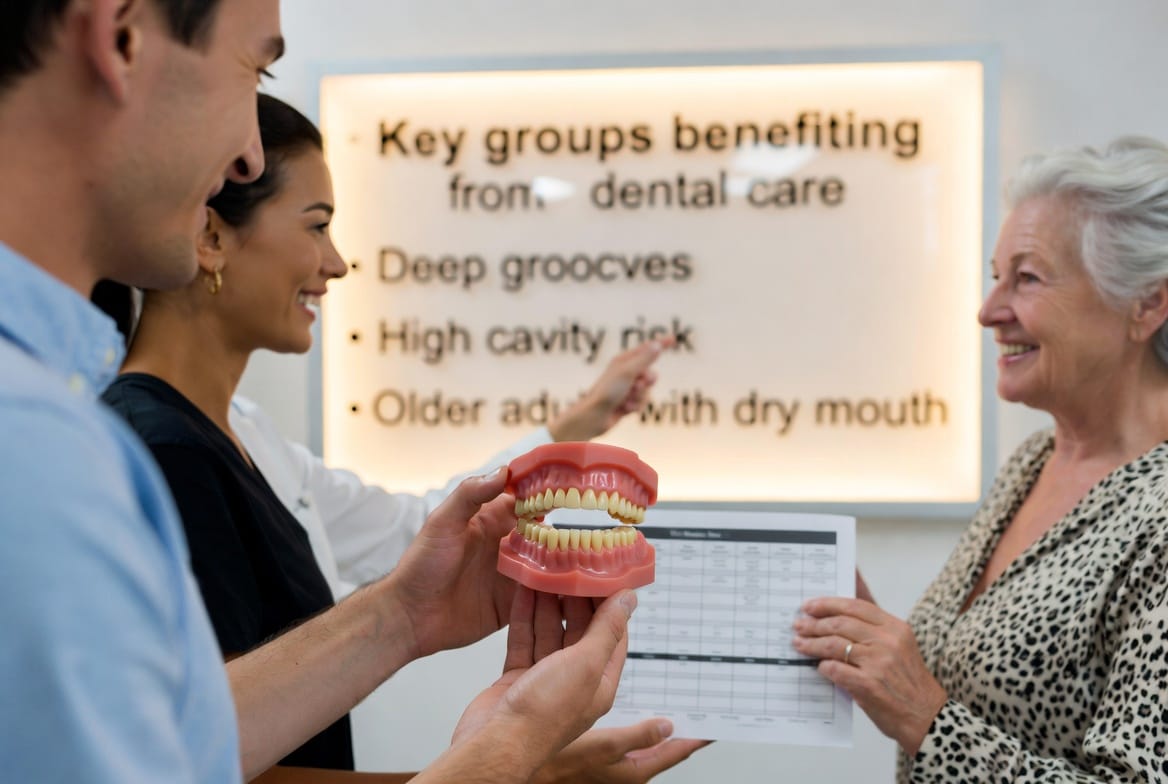
Not every adult requires sealants on every tooth, yet certain groups gain clear advantages. The decision is always individualized after a thorough examination, but these profiles commonly qualify:
- Adults whose molars still show deep grooves that trap food
- Patients carrying a high cavity risk due to past decay patterns
- Older adults dealing with reduced saliva flow or dry mouth
- People preparing for orthodontic treatment who want extra protection
- Individuals with limited manual dexterity who find thorough brushing difficult
Dry mouth deserves special mention. Saliva is nature’s cleanser and buffer. When medications, radiation therapy, or aging reduce saliva, the mouth becomes more acidic and plaque accumulates faster. Sealants act as a physical barrier precisely where that risk is highest.
A quick conversation with your dental team reveals whether sealants fit your situation. Digital X-rays and visual inspection of groove depth help determine the best candidates. The goal is always targeted protection, never unnecessary treatment.
Long-Term Advantages and Realistic Expectations
Once in place, sealants deliver quiet, continuous defense. They do not replace daily brushing and flossing; they complement them. The smooth surface makes plaque removal easier and reduces the places bacteria can colonize. Many patients notice that their back teeth feel cleaner after meals.
Longevity varies with individual habits. Hard chewing, grinding, or very acidic diets can wear the coating faster. Regular six-month check-ups allow the dentist to inspect the sealants and repair any small areas of wear. Reapplication is straightforward and usually less involved than the original placement.
Cost is another practical benefit. Preventing a cavity is almost always less expensive than treating one. A sealed tooth avoids the need for fillings, crowns, or more complex restorative work later. Insurance plans increasingly recognize adult sealants as a preventive service, though coverage details differ. Your dental office can verify benefits before treatment begins.
Addressing Common Concerns
Some adults worry that sealants might feel bulky or affect their bite. In reality the layer is only a fraction of a millimeter thick. After curing and polishing, most people cannot detect any difference. Others wonder about safety. Contemporary sealants are thoroughly tested materials that have been used safely for generations. They release no harmful substances under normal conditions.
A frequent question is whether sealants can be placed over existing small fillings. In many cases yes, provided the filling is sound and the surrounding enamel is healthy. The dentist evaluates each tooth individually. Sealants are never used as a substitute for treating active decay; any existing cavity must be restored first.
Integrating Sealants into a Complete Oral-Health Plan
Sealants shine brightest when paired with other preventive habits. Twice-daily brushing with fluoride toothpaste, daily flossing, limited sugary snacks, and routine professional cleanings create a strong foundation. Fluoride varnish or prescription-strength toothpaste can further strengthen enamel for high-risk patients. Sealants simply close the final vulnerable pathway on the chewing surfaces.
Lifestyle factors also matter. Smoking, frequent soda consumption, and mouth breathing can elevate cavity risk. Addressing those elements multiplies the protective power of the sealant. Your dental team can offer personalized coaching on these points during the same visit in which sealants are applied.
The Appointment Experience
Scheduling is straightforward. Most offices complete the evaluation and application in under an hour. You remain fully awake and comfortable. Afterward the dentist provides simple care instructions: avoid extremely hard or sticky foods for the first day if advised, and continue normal oral hygiene. Follow-up visits allow monitoring of the sealants’ integrity.
Patients often leave surprised by how quick and uneventful the process felt. Many remark that they wish they had known about adult sealants earlier. That sense of proactive control is one of the quiet rewards of this treatment.
Looking Ahead: Lifelong Protection
Teeth are meant to last a lifetime. Dental sealants for adults help make that possible by shielding the surfaces that face the greatest daily stress. Whether you are in your thirties with deep natural grooves, your fifties managing dry mouth, or any age with elevated cavity risk, the coating offers a reliable, non-invasive solution.
The science is clear, the procedure is simple, and the benefits accumulate year after year. Protection beyond childhood is no longer a distant idea—it is available today in modern dental offices.
Stop Cavities Before They Start – Call Now