The Dental Hygiene Routine: Brushing, Flossing, and Rinsing
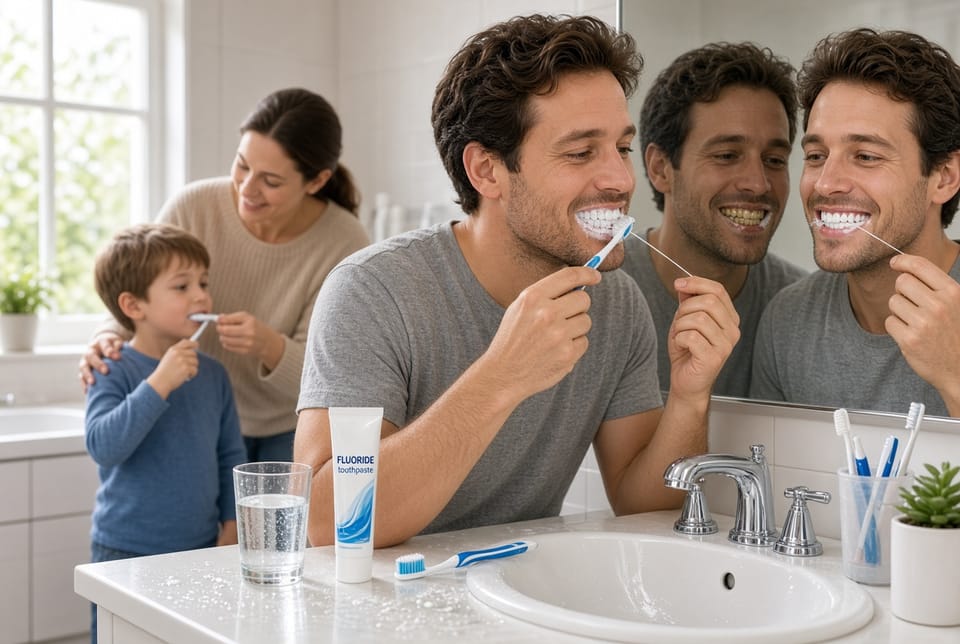
A strong dental hygiene routine forms the foundation of lifelong oral health. Many people underestimate how a few simple daily actions can protect teeth, gums, and overall well-being. When performed correctly and consistently, brushing, flossing, and rinsing remove plaque, prevent cavities, reduce gum inflammation, and keep breath fresh. This guide explains the essential habits in clear detail so you can build confidence and achieve lasting results.
Call Now for Expert Dental Hygiene Guidance
Why a Daily Dental Hygiene Routine Matters
Neglecting oral care allows plaque to harden into tartar within 24 to 48 hours. Plaque is a sticky film of bacteria that feeds on sugars and produces acids that erode enamel. Over time, this process leads to tooth decay, gingivitis, and more serious periodontal disease. Research consistently shows that people who maintain a thorough routine experience fewer dental visits for restorative work and enjoy better systemic health links, including reduced inflammation markers associated with heart health.
The good news is that excellence requires only modest daily effort. Two minutes of focused brushing twice a day, combined with daily flossing and a proper rinse, creates a powerful defense. These steps work together: brushing cleans the surfaces, flossing reaches the tight spaces between teeth, and rinsing washes away residual particles while delivering protective ingredients. Consistency turns these actions into an automatic habit that delivers visible improvements in just a few weeks.
Proper Brushing Technique: The Two-Minute Foundation
Effective brushing begins with the right tools and timing. Choose a soft-bristle toothbrush. Hard bristles can wear away enamel and irritate gums, while soft bristles flex gently into the gumline without damage. Electric toothbrushes with pressure sensors offer an excellent alternative for those who prefer powered assistance, but a manual brush works equally well when technique is precise.
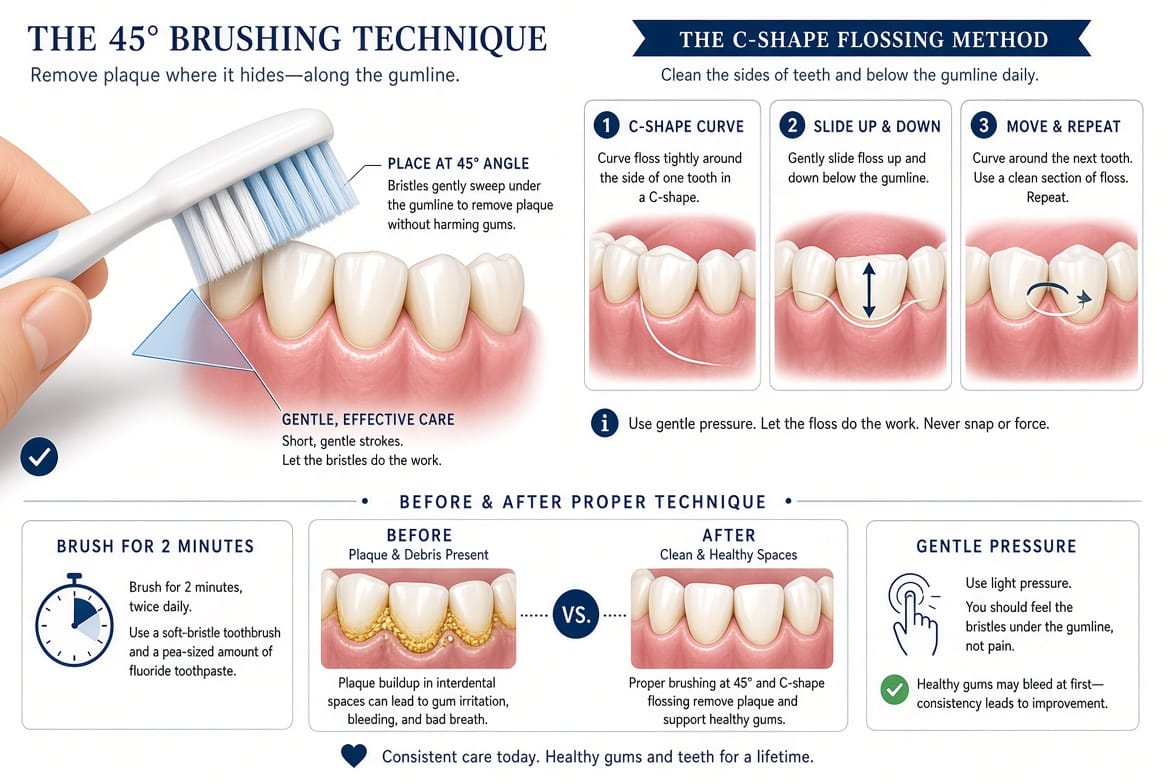
Hold the brush at a 45-degree angle toward the gumline. This angle allows the bristles to sweep under the gingival margin where plaque accumulates most heavily. Use short, gentle strokes or small circular motions. Avoid aggressive back-and-forth scrubbing, which can cause recession and sensitivity. Cover every surface: outer, inner, and chewing surfaces of both upper and lower teeth. Spend at least 30 seconds on each quadrant of the mouth to reach the full two-minute recommendation.
Many people rush and finish in under a minute. Setting a timer or using a toothbrush with a built-in two-minute indicator removes guesswork. Divide the mouth into four sections and give each equal attention. For the inner surfaces of front teeth, tilt the brush vertically and use up-and-down strokes. Tongue brushing completes the process; a clean tongue reduces bacteria that contribute to bad breath.
Brush twice daily—once in the morning and once before bed. Nighttime brushing is especially critical because saliva flow decreases during sleep, allowing bacteria to multiply more freely. After brushing, rinse the brush thoroughly and store it upright in open air so it can dry completely between uses.
Mastering Daily Flossing: Reaching What the Brush Misses
Flossing removes plaque and food particles from the 40 percent of tooth surfaces that a brush cannot reach. Skipping this step leaves interdental areas vulnerable to decay and gum disease. The ideal frequency is once every day, preferably in the evening so the mouth stays clean overnight.
Use about 18 inches of floss. Wrap the ends around the middle fingers of each hand, leaving a two-inch working section. Guide the floss gently between teeth using a soft sawing motion. Never snap it down onto the gums. Once the floss reaches the gumline, curve it into a C-shape around one tooth. Slide it up and down several times, extending slightly below the gumline. Then curve the same section around the neighboring tooth and repeat. Advance to a clean section of floss for each new space to avoid transferring bacteria.
People with tight contacts or bridges may prefer floss threaders, soft picks, or water flossers. These alternatives still deliver excellent results when used daily. The key principle remains the same: clean every interdental surface thoroughly. Bleeding gums during the first few days of consistent flossing is common and usually signals the presence of inflammation. Continued daily practice reduces bleeding within one to two weeks as gum health improves.
Many individuals stop flossing because it feels awkward at first. Practice in front of a mirror and focus on one quadrant at a time. Within a month the motion becomes natural and efficient, often taking less than two minutes for the entire mouth.
The Role of Mouthwash: Completing the Routine
Mouthwash, or rinsing, serves as the final step rather than the first. Using it before brushing can wash away beneficial fluoride from toothpaste. The correct sequence is brush, floss, then rinse. After completing the mechanical cleaning, swish the recommended amount of mouthwash for the time stated on the label—usually 30 to 60 seconds—then spit. Do not rinse with water afterward if the product contains fluoride; this allows the protective ingredients to remain on the teeth longer.
Choose a mouthwash that matches your needs. Antibacterial formulas help control plaque bacteria. Fluoride rinses strengthen enamel and reduce cavity risk. Alcohol-free options suit those with dry mouth or sensitivity. Therapeutic rinses prescribed by a dental professional address specific concerns such as gingivitis. Over-the-counter products labeled “ADA Accepted” have undergone independent review for safety and efficacy.
Rinsing reaches areas that brushing and flossing may miss and leaves a clean, fresh sensation that reinforces the habit. It is not a substitute for the mechanical removal of plaque, but it multiplies the benefits of a complete routine.
Building Consistency and Avoiding Common Pitfalls
The most effective dental hygiene routine is the one you actually perform every day. Place the toothbrush, floss, and mouthwash in a visible location. Pair the habit with an existing daily cue, such as after breakfast or while watching the evening news. Tracking progress on a simple calendar for the first 21 days helps lock the behavior into place.
Common mistakes include using a worn toothbrush (replace every three to four months or sooner if bristles fray), applying excessive pressure, neglecting the gumline, and flossing only when food is stuck. Another frequent error is rinsing immediately after brushing with water, which dilutes fluoride. Spitting excess toothpaste without a full water rinse preserves more protective benefit.
Children need age-appropriate guidance. Parents should supervise brushing until age seven or eight and assist with flossing until the child develops sufficient dexterity. Older adults may benefit from larger-handled brushes or electric models if arthritis limits grip strength. Individuals with braces, implants, or bridges require specialized tools, yet the core principles of thorough cleaning remain unchanged.
Diet supports the routine. Limiting frequent sugar exposure reduces the fuel available to harmful bacteria. Drinking water throughout the day helps neutralize acids and stimulate saliva, the mouth’s natural cleansing system. Chewing sugar-free gum after meals can also increase saliva flow when brushing is not immediately possible.
Long-Term Benefits and Professional Partnership
People who follow a disciplined brushing, flossing, and rinsing routine notice clearer breath, smoother teeth, and healthier-looking gums within weeks. Over months and years, the cumulative effect dramatically lowers the risk of cavities, gum disease, tooth loss, and costly restorative procedures. Oral health also influences confidence in social and professional settings.
Home care works best when paired with professional oversight. A dental hygienist can remove hardened tartar that home tools cannot eliminate and identify early signs of problems before they progress. Regular checkups allow personalized advice on technique refinements and product recommendations tailored to individual risk factors.
Putting It All Together for Lasting Results
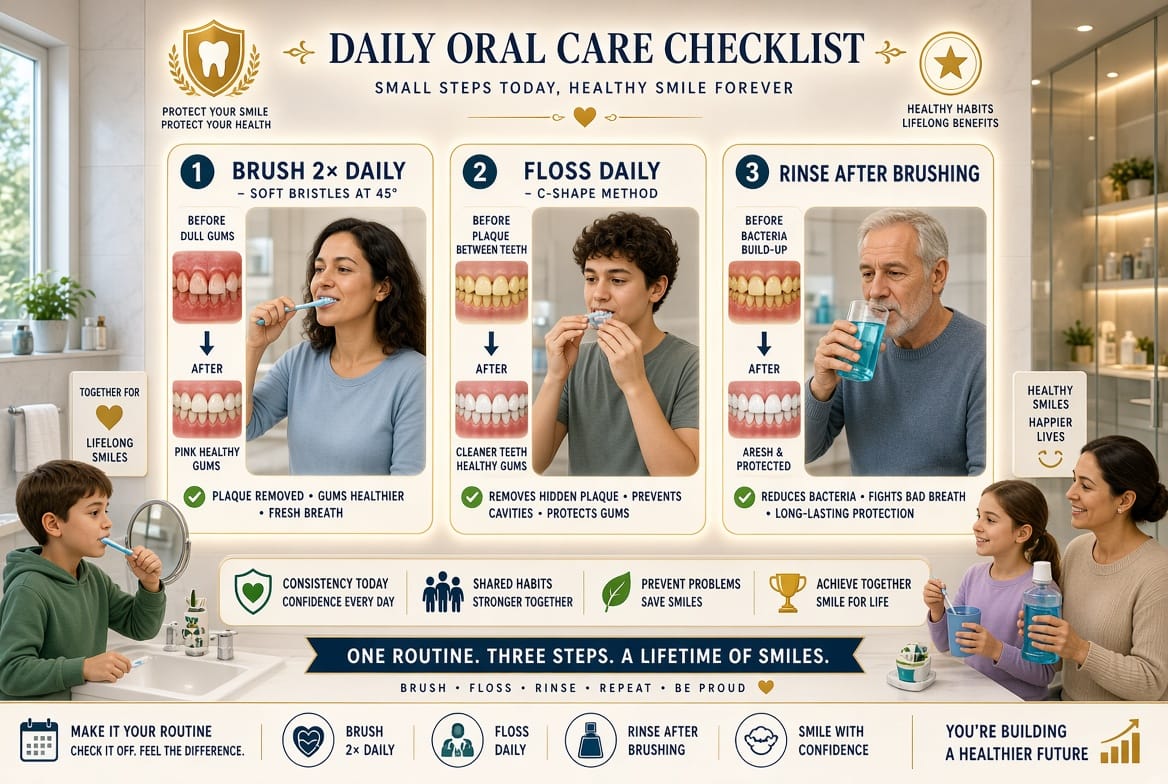
Start tonight. Set a two-minute timer, position the brush at 45 degrees, and methodically clean every surface. Follow with careful C-shape flossing around each tooth. Finish with a thorough rinse. Repeat the sequence tomorrow morning and every day thereafter. Small adjustments in technique produce outsized improvements in oral health.
Track how your mouth feels after one week, then after one month. Notice reduced bleeding, smoother surfaces, and fresher breath. These tangible rewards reinforce the habit far more effectively than abstract knowledge alone. If uncertainty remains about any step, a professional demonstration during a checkup provides immediate clarity.
The dental hygiene routine of brushing, flossing, and rinsing is both basic and essential. Mastery requires no expensive equipment or complicated schedules—only attention to detail and daily commitment. When these three actions become automatic, they deliver protection that lasts a lifetime.
Start Your Healthier Smile Journey – Call Now