The Dental Fear Management: Nitrous Oxide, Oral Sedation, or IV
Dental anxiety affects millions of people, often preventing them from seeking essential oral care. Modern sedation dentistry offers safe, effective solutions that transform fearful experiences into comfortable ones. Whether you need nitrous oxide, oral sedation, or IV sedation, understanding your options empowers you to make informed decisions for your dental health.
Get Comfortable Dental Care with Sedation – Call Now!
At our practice, we prioritize patient comfort and safety above all. This comprehensive guide compares the three primary sedation methods, helping you determine which approach best suits your needs.
Understanding Dental Anxiety and Why Sedation Matters
Dental fear is more common than many realize. It can stem from past experiences, sensitive gag reflexes, or even the sounds and sensations associated with dental procedures. The good news? Sedation dentistry has evolved significantly, offering customizable solutions that range from mild relaxation to deeper comfort.
Key benefits of choosing sedation include:
- Reduced anxiety and fear
- Better cooperation during treatment
- Ability to complete complex procedures in fewer visits
- Improved overall oral health outcomes
Choosing the right sedation level depends on your anxiety level, the procedure type, and your medical history. Let's explore the options in detail.
Minimal Sedation: Nitrous Oxide (Laughing Gas)
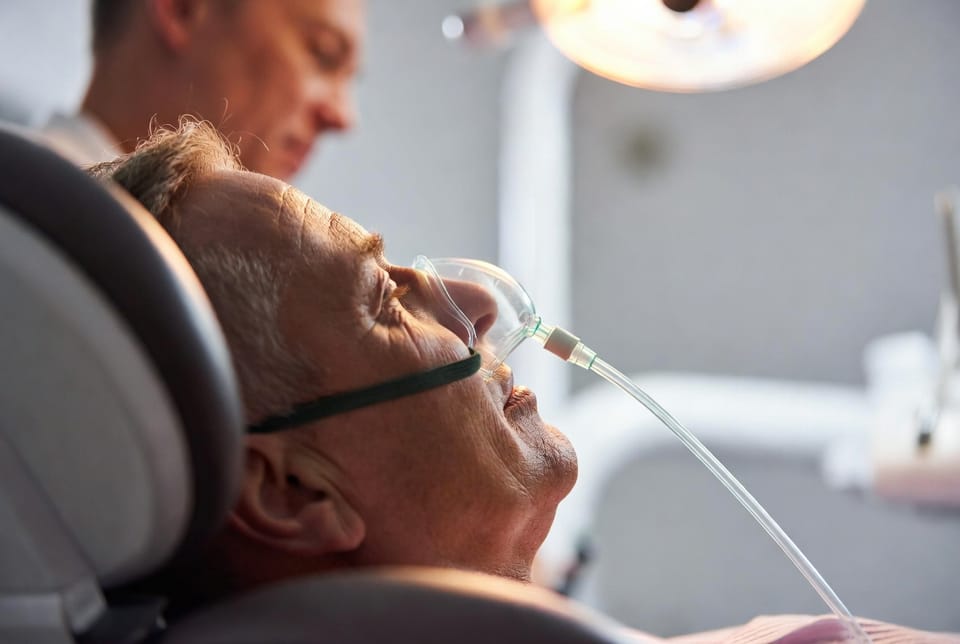
Nitrous oxide remains one of the most popular and accessible forms of dental sedation. Often called "laughing gas," it provides minimal sedation while keeping you conscious and responsive.
How Nitrous Oxide Works
You inhale a mixture of nitrous oxide and oxygen through a comfortable nasal mask. The gas takes effect within minutes, creating a pleasant, relaxed feeling. Many patients report feeling light, warm, and worry-free.
Advantages of nitrous oxide:
- Rapid onset – Works within 2-3 minutes
- Quick recovery – Effects wear off within 5-10 minutes after stopping the gas
- Adjustable – The level can be increased or decreased during treatment
- Safe for most patients – Including children and those with mild medical conditions
Ideal Candidates for Nitrous Oxide
This option works excellently for patients with mild to moderate dental anxiety, those undergoing shorter procedures, or individuals who want to drive themselves home afterward.
Recovery time: You can resume normal activities immediately after treatment, making it highly convenient.
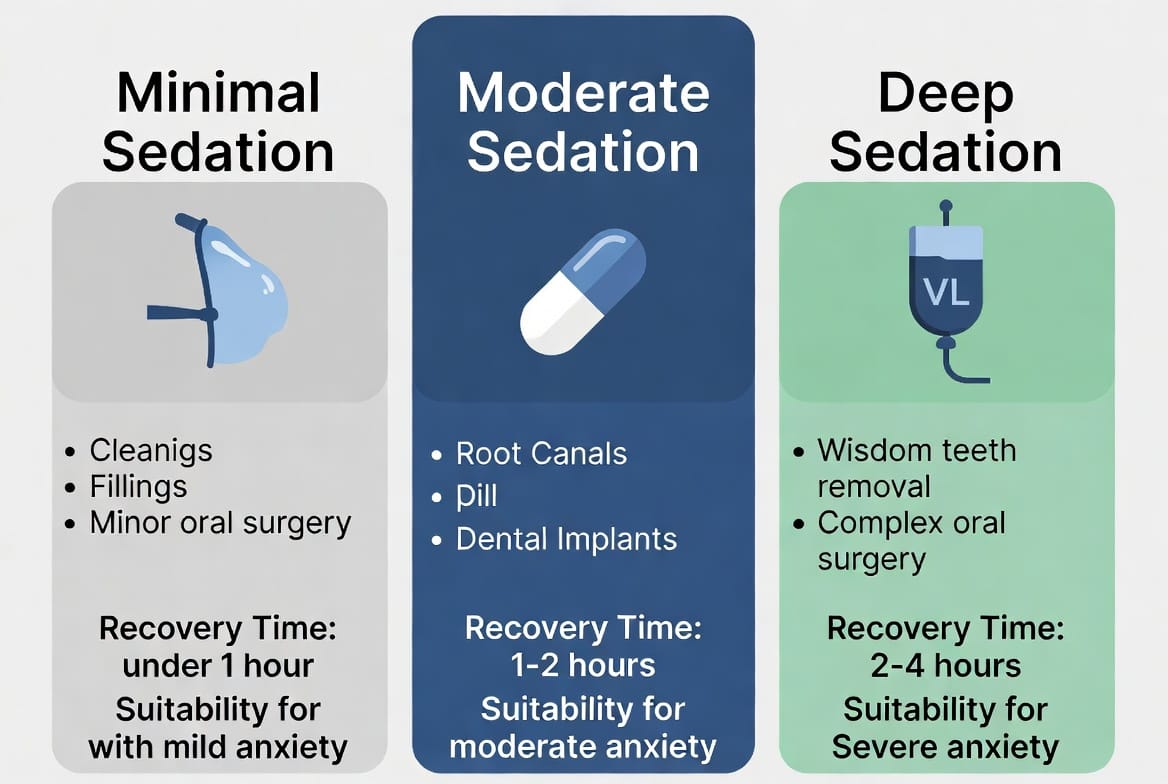
Moderate Sedation: Oral Sedation
Oral sedation involves taking a prescribed sedative pill before your appointment. This method produces moderate sedation, making you feel drowsy and deeply relaxed while remaining conscious.
What to Expect with Oral Sedation
Your dentist provides specific instructions about when to take the medication. Most patients feel calm and sometimes sleepy, with reduced awareness of the procedure. A local anesthetic ensures you feel no pain.
Key characteristics:
- Takes effect within 30-60 minutes
- Lasts 2-6 hours depending on dosage
- Amnesic effect – Many patients remember little about the procedure
- Requires a companion to drive you home
When Oral Sedation is Recommended
This level suits patients with moderate dental anxiety, longer procedures, or those who need multiple treatments completed in one visit.
Indications include:
- Fear of needles
- Sensitive gag reflex
- Moderate anxiety about dental sounds or sensations
- Need for extensive restorative work
Recovery considerations: Plan for rest after your appointment. Avoid driving or operating machinery for the remainder of the day. Most patients feel back to normal by the following morning.
Deep Sedation: IV Sedation
Intravenous (IV) sedation delivers medication directly into your bloodstream, allowing for precise control and deeper levels of sedation. This option is ideal for complex procedures or severe anxiety.
Understanding IV Sedation
A qualified professional inserts a small IV line, usually in your arm. Medication flows continuously, maintaining optimal comfort throughout treatment. You remain in a deeply relaxed state, often with little to no memory of the procedure.
Important benefits:
- Precise control – Effects can be adjusted in real-time
- Deeper relaxation – Perfect for extensive dental work
- Monitored safety – Vital signs continuously tracked by trained staff
- Efficient treatment – Multiple procedures can be completed comfortably
Ideal candidates include:
- Patients with severe dental phobia
- Individuals with strong gag reflexes
- Those requiring long or complex procedures (implants, extractions, full mouth rehabilitation)
- Patients with special needs or difficulty sitting still
- Anyone who has postponed dental care due to fear
Recovery time: Effects typically last several hours. You will need a responsible adult to accompany you home and stay with you for a few hours afterward. Most patients feel significantly better within 24 hours.
Comparing Sedation Options: Which is Right for You?
| Sedation Type | Consciousness Level | Onset Time | Recovery Time | Best For |
|---|---|---|---|---|
| Nitrous Oxide | Minimal | 2-3 minutes | 5-10 minutes | Mild anxiety, short procedures |
| Oral Sedation | Moderate | 30-60 minutes | 4-8 hours | Moderate anxiety, longer visits |
| IV Sedation | Deep | Immediate | 8-24 hours | Severe anxiety, complex procedures |
Each option carries an excellent safety profile when administered by qualified professionals. Your dentist will review your medical history and discuss the most appropriate choice.
Safety Protocols and Monitoring
All sedation methods follow strict safety protocols. This includes pre-treatment health assessment, continuous monitoring during procedures, and detailed post-care instructions. Our team maintains advanced training in sedation techniques to ensure your well-being.
Common concerns addressed:
- Allergic reactions are extremely rare
- Side effects are usually mild and temporary
- Risks are minimized through careful patient selection and monitoring
Preparing for Your Sedated Dental Appointment
Proper preparation enhances both safety and comfort. Your dental team will provide personalized instructions based on your chosen method.
General guidelines include:
- Fasting requirements (especially important for oral and IV sedation)
- Arranging transportation home
- Wearing comfortable clothing
- Discussing all medications and medical conditions beforehand
The Life-Changing Benefits of Overcoming Dental Fear
Choosing sedation often marks the beginning of a healthier relationship with dental care. Patients frequently report feeling empowered, relieved, and motivated to maintain regular visits.
Long-term advantages include:
- Prevention of serious oral health issues
- Reduced need for emergency treatments
- Better overall physical health
- Improved self-confidence and quality of life
Take Control of Your Dental Health Today
Dental fear should never stand between you and optimal oral health. With nitrous oxide, oral sedation, or IV sedation, comfortable dental care is within reach.
Our experienced team understands your concerns and provides compassionate, personalized care. We take time to explain each option thoroughly and help you select the approach that best matches your needs and comfort level.
Don't let anxiety delay your smile's potential any longer. Schedule your consultation today and discover how stress-free dentistry can transform your experience.
Find Your Perfect Sedation Option – Call Now for Consultation!