The Dental Extraction Aftercare: What to Expect and How to Heal

Undergoing a dental extraction is a common and highly effective procedure that removes a damaged, infected, or overcrowded tooth to protect your overall oral health. While the extraction itself is performed with precision and care by skilled professionals, the real journey to complete recovery begins the moment you leave the dental chair. Proper post-tooth removal care is essential for protecting the surgical site, minimizing discomfort, and allowing your body to rebuild healthy tissue without interruption.
Get Expert Dental Aftercare Guidance Today – Call Now!
This comprehensive guide walks you through every stage of the healing process in clear, practical detail. You will learn exactly what to expect in the hours and days after extraction, the proven do’s that accelerate recovery, the critical don’ts that prevent setbacks, and the early warning signs of complications such as dry socket or infection. By following these authoritative recommendations, most patients experience a smooth, predictable recovery and return to normal activities with confidence.
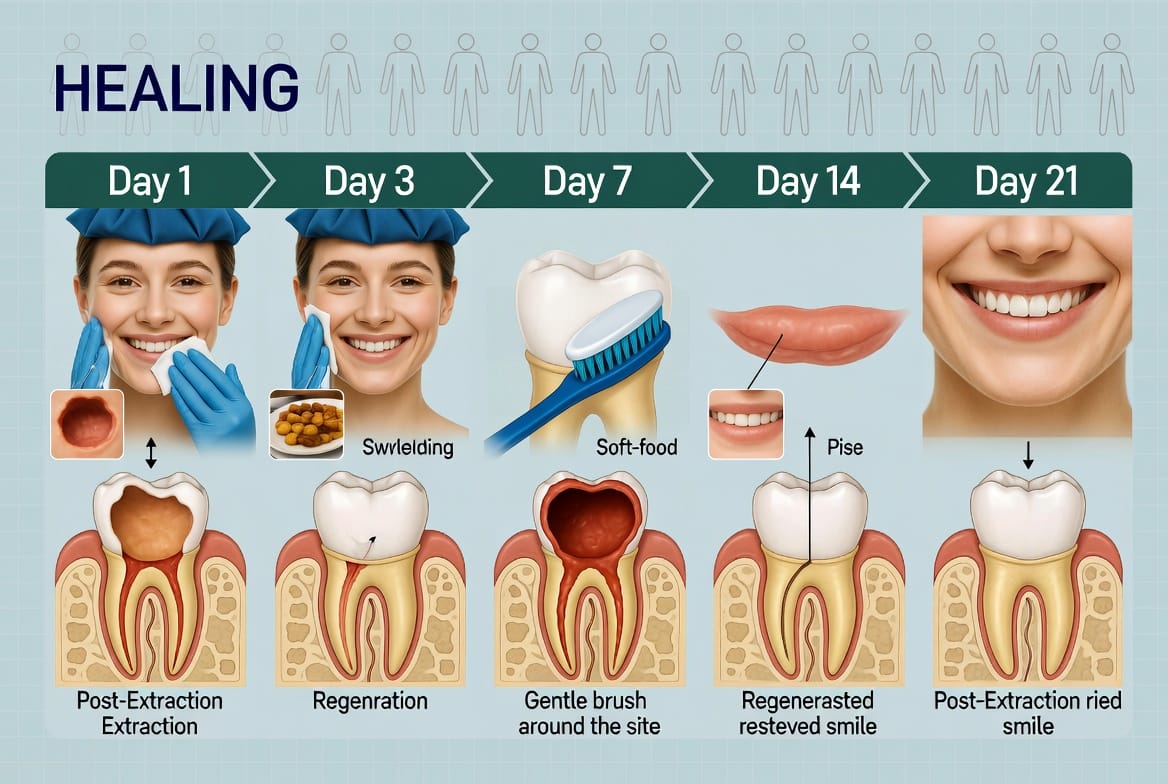
Healing after a tooth extraction is a natural biological process that your body is fully equipped to handle when given the right support. With consistent aftercare, the majority of people notice steady improvement within the first week and complete soft-tissue recovery in two to three weeks. Let’s explore each phase so you feel prepared, reassured, and in control of your healing journey.
What to Expect Immediately After Dental Extraction
Understanding the normal sequence of events after tooth removal helps eliminate unnecessary worry and allows you to recognize when everything is progressing as it should.
Clot Formation – The Foundation of Healing
Within the first few minutes after the tooth is removed, your body begins forming a protective blood clot in the empty socket. This clot acts as a natural bandage that seals the wound, stops bleeding, and creates the scaffold for new bone and gum tissue to grow. You may notice mild oozing or a metallic taste for several hours – this is completely expected as residual blood mixes with saliva. Gently biting on the gauze provided by your dental team for 30–45 minutes usually stabilizes the clot. Once formed, the clot should remain undisturbed for the next 24–48 hours.
Pain Management and Discomfort Levels
Mild to moderate pain typically peaks within the first 24 hours and then gradually decreases. Most patients describe the sensation as a dull ache rather than sharp pain. Over-the-counter pain relievers recommended by your dentist, combined with cold therapy, keep discomfort well within manageable limits. By day three or four, many people find they need little or no medication.
Swelling Patterns
Swelling is a normal inflammatory response that reaches its maximum around 48–72 hours after the procedure. You may notice puffiness in the cheek, jaw, or under the eye on the side of the extraction. This swelling is temporary and begins to resolve by day four or five when proper ice and elevation protocols are followed.
Oozing and Minor Bleeding
Light oozing or pink-tinged saliva can continue intermittently for up to 24 hours. True heavy bleeding is uncommon when post-operative instructions are observed. If you notice bright red blood flowing freely after the first few hours, contact your dental provider promptly for guidance.
These four elements – clot formation, controlled pain, temporary swelling, and limited oozing – form the expected early recovery profile for nearly every patient.
Essential Do’s for Optimal Healing After Tooth Removal
Following a focused set of positive actions dramatically improves comfort and shortens recovery time. Incorporate these proven do’s into your daily routine starting the moment you return home.
- Rest and limit physical activity for the first 48–72 hours. Elevate your head with an extra pillow while sleeping to reduce blood flow to the surgical site and minimize swelling. Avoid bending, heavy lifting, or vigorous exercise that could dislodge the protective clot.
- Apply ice packs consistently during the first 24 hours. Use a soft gel pack or bag of frozen peas wrapped in a thin cloth for 15–20 minutes on, then 15–20 minutes off. The cold constricts blood vessels, controls swelling, and provides natural pain relief. After the first day, switch to warm compresses if residual stiffness remains.
- Choose soft, nutrient-dense foods that require minimal chewing. Mashed potatoes, yogurt, smoothies (consumed without a straw), scrambled eggs, oatmeal, and pureed soups deliver essential vitamins and protein without stressing the extraction site. Stay well hydrated with room-temperature water.
- Maintain gentle oral hygiene. Beginning 24 hours after the procedure, carefully brush the surrounding teeth while avoiding direct contact with the socket. After meals, rinse very gently with warm salt water (½ teaspoon of salt in 8 ounces of water) to keep the area clean without creating suction.
- Take prescribed or recommended medications exactly as directed. Antibiotics, when provided, prevent infection; pain relievers keep you comfortable so you can rest and heal.
These simple, consistent actions create the ideal environment for rapid tissue regeneration and dramatically lower the risk of complications.
Critical Don’ts That Protect the Extraction Site
Equally important are the behaviors you must avoid. Ignoring these don’ts is the most common reason recovery is delayed or complicated.
- Do not smoke or use tobacco products for at least 72 hours – ideally longer. Smoking introduces harmful chemicals, reduces blood flow, and is the leading cause of dry socket. The suction created by inhaling also risks dislodging the clot.
- Avoid using straws for a minimum of one week. The negative pressure generated while sipping can pull the protective blood clot out of the socket, exposing bone and nerves.
- Refrain from spitting forcefully or rinsing vigorously for the first 24–48 hours. Any strong suction or pressure can disturb the clot and restart bleeding.
- Do not probe the area with your tongue, fingers, or any object. Curiosity is natural, but touching the site introduces bacteria and risks mechanical damage.
- Skip hard, crunchy, spicy, or hot foods until your dentist confirms it is safe. These items can irritate the wound or become lodged in the socket.
By strictly observing these restrictions, you give the healing process every possible advantage.

Recognizing Signs of Possible Complications
While most extractions heal without incident, awareness of early warning signs allows prompt professional intervention and prevents more serious issues.
Dry Socket
Dry socket occurs when the blood clot is lost or dissolves prematurely, leaving the bone and nerve endings exposed. Symptoms typically appear 2–4 days after extraction and include intense throbbing pain that radiates to the ear or temple, a noticeable empty-looking socket, and sometimes a foul odor or taste. Immediate evaluation and specialized dressing placement provide rapid relief.
Infection
Signs of infection include increasing pain after the third day, swelling that worsens instead of improving, fever, swollen lymph nodes, or pus drainage from the site. Prompt antibiotic therapy and professional cleaning resolve most infections quickly when addressed early.
Other Concerning Symptoms
Contact your dental team without delay if you experience uncontrolled bleeding lasting more than a few hours, difficulty swallowing or breathing, numbness that persists beyond the expected anesthetic duration, or any sudden increase in facial swelling after day three.
Early communication with your provider ensures that minor concerns never escalate. Most complications are rare when the aftercare guidelines above are followed carefully.
Supporting Your Body Through Nutrition, Hydration, and Follow-Up Care
Beyond the immediate do’s and don’ts, several lifestyle factors accelerate healing. Prioritize protein-rich soft foods and vitamin C sources (blended fruits) to fuel tissue repair. Stay hydrated with water or electrolyte drinks at room temperature. Avoid alcohol for at least 72 hours because it can interfere with clotting and medication effectiveness.
Schedule and attend your follow-up appointment so your dentist can confirm that the socket is healing on schedule and remove any remaining sutures if needed. Most patients feel ready to resume normal diets and light exercise within 7–10 days, though complete bone remodeling continues for several months beneath the surface.
Your Path to Confident, Comfortable Recovery
Healing after a dental extraction is a predictable, well-understood process when guided by clear aftercare principles. By protecting the vital blood clot, managing swelling with ice, choosing soft nourishing foods, and strictly avoiding smoking, straws, and forceful spitting, you create the optimal conditions for rapid, complication-free recovery.
Remain attentive to the normal sequence of clot formation, temporary pain, swelling, and light oozing, and seek professional guidance at the first sign of dry socket or infection. With these authoritative steps, you can move through the recovery period with reassurance and return to your daily life smiling comfortably.
Heal properly after extraction. If you have any questions about your personal aftercare plan or notice anything that concerns you. Our experienced team is ready to support every stage of your healing journey and ensure the best possible outcome.
Protect Your Healing Socket – Call for Aftercare Help!