The Dental Erosion Prevention: Protecting Teeth from Acid
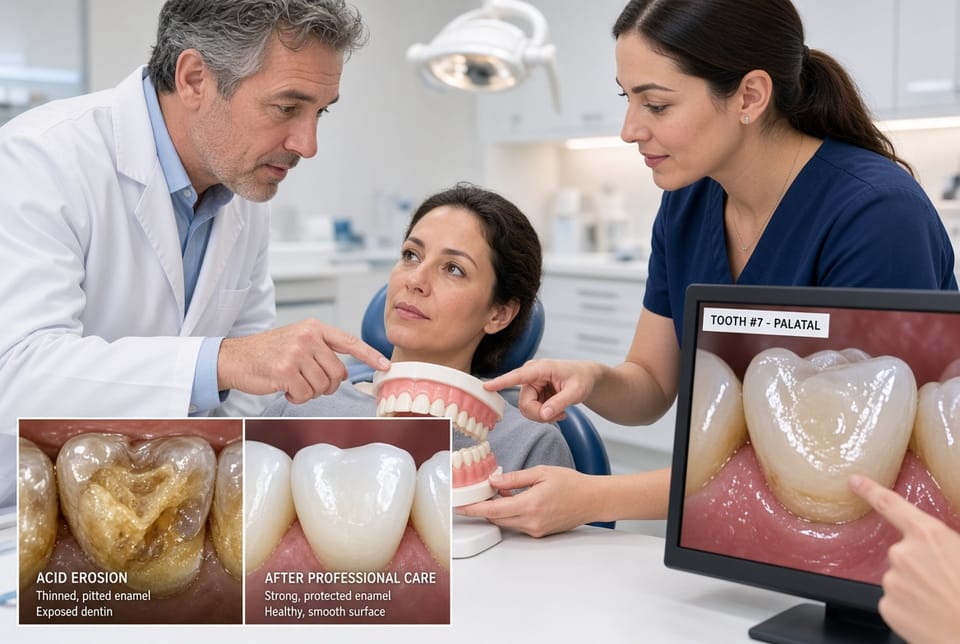
Dental erosion is a widespread yet often overlooked threat to oral health. Unlike cavities caused by bacteria, this condition involves the gradual chemical wearing away of tooth enamel—the hard, protective outer layer of your teeth—by acids. Over time, this process can leave teeth weaker, more sensitive, and visually altered. The encouraging reality is that dental erosion is largely preventable when you understand the sources of acid, recognize early warning signs, and adopt consistent protective habits.
Call Now to Prevent Dental Erosion & Save Your Smile
This comprehensive guide explains the common issue of acid-related enamel loss, details its primary causes, outlines the signs to watch for, and presents practical, evidence-informed prevention strategies. With informed daily choices and professional support, you can safeguard your enamel and maintain a strong, comfortable smile for years to come.
Understanding Dental Erosion as a Common Oral Health Challenge
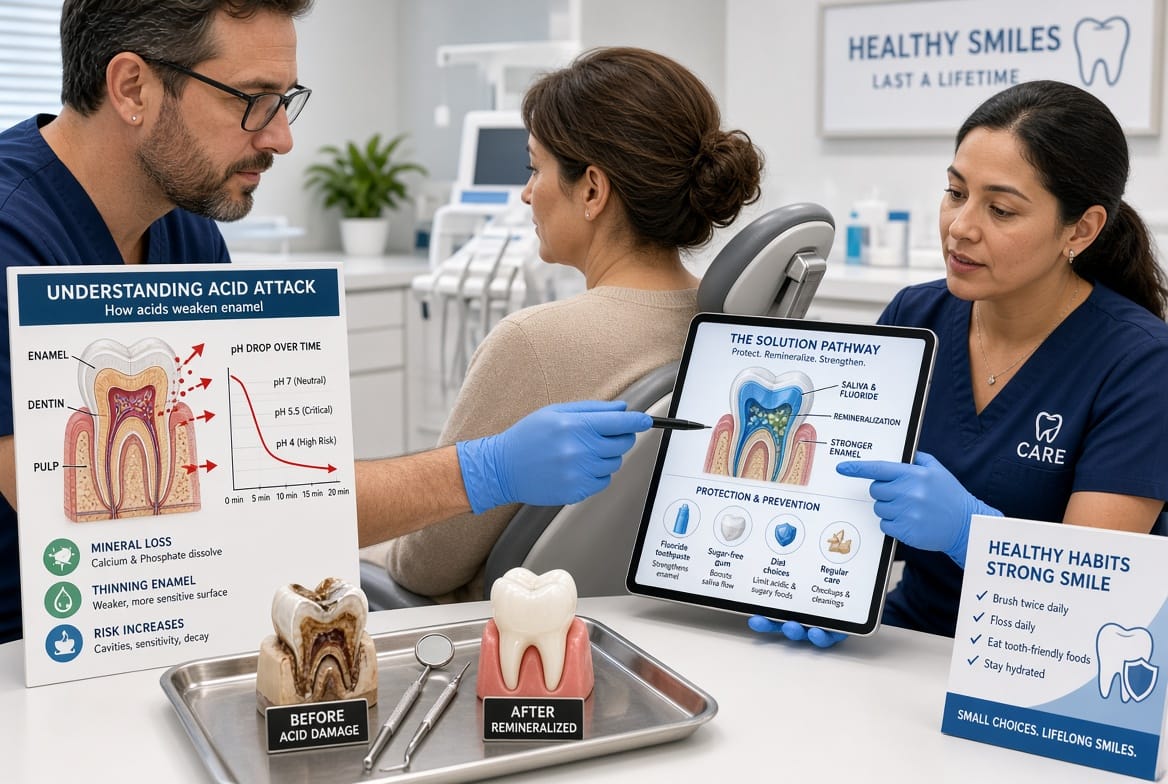
Tooth enamel is the strongest substance in the human body, designed to withstand daily chewing and temperature changes. However, it is not invincible against repeated acid exposure. When acids contact the tooth surface, they begin a process called demineralization, dissolving essential minerals such as calcium and phosphate. If this exposure occurs frequently and the mouth does not have adequate time to neutralize and remineralize, the enamel thins and weakens.
This issue affects people of all ages. Children who frequently consume fruit juices or sports drinks, adults who enjoy acidic beverages throughout the day, and individuals managing digestive conditions can all experience accelerated wear. Because enamel does not regenerate once lost, prevention and early intervention become essential. The good news is that simple, consistent actions can dramatically slow or halt progression, preserving both function and appearance.
Many people mistake early dental erosion for ordinary staining or temporary sensitivity. In reality, the changes are structural. Addressing the problem promptly with professional guidance and home-care adjustments offers the best chance of limiting further damage.
Primary Causes of Acid Damage to Enamel
Several everyday factors introduce damaging acids to the teeth. Understanding these sources allows you to make targeted changes.
Acidic Foods
Many nutritious foods contain natural acids that, when consumed often or held in the mouth, contribute to enamel softening. Citrus fruits such as lemons, limes, oranges, and grapefruits are high in citric acid. Tomatoes, pickles, vinegar-based dressings, and certain berries also lower oral pH. While these foods offer valuable vitamins, frequent snacking on them or sipping citrus water throughout the day extends acid contact time. The risk increases when acidic foods are combined with abrasive chewing or consumed immediately before bedtime, when saliva flow naturally decreases.
Acidic Drinks
Beverages represent one of the most significant and preventable contributors. Carbonated soft drinks, energy drinks, sports drinks, and many flavored waters contain phosphoric or citric acid. Fruit juices, even 100 percent varieties, deliver concentrated fruit acids. Wine, especially white wine, and some beers also create an acidic environment. The habit of sipping these drinks slowly over hours keeps teeth bathed in acid, preventing saliva from restoring a neutral pH. Using a straw can reduce direct contact with front teeth, yet the overall frequency still matters.
Acid Reflux and Related Conditions
Acid reflux, gastroesophageal reflux disease (GERD), and related conditions allow stomach acid—which is far stronger than dietary acids—to reach the mouth. Nighttime reflux is particularly concerning because saliva production drops during sleep, leaving teeth unprotected for hours. Frequent vomiting from other medical issues produces a similar effect. Individuals with these conditions often notice more pronounced wear on the inner surfaces of upper teeth. Coordinating dental care with medical management of reflux is an important part of comprehensive protection.
Additional factors can amplify risk. Reduced saliva flow from certain medications, mouth breathing, or dehydration limits the mouth’s natural buffering capacity. Occupational exposure, such as frequent wine tasting, or habits like sucking on sour candies further increase acid contact. Recognizing your personal combination of risk factors is the first step toward effective prevention.
Recognizing the Signs of Enamel Erosion
Early detection makes prevention far more effective. Watch for these common indicators:
- Thinning enamel that makes teeth appear more translucent, especially near the biting edges.
- Increased tooth sensitivity to hot, cold, sweet, or acidic foods and drinks.
- A yellowish tint as the underlying dentin becomes more visible.
- Rounded or cupped chewing surfaces and a smoother, shinier look on enamel.
- Small dents, grooves, or a generally worn appearance that develops over months or years.
- Changes in tooth shape or slight shortening of the teeth.
Sensitivity is often the first noticeable symptom. As enamel thins, the dentin and its microscopic tubules become exposed, allowing stimuli to reach the nerve more easily. You may also observe that fillings appear raised because the surrounding enamel has worn down. These signs typically progress gradually, which is why regular dental examinations are valuable—they catch changes before they become advanced.
If you notice any of these developments, schedule a professional evaluation. A dentist can distinguish dental erosion from other forms of wear, such as abrasion from aggressive brushing or attrition from grinding, and recommend the most appropriate next steps.
Why Timely Prevention Matters
Unchecked acid erosion can lead to more than cosmetic concerns. Weakened enamel increases the likelihood of chips, cracks, and eventual need for restorative work. Heightened sensitivity can affect eating enjoyment and quality of life. In advanced cases, the structural integrity of teeth may be compromised, requiring more extensive treatment. The reassuring truth is that most of this progression is avoidable. Enamel that remains intact continues to protect the inner tooth, and saliva plus fluoride can support remineralization when acid exposure is controlled.
Prevention is both simpler and more affordable than restoration. Small daily adjustments, combined with professional monitoring, create a powerful defense.
Effective Prevention Strategies You Can Start Today
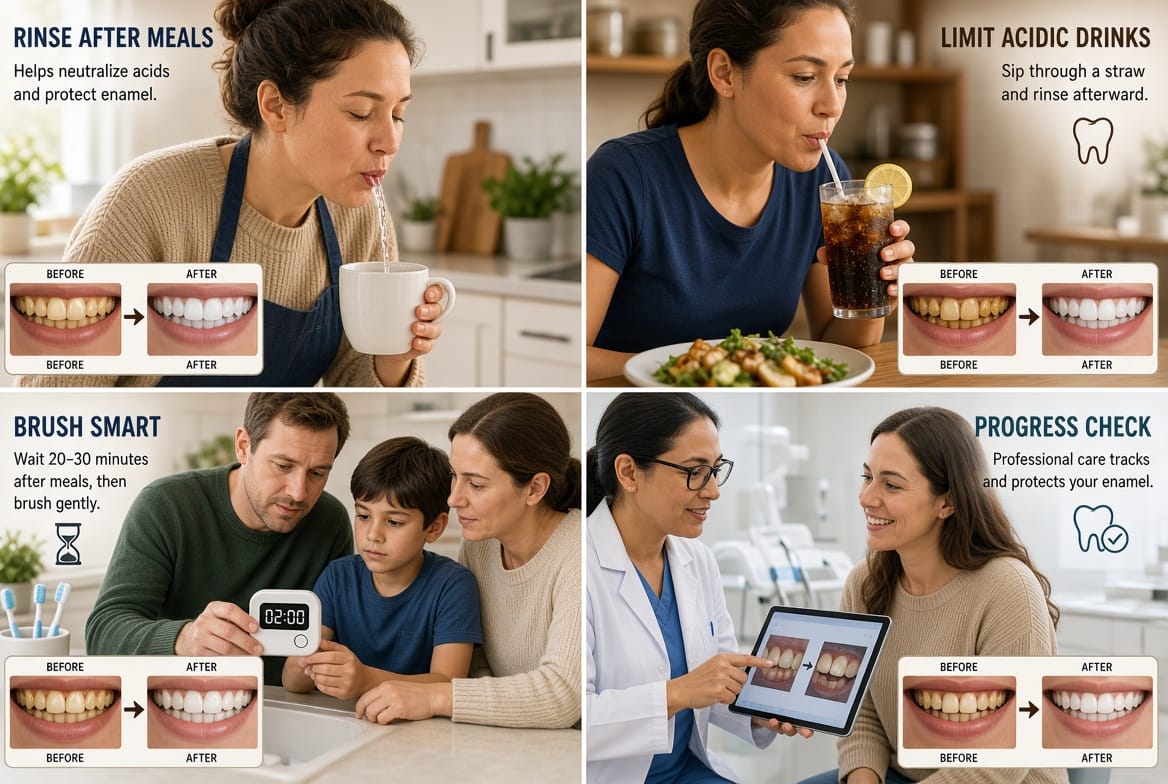
The core prevention principles—rinse after eating, use a straw, and wait to brush—form a practical foundation. Expanding on these habits and adding complementary measures produces even stronger results.
Rinse After Eating or Drinking Acidic Items
After consuming acidic foods or drinks, rinse your mouth thoroughly with plain water. This simple action helps neutralize remaining acid and wash away particles. Avoid rinsing with acidic mouthwash immediately afterward. Water is gentle, readily available, and effective at raising oral pH so saliva can begin the repair process. Making this a consistent habit after meals, snacks, or beverages significantly reduces cumulative acid exposure.
Use a Straw for Acidic Beverages
When you choose to drink juices, sodas, or other acidic liquids, use a straw positioned toward the back of the mouth. This technique minimizes contact with the front teeth, which are often the most visible and commonly affected. Combined with limiting overall consumption and avoiding swishing the drink around the mouth, a straw becomes a useful protective tool. Still, reducing frequency remains the most impactful change.
Wait to Brush After Acid Exposure
Brushing immediately after an acidic meal or drink can cause additional wear because the enamel is temporarily softened. Wait at least 30 to 60 minutes before brushing. During this interval, saliva naturally buffers the acid and begins redepositing minerals. Use a soft-bristled toothbrush and fluoride toothpaste when you do brush. This timing protects enamel at its most vulnerable moment.
Additional supportive practices include:
- Limiting acidic foods and drinks to mealtimes rather than sipping or snacking throughout the day.
- Choosing sugar-free gum containing xylitol after meals to stimulate saliva.
- Staying well hydrated to support healthy saliva flow.
- Using a fluoride toothpaste and considering professional fluoride treatments when recommended.
- Managing acid reflux through medical advice, elevating the head of the bed, and avoiding late-night trigger foods.
- Scheduling regular dental check-ups so early changes can be monitored and addressed.
These steps work together. No single habit eliminates risk, but the combination creates a resilient daily routine.
Building a Long-Term Protective Routine
Consistency turns individual actions into lasting protection. Consider pairing acidic foods with neutralizing items such as cheese or milk when possible. Finish meals with water rather than an acidic drink. If you enjoy citrus or carbonated beverages, concentrate them at one sitting rather than spreading them across the day. Nighttime oral care is especially important; brushing and flossing before bed, after the waiting period if you had an evening acidic item, helps the mouth recover during sleep.
For those with reflux or dry mouth, extra vigilance pays off. Discuss saliva substitutes or prescription-strength fluoride with your dental team if needed. Children benefit from the same principles applied in age-appropriate ways—limiting juice frequency, encouraging water, and establishing the wait-to-brush habit early.
Professional care complements home efforts. During visits, your dentist can apply protective coatings, recommend custom trays for fluoride, or discuss options if wear has already occurred. Early restorative approaches, when necessary, are typically conservative and focused on protecting remaining structure.
Taking the Next Step Toward Enamel Protection
Dental erosion does not have to progress. By identifying acidic sources in your diet and lifestyle, watching for signs such as thinning enamel and sensitivity, and practicing the core habits of rinsing after eating, using a straw, and waiting to brush, you give your teeth the best possible defense. Combined with regular professional oversight, these measures preserve enamel strength, reduce discomfort, and support a confident smile.
Protect your teeth from acid erosion. A dental team can evaluate your individual risk, provide personalized recommendations, and help you implement a plan that fits your life. Early, informed action today protects your oral health for the future.
Protect Your Enamel from Acid – Book an Appointment Today