The Dental Crown Materials: Porcelain vs. Zirconia vs. Metal
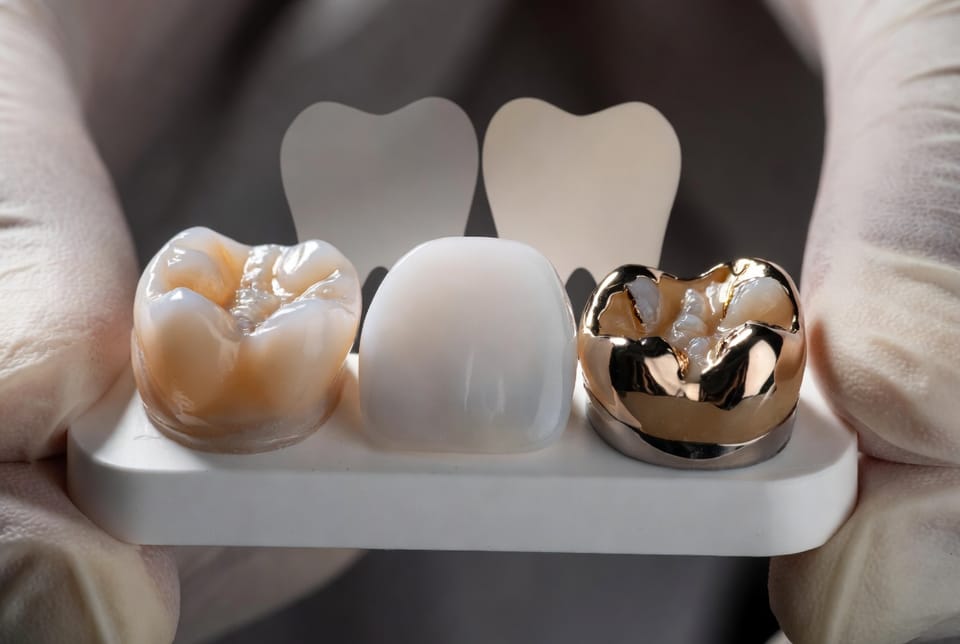
Dental crowns remain one of the most reliable solutions for restoring damaged, weakened, or aesthetically compromised teeth. When a tooth suffers from extensive decay, fracture, large filling failure, or requires protection after root canal therapy, a dental crown acts as a protective cap that fully covers the visible portion of the tooth above the gum line. Choosing the right crown material is essential because each option offers distinct balances of strength, appearance, longevity, and biocompatibility.
Get Your Perfect Dental Crown Consultation – Call Today!
This comprehensive guide explores the three primary dental crown materials—porcelain, zirconia, and metal—in clear, practical detail. You will learn their unique properties, ideal applications for front versus back teeth, potential risks, and how modern dentistry helps patients achieve both functional and natural-looking results. By the end, you will feel confident discussing options with your dental team and selecting the material that best supports long-term oral health.
Understanding Dental Crowns and Why Material Matters
A dental crown is custom-fabricated in a dental laboratory or through advanced chairside milling to fit precisely over a prepared tooth. The process typically begins with careful tooth reduction, impression or digital scanning, temporary protection, and final cementation of the permanent crown. The material selected directly influences how the crown performs under daily chewing forces, how closely it matches surrounding teeth, and how long it can last with proper care.
Modern patients expect crowns that look natural yet withstand years of use. Porcelain prioritizes beauty, zirconia blends strength with improved aesthetics, and metal delivers unmatched durability. Understanding these differences prevents disappointment and supports informed decisions. Your dentist evaluates bite forces, tooth location, gum health, and personal preferences before recommending the optimal material.
Porcelain Crowns: The Aesthetic Gold Standard
Porcelain crowns, often referred to as all-ceramic or all-porcelain restorations, are prized for their ability to mimic the translucency and color depth of natural enamel. Light passes through porcelain in a way that closely resembles living tooth structure, making these crowns especially suitable when appearance is the highest priority.
Key Advantages of Porcelain
- Exceptional tooth-colored appearance that blends seamlessly with adjacent teeth
- High biocompatibility with virtually no risk of metallic taste or allergic reaction
- Excellent resistance to plaque accumulation when highly polished
- Ideal for patients seeking metal-free restorations
Important Considerations and Risks
Porcelain is more brittle than other options. It can chip or fracture under heavy biting pressure, particularly if the patient grinds teeth (bruxism) or has a strong bite. Layered porcelain-fused-to-metal versions exist, but pure all-porcelain crowns require sufficient tooth structure support and careful occlusal design. Over time, the underlying tooth may show through if the porcelain is thin, though modern high-strength ceramics have reduced this concern.
Best Applications for Porcelain
Dentists most frequently recommend porcelain crowns for front teeth—incisors and canines—where aesthetics dominate. In the smile zone, the natural light reflection and color matching create results that are nearly indistinguishable from healthy teeth. For back teeth, porcelain may still be used when the patient prioritizes appearance and bite forces are moderate, but additional caution is advised.
Patients who choose porcelain often report high satisfaction with the lifelike finish. Regular dental check-ups and night guards for grinders further protect the investment.
Zirconia Crowns: Strength Meets Modern Aesthetics
Zirconia crowns have transformed restorative dentistry over the past two decades. Made from zirconium dioxide, a high-strength ceramic, these crowns combine remarkable durability with improved tooth-colored options. Early zirconia was quite opaque, yet newer generations offer enhanced translucency while retaining superior fracture resistance.
Key Advantages of Zirconia
- Outstanding strength that rivals or exceeds many metal alloys
- Fully tooth-colored appearance without metal margins
- Excellent biocompatibility and low plaque affinity
- Minimal tooth reduction required compared with some older ceramics
- Suitable for patients with metal sensitivities
Important Considerations
Although highly durable, traditional solid zirconia can appear somewhat opaque, especially in thicker sections. This opacity may limit perfect color matching in highly translucent front teeth. Multi-layered or high-translucency zirconia formulations address this by allowing better light transmission. Zirconia is harder than natural enamel, so dentists carefully adjust the opposing bite to prevent excessive wear on natural teeth.
Best Applications for Zirconia
Zirconia excels in both front teeth and back teeth. For anterior restorations, high-translucency zirconia provides an attractive balance of beauty and toughness. For posterior molars and premolars—where heavy chewing forces occur—zirconia delivers reliable long-term performance. Many clinicians now prefer zirconia over traditional metal for most full-coverage cases because it eliminates dark metal lines at the gum margin while offering comparable or superior strength.
Patients appreciate that zirconia crowns can often be fabricated same-day with in-office CAD/CAM technology, reducing the number of visits.
Metal Crowns: Unmatched Durability for High-Stress Areas
Metal crowns—typically crafted from gold alloys, base-metal alloys, or high-noble mixtures—have served dentistry for generations. Their primary strength lies in exceptional toughness and minimal wear on opposing teeth.
Key Advantages of Metal
- The strongest option available, highly resistant to fracture and wear
- Requires the least amount of healthy tooth reduction
- Gentle on opposing natural teeth due to similar hardness
- Proven longevity, often lasting decades with proper care
- Excellent for patients with heavy bite forces or bruxism
Important Considerations and Visible Nature
The most noticeable drawback is appearance. Metal crowns are clearly visible as silver or gold-colored restorations. While some patients accept or even prefer the classic look of gold in back teeth, others find the metallic sheen undesirable in any location. Allergies to certain base metals, though uncommon, can occur; high-noble gold alloys minimize this risk.
Best Applications for Metal
Dentists reserve metal crowns primarily for back teeth—molars that endure the greatest chewing pressure and remain largely hidden from view. In these posterior regions, the superior strength and conservative preparation outweigh aesthetic concerns. Metal is rarely chosen for front teeth today because of the highly visible result.
For patients who grind their teeth aggressively or have limited remaining tooth structure, metal remains an authoritative choice that prioritizes function and longevity.
Direct Comparison: Porcelain vs. Zirconia vs. Metal
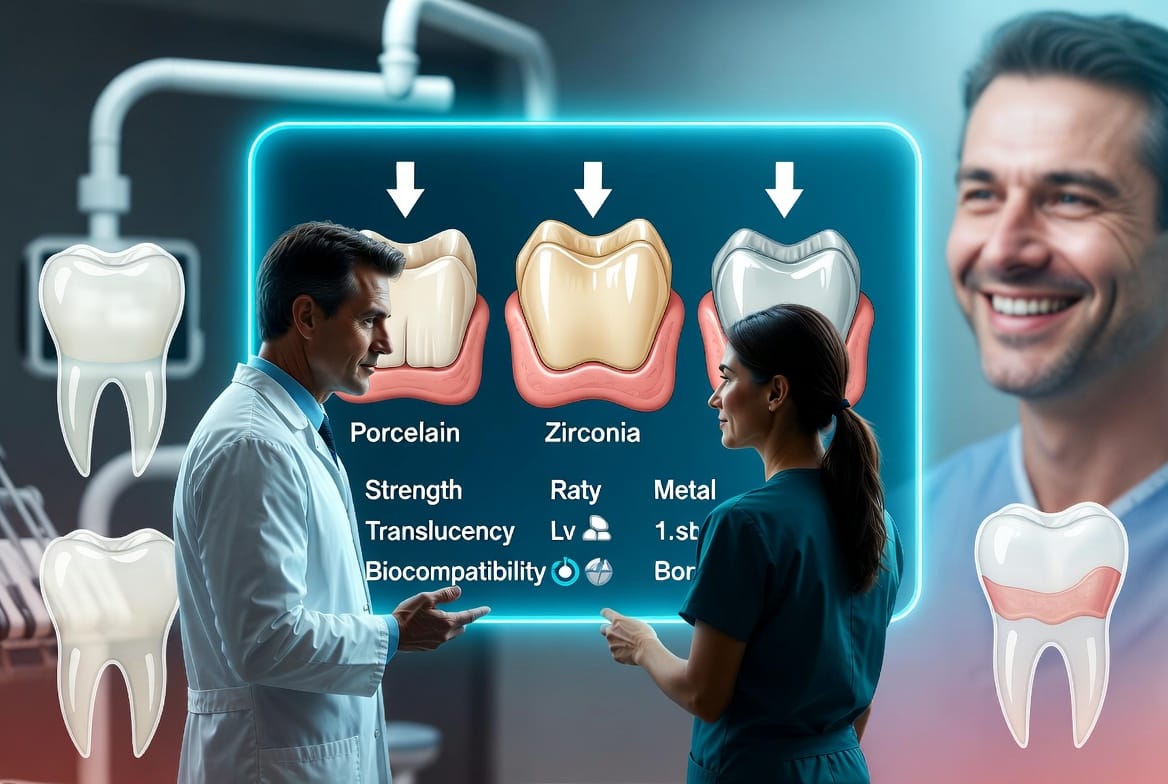
Selecting among these materials involves weighing aesthetics against durability and clinical situation. Here is a clear side-by-side overview of the core differences:
- Porcelain: Highest aesthetic ranking due to natural translucency; moderate strength; risk of chipping under extreme force; best for front teeth where appearance is critical.
- Zirconia: Excellent balance of strength and improved aesthetics; tooth-colored yet can be more opaque than porcelain; highly resistant to fracture; suitable for both front and back teeth.
- Metal: Maximum strength and longevity; fully visible metallic color; most conservative of tooth structure; ideal exclusively for posterior teeth under heavy load.
Front teeth applications favor porcelain or high-translucency zirconia to preserve a natural smile. Back teeth applications lean toward zirconia or metal to withstand constant pressure. Your dentist considers additional factors such as existing restorations, gum recession, budget, and personal lifestyle when making the final recommendation.
Longevity studies consistently show that well-fabricated crowns of all three materials can last 10–15 years or longer when patients maintain excellent oral hygiene, attend regular professional cleanings, and address habits like grinding. Zirconia and metal often edge out porcelain in high-stress environments, while porcelain continues to lead in patient-reported satisfaction for visible zones.
The Crown Placement Process and What to Expect
Regardless of material, the clinical steps remain similar and reassuringly predictable. After thorough examination and discussion, the tooth is gently prepared under local anesthesia. Digital scanning or traditional impressions capture exact dimensions. A temporary crown protects the tooth while the permanent restoration is crafted. At the final visit, the permanent crown is tried in, adjusted for perfect fit and bite, and cemented securely.
Modern adhesive techniques and high-precision milling have dramatically improved retention and marginal integrity across all materials. Patients typically experience only mild temporary sensitivity that resolves quickly. Your dental team provides detailed after-care instructions to ensure smooth adaptation.
Caring for Your New Crown: Simple Habits for Long-Term Success
Proper maintenance protects any crown material. Brush twice daily with a soft toothbrush and non-abrasive fluoride toothpaste. Floss carefully around the crown margins to prevent decay at the junction with natural tooth. Avoid using teeth as tools to open packages. If you grind or clench, a custom night guard is strongly recommended—especially with porcelain.
Routine dental visits every six months allow early detection of any issues. With these straightforward habits, patients routinely enjoy decades of comfortable function from their chosen crown.
Addressing Common Concerns and Myths
Many patients worry that porcelain will look artificial or that zirconia will feel bulky. In skilled hands, both materials achieve highly natural contours. Others fear metal will cause sensitivity; properly alloyed metals are highly biocompatible. Cost differences exist, yet investing in the material best matched to the clinical need ultimately proves more economical than premature replacement.
Your dentist’s expertise ensures the selected material aligns with both functional demands and personal aesthetic goals. Open conversation about lifestyle, expectations, and any previous dental experiences leads to the most satisfying outcome.
Making the Right Choice for Your Smile
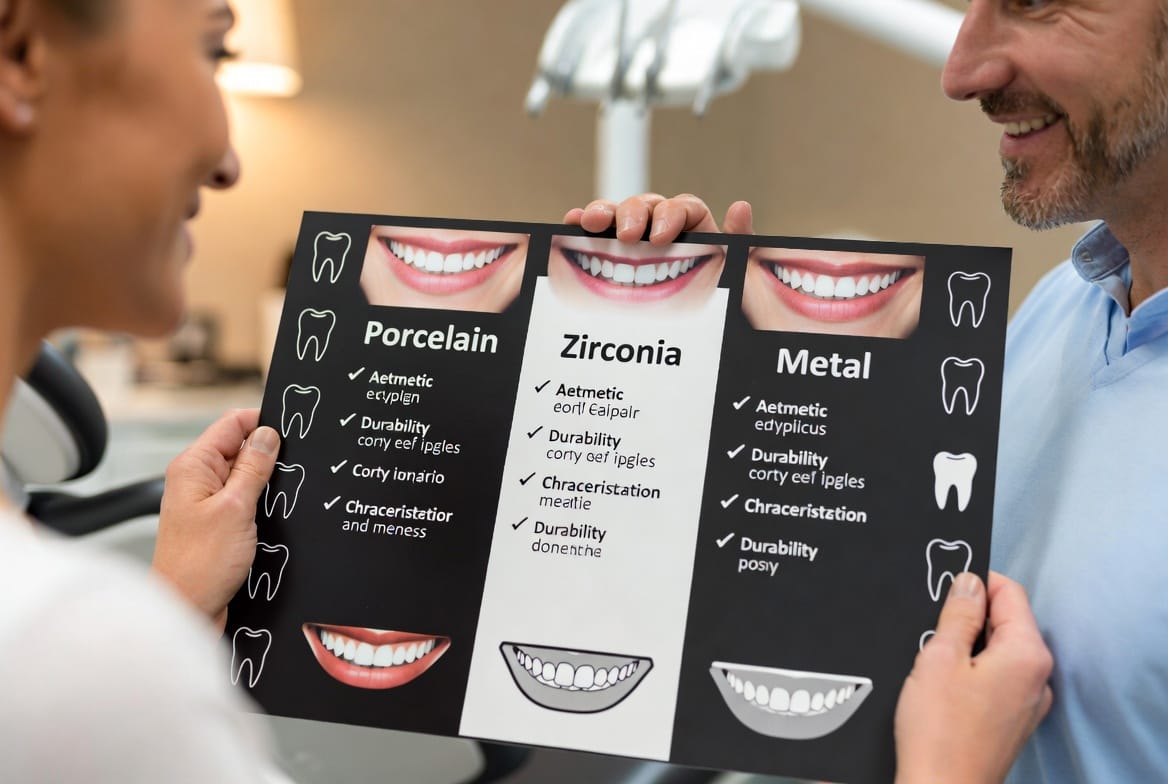
Every smile is unique, and the ideal dental crown material reflects that individuality. Porcelain delivers unmatched beauty for front teeth when the risk of chipping can be managed. Zirconia offers a versatile, strong, tooth-colored solution appropriate for nearly any location. Metal provides the ultimate in strength for back teeth where visibility is less critical.
By understanding these differences—porcelain’s tooth-colored yet chip-prone nature, zirconia’s robust and increasingly translucent qualities, and metal’s unmatched durability paired with visibility—you become an active partner in your treatment plan. Modern dentistry equips clinicians with advanced materials and techniques that reliably restore both function and confidence.
Choose the right crown material for lasting comfort and a natural appearance. During your visit, the dental team will evaluate your specific needs, discuss the advantages of each option in detail, and create a tailored plan that prioritizes your oral health and smile goals. Taking this proactive step ensures you receive the restoration best suited to protect and enhance your teeth for years to come.
Get Personalized Crown Recommendations – Call Now!