The Dental Anxiety: Coping Strategies for Nervous Patients

Dental anxiety affects millions of adults and children who delay or avoid necessary care because the thought of sitting in the dental chair feels overwhelming. This fear is real, understandable, and far more common than most people admit. The good news is that dental anxiety does not have to control your oral health. With the right combination of self-calming techniques, professional support, and open dialogue, even the most nervous patients can complete treatment comfortably and regain confidence.
Call Now for Anxiety-Free Dental Care
This article explains the most frequent sources of fear of the dentist and presents practical, evidence-informed coping strategies that patients and dental teams use every day. The goal is straightforward: help you walk into the office feeling prepared rather than powerless.
Understanding Why Dental Anxiety Develops
Dental anxiety rarely appears without reason. It usually grows from a mix of physical sensations, past experiences, and a sense that events are happening to you rather than with you.
Pain as the Primary Trigger
Many people associate dentistry with pain. Even when modern techniques have made most procedures far more comfortable than they once were, the memory of an earlier uncomfortable filling or extraction can linger for years. The brain stores that memory as a warning, so the next appointment immediately activates the same alarm. Anticipatory pain can feel almost as intense as actual discomfort, causing muscle tension, rapid heartbeat, and a strong urge to cancel.
Needles and Injections
The sight or thought of a needle is one of the most frequently cited reasons for dental anxiety. Local anesthetic is essential for pain-free treatment, yet the injection itself can feel like a loss of bodily safety. Some patients worry the anesthetic will not work; others dread the pressure or the brief sting. This specific fear often overlaps with a broader needle phobia that extends beyond dentistry.
Loss of Control
Lying back with instruments in the mouth creates a profound loss of control. You cannot easily speak, you cannot see everything that is happening, and you must trust another person with a vulnerable part of your body. For individuals who value independence or who have experienced situations where their wishes were overlooked, this feeling can become the dominant source of distress. The combination of physical restriction and uncertainty quickly escalates dental anxiety.
Additional contributing factors include the high-pitched sound of the handpiece, the clinical smell of the office, embarrassment about the condition of one’s teeth, and stories heard from family or friends. Childhood visits that felt rushed or frightening can also leave a lasting imprint. Recognizing these roots is the first step toward reducing their power.
Practical Coping Strategies That Work
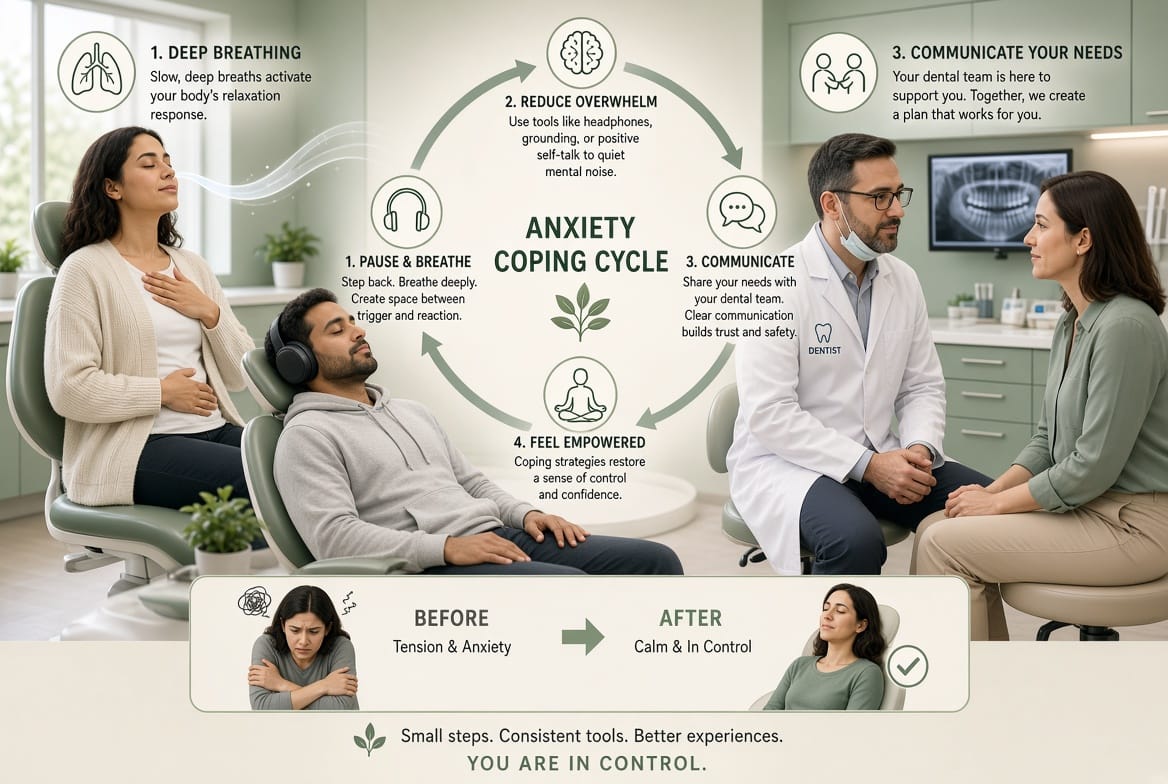
The most effective approach combines techniques you can practice yourself with options the dental team can provide. None of these methods requires perfection; even partial use can noticeably lower tension.
Deep Breathing and Body Awareness
Deep breathing is the simplest and most portable tool. Slow, diaphragmatic breaths activate the parasympathetic nervous system and counteract the fight-or-flight response.
- Inhale quietly through the nose for a count of four, feeling the abdomen rise.
- Hold the breath gently for a count of two.
- Exhale slowly through pursed lips for a count of six.
- Repeat for several cycles before the appointment and again whenever you notice shoulders tightening or thoughts racing.
Pairing deep breathing with progressive muscle relaxation—tensing and then releasing groups of muscles from the feet upward—further reduces physical tightness. Many patients practice these exercises in the waiting room or even in the chair between steps of treatment.
Distraction Techniques
Distraction redirects attention away from internal worry and toward something neutral or pleasant.
- Noise-canceling headphones with a pre-selected playlist or podcast.
- Ceiling-mounted televisions or virtual-reality headsets offered by some practices.
- A stress ball or textured object held in the hand.
- Mental visualization of a favorite place, counting backward by sevens, or focusing on a single color in the room.
The key is choosing a distraction method in advance so it is ready the moment anxiety begins to rise. Dentists who understand dental anxiety often pause treatment briefly so the patient can reset with their chosen technique.
Sedation Options for Deeper Calm
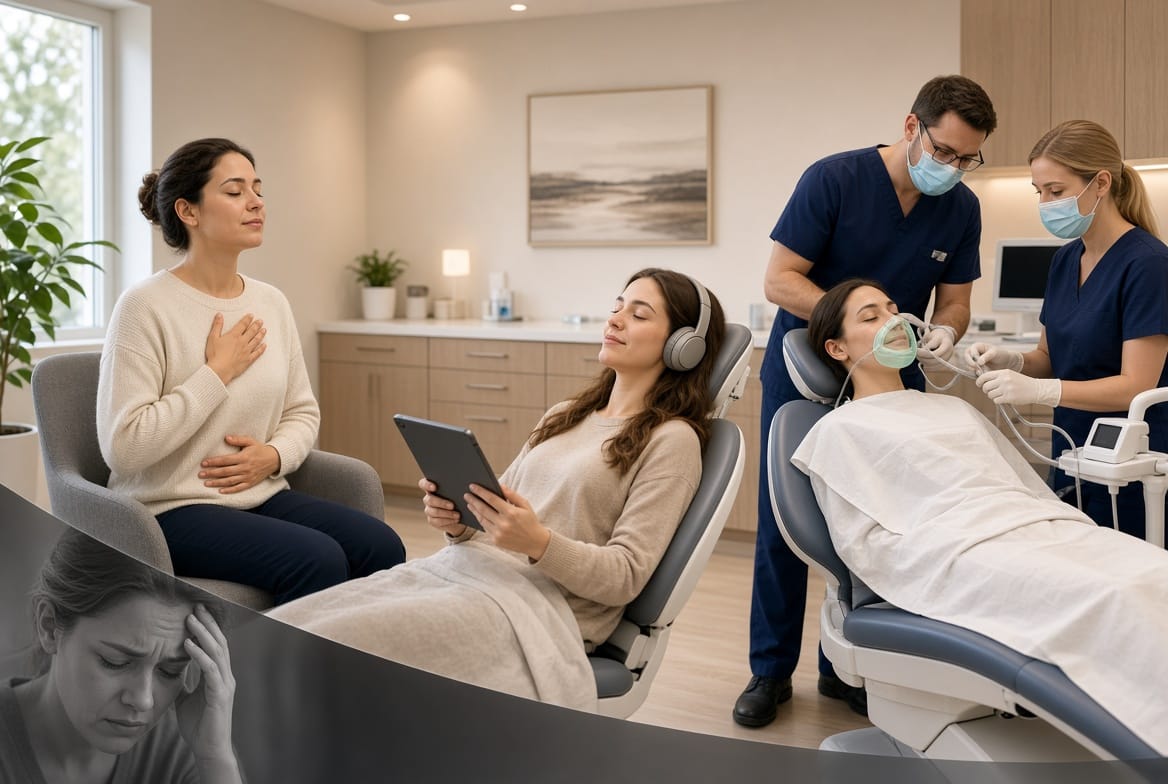
When self-help techniques are not enough, sedation provides an additional layer of comfort. Several levels exist, and the dentist will recommend the most appropriate one after reviewing your medical history.
- Nitrous oxide (“laughing gas”) is inhaled through a small nosepiece. It produces a light, floating sensation that wears off within minutes after the mask is removed, allowing most patients to drive themselves home.
- Oral conscious sedation involves a prescribed pill taken before the visit. Patients remain awake but deeply relaxed and often have little memory of the procedure.
- Intravenous sedation offers a stronger effect for longer or more complex treatments and is administered and monitored by trained professionals.
Sedation is not a sign of weakness; it is a legitimate clinical tool that allows necessary care to be completed safely. Discussing these options early removes the fear of the unknown.
Open Communication with the Dental Team
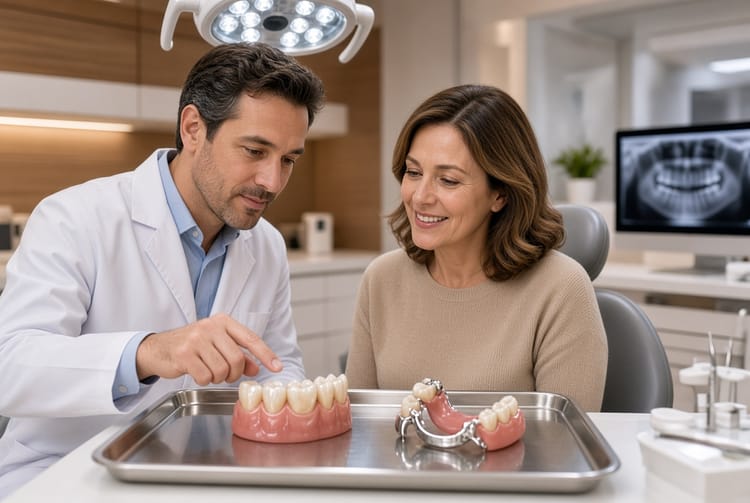
Open communication may be the single most powerful strategy. A dentist who knows you are nervous can adjust pace, explain each step in advance, and agree on a simple hand signal that means “please pause.”
Tell the team:
- Which specific aspects worry you most (needles, sounds, loss of control).
- What has helped or not helped in the past.
- Whether you prefer detailed explanations or minimal talking during treatment.
This partnership restores a sense of agency. Many offices now schedule longer initial visits precisely so nervous patients can ask questions, tour the operatory, and meet the staff without any treatment occurring that day. That extra time often transforms dental anxiety into manageable caution.
Building Long-Term Confidence
Overcoming dental anxiety is rarely a single event; it is a process. Start with a consultation rather than a full treatment appointment. Bring a trusted friend or family member if that feels supportive. Keep a brief journal of what worked and what still feels difficult so you can refine your plan with the dentist.
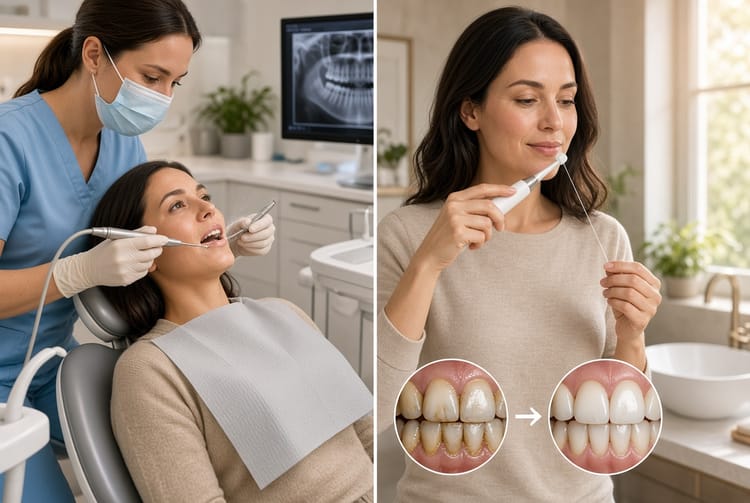
Regular, shorter visits also help. When the mouth stays healthy, appointments become simpler and less time-consuming, which in turn reduces anticipatory fear. Each successful visit rewires the old association between dentistry and distress.
Parents can interrupt the cycle for the next generation by choosing pediatric-friendly practices that use tell-show-do methods and positive language. Children who experience dentistry as routine and respectful are far less likely to develop adult dental anxiety.
When Professional Support Extends Beyond the Dental Office
In a minority of cases, dental anxiety is part of a broader anxiety disorder. If worry about the dentist interferes with sleep, work, or other medical care, speaking with a physician or licensed therapist can be valuable. Cognitive-behavioral techniques learned in that setting transfer readily to the dental environment. The dental team and mental-health professional can coordinate so that both oral health and emotional health move forward together.
A Reassuring Reality Check
Modern dentistry has changed dramatically. High-speed instruments are quieter, anesthetics are more precise, and many offices now resemble comfortable wellness spaces rather than sterile clinics. The majority of patients who once considered themselves “impossible” cases now complete treatment with far less distress than they expected. The combination of deep breathing, thoughtful distraction, appropriate sedation, and genuine open communication accounts for most of that progress.
You do not have to become someone who loves the dentist. You only need to become someone who can receive care without the fear dominating the experience. That shift is achievable.
Overcome dental anxiety. You deserve a healthy smile without the weight of dread. The first conversation can be the moment the fear begins to loosen its grip.
Start Your Anxiety-Free Smile Journey