The Dental Abscess Drainage: What to Expect in an Emergency
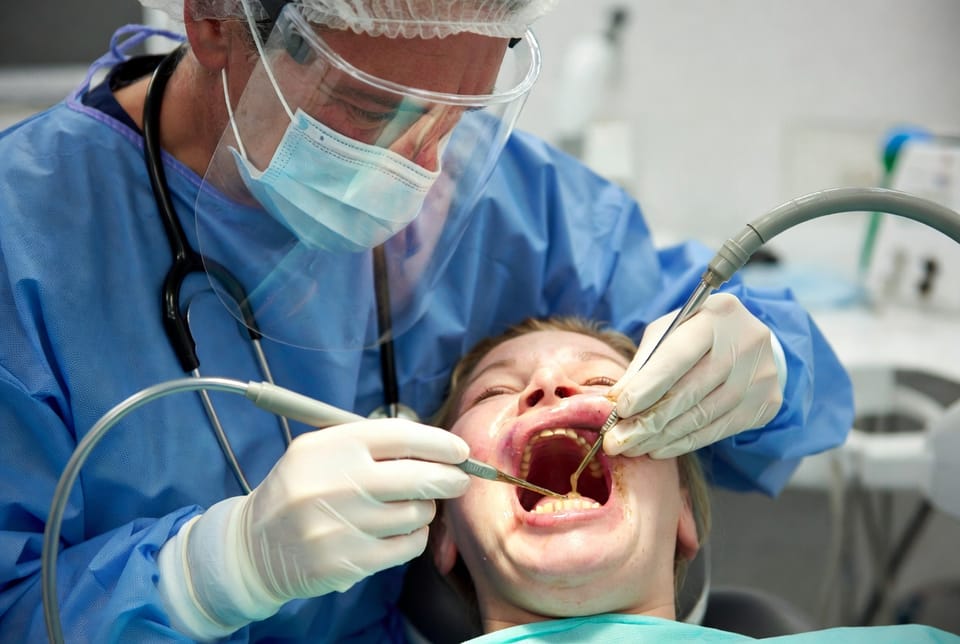
A dental abscess can strike suddenly, turning a minor toothache into an intense, throbbing ordeal that demands urgent attention. This pocket of pus forms due to bacterial infection, often at the root of a tooth or in the surrounding gums, and ignoring it risks serious complications. In this comprehensive guide, we explore dental abscess drainage — a critical emergency procedure designed to provide rapid relief and prevent the spread of infection.
Emergency Dental Abscess Care – Call Today!
Understanding what to expect can ease anxiety and empower you to seek timely care. Whether you're experiencing swelling, severe pain, or other warning signs, knowing the process helps you approach treatment with confidence.
Recognizing the Signs of a Dental Emergency
Dental abscesses do not resolve on their own. Early identification is key to avoiding escalation.
- Intense, throbbing toothache that may radiate to the jaw, ear, or neck.
- Swelling in the face, cheek, or gums, sometimes creating a visible pimple-like bump.
- Sensitivity to hot, cold, or pressure when chewing.
- Fever, fatigue, or swollen lymph nodes under the jaw.
- Bad taste in the mouth or foul breath from pus drainage.
Facial swelling that interferes with breathing or swallowing, high fever, or difficulty opening your mouth signals an immediate emergency. Do not wait — prompt intervention can safeguard your health and teeth.
What Causes a Dental Abscess?
Bacteria enter through cracks, untreated cavities, or gum disease, leading to infection. The body responds by sending white blood cells, which accumulate as pus. Pressure builds, causing pain and swelling. Risk factors include poor oral hygiene, delayed dental visits, trauma, or weakened immunity.
Left untreated, the infection can spread to surrounding bone, sinuses, or even systemic areas, highlighting why emergency dental care is essential.
What Happens During the Drainage Procedure
When you arrive for emergency treatment, the dental team prioritizes your comfort and safety. Here's a step-by-step overview of dental abscess drainage:
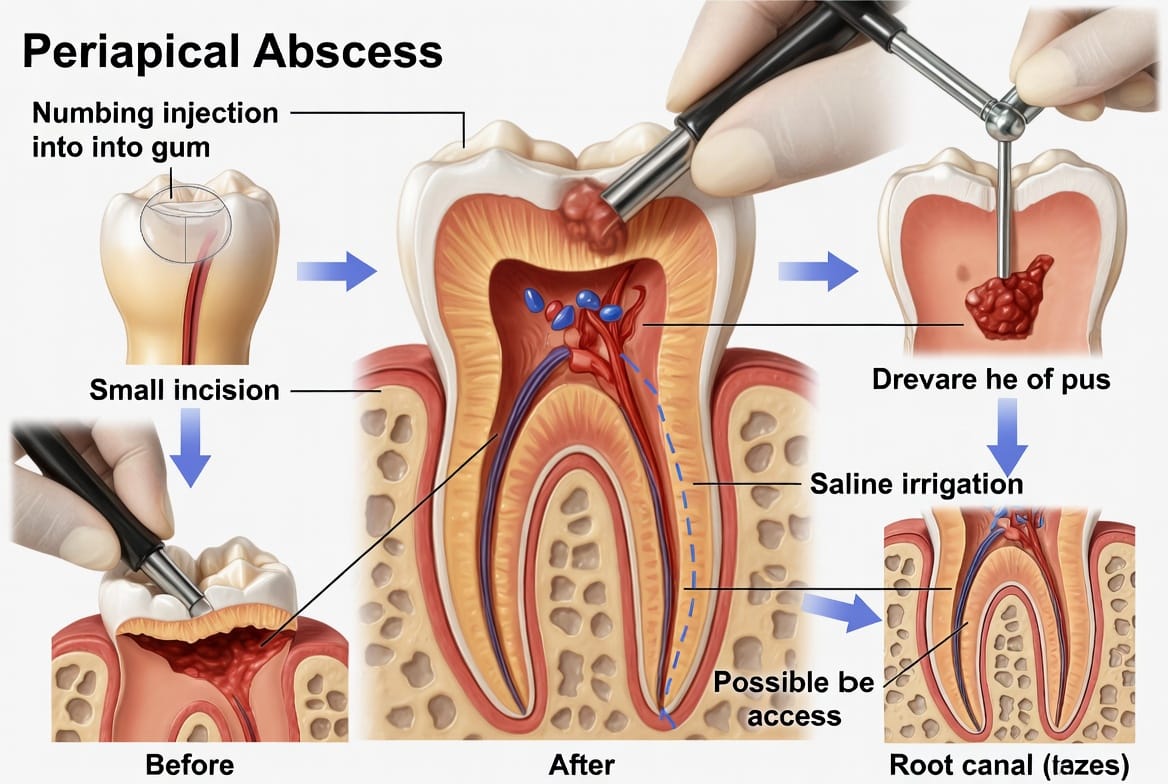
- Assessment and Diagnosis: The dentist examines the area, possibly using X-rays to locate the abscess and assess tooth viability.
- Numbing the Area: Local anesthesia ensures you feel minimal discomfort. Topical numbing gel may precede injections for a gentler experience.
- Incision and Drainage: A small, precise incision is made into the abscess to release built-up pus. Suction removes the fluid, immediately reducing pressure and pain. The area is thoroughly irrigated with saline to cleanse bacteria.
- Addressing the Source: Depending on severity, the dentist may perform a root canal to remove infected pulp and seal the tooth, or recommend extraction if the tooth cannot be saved. A temporary drain might be placed to allow continued drainage as swelling subsides.
The entire procedure is typically quick, often completed in one visit for straightforward cases. Patients frequently report significant relief right away as pressure eases.
Reassuring fact: Modern techniques and anesthesia make this far more comfortable than anticipated. Skilled professionals focus on both immediate relief and long-term resolution.
Potential Risks and Complications
While abscess drainage is generally safe and effective, awareness of possible issues helps set realistic expectations:
- Temporary soreness or minor bleeding at the site.
- Risk of incomplete drainage if loculations (pockets) remain.
- Spread of infection in rare cases if not fully addressed.
- Reactions to anesthesia or prescribed medications.
Your dentist will monitor closely and provide clear instructions to minimize these risks. Prompt follow-up ensures optimal healing.
Aftercare: Promoting Smooth Recovery
Post-procedure care is crucial for preventing recurrence and supporting healing. Follow these guidelines diligently:
- Antibiotics: Complete the full course as prescribed to eliminate remaining bacteria.
- Pain Management: Use over-the-counter or prescribed pain relievers. Warm compresses can soothe external swelling.
- Oral Hygiene: Gentle salt water rinses (1/2 teaspoon salt in warm water) several times daily help clean the area without irritation.
- Diet Adjustments: Stick to a soft diet, avoiding hard, crunchy, or very hot/cold foods. Stay hydrated.
- Rest and Monitoring: Avoid strenuous activity initially. Attend follow-up appointments for root canal completion or crown placement if needed.

Long-Term Prevention Strategies
Once the acute issue resolves, focus on prevention to avoid future emergencies:
- Maintain excellent oral hygiene with daily brushing, flossing, and antimicrobial mouthwash.
- Schedule regular dental check-ups for early detection of problems.
- Address issues like cavities or gum disease promptly.
- Consider protective measures such as mouthguards for sports or teeth grinding.
- Adopt a balanced diet low in sugary foods that fuel bacteria.
These habits not only protect your smile but also contribute to overall well-being.
When to Seek Immediate Help
Certain symptoms require emergency room evaluation if dental care isn't immediately available:
- Difficulty breathing or swallowing.
- Rapidly increasing swelling affecting the eyes or neck.
- High fever unresponsive to medication.
- Confusion or severe headache.
Do not attempt self-drainage at home, as this can worsen the infection or cause injury.
The Importance of Professional Emergency Care
Dental abscess drainage is more than a quick fix — it's a vital step in halting infection progression and preserving natural teeth when possible. Delaying treatment can lead to more invasive procedures, higher costs, and greater discomfort.
Clinics equipped for emergencies offer compassionate, efficient care with state-of-the-art tools. The combination of drainage, source treatment, and supportive aftercare delivers reliable outcomes.
Many patients emerge from the experience with renewed appreciation for proactive dental health. The procedure underscores that timely intervention transforms a potentially serious situation into a manageable one.
Understanding the Broader Impact on Health
Untreated dental infections don't stay isolated. Bacteria can enter the bloodstream, affecting heart health, diabetes management, and immune function. By addressing an abscess promptly through drainage and follow-up, you protect not just your mouth but your systemic health.
This holistic view reinforces why emergency dental services play a critical role in comprehensive wellness.
Fast Abscess Drainage & Pain Relief – Call Now