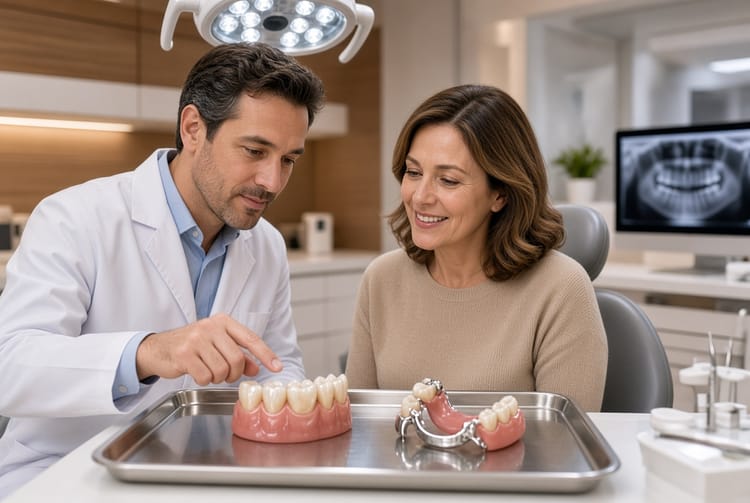
The Crossbite Correction: Early Intervention in Children's Dentistry
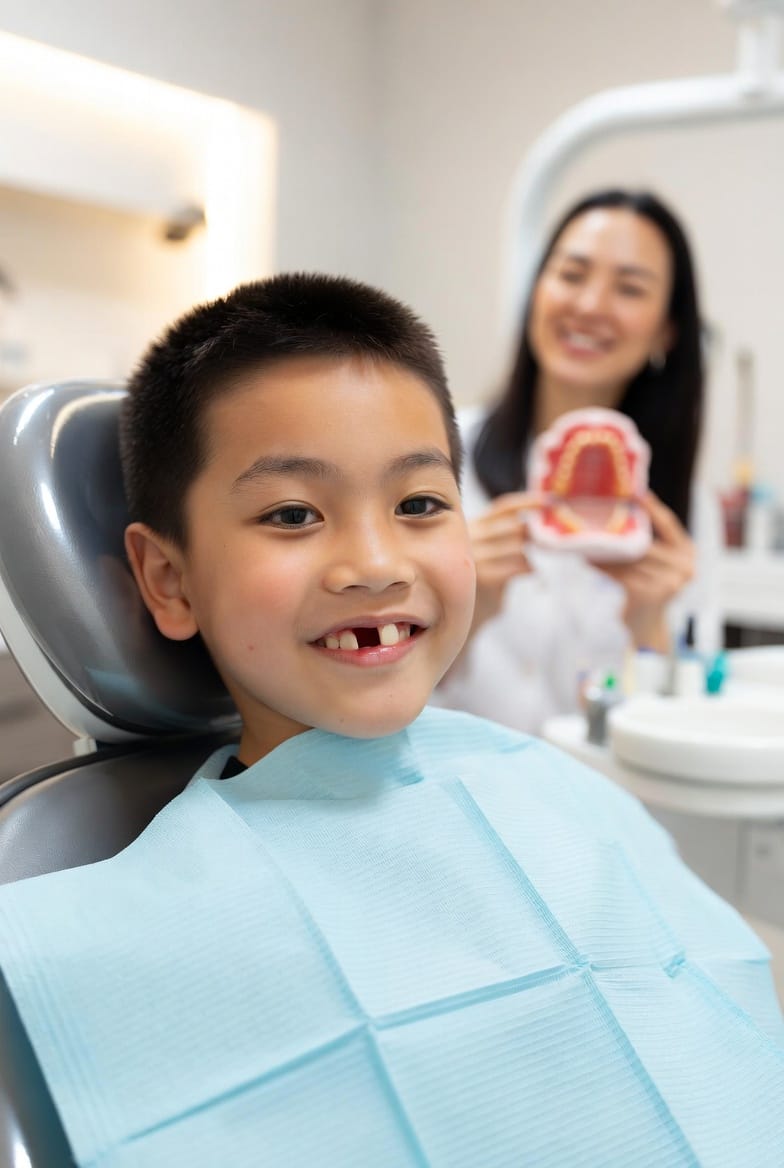
Crossbite correction represents one of the most important opportunities in pediatric dentistry. When addressed during the critical growth years, it can prevent lifelong dental complications and promote healthy facial development. At our practice, we emphasize early orthodontic intervention because the developing jaw and teeth respond remarkably well to gentle guidance.
Correct Your Child’s Crossbite Early – Call Today!
Parents often wonder if their child’s bite looks “off.” A crossbite occurs when the upper teeth bite inside the lower teeth instead of outside them. This misalignment affects not just appearance but also function, speech, and long-term oral health. Fortunately, with timely action between ages 7 and 10, correction becomes significantly easier and more effective.
Understanding What a Crossbite Really Is
A crossbite is a common malocclusion where one or more upper teeth sit behind the corresponding lower teeth when the jaws close. This can be:
- Anterior crossbite — affecting the front teeth
- Posterior crossbite — impacting the back teeth on one or both sides
Key risk factors include genetics, prolonged thumb sucking, mouth breathing, or early loss of baby teeth. The condition forces the lower jaw to shift sideways during biting, creating uneven pressure across the dental arches.
Early identification is crucial. Children’s bones are still malleable, making non-invasive corrections possible before permanent teeth fully settle and the jaw hardens.
Why Orthodontic Timing Matters: The Age 7-10 Window
Orthodontic timing is everything in children’s dentistry. The American Association of Orthodontists recommends an initial evaluation by age 7. During this period:
- The upper jaw is still expanding naturally
- Permanent teeth are erupting
- Facial growth is active and responsive
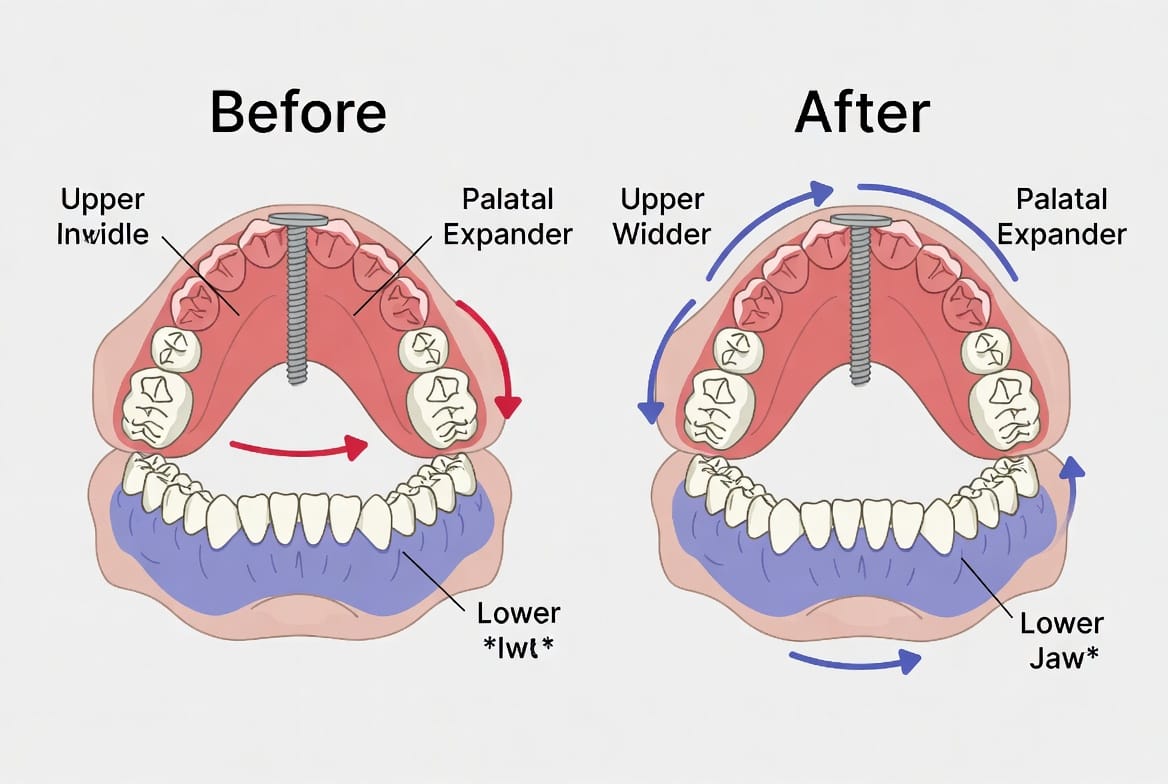
Early correction typically involves a palatal expander rather than full braces. This specialized appliance gently widens the upper jaw, allowing the teeth to move into proper alignment. Treatment duration is often shorter, and results are more stable because they work with natural growth instead of fighting against it later.
In contrast, waiting until the teenage years often requires more complex interventions including braces, possible tooth extractions, or even surgical jaw correction in severe cases.
Benefits of Early Crossbite Correction
Parents who choose early intervention notice significant advantages:
- Easier treatment — Expanders work in months rather than years
- Improved facial symmetry — Prevents uneven jaw growth
- Better breathing and speech — Corrects related airway issues
- Reduced treatment costs — Shorter overall orthodontic journey
- Boosted confidence — Children smile freely during important developmental years
The procedure itself is comfortable. Modern expanders are custom-fitted and adjusted gradually, allowing the mid-palatal suture to widen naturally. Most children adapt quickly and experience minimal discomfort.
Consequences of Untreated Crossbite
Delaying treatment carries serious long-term risks. An uncorrected crossbite doesn’t resolve on its own and often worsens over time.
Major risks include:
- Excessive tooth wear — Uneven biting surfaces cause premature enamel erosion
- Jaw asymmetry — One side of the face may develop differently, affecting appearance
- TMJ disorders — Chronic jaw pain, clicking, headaches, and muscle tension
- Gum recession and bone loss — Abnormal forces damage supporting structures
- Chewing difficulties — Reduced efficiency leads to digestive issues
- Increased cavity risk — Hard-to-clean areas trap food and bacteria
Jaw asymmetry and TMJ problems can become particularly challenging in adulthood, often requiring extensive rehabilitation.
Recognizing the Signs: When to Seek Help
Watch for these common indicators in your child:
- Teeth that don’t align properly when biting down
- Visible jaw shift to one side when closing the mouth
- Early tooth wear or chipping on specific teeth
- Difficulty chewing or biting into food
- Frequent cheek biting or tongue thrusting
- Speech difficulties, especially with “s” or “th” sounds
- One-sided chewing pattern
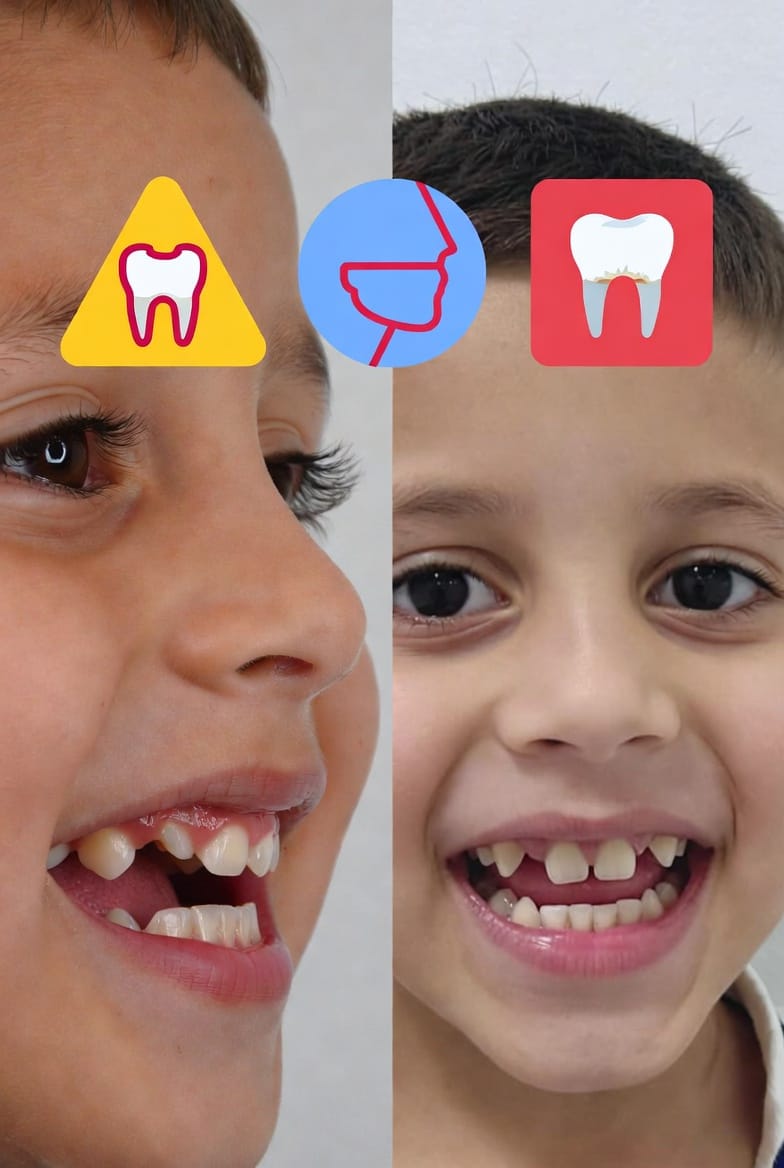
The supporting image below highlights these observable signs that parents can monitor at home.
The Treatment Process: What Parents Can Expect
During the initial consultation, our pediatric dental team performs a comprehensive evaluation including digital scans and X-rays. We create a personalized treatment plan focused on your child’s specific needs.
Typical early intervention steps:
- Diagnosis and planning — Precise measurement of the crossbite
- Appliance placement — Custom palatal expander fitted comfortably
- Active expansion phase — Gradual widening over several weeks
- Retention period — Stabilizing the correction as permanent teeth erupt
- Monitoring — Regular check-ups to ensure optimal development
Most children find the process straightforward. We use child-friendly techniques and clear communication to reduce anxiety.
Long-Term Impact on Overall Health
Crossbite correction does more than straighten teeth. It supports proper airway development, reduces risk of sleep-disordered breathing, and promotes balanced facial growth. Children who receive early treatment often avoid more invasive procedures later and enjoy better oral function throughout life.
Studies consistently show that early orthodontic intervention leads to higher patient satisfaction and more predictable outcomes.
Frequently Asked Questions About Crossbite
At what age should my child be evaluated?
We recommend age 7 for the first orthodontic screening, even if no obvious problems are visible.
Will my child need braces later?
Many children who receive early expander treatment need only limited braces or none at all in the future.
Is the treatment painful?
Most children experience only mild pressure for a few days after adjustments. Over-the-counter relief is usually sufficient.
How long does early correction take?
The active phase typically lasts 3-6 months, followed by retention monitoring.
Is early treatment covered by insurance?
Many plans provide coverage for interceptive orthodontics. Our team helps maximize your benefits.
Taking Action for Your Child’s Dental Future
Early orthodontic intervention is key to preventing complications and ensuring a healthy, confident smile. The developing years offer a unique opportunity to guide growth positively with minimal intervention.
If you notice any signs of misalignment or have concerns about your child’s bite, don’t wait. Schedule a pediatric evaluation today and give your child the foundation for a lifetime of excellent oral health.
Our experienced specialists provide gentle, effective care tailored specifically for growing children.
Investing in early crossbite correction today means avoiding complex treatments tomorrow while supporting your child’s overall development and self-confidence.
Prevent Jaw Issues with Early Orthodontic Care – Call Now