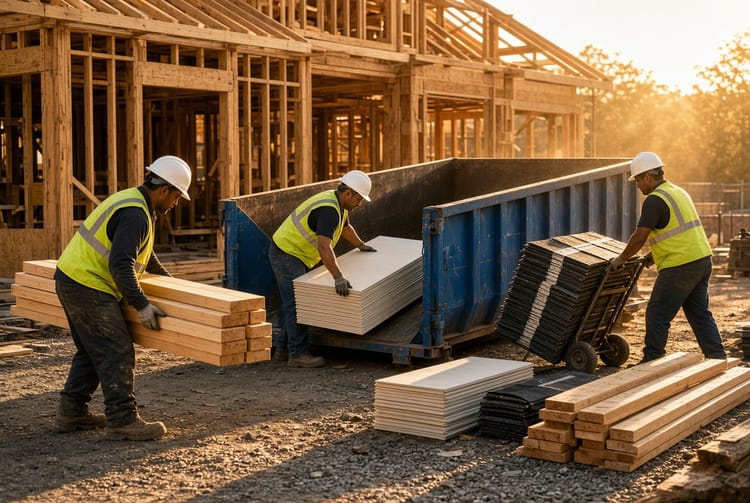
The Construction Debris Recycling: Sorting for Sustainability
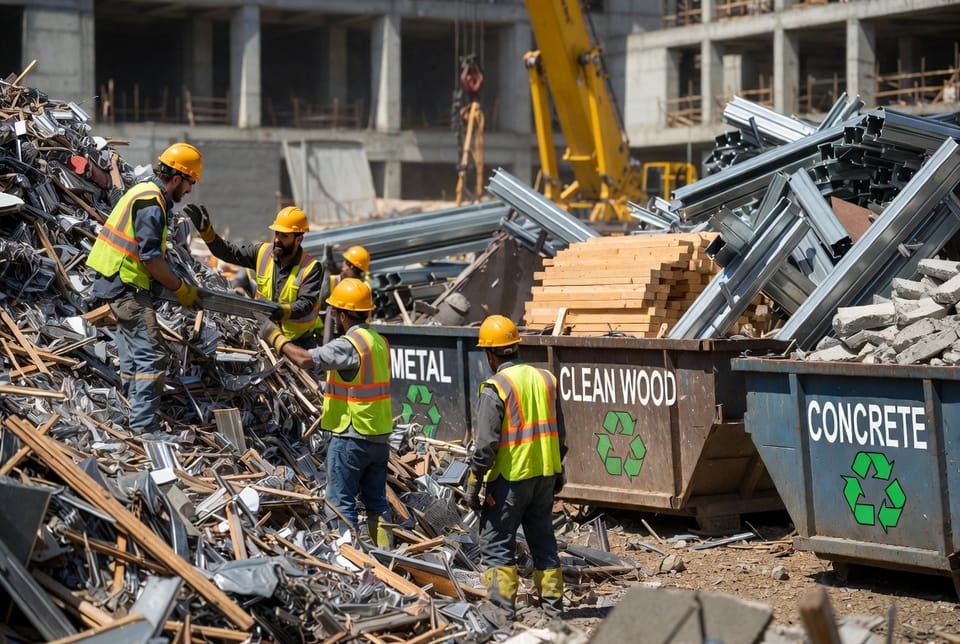
Construction projects generate substantial volumes of debris every day. From framing remnants to packaging materials, this waste stream presents both challenges and opportunities. When managed correctly through thoughtful sorting, construction debris becomes a resource rather than a burden. Construction debris recycling stands as a cornerstone of responsible building practices, enabling teams to protect the environment while improving project outcomes.
Get Recycling Dumpsters Today – Call for Sustainable Sorting!
This approach centers on deliberate separation of materials at the source. By isolating recyclable construction waste such as metal, clean wood, concrete, and cardboard, contractors reduce environmental impact and unlock measurable advantages. The process demands consistency, clear protocols, and a commitment to sustainability from the first day of site preparation through final cleanup.
Understanding the Scope of Construction Debris
Every construction phase produces distinct types of waste. Demolition yields concrete and metal. Framing and carpentry create clean wood scraps. Packaging and shipping introduce cardboard and other paper-based materials. When these items mix in a single container, recycling becomes difficult or impossible. Contaminated loads often end up in landfills, increasing costs and environmental strain.
Environmental responsibility begins with recognition of this reality. Modern construction sites can no longer treat debris as an afterthought. Regulatory pressures, client expectations, and corporate sustainability goals all push toward higher recycling rates. Sorting at the point of generation keeps materials pure and valuable.
Teams that adopt systematic separation practices discover that recycling is practical rather than complicated. Dedicated containers, clear labeling, and daily oversight turn potential waste into recoverable resources. The result is a cleaner site, lower hauling expenses, and a stronger contribution to broader sustainability targets.
The Critical Role of Environmental Responsibility
Construction activities contribute significantly to national waste volumes. Landfills receive millions of tons of building-related materials annually, many of which could have been recycled. Diverting these items reduces the demand for virgin resources, lowers greenhouse gas emissions associated with new material production, and decreases the pressure on limited landfill capacity.
Sorting for sustainability directly addresses these concerns. Metal recycling conserves energy that would otherwise power mining and refining operations. Clean wood can be processed into mulch, engineered products, or biomass fuel. Concrete aggregates re-enter the supply chain as base material for new roads and structures. Cardboard returns to paper mills, closing the loop on packaging waste.
Beyond resource conservation, responsible debris management protects local ecosystems. Unsorted waste can leach contaminants into soil and water. Proper separation minimizes these risks and demonstrates accountability to communities surrounding project sites. Clients and stakeholders increasingly evaluate contractors on environmental performance. Projects that prioritize recycling build stronger reputations and often secure preferential consideration for future work.
How to Separate Recyclable Construction Waste
Effective construction debris recycling relies on consistent, on-site separation. The following categories represent the most common and valuable recyclable streams. Each requires specific handling to maintain quality and marketability.
Separating Metal
Metal appears throughout construction in the form of structural steel, rebar, piping, ductwork, fasteners, and discarded appliances or fixtures. Ferrous metals containing iron respond to magnets, while non-ferrous metals such as aluminum, copper, and brass require visual identification.
Place a dedicated metal dumpster or roll-off container in an accessible location. Instruct crews to deposit all metal items immediately after removal. Keep the load free of non-metal contaminants such as plastic coatings, insulation, or excessive dirt. Large pieces can be cut or broken down to maximize container capacity. Regular inspection ensures the load remains clean and ready for recycling facilities that process scrap metal into new products.
Handling Clean Wood
Clean wood includes dimensional lumber, plywood, OSB, and untreated framing scraps free of paint, stains, preservatives, or fasteners. Contaminated or treated wood must stay out of the recycling stream because chemicals interfere with processing.
Designate a separate container specifically for clean wood. Train workers to remove nails, screws, and metal hardware when practical. Stack pieces to reduce volume and prevent mixing with other debris. Clean wood recycling facilities convert these materials into landscape mulch, particleboard, animal bedding, or renewable energy feedstock. Maintaining purity is essential for acceptance and optimal pricing.
Managing Concrete
Concrete debris arises from demolition, excess pours, and broken slabs or blocks. Clean concrete free of excessive rebar, dirt, or other contaminants holds high recycling value.
Position a sturdy dumpster or designated pile for concrete only. Larger pieces may require breaking with equipment to fit containers efficiently. Remove protruding rebar where feasible, as mixed loads can complicate processing. Recycled concrete becomes crushed aggregate used in new concrete mixes, road base, or drainage applications. This closed-loop approach significantly reduces the need for virgin aggregate extraction.
Sorting Cardboard
Cardboard arrives on every site through material deliveries, packaging, and shipping containers. Clean, dry cardboard free of food residue, plastic films, or excessive tape recycles readily.
Provide a covered or protected area for cardboard collection to shield it from rain and site dirt. Flatten boxes to conserve space. Remove any non-paper packing materials before placement. Cardboard recycling returns fiber to paper mills, reducing deforestation pressure and manufacturing energy demands. Consistent collection prevents cardboard from becoming wet or contaminated, preserving its recyclability.
Benefits of Sorting Construction Debris for Recycling
The advantages of systematic separation extend across environmental, financial, and certification dimensions. Each benefit reinforces the value of investing time and resources into proper sorting practices.
- Reduced landfill waste stands as the most immediate environmental gain. Diverting metal, clean wood, concrete, and cardboard keeps substantial tonnage out of landfills. This extension of landfill lifespan benefits entire regions and lowers the long-term environmental liability associated with disposal sites.
- Lower disposal costs deliver direct financial returns. Landfill tipping fees continue to rise in many areas. Recycling facilities often charge less—or even pay for clean loads of certain materials. Reduced volume of mixed waste also means fewer hauls and lower transportation expenses. Over the course of a multi-month project, these savings accumulate meaningfully.
- LEED points reward projects pursuing green building certification. The Leadership in Energy and Environmental Design system awards credits for construction waste management. Achieving high diversion rates through recycling of metal, wood, concrete, and cardboard contributes directly to these points. Documentation of sorted loads and recycling receipts supports the certification process and enhances project marketability.
Additional advantages include improved site organization, enhanced worker safety through clearer pathways, and stronger alignment with corporate sustainability reporting requirements. Clients increasingly request waste diversion data, and contractors prepared with accurate records stand out.
Implementing Effective Sorting Systems on Site
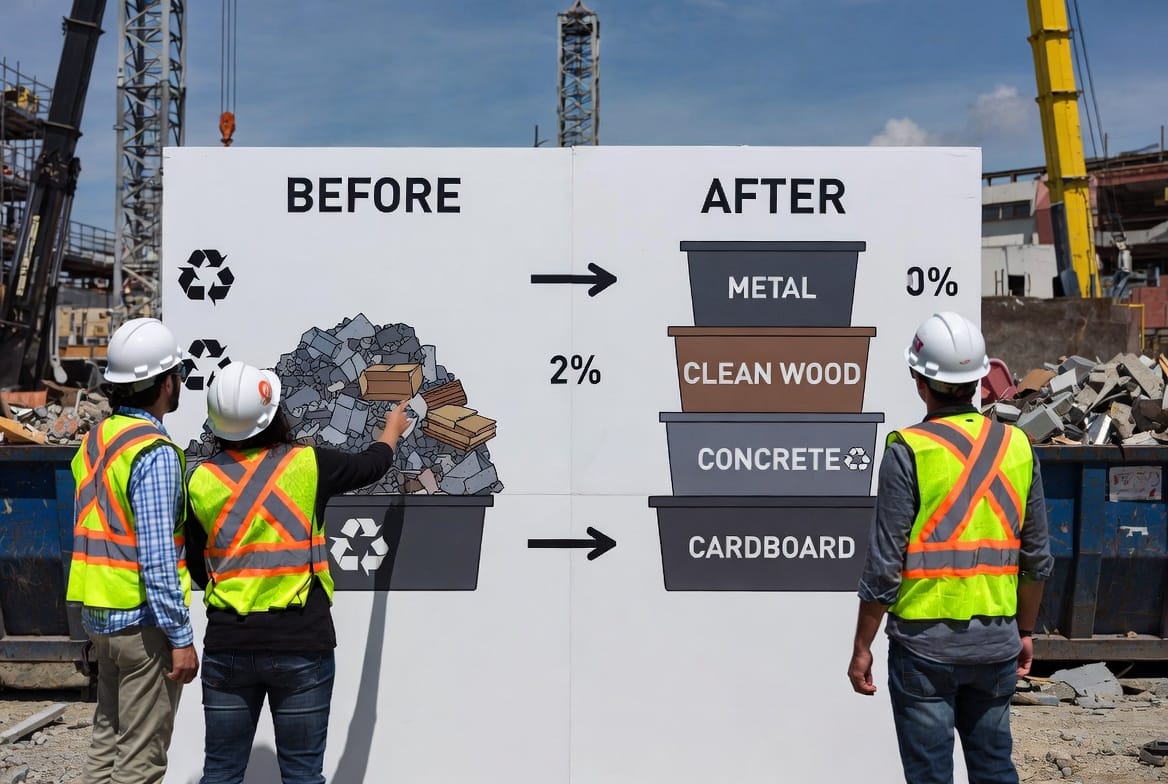
Success requires more than containers. Leadership must establish clear protocols from project kickoff. Begin by assessing expected waste streams based on project scope. Order appropriately sized and labeled dumpsters for metal, clean wood, concrete, and cardboard. Position them strategically near work areas to encourage use and minimize walking distance.
Conduct toolbox talks focused on material identification and proper placement. Visual aids such as color-coded signs and sample boards reinforce training. Assign responsibility for daily monitoring so contamination is corrected quickly. Track volumes and diversion rates to identify improvement opportunities and document results for clients or certification bodies.
Coordination with a reliable dumpster rental and recycling partner streamlines the process. Experienced providers understand local recycling markets, offer guidance on load quality, and ensure timely service. Their expertise helps avoid rejected loads and maximizes the financial and environmental return on sorting efforts.
Overcoming Common Challenges
Mixed debris, weather exposure, and time pressure represent frequent obstacles. Address mixed loads through immediate correction and reinforced training. Protect cardboard and clean wood from moisture with covers or sheltered placement. Build sorting time into daily schedules so the practice becomes routine rather than an extra task.
Space constraints on tight urban sites can be managed by using smaller containers and more frequent service. Communication remains the most powerful tool. When every crew member understands both the method and the reasons behind sorting, compliance rises naturally.
Projects that treat construction debris recycling as an integral part of operations rather than an add-on consistently achieve higher diversion rates. The culture of responsibility spreads from site supervisors to subcontractors and laborers, creating lasting habits that benefit future work.
Measuring Success and Continuous Improvement
Track key metrics including total waste generated, tons diverted by material type, contamination rates, and cost comparisons between recycling and landfill disposal. Share results with the team to reinforce positive behavior. Review performance at project milestones and adjust container sizes, locations, or training as needed.
Many successful teams set internal diversion targets aligned with LEED thresholds or corporate sustainability goals. Celebrating achievements—such as reaching a 75 percent diversion rate—builds momentum and pride. Documentation also supports marketing efforts, allowing firms to demonstrate environmental performance to prospective clients.
The Broader Impact of Sustainable Sorting Practices
Individual projects contribute to larger systemic change. When contractors across a region adopt consistent sorting for sustainability, recycling infrastructure strengthens, markets for recovered materials expand, and the overall construction industry reduces its ecological footprint. Communities benefit from cleaner air and water, lower municipal waste management costs, and preservation of natural resources for future generations.
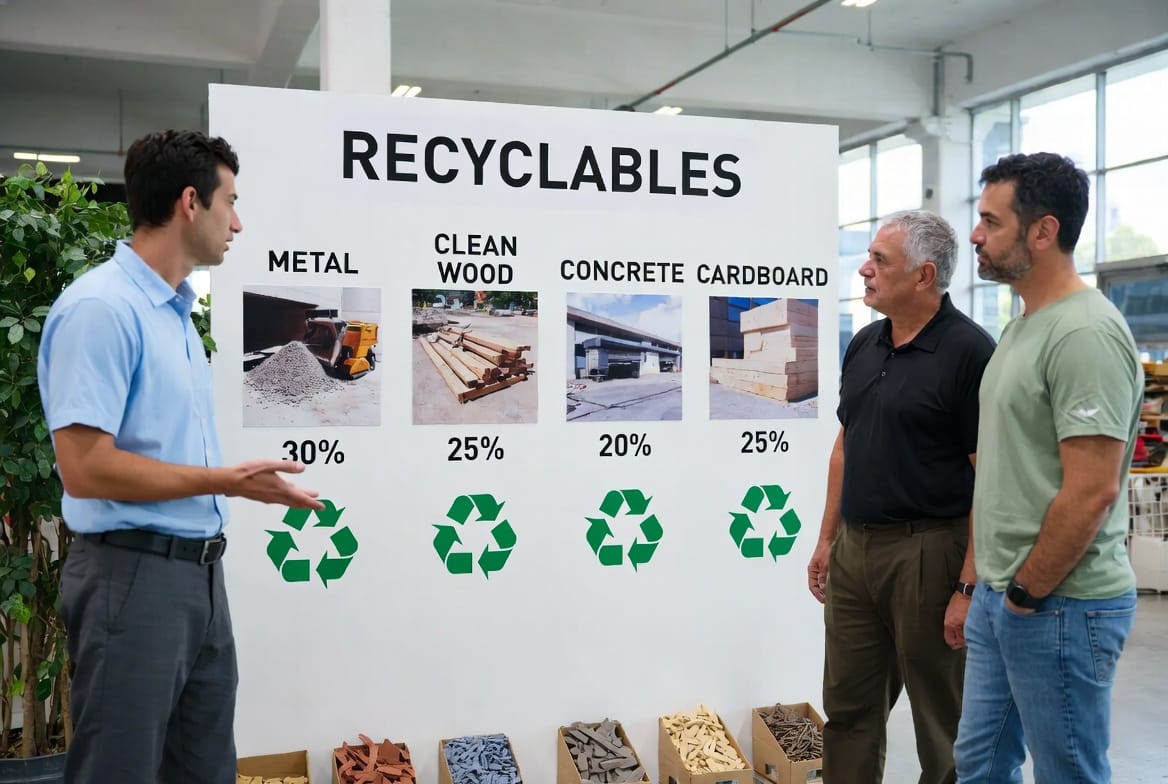
Environmental responsibility in construction is no longer optional. It forms part of professional excellence. Teams that master the separation of metal, clean wood, concrete, and cardboard position themselves as leaders in a market that increasingly values sustainable practices.
The process itself is straightforward once systems are in place. Clear categories, dedicated containers, ongoing education, and partnership with knowledgeable service providers transform debris management from a cost center into a value-adding activity. Reduced landfill dependence, meaningful cost savings, and valuable LEED contributions create a compelling case for every project.
Reduce Landfill Waste – Call for Professional Dumpster Rental