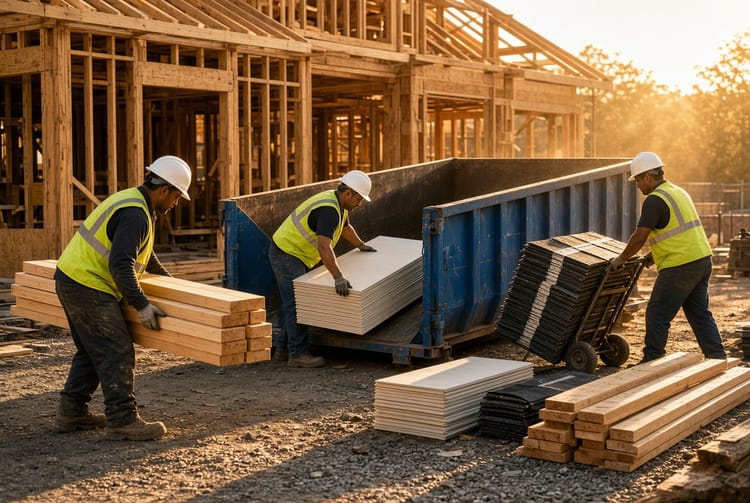
The Construction Debris Recycling: Separating Materials for Sustainable Disposal
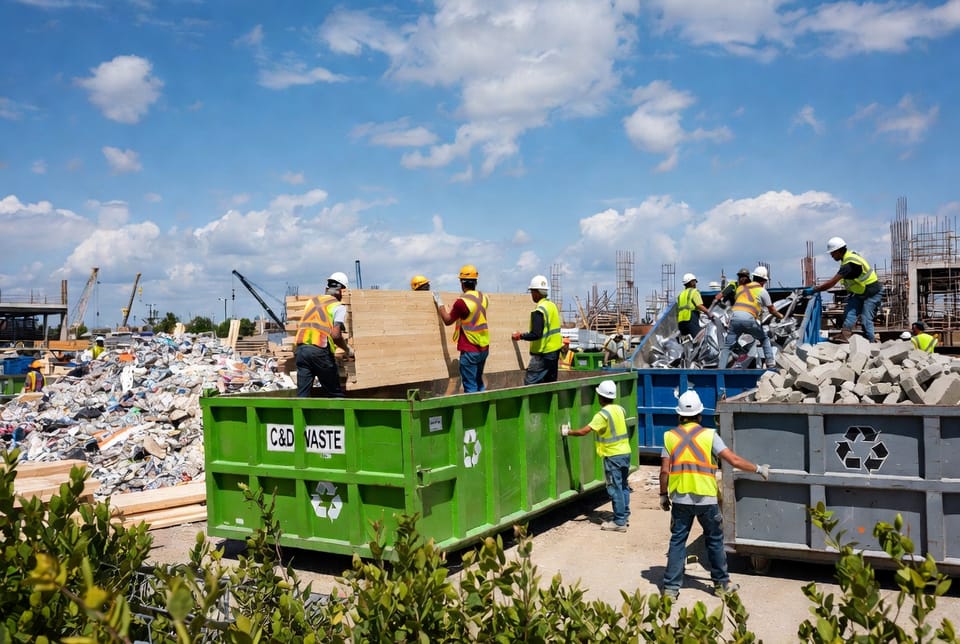
In the evolving world of construction, construction debris recycling stands as a cornerstone of responsible building practices. Contractors and site managers face increasing pressure to manage waste effectively, and separating materials right at the source offers a powerful solution. This approach to sustainable disposal not only protects the environment but also streamlines operations and delivers measurable benefits.
Get Sustainable Dumpster Rental – Call for Recycling Options
When crews separate wood, metal, drywall, and concrete into dedicated containers during a project, they unlock recycling opportunities that divert significant volumes from landfills. Professional dumpster rental services make this process seamless, providing the right equipment and guidance to turn potential waste into valuable resources. By embracing material separation, builders contribute to a greener future while often lowering overall project costs.
This comprehensive guide explores how construction debris recycling works, why it matters, and practical steps to implement it successfully. Whether you manage large commercial builds or residential renovations, understanding these techniques empowers you to build with confidence and environmental integrity.
Why Prioritize Material Separation in Construction Projects
Material separation transforms how construction sites handle debris. Instead of tossing everything into a single container, crews sort items as they generate them. This simple shift delivers profound environmental and economic advantages.
Landfills across the country continue to fill at alarming rates with construction waste. By separating materials early, projects achieve higher landfill diversion rates, preserving natural spaces and reducing methane emissions from decomposing waste. The process also complies with growing regulatory requirements for green building certifications.
From an operational standpoint, sorted debris moves more efficiently. Dedicated dumpsters prevent contamination, ensuring each load heads directly to the appropriate recycling facility. This efficiency minimizes transportation trips and associated fuel consumption, further supporting sustainable disposal goals.
Many contractors discover that separation leads to cost savings through reduced disposal fees and potential revenue from recyclable materials. Metal scraps, for instance, often carry scrap value that offsets rental expenses. Professional dumpster rental providers support these efforts by supplying clearly labeled containers tailored to specific material streams.
Understanding Key Construction Materials and Their Recycling Potential
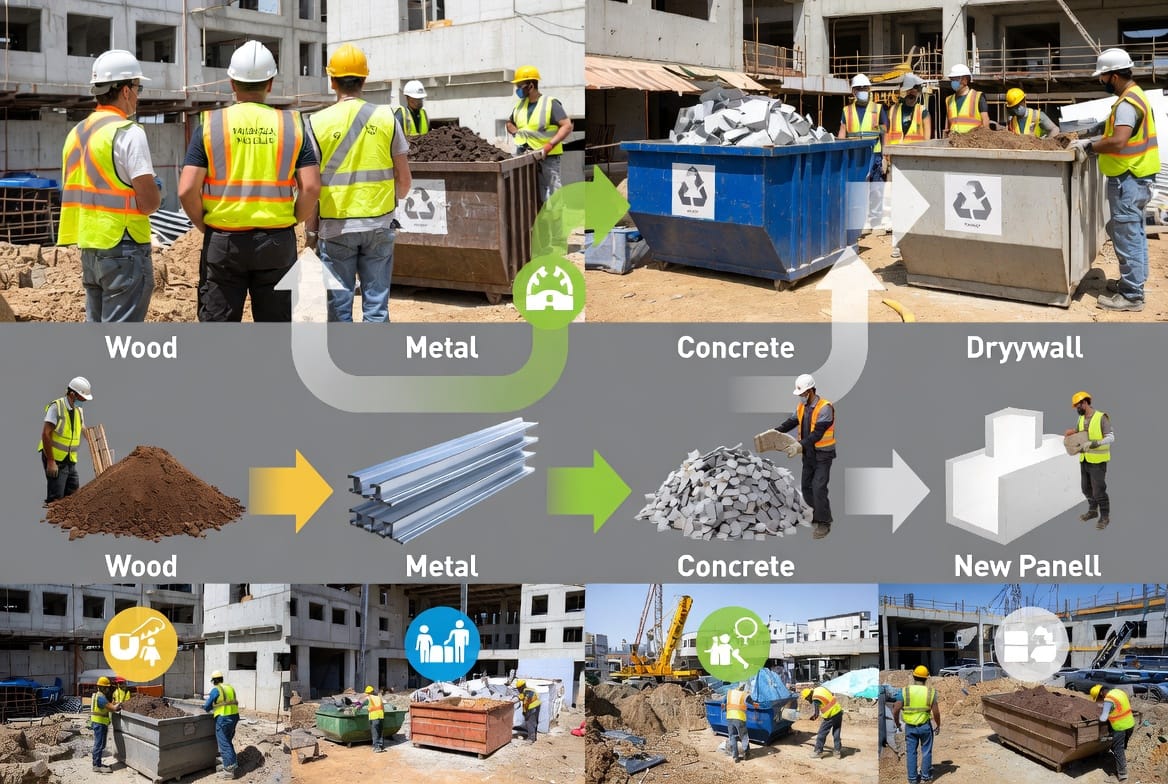
Successful construction debris recycling begins with knowing what each material offers. Here’s a breakdown of the most common items and how proper separation enables their second life:
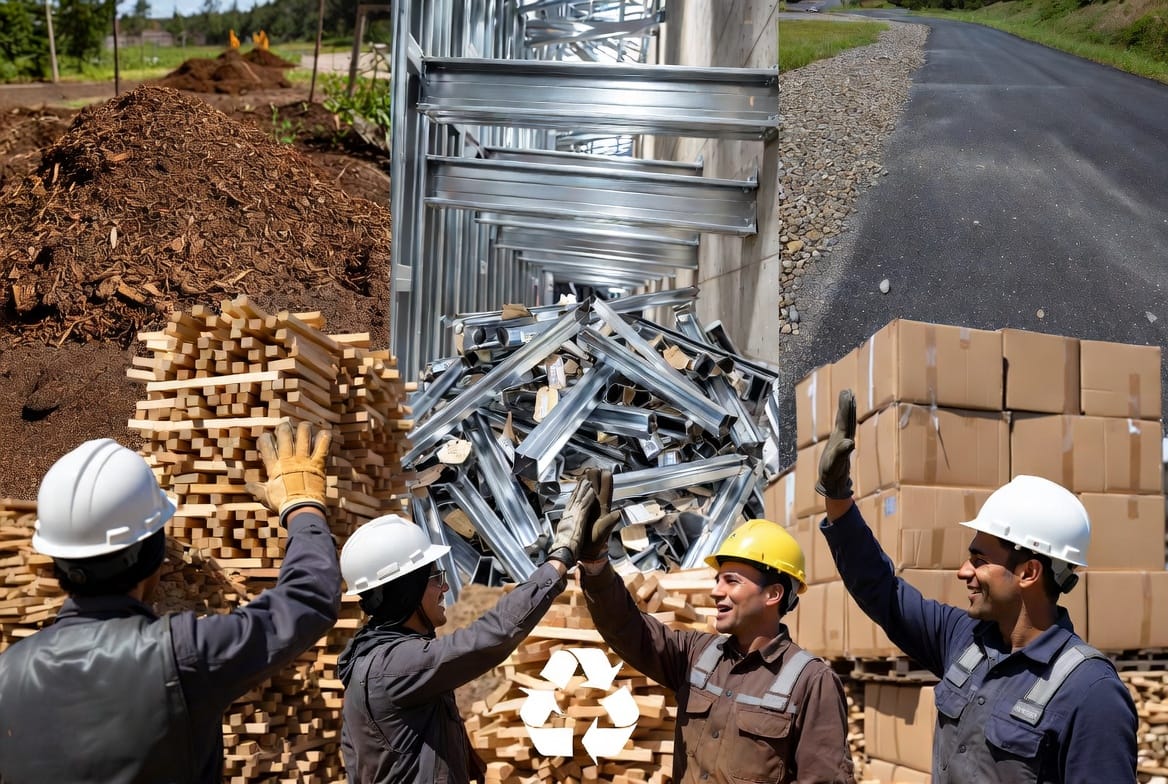
- Clean wood: Untreated lumber, pallets, and framing scraps can be chipped into mulch or biomass fuel. Separation keeps it free from contaminants like paint or nails.
- Metal: Steel rebar, aluminum siding, and copper wiring hold significant scrap value. Sorted metals head straight to smelters for melting and reuse in new products.
- Drywall: Gypsum boards, when kept clean and undamaged, return to manufacturing plants where they become new wallboard or soil amendments.
- Concrete: Broken slabs and blocks crush into aggregate for road base, new concrete mixes, or landscaping fill.
By isolating these materials, crews prevent cross-contamination that would otherwise render entire loads unrecyclable. This targeted approach maximizes recovery rates and minimizes environmental harm.
Cardboard and packaging materials also fit neatly into recycling programs when separated. Corrugated boxes flatten easily and return to paper mills, closing the loop on another common site byproduct.
How Separation Directly Reduces Landfill Waste
The impact of construction debris recycling on landfill reduction cannot be overstated. Mixed debris often ends up buried, where it occupies valuable space and contributes to long-term pollution. Separation changes this trajectory dramatically.
Each ton of recycled wood, for example, prevents the release of greenhouse gases that would occur during decomposition. Metal recycling conserves natural resources by reducing the need for virgin ore mining. Concrete aggregate reuse cuts down on quarry operations, preserving landscapes.
When contractors partner with experienced dumpster rental companies, they gain access to multiple specialized containers. This setup encourages crews to maintain separation throughout the project lifecycle. The result? Projects routinely achieve 50-80% diversion rates, depending on material composition and commitment level.
Beyond the immediate site benefits, widespread adoption of these practices supports broader community sustainability goals. Municipalities increasingly reward high-diversion projects with incentives, making sustainable disposal both an ethical choice and a smart business decision.
Unlocking Cost Savings Through Smart Recycling Practices
Many project managers initially worry that extra sorting steps will inflate budgets. In reality, material separation frequently lowers total disposal costs. Here’s how:
- Lower tipping fees: Recycling facilities often charge less than traditional landfills for sorted loads.
- Revenue from recyclables: Scrap metal and certain woods generate credits or payments that reduce net expenses.
- Fewer dumpster hauls: Efficient packing of like materials means fewer pickups and reduced rental periods.
- Avoided penalties: Compliance with local green building mandates prevents fines and delays.
Professional dumpster rental services streamline these savings by delivering appropriately sized and labeled containers exactly when needed. Crews spend less time managing waste and more time on core construction tasks.
Best Practices for Effective On-Site Separation
Implementing construction debris recycling requires planning but yields reliable results. Follow these proven strategies:
- Plan ahead: Map out dumpster placement during the pre-construction phase to keep containers accessible yet out of the way.
- Label clearly: Use color-coded or prominently marked dumpsters for each material type.
- Train the team: Brief all workers on separation protocols and the environmental and financial benefits.
- Monitor progress: Assign a waste champion to conduct regular site audits and address contamination quickly.
- Choose the right partner: Work with a dumpster rental provider experienced in recycling programs who can supply multiple units and offer guidance.
These practices ensure smooth operations from day one. When separation becomes part of the daily routine, crews work more efficiently and take pride in their environmental contributions.
Overcoming Common Challenges in Debris Management
Even well-intentioned projects encounter hurdles. Space constraints on tight urban sites can complicate multiple dumpsters. Weather may affect material storage. Contamination risks always exist when deadlines tighten.
The reassuring news is that experienced dumpster rental professionals anticipate these issues. They recommend optimal container sizes, provide on-call support, and suggest flexible scheduling. Temporary barriers or covered containers protect materials from the elements. Regular communication keeps everyone aligned.
By addressing challenges proactively, teams maintain high recycling rates without sacrificing productivity or safety.
The Role of Professional Dumpster Rental in Sustainable Projects
Reliable dumpster rental services form the backbone of successful construction debris recycling programs. Providers who understand recycling streams supply the right equipment and expertise to make separation effortless. They coordinate pickups, track diversion metrics, and stay current with local regulations.
Choosing a partner committed to sustainability ensures your project benefits from the latest best practices. Whether you need multiple roll-off units or specialized containers, professional support keeps your site clean, compliant, and cost-effective.
Building a Greener Future One Project at a Time
As the construction industry continues advancing toward net-zero goals, sustainable disposal through material separation will only grow in importance. Today’s choices shape tomorrow’s landscapes. By prioritizing construction debris recycling, contractors demonstrate leadership and responsibility.
Every separated load of wood, metal, drywall, or concrete represents a victory for the environment and a step toward more efficient operations. The process empowers teams, reduces costs, and aligns projects with community values.
Professional guidance and the right equipment make these outcomes achievable for projects of any scale. Embrace the opportunity to lead by example and discover how straightforward sustainable practices deliver lasting rewards.
Lower Costs & Boost Sustainability – Call for Dumpster Rental