The Confused Flour Beetle: Common Pest of Flour and Grains

Pantry pests can turn your well-stocked kitchen into a source of frustration. Among these unwelcome visitors, the confused flour beetle stands out as one of the most persistent invaders of stored food products. Understanding this tiny insect is the first step toward protecting your home and maintaining a safe, clean environment for your family.
Eliminate Flour Beetles Fast – Call for Expert Help Today
In this comprehensive guide, we'll explore everything you need to know about the confused flour beetle — from its habits and identification to proven elimination strategies. With the right knowledge and proactive measures, you can confidently safeguard your pantry and prevent future issues.
Understanding the Confused Flour Beetle
The confused flour beetle (Tribolium confusum) is a small, reddish-brown insect that thrives in stored grain environments. Despite its name, there's nothing confusing about its impact once it establishes itself in your home. These beetles are highly adaptable and can quickly multiply in favorable conditions.
Key characteristics include:
- Adults measure approximately 1/8 inch long
- Elongated, flattened bodies with a shiny appearance
- Uniform reddish-brown coloration
- Ability to survive in various climates, particularly warm indoor spaces
Unlike some seasonal pests, confused flour beetles can remain active year-round inside homes, especially in pantries and cupboards where food supplies provide constant sustenance.
Their presence often indicates that conditions are just right for ongoing reproduction, making early intervention essential.
How to Identify the Confused Flour Beetle
Proper identification prevents unnecessary worry and ensures you target the correct pest. The confused flour beetle closely resembles its relative, the red flour beetle, but subtle differences set them apart.
Identification features:
- Antennae: The confused flour beetle has antennae that gradually enlarge toward the tip, without the distinct "club" shape seen in the red flour beetle.
- Body shape: Slightly more parallel-sided compared to some other stored product beetles.
- Movement: Active crawlers that move quickly when disturbed but do not fly (unlike red flour beetles which are capable of flight).
- Signs in food: Fine dust or "frass" mixed into flour and grains, often accompanied by a slightly sweet, musty odor in heavy infestations.
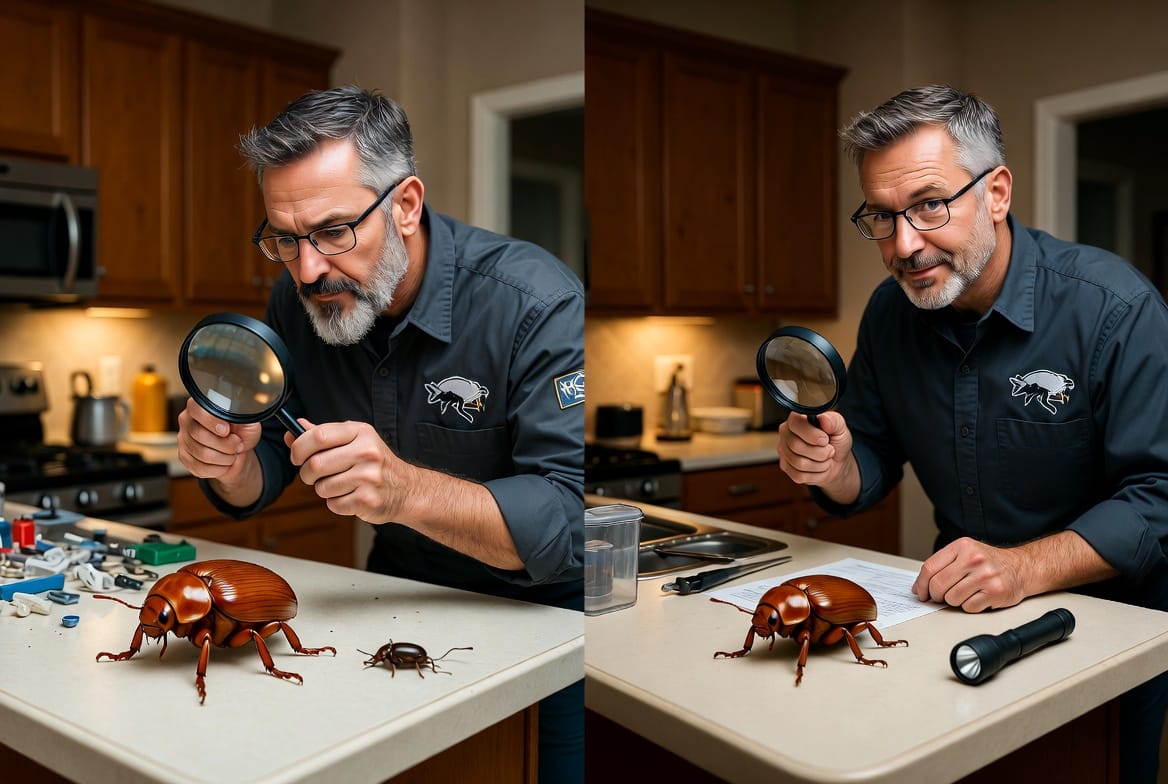
If you're unsure, a simple magnifying glass can reveal these details. Many homeowners initially mistake them for other pantry insects, but paying attention to antennae structure provides a reliable diagnostic clue.
Behavior and Feeding Habits
The confused flour beetle is a dedicated scavenger of starchy foods. It primarily feeds on:
- Flour and baking mixes
- Breakfast cereals
- Pasta and noodles
- Rice and other grains
- Breadcrumbs and crackers
- Pet food and birdseed
- Dried fruits and nuts
Females lay hundreds of eggs directly in or near food sources. The larvae then hatch and begin feeding immediately, tunneling through packages and creating contamination that renders food unsafe for consumption.
This pest's ability to exploit even small cracks in packaging makes it particularly challenging. They don't require large openings — a tiny tear or loose seal is often enough for them to establish a colony.
Their life cycle allows for rapid population growth in warm conditions (optimal temperatures around 75-85°F), which is common in most household kitchens.
Why Confused Flour Beetles Are Problematic
Beyond the obvious inconvenience of finding insects in your food, these pests pose several concerns:
- Food contamination: They introduce frass, cast skins, and body parts into edible items, making them unfit for consumption.
- Economic impact: Discarding infested products adds up quickly, especially for families who maintain well-stocked pantries.
- Psychological effect: Discovering pantry pests can create ongoing anxiety about food safety.
- Secondary issues: Heavy infestations may attract other pests like spiders or rodents that prey on the beetles.
Rest assured, these beetles do not bite humans, sting, or transmit diseases directly. However, their presence signals the need for prompt action to protect your family's food supply and peace of mind.
Signs of an Active Infestation
Early detection is your best defense. Look for these common indicators:
- Small beetles crawling on shelves or inside packages
- Clumped or "webby" appearance in flour or cereal (though less pronounced than some moths)
- Tiny holes in packaging
- Unusual odors from stored goods
- Larvae or pupae in corners of cabinets
- Increased insect activity near pet food storage
Pro tip: Regularly rotate your stock using the "first in, first out" method to minimize the chance of long-term storage that benefits these pests.
Effective Elimination Strategies
Dealing with confused flour beetles requires a thorough, multi-step approach. Here's a proven process:
1. Inspection and Removal
- Empty all pantry shelves completely
- Check every package, even unopened ones
- Discard all infested items in sealed outdoor trash
- Vacuum shelves, cracks, and crevices thoroughly
2. Deep Cleaning
- Wash all surfaces with hot soapy water
- Pay special attention to corners, edges, and under shelf liners
- Clean with a vinegar solution for natural sanitizing
- Allow everything to dry completely before restocking
3. Prevention Measures
- Store all dry goods in airtight glass or plastic containers
- Keep pantry areas cool and dry
- Install door sweeps and seal cracks around pipes
- Use bay leaves or other natural repellents as supplementary protection (though not a complete solution)
Consistent monitoring after treatment ensures any surviving eggs or larvae are caught early.

When to Call Professional Pantry Pest Control
While DIY methods work for minor issues, significant or recurring infestations benefit from expert intervention. Professional technicians bring:
- Advanced detection tools
- Targeted treatments safe for food storage areas
- Knowledge of pest biology for complete elimination
- Preventive strategies tailored to your home
- Guaranteed results and follow-up inspections
Trained experts can identify hidden sources of infestation that homeowners might miss, such as inside wall voids or under appliances.
Long-Term Pantry Protection Tips
Maintaining a beetle-free pantry involves ongoing vigilance:
- Weekly visual inspections of high-risk items
- Proper food storage using clear containers for easy monitoring
- Temperature and humidity control
- Regular deep cleaning schedules
- Purchasing smaller quantities of staple items when possible
By implementing these habits, you create an environment that is naturally less hospitable to stored product pests.
Understanding the Broader Context of Pantry Pests
The confused flour beetle is just one of several common pantry invaders. Learning to recognize different species helps you respond more effectively. Many of the same prevention principles apply across various grain-feeding insects, making your efforts broadly protective.
Education empowers homeowners to maintain cleaner, safer kitchens year-round. The more you know about these pests' preferences and weaknesses, the better equipped you become to protect your household.
Restoring Confidence in Your Kitchen
Finding confused flour beetles doesn't mean your home is unclean — these resilient insects are opportunistic and can enter through packaging from stores or warehouses. The key is responding quickly and thoroughly.
With proper identification, elimination, and prevention, you can reclaim your pantry and enjoy peace of mind knowing your food supplies are protected.
Check your flour for tiny beetles today. Don't let pantry pests compromise your family's food safety. Our experienced team is ready to help you resolve current issues and prevent future problems with effective, family-safe solutions.
Get Rid of Pantry Pests Permanently – Call Now!